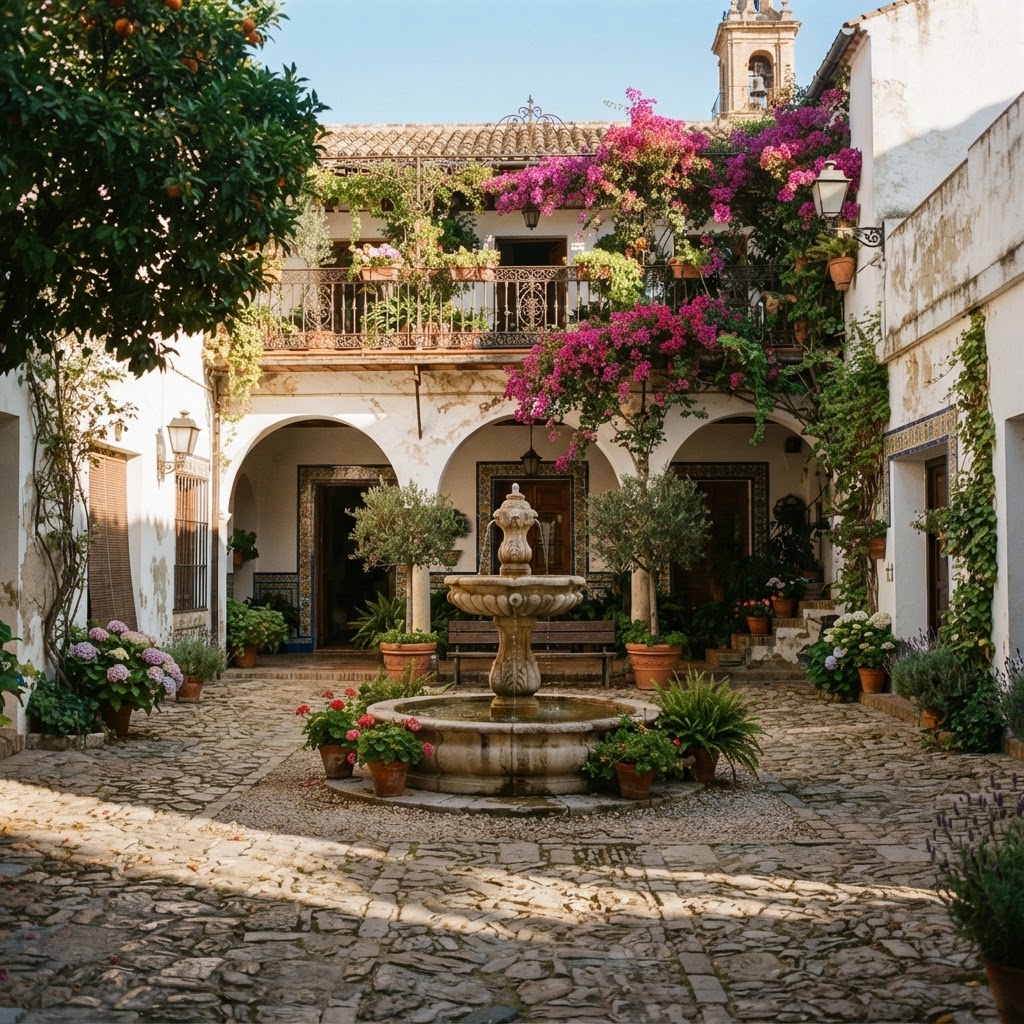
Seville is a city that breathes history, passion, and orange blossoms. While thousands of visitors flock to the magnificent Cathedral and the sprawling Plaza de España each year, the true soul of the Andalusian capital often hides in plain sight. Stepping just a few streets away from the crowded thoroughfares reveals a world of tranquil patios, centuries-old convents, and local workshops that remain untouched by the rapid pace of modern tourism.
Uncovering the Soul of Seville
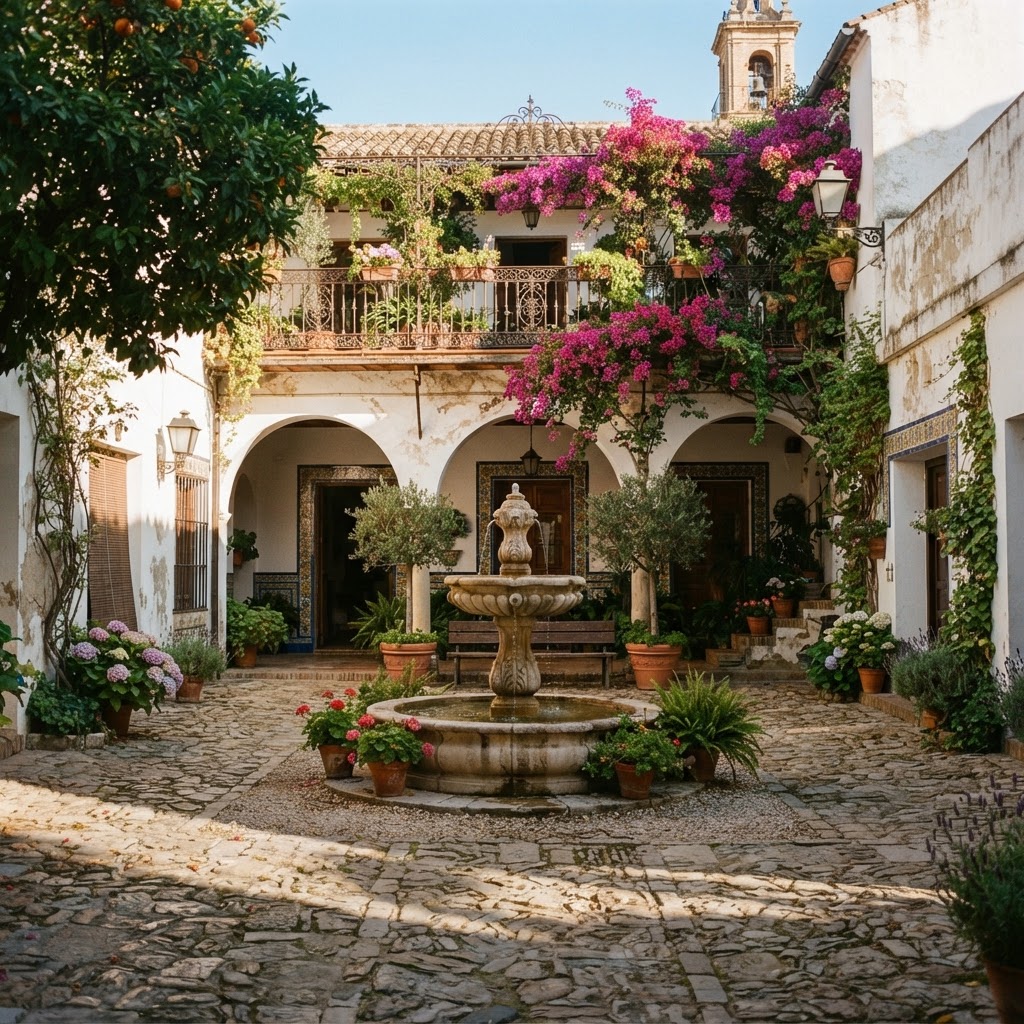
To find the hidden gems in the heart of Seville, one must be willing to lose the map. The city’s historic center is a labyrinth of narrow, winding streets designed to provide shade and cool air. In these passages, you will find architectural details that are often overlooked, such as ornate iron balconies and hidden plaques marking the homes of poets and painters. Exploring these areas requires patience and a curiosity for the slow, rhythmic pace of Sevillian life.
The Allure of Quiet Squares
While the Plaza de España is undoubtedly breathtaking, it is often packed to capacity. Instead, seek out the smaller, quieter squares that function as living rooms for the local community. Plaza de Santa Marta, tucked behind the Cathedral, is a perfect example. It is small, shaded by orange trees, and offers a silence that feels almost impossible in such a central location. Sitting on a stone bench here, listening to the fountain, provides a stark and welcome contrast to the bustling city center.
The Secretive World of Convents
One of the most fascinating aspects of Seville is its collection of cloistered convents. For centuries, these institutions have been tucked behind heavy wooden doors, hidden from the public gaze. Some of these convents still produce traditional sweets made by the nuns using ancient recipes. You can purchase these treats by ringing a bell and interacting with a sister through a rotating wooden turntable known as a ‘torno’.
Where to Taste Nuns’ Confections
Convento de San Leandro is perhaps the most famous for its ‘yemas de San Leandro’, a traditional egg yolk confection. Visiting these spaces is not just about the sweets; it is about witnessing a way of life that has persisted since the 16th century. It is a quiet, spiritual, and deeply authentic experience that is rarely found on standard tour itineraries.
Local Tapas Beyond the Tourist Menu
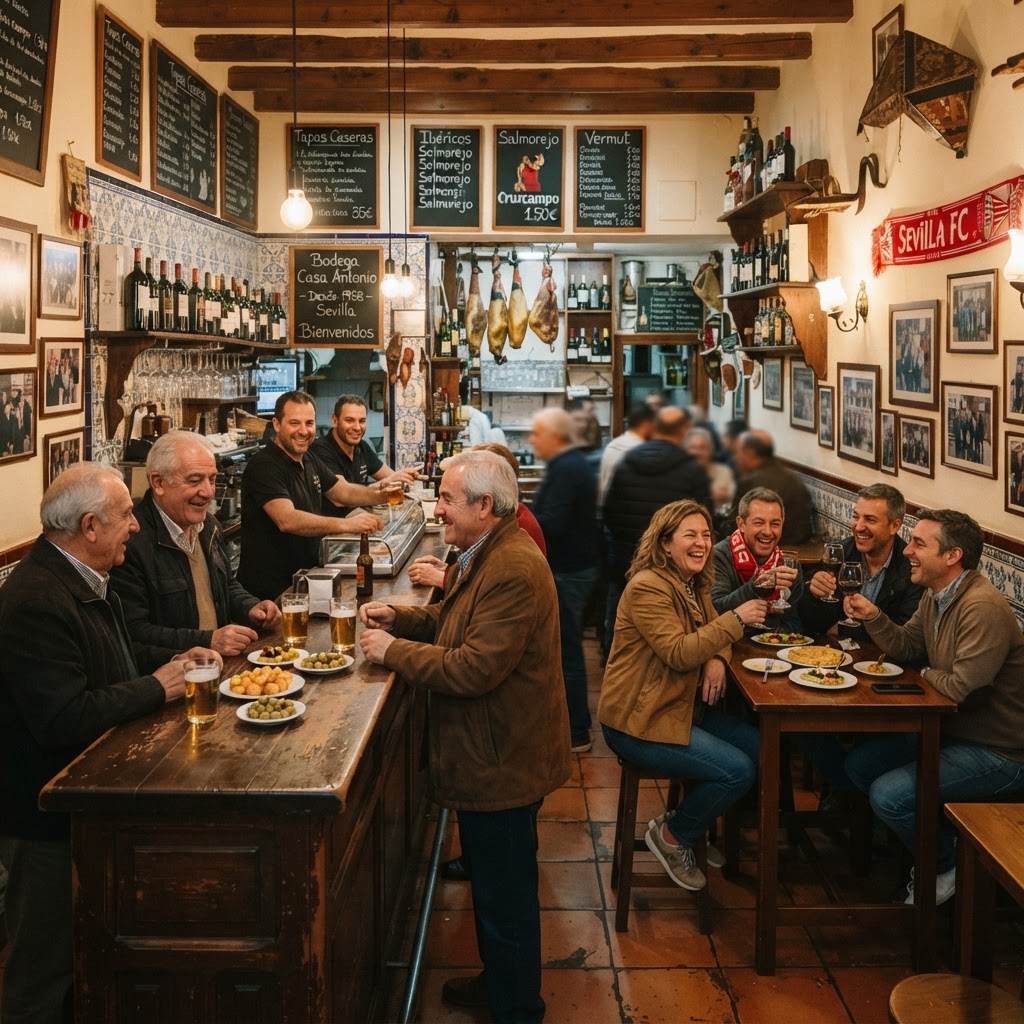
In Seville, tapas culture is a religion. Many visitors settle for the first crowded bar they see, but the best bites are found in neighborhood spots where the menu is scrawled on a chalkboard in Spanish. Look for places like El Rinconcillo, which claims to be the city’s oldest bar, but be prepared to stand at the bar counter as locals do. The true test of a great tapas spot is the number of locals drinking sherry and chatting loudly—if they are there, the food is authentic.
Ordering Like a Local
Avoid the ‘menu del día’ traps located directly next to major monuments. Instead, venture into the Macarena district or the San Lorenzo neighborhood. Order specialties like ‘espinacas con garbanzos’ (spinach with chickpeas) or ‘solomillo al whisky’ (pork tenderloin in a whiskey-based sauce). These dishes define the local palate and are best enjoyed with a glass of crisp, dry Manzanilla sherry.
Hidden Architectural Marvels
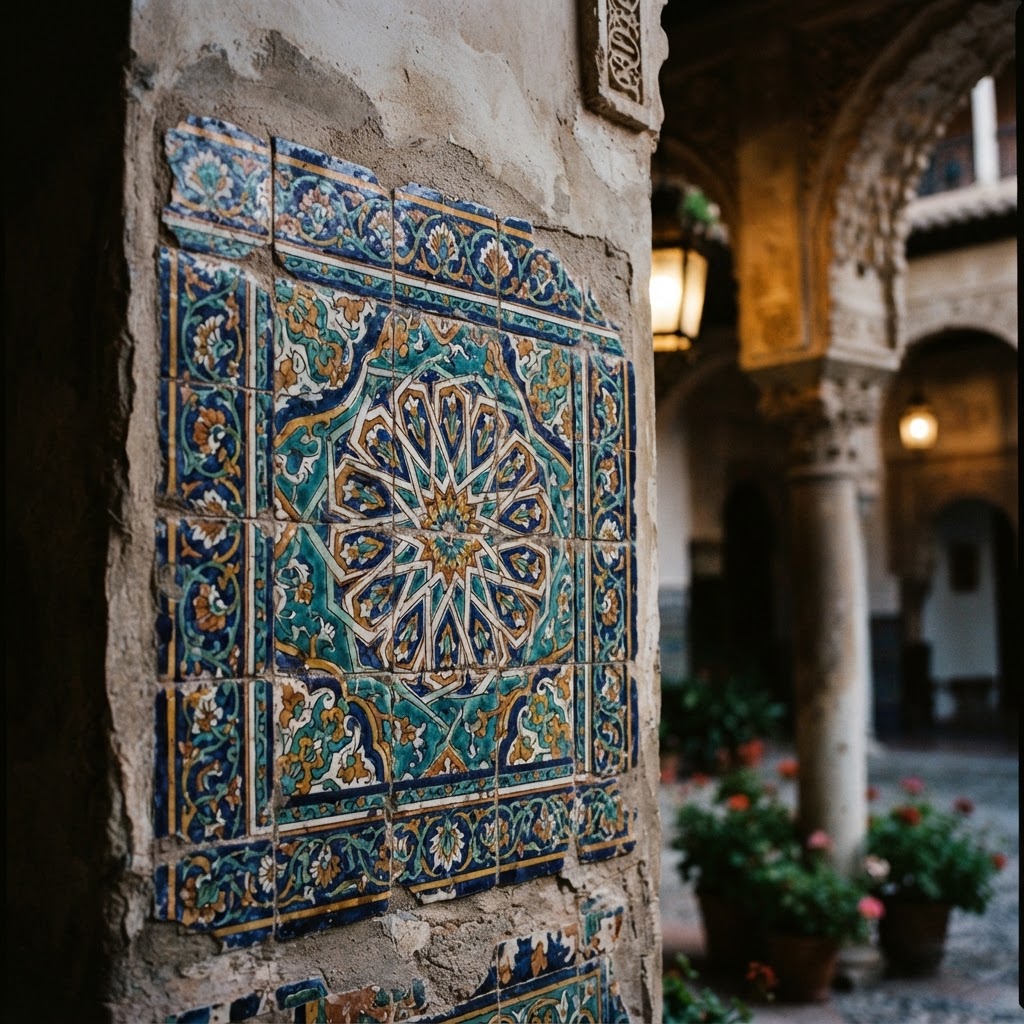
Seville is home to an incredible array of hidden palaces and noble houses that offer a glimpse into the aristocratic past of the city. While the Real Alcázar is a masterpiece, the Casa de Pilatos offers a more intimate experience. It is a stunning example of a 15th-century Andalusian palace with a mix of Mudéjar, Gothic, and Renaissance architecture. The tiles, known as ‘azulejos’, are some of the most intricate in the city.
Why Private Palaces Matter
These homes provide a narrative of Seville that the large monuments cannot. They show how noble families lived, the importance they placed on water features for cooling, and the influence of different cultural shifts on their private sanctuaries. Walking through the courtyards of these palaces allows you to appreciate the cooling design of traditional Moorish architecture without the shoulder-to-shoulder crowds.
Artistic Enclaves and Craftsmanship
The Triana neighborhood, located across the Guadalquivir River, was once the center of Seville’s ceramic industry and home to many flamenco artists. While it is more popular today than in the past, it remains a bastion of tradition. Many ceramic workshops still operate here, keeping the craft alive in the same way it has been for generations. It is the perfect place to buy hand-painted tiles as a souvenir rather than mass-produced trinkets.
The Triana Legacy
Walking the streets of Triana, especially near Calle Alfarería, gives you a window into the daily life of artisans. The pride the residents take in their neighborhood is evident in the colorful flower-filled balconies and the community-led street parties during local ‘ferias’. It is this spirit of community that defines Seville’s hidden heart.
Parks and Green Escapes
While the María Luisa Park is beautiful, it is not the only place to find greenery. The Jardines del Valle are a hidden treasure. These gardens are remnants of an old convent and offer a peaceful escape from the concrete jungle of the city center. It is an ideal spot to read a book, escape the midday heat, and observe the slow, deliberate pace of the city’s elders enjoying the afternoon shade.
Finding Peace in the City
For those who love history, these green spaces often contain remnants of old city walls or decorative ruins that tell stories of the city’s defense and expansion. They are often overlooked by travelers focused on ‘checking off’ major sights, making them perfect for those seeking tranquility. Spending time in these quiet pockets of the city is arguably the most relaxing thing to do in Seville.
Conclusion
The magic of Seville lies in its duality. There is the city that everyone sees, and there is the city that you discover when you take a wrong turn, talk to a local, or peek through a half-open door into a tiled courtyard. By stepping off the beaten path, you not only find unique locations but also gain a deeper respect for the traditions and lifestyle that make this city so special. I encourage you to set aside one full day of your trip to ignore your map, follow the scent of orange blossoms, and let the city reveal its own hidden gems to you. Have you explored beyond the Cathedral? Share your favorite secret corner of Seville in the comments below!
Leave a Reply