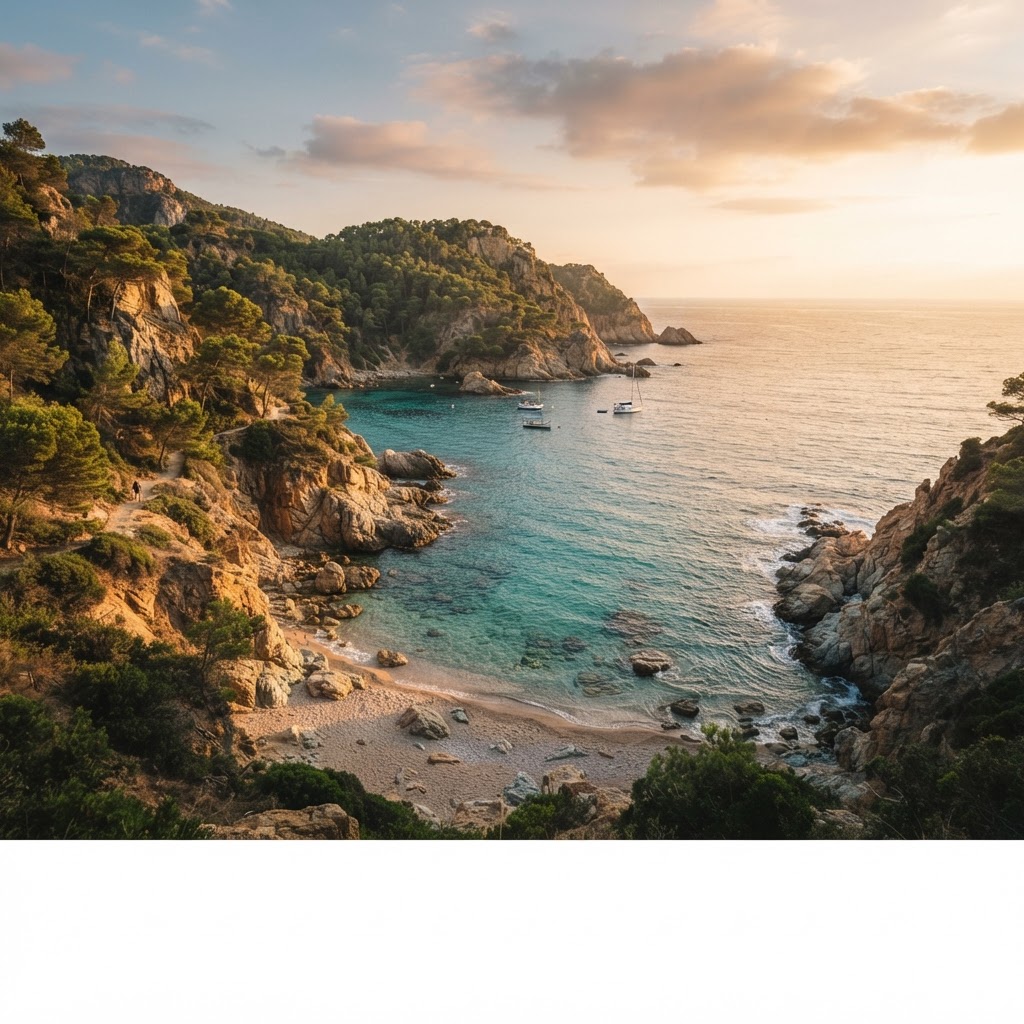
While many visitors flock to the high-energy resorts and neon-lit promenades of the Costa del Sol, there exists a much gentler, more authentic experience waiting along the Iberian Peninsula. The soft side of Spanish coastal towns is defined not by the volume of their nightlife, but by the whisper of the sea against limestone cliffs and the slow clatter of cutlery in a family-run tavern. This is a side of Spain that invites you to breathe, observe, and eventually, sync your heartbeat to the rhythm of the tides.
Discovering the Rhythm of Slow Travel
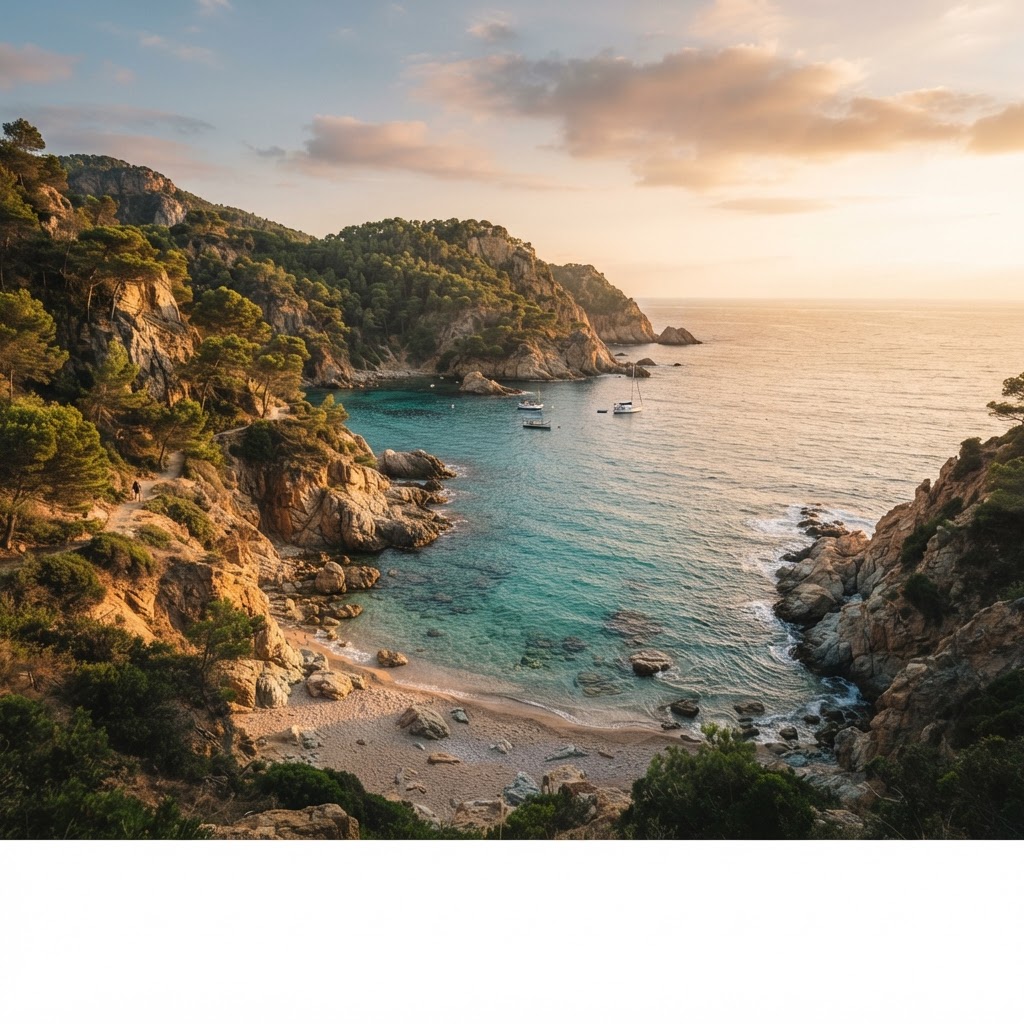
Slow travel is more than a trend; it is a philosophy that fits perfectly with the lifestyle found in smaller Spanish coastal villages. In these tucked-away corners, time seems to expand. Mornings are reserved for the ritual of a cafe con leche enjoyed while watching fishing boats return to harbor, and afternoons are surrendered to the sanctity of the siesta.
The Importance of Leaving the Main Roads
To find these gems, one must be willing to abandon the GPS routes that lead to the most popular tourist traps. The most charming villages are often found at the end of winding mountain roads or hidden behind headlands that prevent mass transit from reaching them easily. By slowing down, you allow yourself to stumble upon local markets, artisan workshops, and hidden plazas that aren’t marked on a map.
Unveiling the Hidden Gems of the Costa Brava
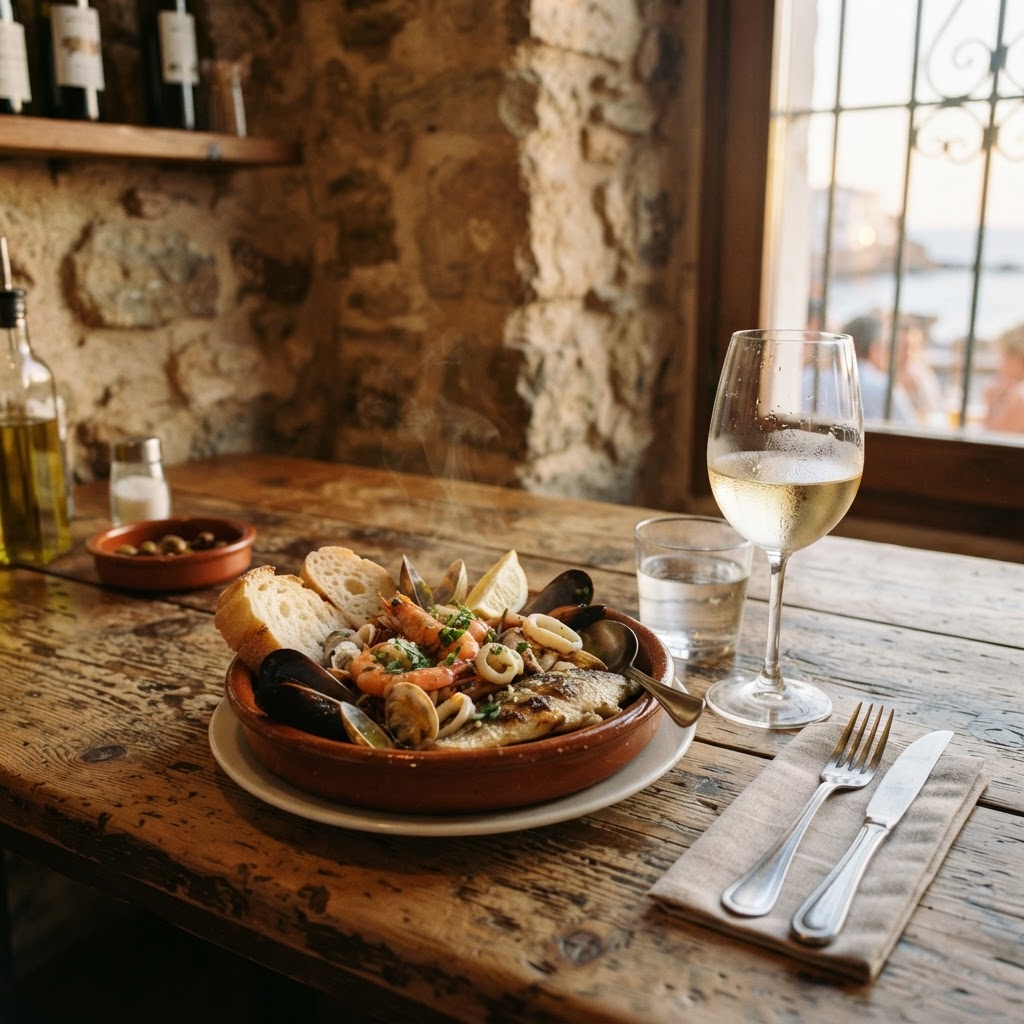
The Costa Brava is often associated with bustling hubs, but it also hides some of the most serene coastal pockets in Europe. Places like Begur and Calella de Palafrugell maintain an architectural integrity that feels frozen in time. Whitewashed walls adorned with vibrant bougainvillea frame narrow, steep streets that lead down to crystal-clear coves known as calas.
Why Calas Offer a Different Experience
Unlike wide, expansive sandy beaches, these intimate coves offer a private sanctuary. They are often sheltered by pine trees that reach down to the water’s edge, providing natural shade and a scent of resin that lingers in the air. These spots are perfect for those who prefer reading a book or snorkeling in protected waters over the intensity of a crowded beach club.
Embracing the Culinary Traditions of the Coast
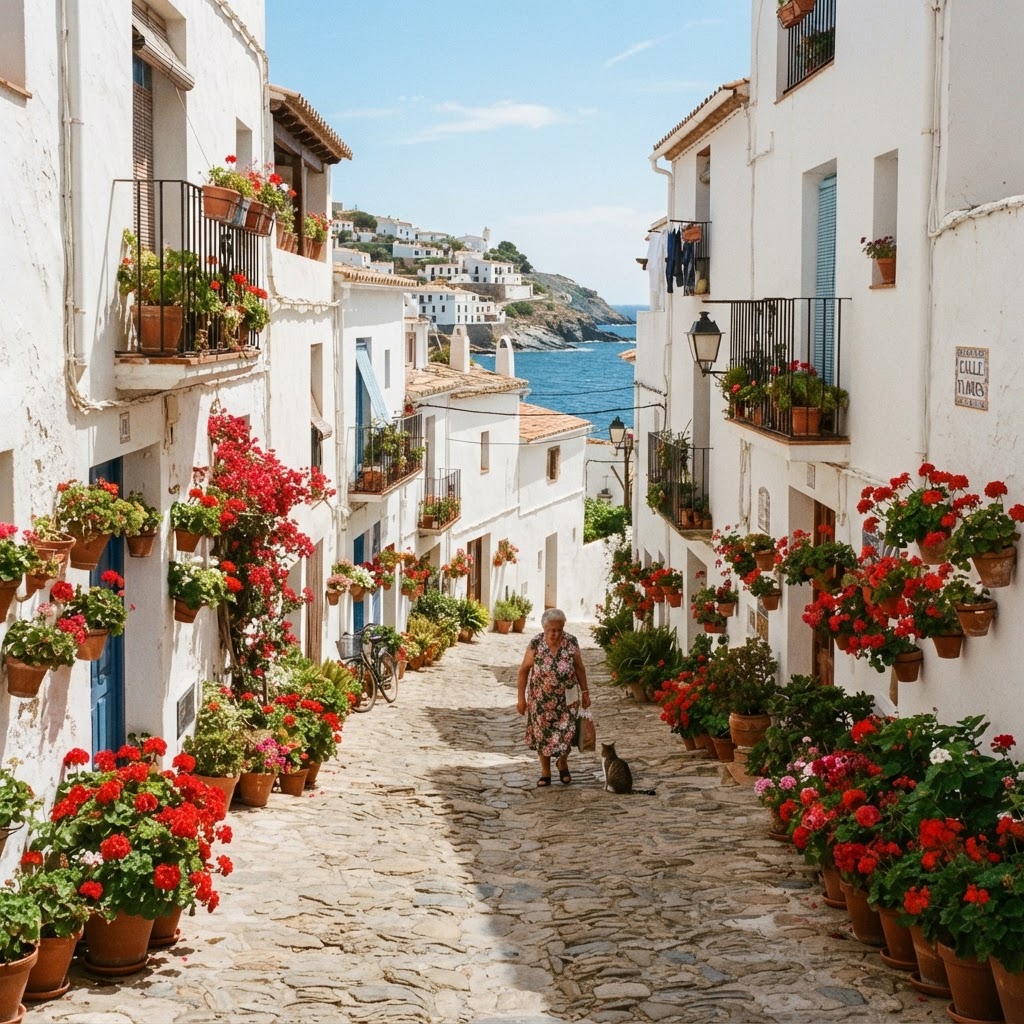
Food is the language of the Spanish coast. In these smaller, less-frequented towns, the culinary scene is dictated by the daily catch. You won’t find generic menus translated into five languages here. Instead, you will find chalkboard menus featuring whatever the local fishermen brought in that morning, prepared with a simplicity that honors the ingredient.
Local Specialties to Seek Out
- Suquet de Peix: A traditional fisherman’s stew rich with potatoes and local catch.
- Gambas de Palamós: World-renowned red prawns cooked with nothing more than sea salt.
- Esqueixada: A refreshing cold salad made with shredded salt cod, tomatoes, and olives.
The Architecture of Peace
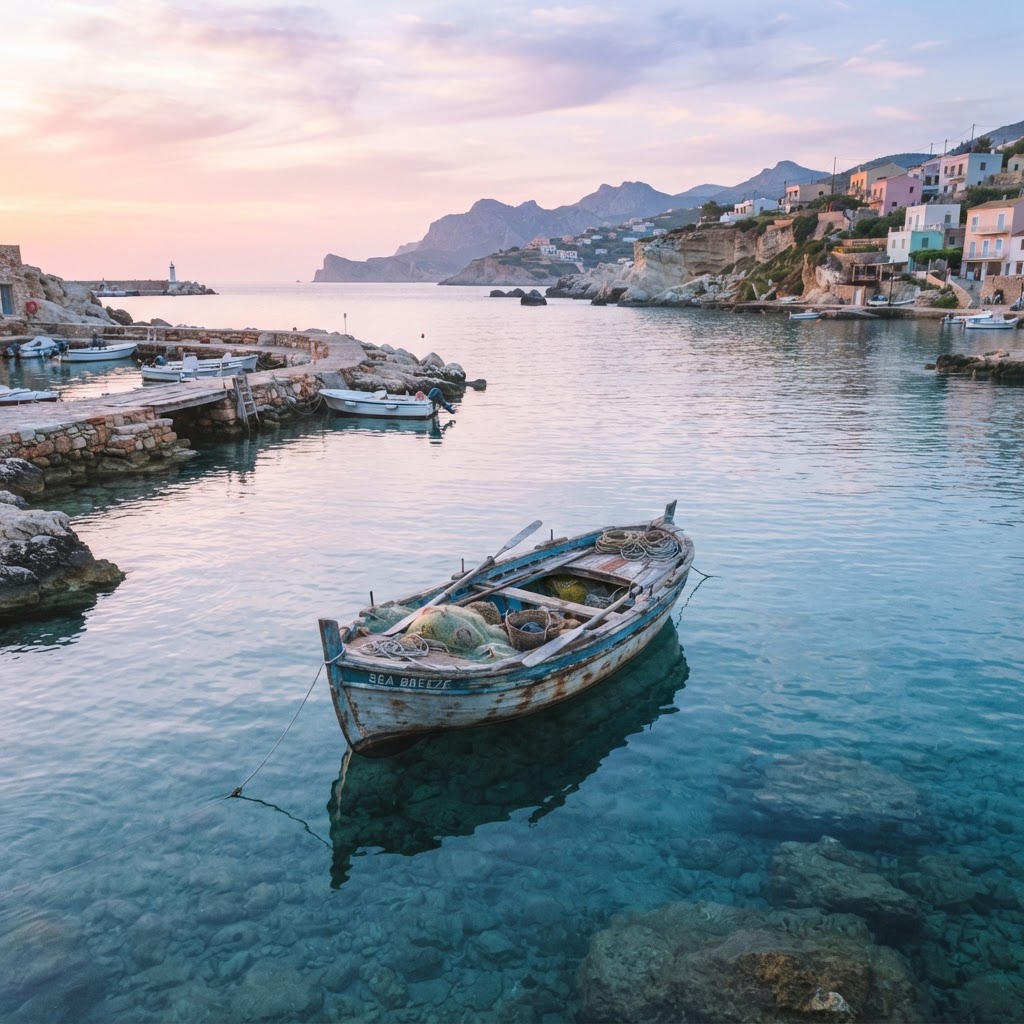
The physical landscape of these towns has been shaped by centuries of necessity and aesthetics. Defensive towers, remnants of a time when the coast needed protection from pirates, now serve as iconic landmarks that offer panoramic views of the Mediterranean. These structures anchor the village, providing a sense of history that contrasts beautifully with the ephemeral nature of the sea.
Balancing History and Modern Living
Many of these coastal towns have successfully balanced the preservation of their heritage with the needs of modern residents. You will see ancient stone cottages renovated with minimalist, modern interiors that allow the Mediterranean light to pour in. It is this marriage of the old and the new that creates such a welcoming atmosphere for travelers looking for more than just a hotel stay.
The Social Fabric: Community Over Commerce
One of the most defining characteristics of the soft side of Spanish coastal towns is the local community. Residents here are deeply connected to their environment and to one another. During the evening paseo—the traditional social stroll—you can observe generations of families walking the promenade, sharing news and enjoying the cool air.
Engaging with the Local Culture
If you take the time to learn a few words of the local dialect or simply acknowledge shopkeepers with a polite greeting, you will find the doors to authentic interaction open wide. These communities are not closed off; they are simply unhurried. They value connection over transactional exchanges, making even a short visit feel like becoming part of the fabric of the town.
Wildlife and Nature Conservation
The soft side of these coastal regions is also heavily reliant on the health of the surrounding ecosystem. Many of the most beautiful towns are bordered by protected marine parks or nature reserves. These areas are strictly managed to prevent overdevelopment, ensuring that the hiking paths along the cliffs remain pristine.
Walking the Camino de Ronda
For those who love to explore on foot, the Camino de Ronda is an essential experience. This ancient path historically connected coastal watchtowers, and today, it serves as a stunning trail that takes you through hidden bays and dramatic cliffside scenery. Walking this trail at sunrise provides a moment of absolute silence that is rarely found in today’s interconnected world.
Practical Tips for Your Journey
If you are planning to explore these tranquil shores, keep a few logistical tips in mind to preserve the peace you are looking for.
| Tip Category | Advice |
|————–|——–|
| Best Timing | Visit in late May, June, or September to avoid August crowds. |
| Transportation | Rent a small car to navigate narrow village streets with ease. |
| Packing | Bring comfortable walking shoes, a snorkel, and a reusable water bottle. |
| Connectivity | Expect some areas to have limited Wi-Fi, which is a blessing in disguise. |
Conclusion: A Call to Slow Down
Choosing to explore the soft side of Spanish coastal towns is an act of reclaiming your personal time. It is a decision to prioritize quiet beauty over loud entertainment and authentic connection over superficial convenience. Whether you are wandering through the white streets of a cliffside village or simply watching the sun dip into the sea, these places have a way of lingering in your memory long after you return home.
We encourage you to pack lightly and approach these villages with an open heart. Have you visited a hidden corner of Spain that changed your perspective on travel? Share your experiences with us in the comments below, or subscribe to our newsletter for more guides on finding peace in the world’s most beautiful destinations.
Leave a Reply