
Stepping into the lush, fragrant expanse of Sicilian lemon groves is akin to walking through a living painting where the golden hues of citrus meet the azure backdrop of the Mediterranean sky. For centuries, these terraced orchards have been the heartbeat of the island’s landscape, capturing the essence of the Italian sun within their bright, zesty fruits. As you wander beneath the canopy of verdant leaves and heavy branches, you quickly realize that these are not merely agricultural sites, but cultural monuments that define the very character of Sicily.
The History of Citrus in Sicily
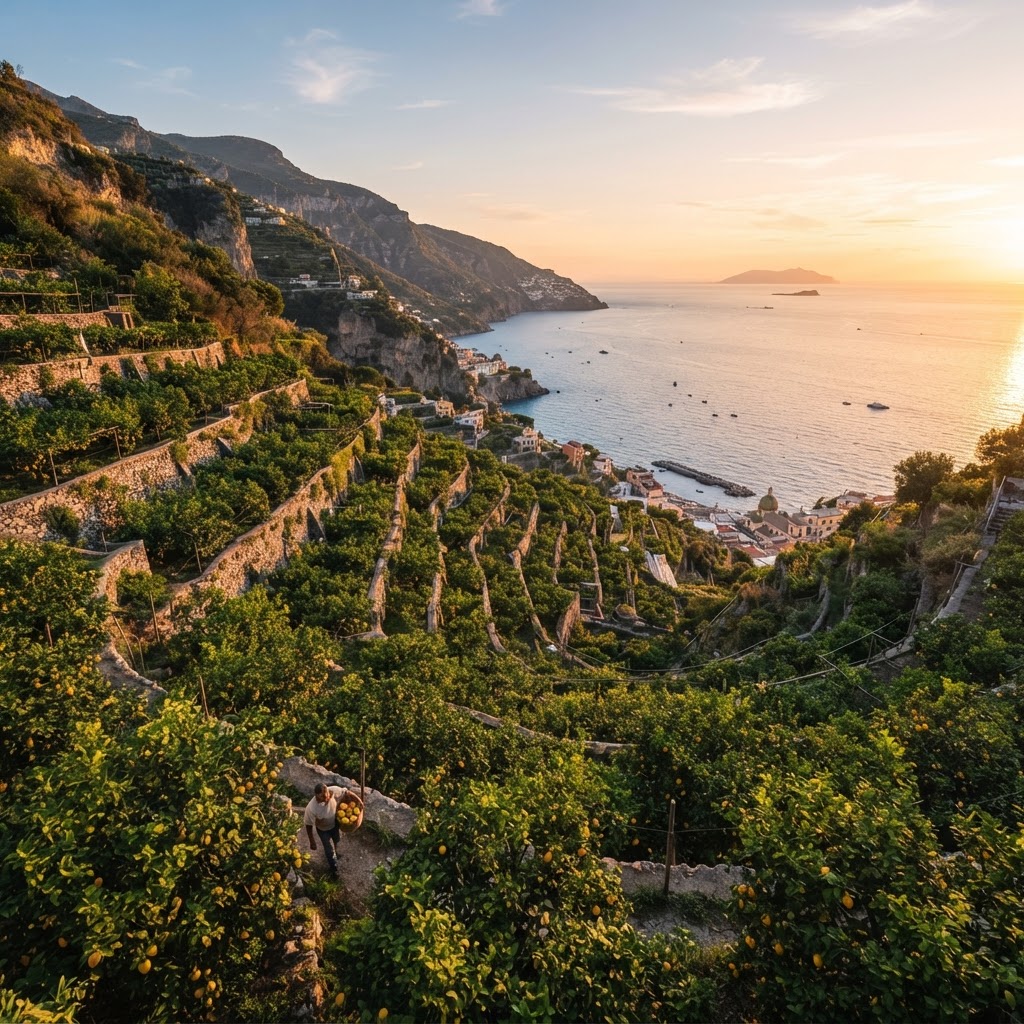
Citrus fruits were not always native to the Mediterranean, but Sicily’s unique microclimate provided the perfect sanctuary for their evolution. Arabs introduced lemon trees to the island in the 9th century, recognizing that the volcanic soil of Mount Etna and the mild winters created an ideal environment for citrus cultivation. What began as an experimental endeavor soon blossomed into a vital economic engine for the island, permanently altering the agricultural landscape.
Over the centuries, Sicilian farmers refined their techniques, moving from simple subsistence farming to large-scale production. The cultivation process became an art form, demanding deep knowledge of irrigation, grafting, and protection against the harsh Sirocco winds. Today, the heritage of these groves is preserved by multigenerational families who continue to treat every tree with the same reverence their ancestors showed a thousand years ago.
The Famous Femminello Lemon
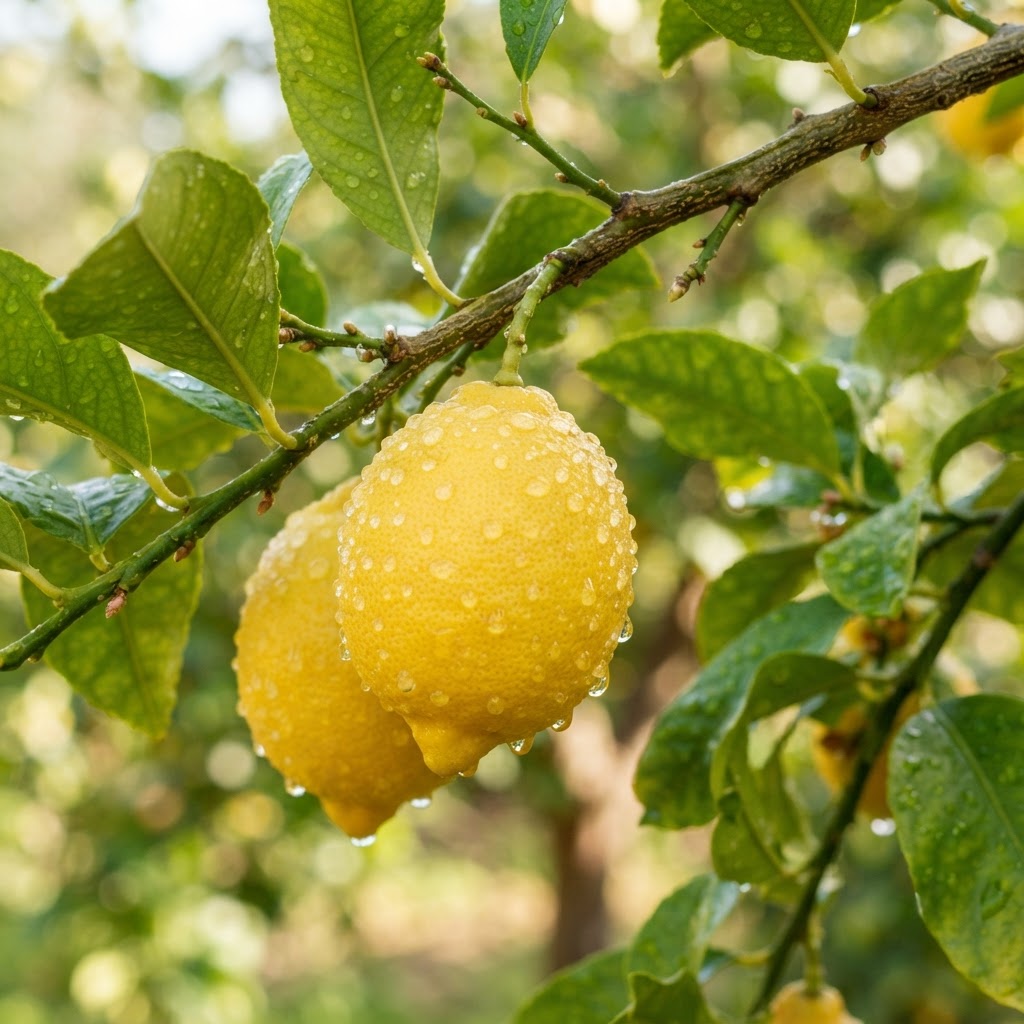
At the center of Sicily’s citrus fame lies the Femminello lemon, a variety celebrated for its high juice content and intensely aromatic peel. These lemons are not just ingredients in a kitchen; they are a symbol of resilience. The Femminello tree is known for its ability to produce fruit throughout the year, blooming multiple times across different seasons to ensure a steady supply of sunshine-infused harvest.
Why Femminello Lemons Stand Out
What makes the Femminello so distinct compared to commercial varieties found in global supermarkets? It comes down to the skin and the oil. The rind of these lemons is packed with potent essential oils that provide a sharp, clean fragrance that is unmistakable. When you squeeze a fresh Sicilian lemon, the acidity is perfectly balanced by a natural sweetness that reflects the mineral-rich soil of the volcanic hillsides.
Factors Influencing Flavor
- Volcanic Soil: The high mineral content of Etna’s ash enriches the trees, adding complexity to the fruit’s profile.
- Coastal Breezes: The salt-laden air acts as a natural purifier and flavor enhancer for the fruit skin.
- Traditional Pruning: Local methods focus on airflow, allowing maximum sunlight penetration to every lemon on the branch.
Farming Practices and Sustainability
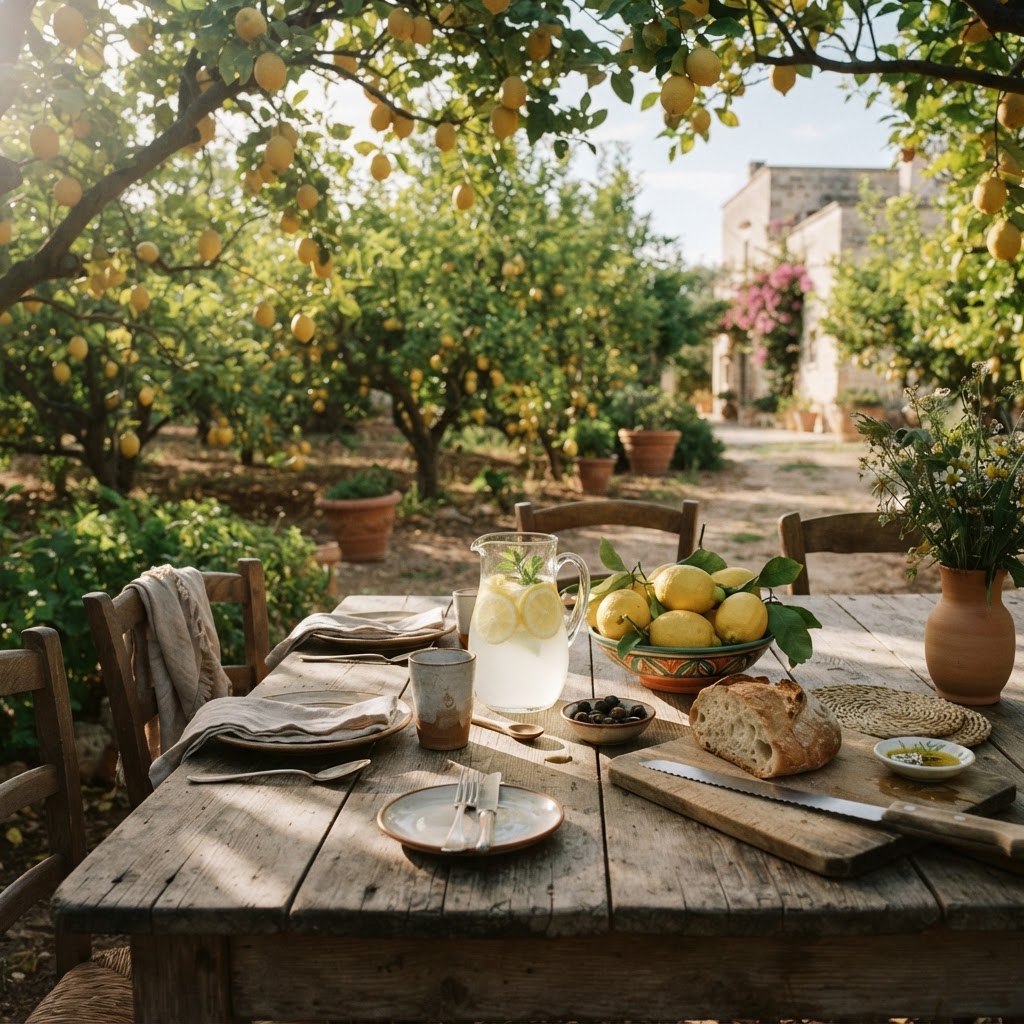
Sustainability in Sicilian lemon groves is not a modern trend but a practice of necessity that has been honed for centuries. Water management is the primary challenge on the island, leading farmers to develop sophisticated terracing systems that prevent soil erosion and maximize water retention. By utilizing rainwater collection and drip irrigation, these ancient groves prove that low-impact agriculture can be highly productive.
Many modern producers are now returning to organic certification, shunning synthetic fertilizers to maintain the health of the biodiversity that supports their groves. You will often find bees, wildflowers, and beneficial insects thriving between rows of trees, creating a balanced ecosystem. This holistic approach ensures that the soil remains productive for generations to come, preventing the depletion that plagues industrial monoculture farms elsewhere.
The Cultural Impact of the Harvest
For the people of Sicily, the lemon harvest is a season of community and celebration. It is a time when neighbors help one another gather the fruit, often accompanied by traditional folk songs and long communal lunches under the shade of the trees. The harvest reflects the spirit of the people: hardworking, passionate, and deeply connected to the rhythm of the seasons.
Beyond the harvest, lemons have seeped into every aspect of Sicilian life. From the iconic Limoncello liqueur served after dinner to the use of lemon juice in preserving fish and seasoning pasta, the fruit is the culinary bedrock of the region. Local artisans also use the lemon as a motif in ceramics and textiles, ensuring that the legacy of the grove is woven into the very fabric of Sicilian craftsmanship.
Tourism in the Lemon Groves
In recent years, the growing popularity of agro-tourism has invited visitors to experience the magic of Sicilian lemon groves firsthand. Travelers are increasingly drawn to immersive experiences, such as citrus-picking workshops, farm-to-table cooking classes, and educational tours through historical orchards. This tourism provides a vital secondary income for farmers, helping to keep small-scale operations viable in an increasingly globalized market.
Walking through a grove in the spring, when the blossoms (zagara) are in full bloom, is an olfactory experience like no other. The air is heavy with a sweet, floral perfume that signals the beginning of a new cycle of growth. Many estates now offer guided walks that explain the botany of the lemon tree while providing stunning views of the surrounding countryside, offering a serene escape from the bustle of city life.
Preparing Your Own Sicilian-Inspired Feast
Bringing the essence of Sicily into your own kitchen is easier than you might imagine. Because the quality of the lemon is so paramount, it is worth seeking out organic lemons with un-waxed peels. Whether you are zestng them for a risotto or preserving them for a tangy tagine, the quality of your ingredients dictates the outcome.
Consider trying these simple preparations to celebrate the flavor profile of the Mediterranean:
- Lemon Granita: A refreshing icy dessert made with freshly squeezed juice, water, and sugar.
- Preserved Lemons: Thinly sliced lemons cured in sea salt to use in salads and Mediterranean dishes.
- Lemon Zest Infused Olive Oil: A perfect dressing for fresh greens, capturing the aroma of the Sicilian breeze.
Challenges and Future Outlook
Despite their enduring charm, Sicilian lemon groves face significant modern challenges. Climate change, characterized by unpredictable rainfall and extreme heatwaves, threatens the delicate balance that these trees require. Furthermore, the rise of cheaper imports from other parts of the world puts pressure on local farmers to compete on price rather than quality.
However, there is hope in the movement toward Geographical Indication (GI) status. By protecting the “Sicilian Lemon” label, farmers are able to highlight the authenticity and superior quality of their product, justifying a premium price that sustains their way of life. By supporting these local growers, consumers play a vital role in preserving this agricultural heritage for future generations.
Conclusion
Sicilian lemon groves are more than just a source of fruit; they are vibrant, sun-drenched cathedrals of nature that tell the story of a resilient people and a fertile land. Whether you are planning a trip to walk these rows yourself or simply enjoying a slice of lemon in your afternoon tea, remember the journey that the fruit has taken from the volcanic hills to your hands. We encourage you to support small-scale, sustainable farmers who work tirelessly to maintain this beautiful tradition. Book your visit to a Sicilian farm today or seek out authentic Sicilian lemons at your local market to taste the sunshine for yourself.
Leave a Reply