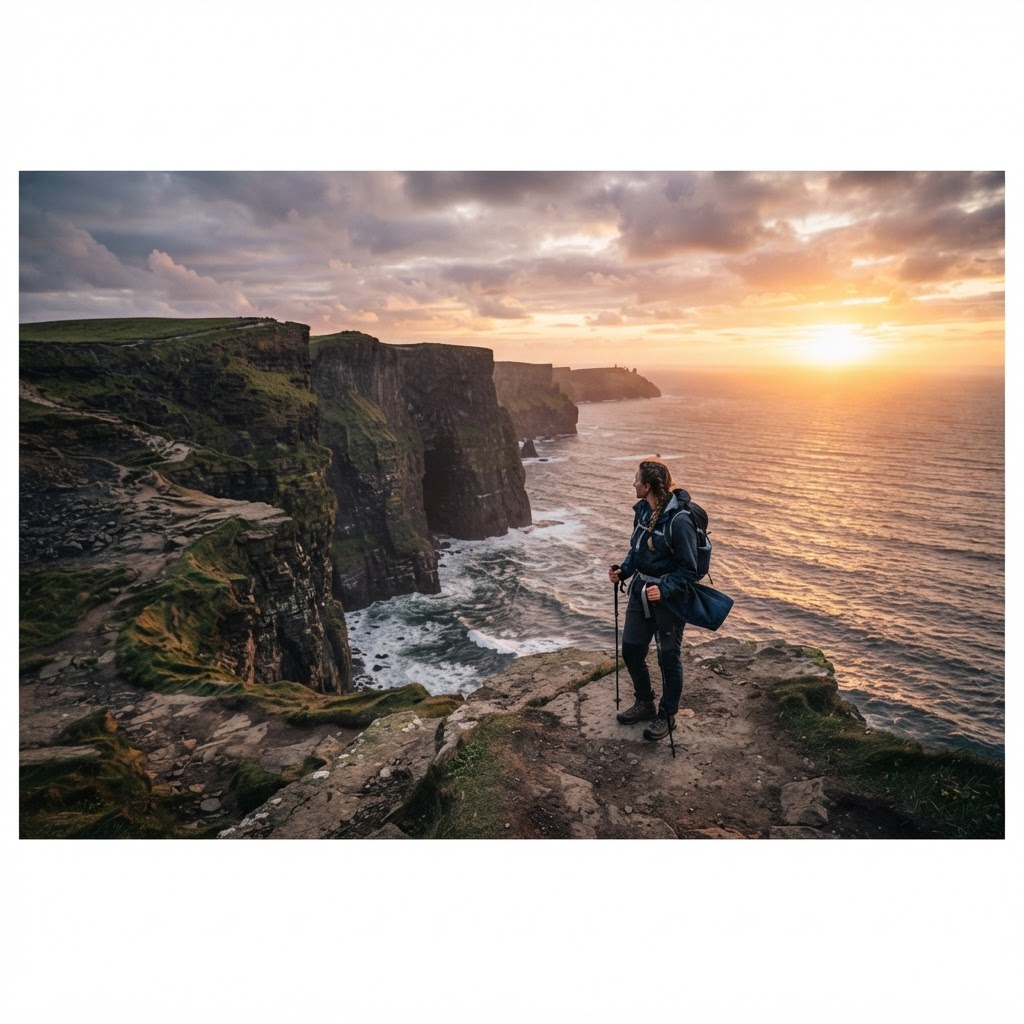
Learning how to hike Ireland’s Wild Atlantic Way requires careful planning, robust gear, and a deep respect for the unpredictable Atlantic climate. By focusing on marked sections like the Kerry Way or the Dingle Way, trekkers can experience the best of Ireland’s coastal trekking while maintaining safety through proper trail navigation and utilizing local transport to link the most scenic segments of this massive 2,500km route.
Understanding the Wild Atlantic Way Geography
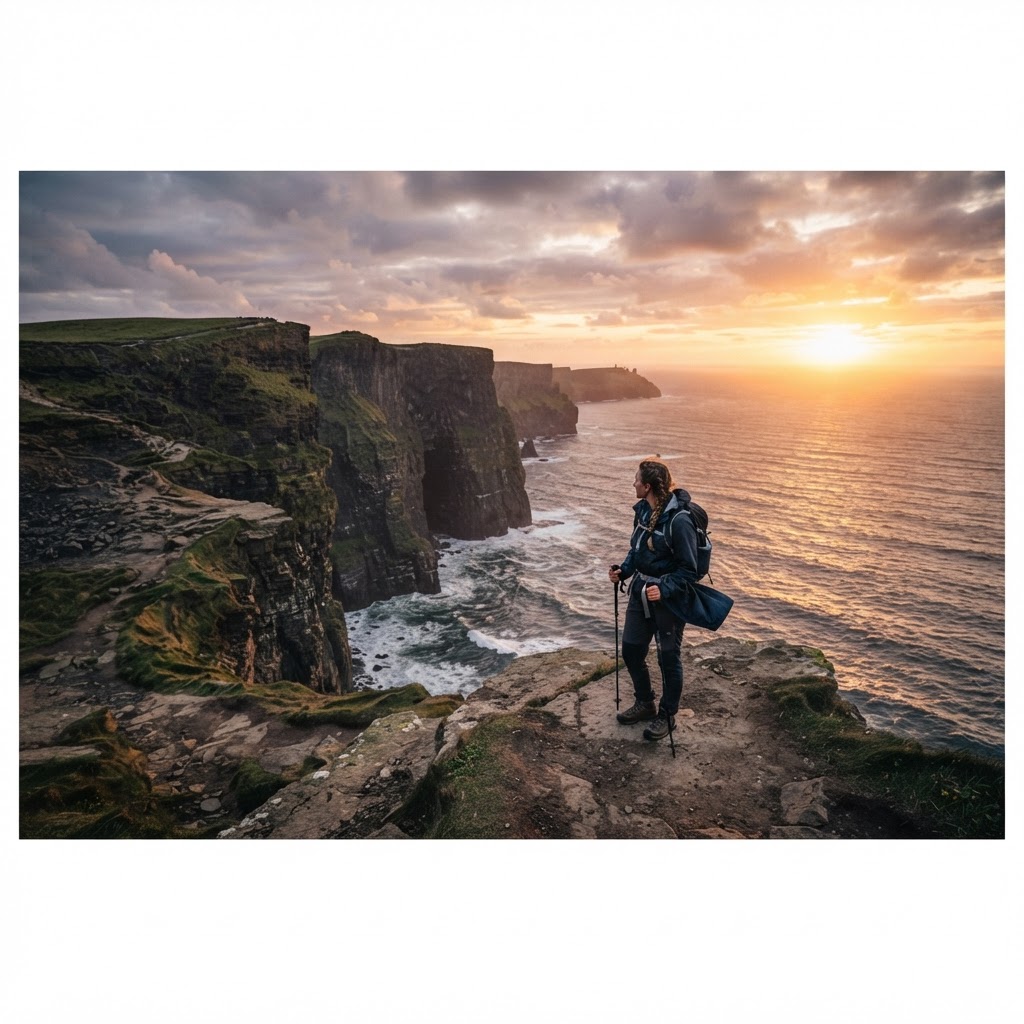
The Wild Atlantic Way is not a singular footpath, but a 2,500km driving route that encompasses thousands of miles of smaller, historic, and rugged coastal paths. Understanding how to hike Ireland’s Wild Atlantic Way involves viewing it as a mosaic of regional trails rather than one continuous Appalachian-style track. Most experienced hikers choose to focus on established “Ways” that run adjacent to the coast, such as the Wicklow Way’s western cousins or the dramatic cliffs found in County Clare. The terrain varies from soft, boggy peatlands to sheer sea cliffs and sandy beaches, necessitating a versatile approach to footwear and gear selection.
Essential Gear for Coastal Conditions
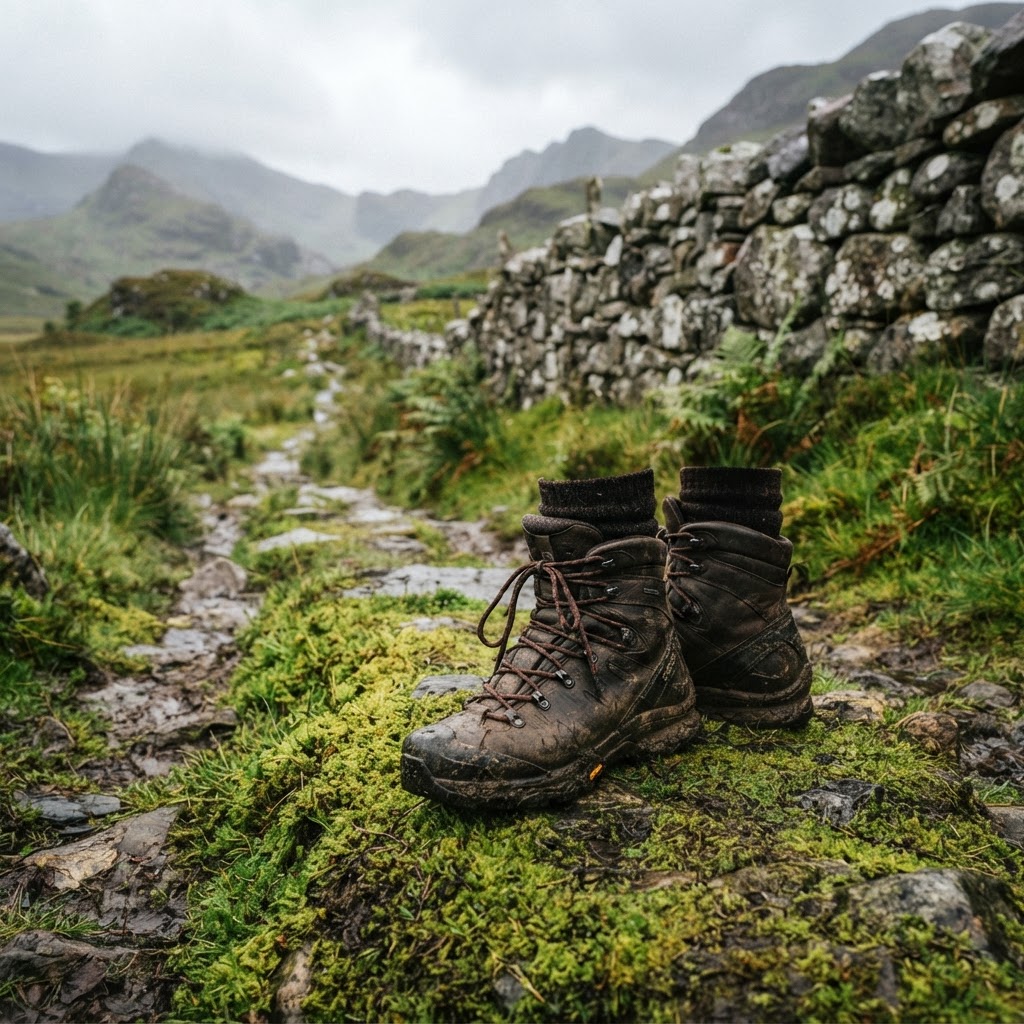
Choosing the right gear is critical because weather on the west coast of Ireland can change from brilliant sunshine to driving rain in minutes. When planning your coastal trekking adventure, prioritize a high-quality three-layer system: a moisture-wicking base layer, a breathable insulating mid-layer, and a fully waterproof, wind-resistant outer shell. Because the ground in Ireland is frequently saturated, waterproof hiking boots with excellent ankle support are non-negotiable. Furthermore, carrying a physical Ordnance Survey map and a reliable compass is mandatory, as mobile GPS signals can be unreliable in deep glens and remote coastal headlands.
Top Trails for Every Skill Level
Ireland offers a diverse range of trails, from gentle seaside strolls to challenging mountain climbs that define the best hiking trails Ireland has to offer. For those new to long distance walking Ireland, the Dingle Way offers a perfect mix of cultural richness and manageable daily distances with plenty of village stops. For the seasoned hiker, the Slieve League cliffs in Donegal provide an exhilarating experience, often cited as some of the highest and most spectacular sea cliffs in Europe. Below is a comparison table to help you decide which region best suits your fitness level and preferred landscape type.
Logistics and Trail Planning
Successful coastal trail planning depends heavily on managing your “last mile” logistics, such as finding accommodation and arranging transfers. Unlike more developed European trails, many parts of the Wild Atlantic Way lack a continuous chain of hostels or campsites, making it essential to book your overnight stays months in advance if hiking during the peak summer months. Utilize local bus services like Bus Éireann to skip less interesting road sections, allowing you to spend more time on the rugged, off-road coastal paths that make this journey truly unforgettable.
Navigating Rural Ireland
When moving between trailheads, remember that rural road walking is common in Ireland. Always walk on the right side of the road facing oncoming traffic. Local farmers are generally welcoming, but always follow the principles of Leave No Trace by closing gates behind you and avoiding sensitive livestock areas during lambing season.
Safety Protocols and Emergency Preparedness
Prioritizing hiking safety Ireland means being prepared for isolation and rapid environmental shifts. Before setting out each morning, check the local marine weather forecast, as coastal winds and tides dictate the safety of beach and cliff walks. Always carry a fully charged power bank, a dedicated first aid kit, and an emergency whistle. If you find yourself in distress, the emergency number in Ireland is 999 or 112, which connects you to the Mountain Rescue services.
FAQ
Is it possible to hike the entire 2,500km route?
While technically possible, it is not a singular trail, so you would be walking on a mix of public roads, private farmland, and designated paths. Most hikers prefer choosing specific regional sections.
What is the best month for weather?
May and September offer the most stable weather, fewer crowds, and longer daylight hours compared to the mid-summer peak.
Do I need a professional guide?
For remote mountain sections or the Slieve League cliffs, a guide is highly recommended for navigation and safety, though well-marked ways like the Dingle Way are self-navigable.
How should I handle boggy ground?
Wear gaiters to keep mud out of your boots and look for “sheep tracks” or firmer, elevated ground to avoid getting stuck in deep peat.
Conclusion
Learning how to hike Ireland’s Wild Atlantic Way is a rewarding challenge that connects you deeply with the raw power of the Atlantic Ocean. By respecting the weather, preparing your gear, and choosing the trails that align with your experience, you will enjoy a world-class adventure. Whether you are walking through the historic landscapes of Kerry or the rugged cliffs of Donegal, the experiences found along this coastline remain unmatched in their beauty and wild spirit.
Leave a Reply