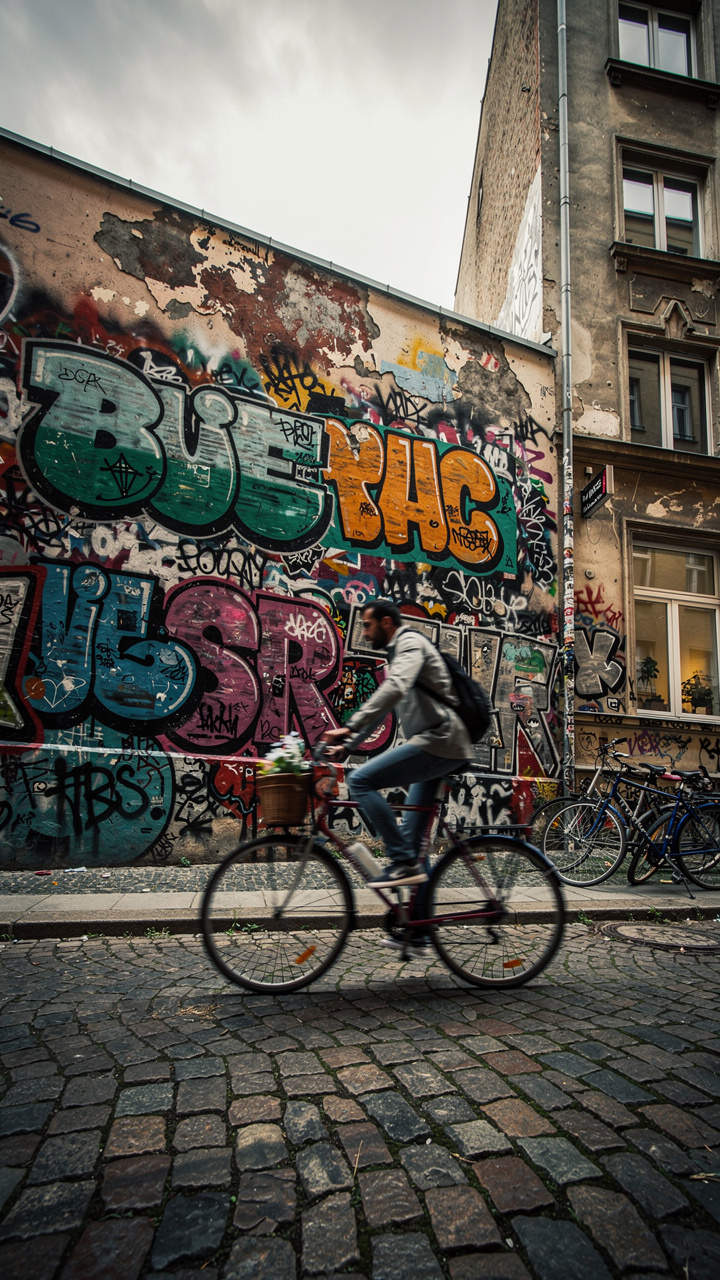
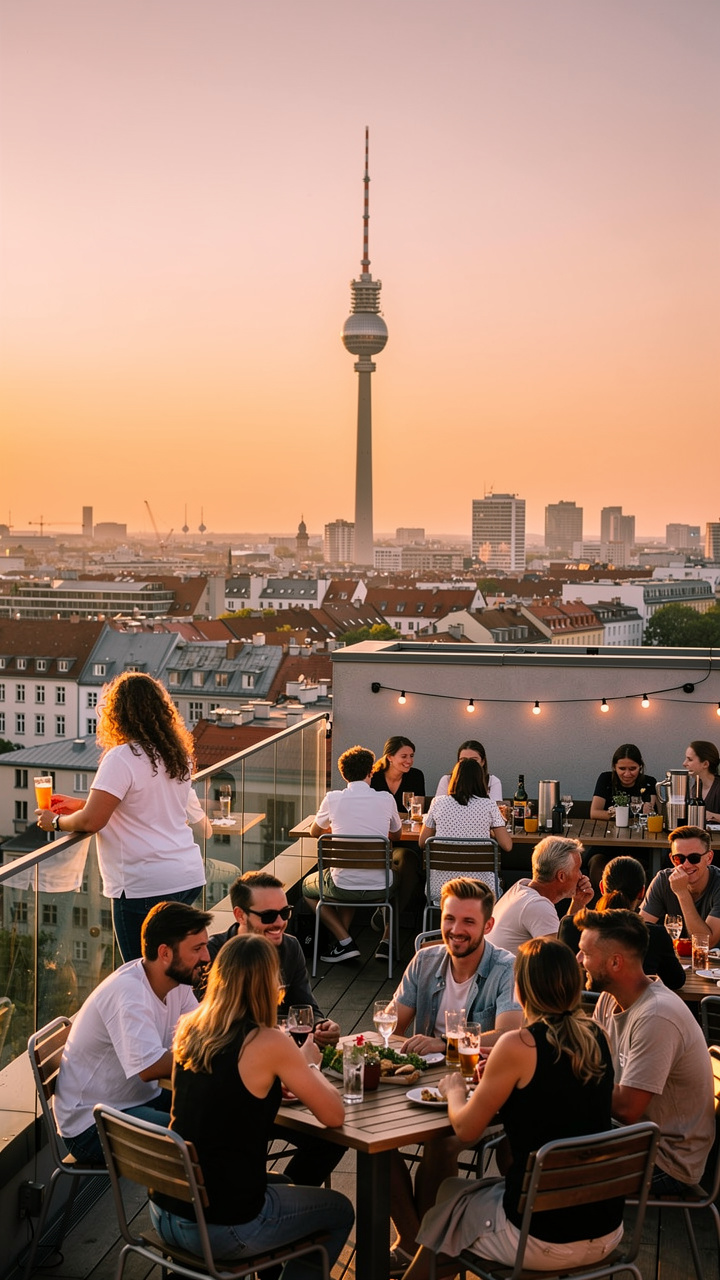
Berlin is not overrated, but it is deeply misunderstood by travelers expecting the polished elegance of Western European capitals. It is a gritty, raw, and history-heavy city that rewards those who look past its unfinished surface. If you appreciate urban energy, complex historical layers, and a non-traditional aesthetic, you will find Berlin to be an exhilarating destination rather than a tourist trap.
Understanding the Berlin Aesthetic
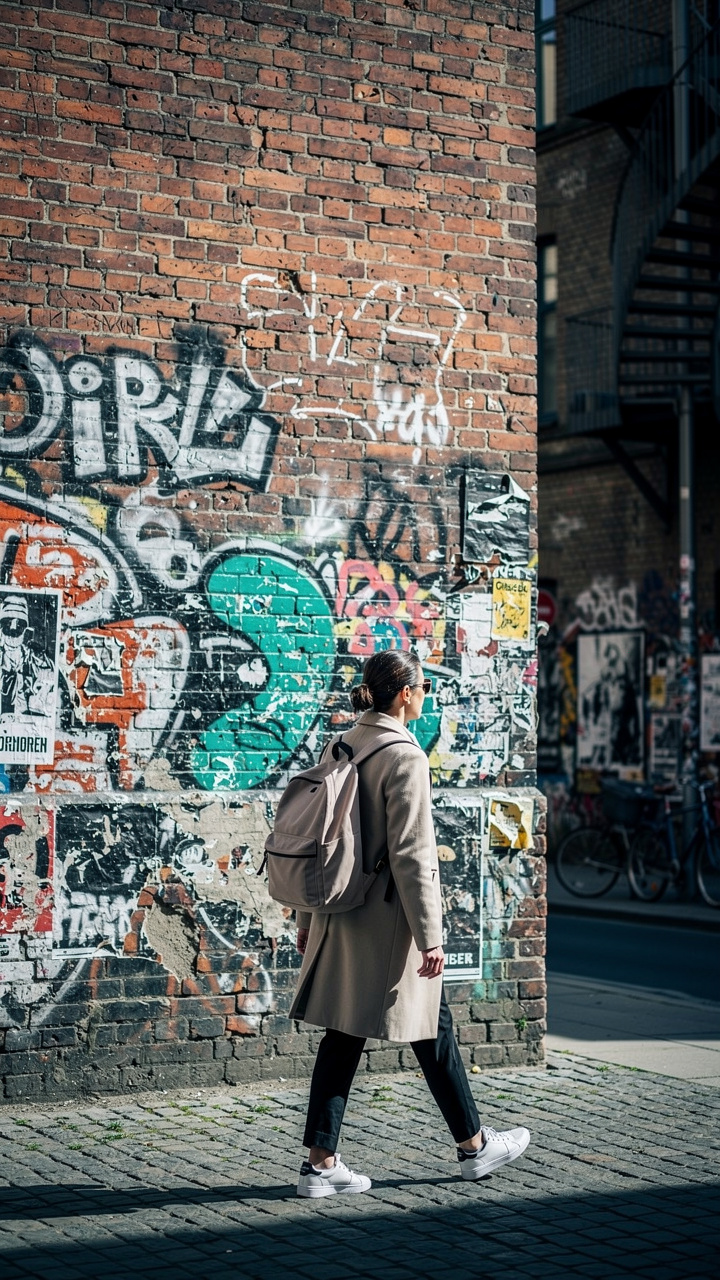
Many travelers arrive in Berlin expecting a pristine European capital, but they are quickly met with an unfinished, industrial landscape. The city does not offer the postcard-perfect views found in places like Rome or Vienna. Instead, its beauty exists in the cracks, the graffiti-covered walls, and the raw history that remains visible on every corner. You are walking through a city that has been destroyed, divided, and rebuilt with a stubborn, rebellious spirit.
Do not come here expecting classic grandeur. Come expecting a mosaic of subcultures and a relentless energy that permeates its neighborhoods. The ‘unfinished’ look is not a flaw; it is the core of Berlin’s identity. It represents a city that prioritizes function, art, and modern expression over old-world aesthetics. Understanding this distinction is the first step in avoiding disappointment during your trip. The city’s architecture is a narrative of resilience, showing layers of Prussian history mixed with brutalist structures and modern creative intervention. If you look closely, you will see how the city actively preserves the tension between its fractured past and its vibrant, modern artistic soul. Embracing this gritty reality allows you to appreciate the depth of Berlin, turning a potentially confusing urban maze into a fascinating historical landscape that demands your active engagement.
Avoiding Popular Tourist Traps
Most tourists spend their first two days circulating through Checkpoint Charlie and the Brandenburg Gate. These locations are undeniably significant to world history, but they are frequently swamped with massive, slow-moving crowds that make navigation frustrating. Instead of spending your time pushing through shoulder-to-shoulder groups, look for deeper historical experiences.
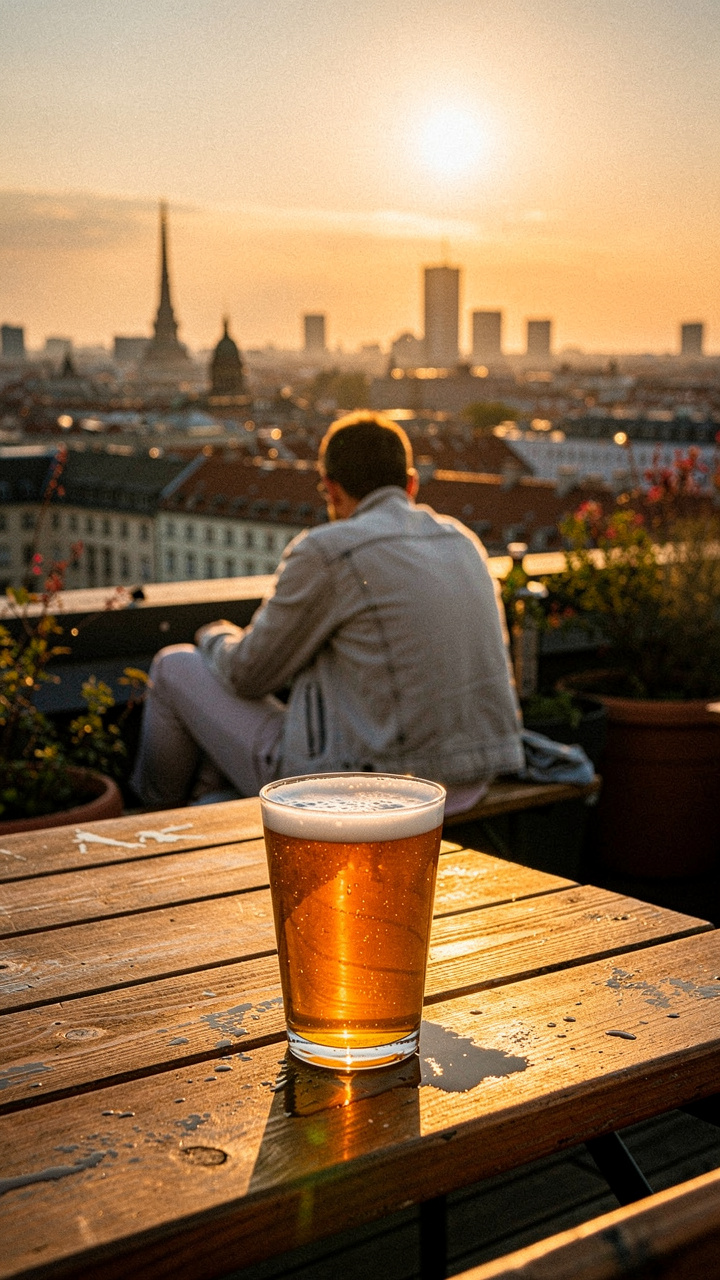
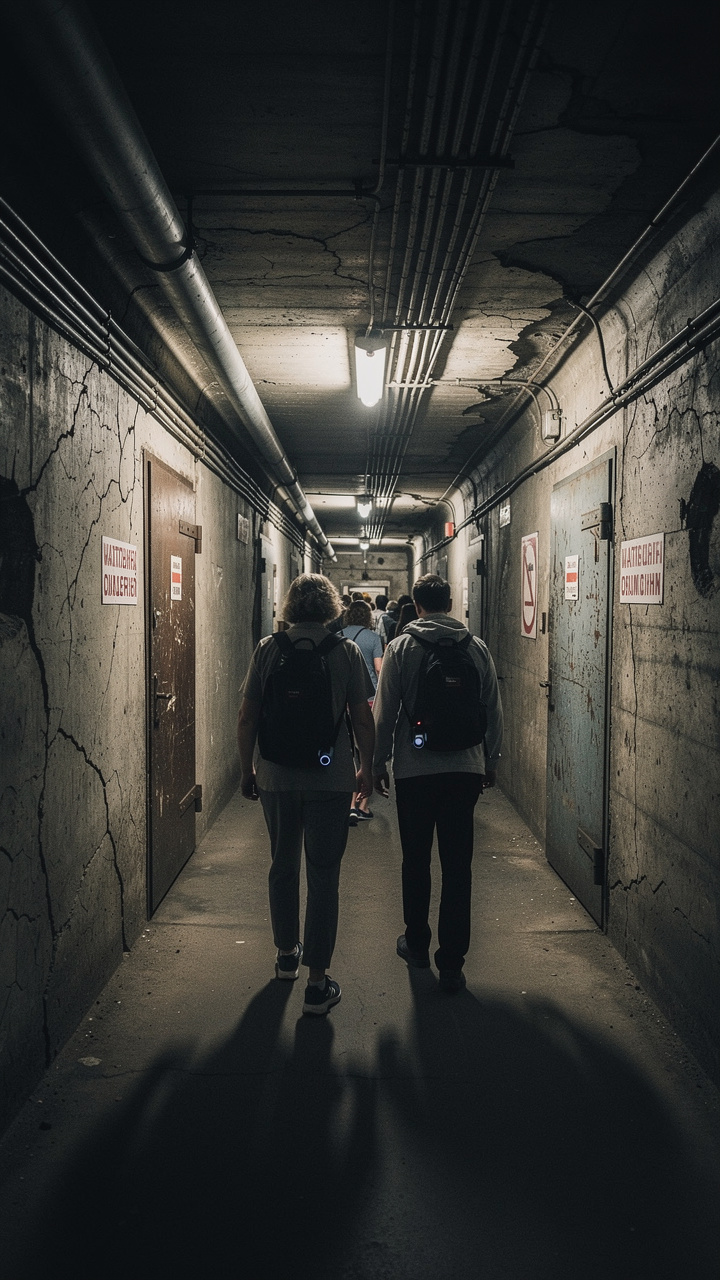
For a truly immersive historical encounter, seek out the Berlin Underworlds Association. They offer guided tours through original Cold War-era bunkers and subterranean tunnels that were hidden from the public eye for decades. This experience provides a visceral understanding of the city’s past that no museum placard or crowded monument can replicate. Also, bypass the overpriced observation decks in the center. Head instead to Klunkerkranich in Neukölln. This repurposed parking garage turned rooftop bar provides the best panoramic view of the skyline. You get the same expansive vista for the price of a local beer, costing roughly 5 Euros. It is exactly where local residents gather during summer evenings, offering a stark contrast to the commercialized bars found in the Mitte district. By avoiding the most heavily marketed spots, you reclaim your time and get closer to the genuine, lived-in experience of Berlin’s local residents.
Navigating Neighborhoods and Transport
Berlin is massive, and trying to see the entire city in a three-day window is the fastest way to burn yourself out. Public transportation is highly efficient and reliable, but it can be overwhelming for first-time visitors due to the scale of the U-Bahn and S-Bahn networks. Instead of zig-zagging across the city, focus your attention on one distinct neighborhood at a time.
Dedicate a full day to exploring Kreuzberg. This area is essential for appreciating the city’s unique street art scene and diverse street food culture. Spend another day in Wedding, where you will find authentic multicultural markets and affordable food stalls that represent modern life better than central tourist zones. When using the train, always validate your ticket if required, and avoid blocking the doors. Berliners rely on the transit system to get to work on time; they have little patience for tourists who stand in the way of efficiency. By focusing on one district per day, you reduce travel stress and allow yourself enough time to actually sit, eat, and absorb the atmosphere of these unique pockets of the city. Use the BVG app for real-time tracking, but don’t be afraid to walk between neighborhoods if the weather permits, as Berlin’s street-level transitions between districts are often as interesting as the destination itself.
The Necessity of Physical Cash
A common mistake visitors make is relying exclusively on digital payments. While many larger retailers and hotels accept credit cards, Germany remains a country that heavily values physical currency. You will constantly encounter ‘cash only’ signs at independent cafes, small kiosks, local bars, and various flea market stalls. If you do not carry cash, you will find yourself frantically searching for an ATM while your coffee gets cold or your opportunity to buy a unique item passes.
Always keep at least 50 Euros in a mix of coins and small bills in your wallet at all times. Carrying large 100 or 200 Euro notes is also discouraged, as many small vendors will not have the change to break them. Embracing the cash-first culture is not just a necessity; it is a way to blend in with the local flow. It shows you understand how the city operates on a day-to-day basis. Relying on cards in these small, local spots is a quick way to be identified as an outsider who failed to prepare for the local reality. Keep a dedicated coin purse, as you will accumulate small change quickly, and many public restrooms or kiosks rely entirely on these coins for small, essential transactions throughout your busy day of urban exploration.
Clubbing and Local Dress Codes
If your travel plans involve testing the city’s legendary nightlife, leave your flashy designer brands at the hotel. Berlin’s world-famous techno scene, including iconic clubs like Berghain or Tresor, operates with a strict, mysterious door policy. Bouncers are not looking for people trying to impress them with expensive clothing; they are looking for people who appear to be part of the local scene.
Wear comfortable, dark clothing and keep your overall look understated. You should appear as though you are there for the music and the atmosphere, not to be seen. Avoid wearing high-end labels or overly formal ‘night-out’ attire. If you look like you are trying too hard, you are much more likely to be turned away. Additionally, be prepared to wait in line for a long time, and stay quiet while in the queue. The door staff values the vibe of the club above all else. Dress for a long, intense night of dancing rather than a fashion show. The goal is to blend into the darkness, not to stand out against it. Understand that clubs here are viewed as safe spaces for expression, not status symbols; your internal attitude towards the music and community matters far more than the brand on your shirt.
Decoding the Berliner Personality
The myth that Berliners are rude to foreigners is persistent, but it misses the truth of the culture. Locals are not cold; they are simply busy, direct, and incredibly efficient. They have no time for idle small talk, especially when you are standing in the middle of a busy bike lane. Step out of the cycle lanes immediately and stop walking if you need to check your phone or consult a map.
If you ask a question, you will receive a direct, honest answer. Do not interpret this efficiency as hostility. It is simply how the city moves. Respecting their personal space and time is the best way to get along. If you are struggling with something, most Berliners are more than willing to assist as long as you are polite and to the point. Always acknowledge your surroundings and avoid loud, disruptive behavior in quiet residential areas. By matching the pace and direct communication style of the city, you will find that Berliners are surprisingly helpful and respectful of those who observe basic urban etiquette. It is a culture built on mutual respect for public space and personal freedom, so keep your interactions short, clear, and focused on the task at hand.
Mastering the Sunday Market Scene
Sunday in Berlin is an experience all on its own. While most retail shops are closed by law, the city comes alive in the form of flea markets and public gatherings. If you spend your Sunday confined to your hotel room, you are missing one of the most vibrant aspects of local life. The markets are where the city’s creative output becomes visible to the public.
Head to the Mauerpark flea market for a classic experience involving vintage clothing, local records, and street food. It is packed, loud, and quintessentially Berlin. For a more relaxed atmosphere, explore the markets in Boxhagener Platz. You can find everything from handmade jewelry to antiques. These spots are not just for shopping; they are for socializing. Grab a coffee, sit on a bench, and watch the city take a collective breath after a busy week. Participating in the Sunday culture is the best way to see the human side of the city. It connects you with the community in a way that museums cannot. Bring your cash, be prepared for crowds, and enjoy the slow, unhurried pace that characterizes a true Berlin Sunday, where the goal is to discover local treasures and enjoy the unique social fabric that makes this city so deeply compelling to those who live here.
Commonly Asked Questions
Is Berlin safe for solo travelers?
Yes, Berlin is generally very safe for solo travelers. Like any major city, exercise normal caution in crowded transit hubs and at night, but you will find the city welcoming to those navigating on their own.
What is the best time of year to visit?
Late spring and early autumn are ideal for pleasant weather and outdoor activities. Summer offers the best nightlife and street market atmosphere, while winter provides a unique, moody charm if you don’t mind the cold.
Do I need to speak German to get around?
You can easily get by with English, as it is widely spoken in the service industry and by younger locals. However, learning a few basic phrases like ‘Guten Tag’ and ‘Danke’ is always appreciated.
How much cash should I carry daily?
Aim for about 50 Euros in a mix of coins and small bills. This covers most small purchases at cafes, kiosks, and markets where cards might not be accepted.
What is the dress code for most bars and clubs?
Most places are casual and prioritize comfort. For exclusive clubs, opt for dark, understated, and non-flashy clothing to avoid standing out to the door staff.
Leave a Reply