My Reality Check:
Yes, traveling through Germany on $100 a day is entirely possible and practical if you prioritize strategic booking and local habits. By utilizing the Deutschland-Ticket for regional transit, shopping at budget grocers like Aldi, and booking high-speed rail tickets weeks in advance, you can comfortably cover lodging, food, and sightseeing without sacrificing your experience.
The Cost Breakdown (Daily Average)
Strategies for Cheap Rail Travel
Navigating the Deutsche Bahn (DB) system effectively is the single most important factor in keeping your German travel budget under control. Buying tickets at the station is a major mistake; instead, you should always use the DB Navigator app to purchase ‘Super Sparpreis’ tickets at least two weeks in advance. This proactive approach can secure savings of up to 60% on high-speed ICE routes. For instance, a ticket from Munich to Hamburg that costs $110 on the day of travel can often be found for $29 if booked early.
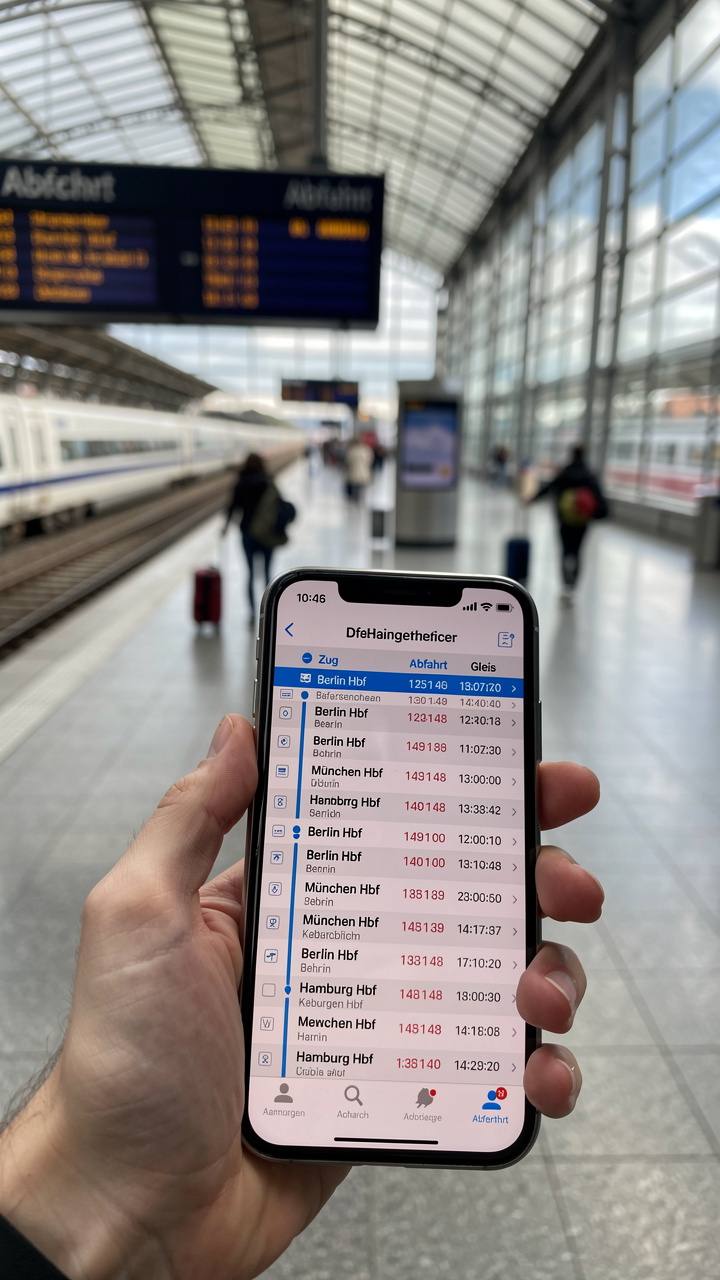
For frequent travelers, the $49 monthly Deutschland-Ticket is a transformative investment. It grants unlimited access to all local and regional transport across the entire country, including buses, trams, and regional trains (RE/RB). While you must remember to cancel your subscription to avoid recurring charges, the utility it provides for hopping between cities and exploring smaller villages is unmatched. Avoid using regional trains for long-distance travel without a day pass, as the lack of flexibility and higher costs can quickly deplete your daily budget. Always prioritize early-bird booking for long hauls and utilize the monthly regional pass for everything else.
Eating Like a Local to Save Money
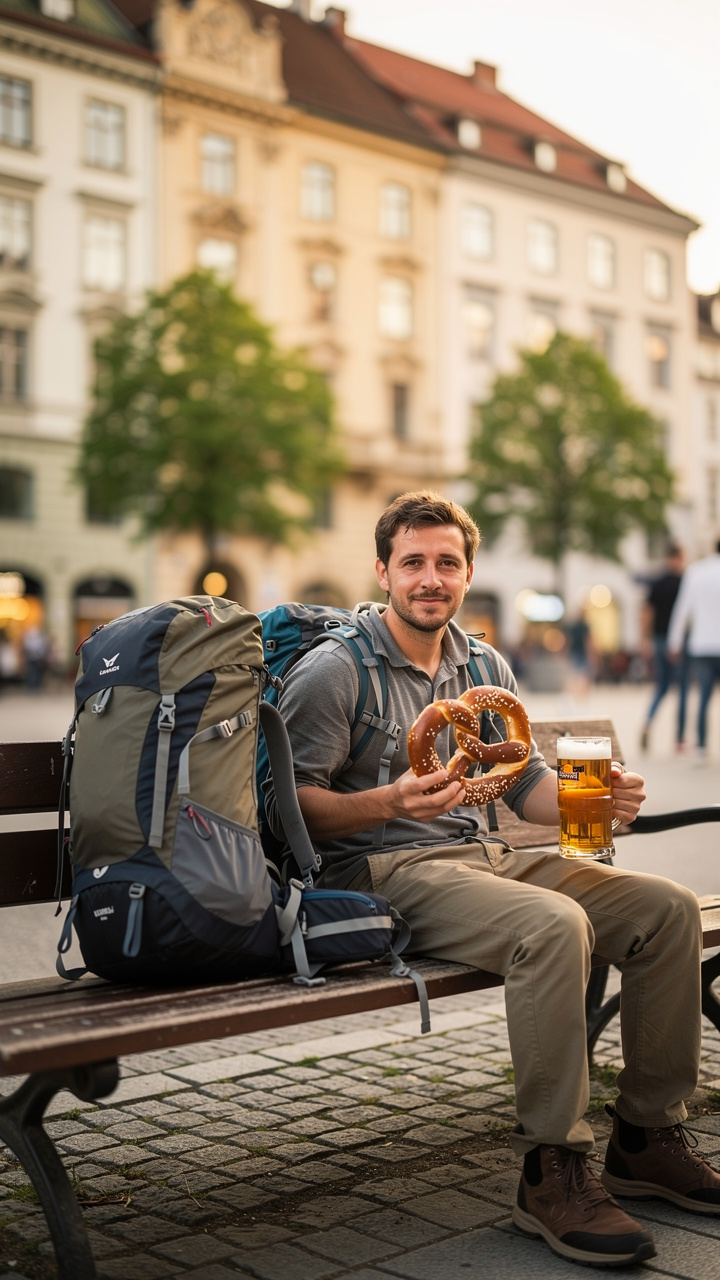
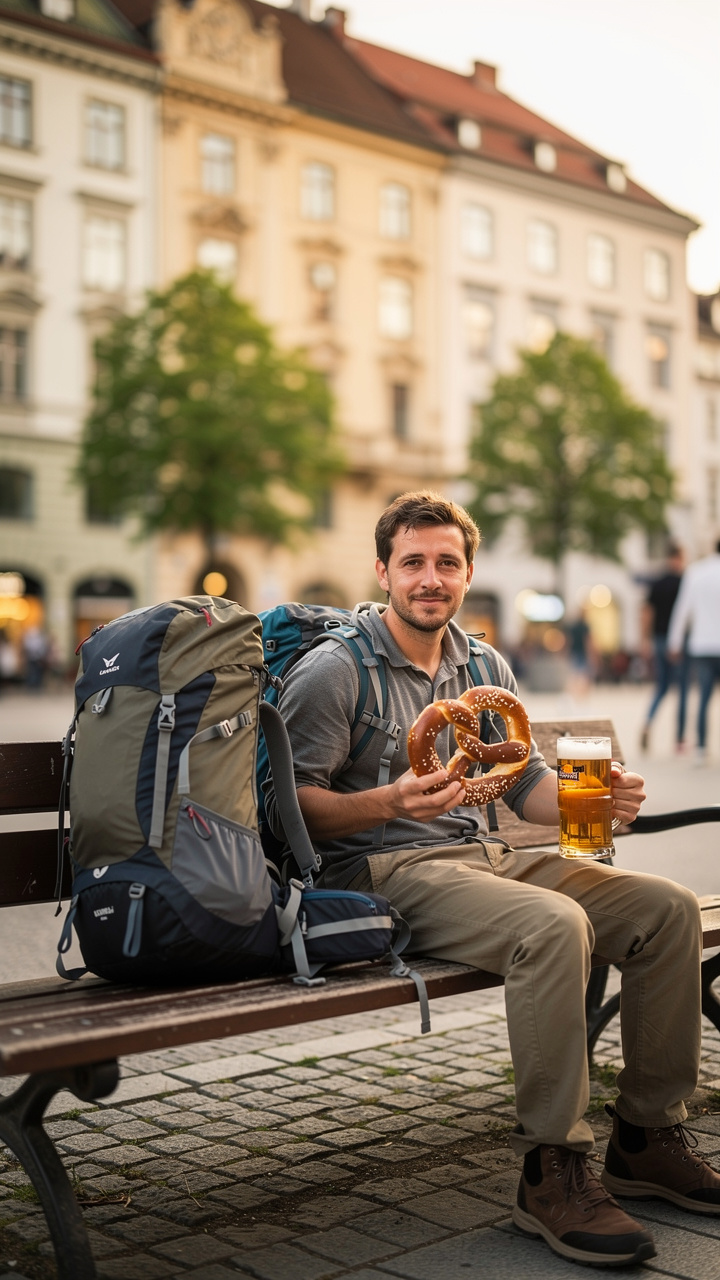
Restaurants and sit-down dining options can quickly exhaust your daily budget, making it essential to embrace the local ‘grab-and-go’ culture. Germany boasts an extensive network of ‘Bäckerei’ (bakeries) where you can purchase a fresh sandwich or a hearty, high-quality pretzel for between $4 and $6. These shops are ubiquitous and offer a reliable, cost-effective way to stay fueled while exploring. For a substantial main meal, seek out ‘Imbiss’ stands, where iconic staples like Döner Kebab or Currywurst typically cost around $7. These meals are filling, authentic, and represent the best value-for-money dining in the country.
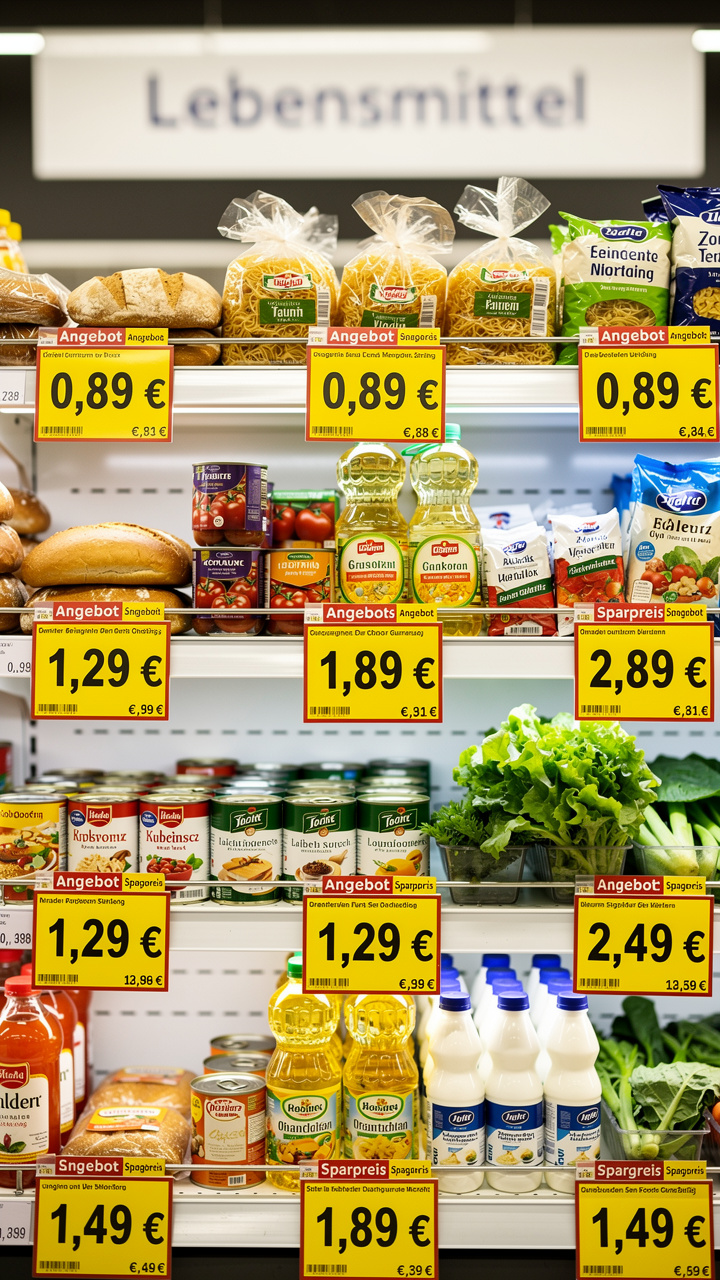
Staying in hostels with kitchen access is another crucial strategy. A quick trip to discount grocery chains like Aldi or Lidl allows you to purchase essential ingredients—pasta, pesto, fresh vegetables, and seasonal fruit—for under $15, which is sufficient for two full days of healthy eating. Additionally, supermarket-bought local beer or wine is often available for less than $1.50, allowing you to enjoy a sunset picnic by the river for a fraction of what you would pay at a bar or restaurant.
Common Mistakes and How to Avoid Them
Staying in the city center is the most common mistake travelers make, often resulting in a 20-30% premium on accommodation and dining. By booking hostels in peripheral, well-connected neighborhoods—such as Neukölln in Berlin or Giesing in Munich—you can save upwards of $20 per night while experiencing a more authentic side of the city. These areas are easily reached via the U-Bahn, providing the perfect balance between accessibility and affordability.
Financial mistakes also frequently drain budgets. Many local bakeries and small shops remain ‘Bargeld nur’ (cash only) environments, so you must carry at least $50 in euros at all times to avoid being caught off guard. When withdrawing cash, stay vigilant regarding ATM fees. Avoid ‘Euronet’ branded machines, which are notorious for predatory fees; instead, stick exclusively to ATMs attached to established, reputable banks like Deutsche Bank or Commerzbank. A single bad ATM choice can easily cost you $10 in unnecessary transaction fees, which represents 10% of your daily budget. By planning your transport, staying in residential zones, and securing cash from reputable sources, you prevent avoidable “tourist tax” expenses.
Balancing Activities: Free vs. Paid Sightseeing
Germany offers a wealth of world-class cultural experiences that cost absolutely nothing, allowing you to prioritize your limited sightseeing funds for the activities you value most. ‘Pay what you want’ walking tours are an excellent starting point, as they provide in-depth historical context that often surpasses the information found in standard guidebooks. Cities like Munich feature iconic public spaces like the English Garden, where you can easily spend an entire day enjoying nature, people-watching, and local atmosphere without spending a cent.
When choosing paid activities, employ a strategy of ‘one major attraction per city’ to preserve your budget. Before your trip, conduct a deep search for ‘free entry’ evenings or specific days when museums open their doors to the public at no cost. Many state-run institutions offer these windows to the public, and they are usually listed on the museum’s official website. If you are under 26 years old, always carry a valid student ID, as it is your most powerful tool for securing heavy discounts on entry fees for palaces, museums, and galleries nationwide. By focusing on free public spaces and timing your paid visits to coincide with discount periods, you keep your budget intact while still enjoying the highlights of German culture.
What to Pack for the German Weather
German weather is famously unpredictable, meaning that overpacking expensive gear is a mistake that can leave you lugging around unnecessary weight. The key to staying comfortable is layering and preparedness; bring a single, high-quality, packable rain jacket and a pair of broken-in, sturdy walking shoes. You will likely walk 15,000 to 20,000 steps per day, and the prevalent cobblestone streets are brutal on inadequate footwear. Failing to pack proper shoes often forces travelers to spend $80+ on replacement sneakers locally.
Furthermore, always carry a reusable, durable water bottle. German tap water is safe, clean, and delicious; paying $3 for a plastic bottle of water at a train station is an entirely avoidable expense. Finally, while an umbrella is a useful item, ensure it is compact and wind-resistant. The wind in Northern Germany is surprisingly strong and can destroy a flimsy, cheap umbrella in seconds, leaving you wet and in need of a replacement. By packing light, investing in comfortable shoes, and being ready for a sudden shift in climate, you ensure your physical comfort doesn’t force an unplanned purchase that derails your budget.
FAQ
Q: Is it possible to travel for less than $100 a day in Germany?
Yes, it is possible to reduce your budget to $60 a day by using Couchsurfing for free lodging and opting for campsites. However, this requires sacrificing comfort and increases the logistical effort required for daily needs, such as food preparation and finding amenities.
Q: Should I purchase a Eurail pass for my trip?
Generally, no. Eurail passes are often overpriced when compared to the ‘Super Sparpreis’ tickets available through the DB Navigator app. Only consider a pass if you plan to travel by long-distance train every single day of your trip.
Q: Is tipping mandatory at restaurants and cafes?
No, tipping is not mandatory in Germany as it is in the US. Service is generally included; simply rounding up to the next euro or leaving a 5-10% tip for exceptional service is considered polite and sufficient. Do not feel pressured by service staff.
Q: How much cash should I carry per day?
Always aim to have at least €50 in cash on your person at all times. While major hotels and stores accept cards, many bakeries, small markets, and local kiosks are ‘cash only.’ Avoiding card-only habits prevents you from being stranded without payment options.
Q: What is the best way to get around cities?
Use public transport rather than taxis or rideshares. Every major German city has an excellent U-Bahn or S-Bahn network, and if you have the $49 monthly Deutschland-Ticket, all local transit is fully covered nationwide. Using these systems is the cheapest and most efficient way to travel.
Leave a Reply