
Italian summer evenings are defined by a slower, communal pace of life centered on the ‘passeggiata’ stroll, late-night outdoor dining, and the social ritual of ‘aperitivo.’ To experience this lifestyle, embrace the local custom of staying outdoors until midnight, prioritizing face-to-face conversation over strict schedules, and engaging directly with community spaces.
The Magic of the Golden Hour
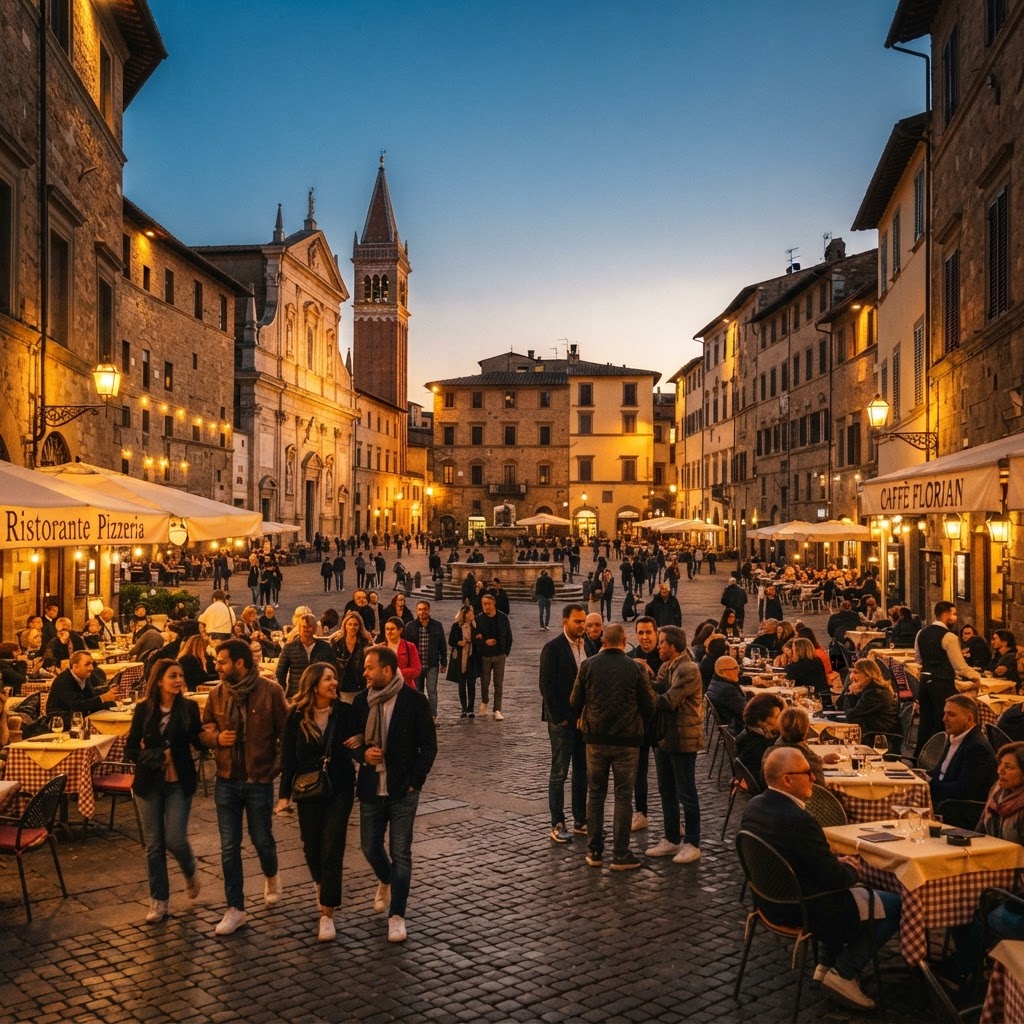
The transition from afternoon to evening in Italy is marked by the ‘ora d’oro,’ or golden hour, which typically occurs between 7:30 PM and 8:30 PM during summer months. During this time, the light takes on a distinct softness that enhances the texture of limestone, cobblestones, and terracotta architecture across the peninsula. This period is not merely a visual shift; it serves as a critical atmospheric transition that signals the psychological end of the workday and the beginning of social recreation. By capitalizing on this specific timeframe, travelers can witness the true aesthetic beauty of Italian cities before the transition into the deeper blue hues of twilight. The sensory impact of this light helps regulate the internal clock, signaling the body to transition from productivity to leisure, an essential component of ‘la dolce vita.’
Why Time Seems to Slow Down
Italian culture intentionally expands the evening hours, frequently delaying the onset of the night to foster deeper social connections. Unlike high-pressure environments where dinners occur at 6:00 PM, an authentic Italian summer evening often sees restaurants fully seating guests between 8:30 PM and 9:30 PM. This systemic choice prioritizes the expansion of time, allowing shops to reopen after the afternoon heat and streets to hum with activity well past midnight. By avoiding the frantic “wind-down” mentality, Italians create an environment where spontaneous interactions and multi-course meals can occur without the pressure of an impending bedtime. This cultural framework reduces cortisol levels and enhances the quality of social interactions, making the evening the focal point of the daily experience rather than an afterthought.
The Tradition of the Passeggiata
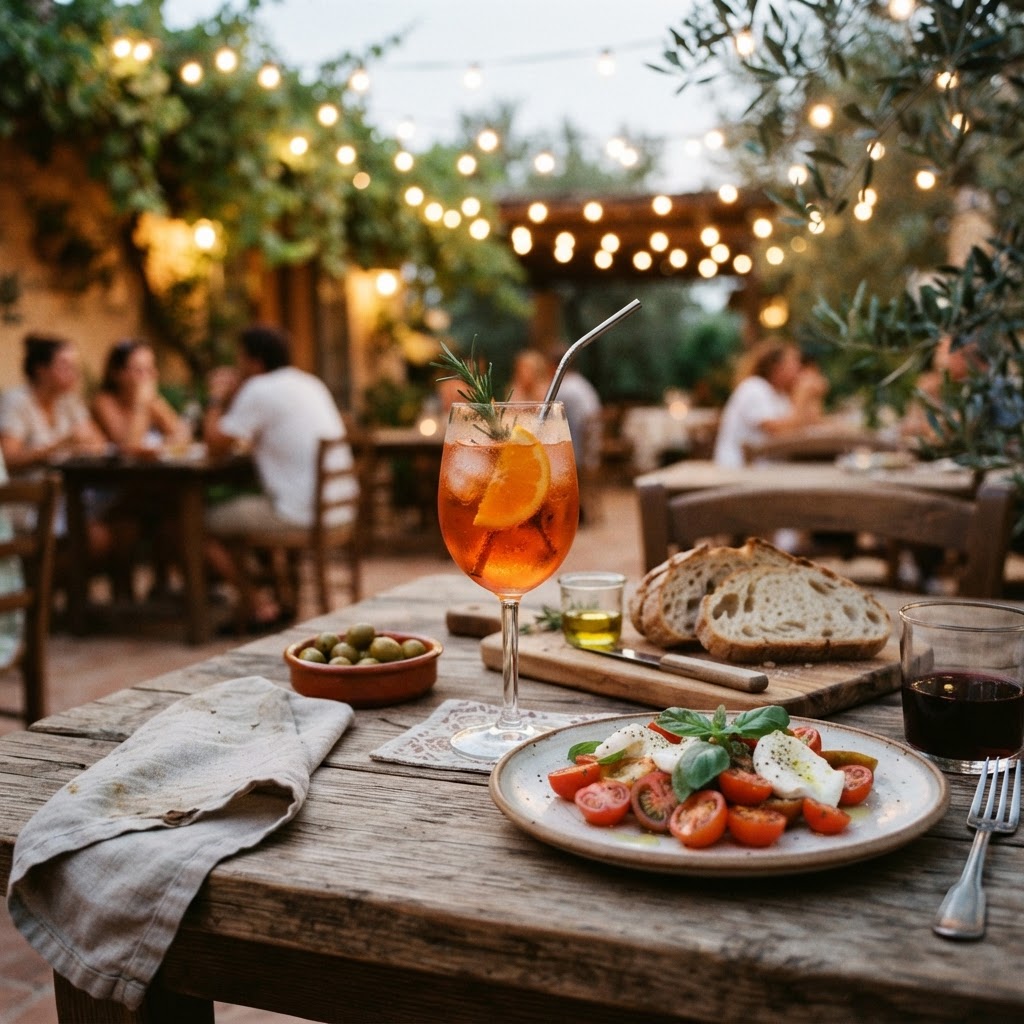
Central to the experience of Italian summer evenings is the ‘passeggiata,’ a ritualistic, slow-paced stroll through the town center that usually takes place between 8:00 PM and 10:00 PM. This practice is fundamentally social; it is a deliberate effort to be seen and to participate in the community’s collective life after the day’s peak heat has subsided. During these hours, piazzas transform into living rooms where multi-generational groups—from toddlers to elders—share the same physical space. For a visitor, participating in the passeggiata transforms the role from an outside observer to a temporary resident. By walking without a specific destination or digital distraction, you align your rhythm with the heartbeat of the town. This tradition ensures that public spaces remain occupied and safe, fostering a culture of mutual surveillance and shared joy that is largely absent in more isolated modern city structures.
Dining Under the Stars
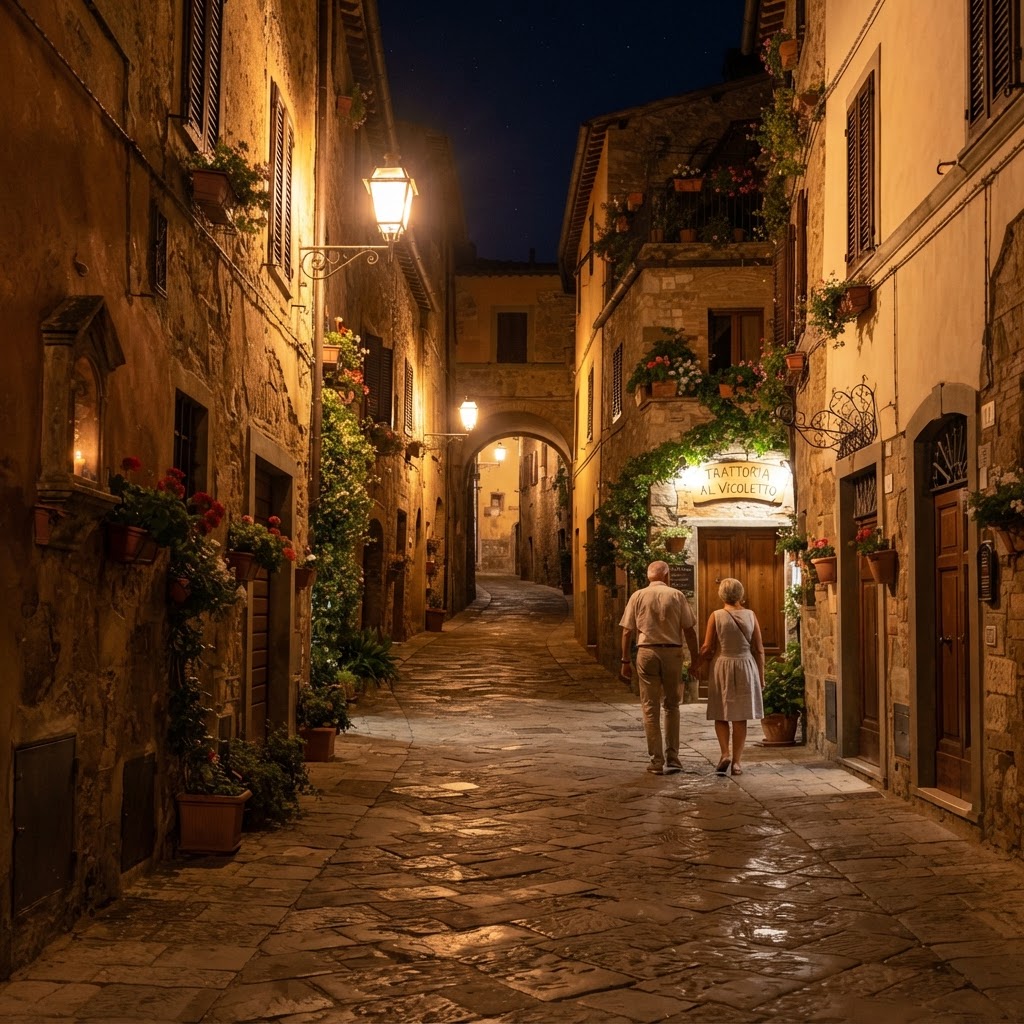
Dining in Italy during the summer months is treated as a foundational artistic expression, where ‘al fresco’ seating is not a luxury but a cultural standard. A typical summer dinner in Italy is rarely a meal finished in under 90 minutes; it is a performance of local flavors that emphasizes seasonal cycles. To properly emulate this experience, one must prioritize regional ingredients like sun-ripened San Marzano tomatoes, fresh buffalo mozzarella, and Mediterranean seafood caught earlier that day. The service tempo is intentionally lethargic by design, reflecting a respect for the diner’s need to converse. Expecting a quick “bill-and-dash” is considered a cultural faux pas; instead, embrace the slow service as a gift of time provided by the establishment. By selecting a trattoria with outdoor terrace views, you connect the sensory input of the meal—smell, taste, and temperature—with the visual beauty of the Italian landscape.
Essential Components of an Italian Summer Meal
- Seasonal ingredients: Prioritize tomatoes, basil, zucchini flowers, and stone fruits.
- Local wines: Opt for crisp Vermentino or chilled Prosecco from the Veneto region.
- The ‘Aperitivo’ hour: Enjoy a classic Negroni or Aperol Spritz between 6:30 PM and 8:00 PM.
- Slow service: Embrace the lack of urgency as an opportunity for sustained conversation.
Connecting with Locals and Language
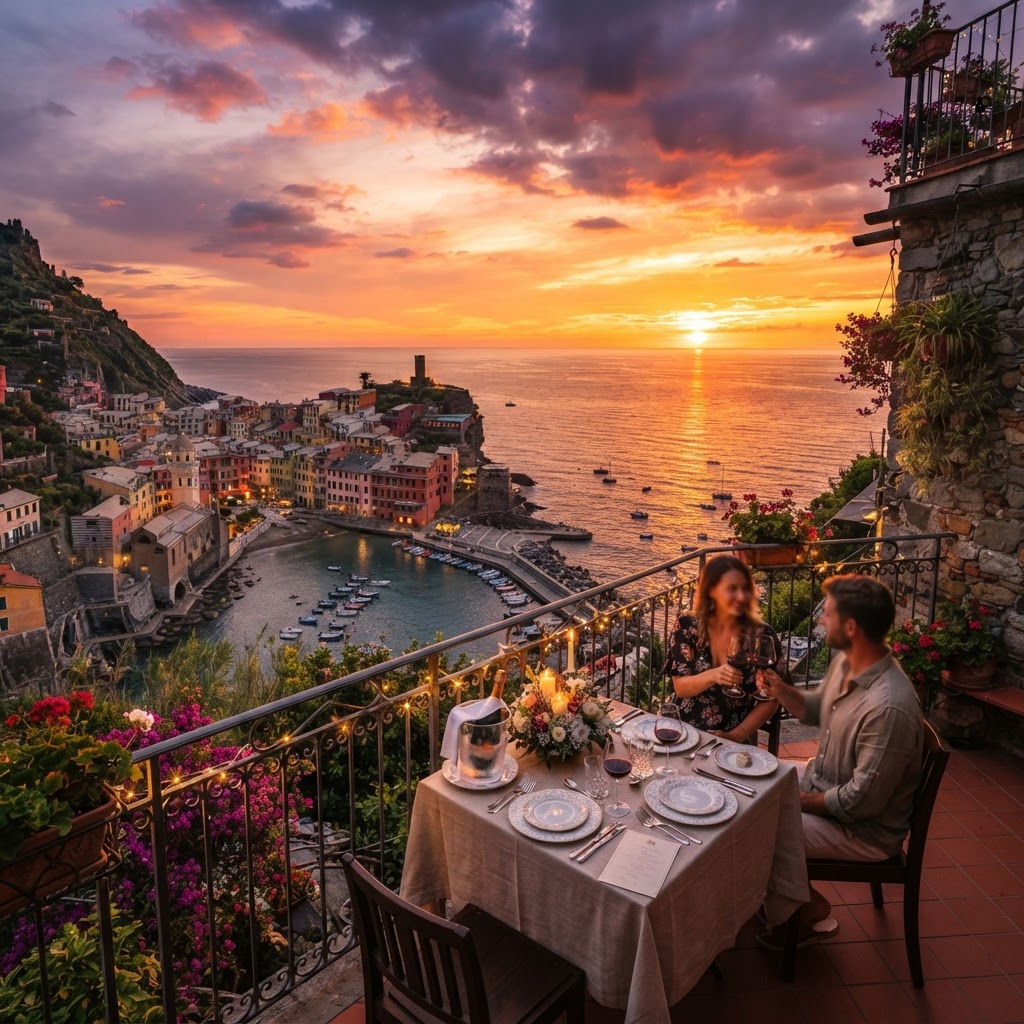
Part of the enduring charm of Italian summer nights is the inherent openness of the local population, provided the visitor shows genuine interest in local customs. When you linger in a piazza or sit at a bar for a late-night digestivo, social barriers often dissipate, making it an ideal environment to practice minimal Italian. Simple phrases like ‘buonasera’ or ‘che bella serata’ function as social lubricants that acknowledge the local culture and show respect for the setting. Italians generally take pride in their heritage and often respond warmly to visitors who attempt to speak the language, even when errors occur. Engaging in this manner turns a standard tourist encounter into a human connection. Remember that the goal is not fluency, but the demonstration of engagement, which invariably leads to more authentic local recommendations and interactions.
The Rhythm of the Night
In both coastal resorts and inland medieval villages, Italian nightlife focuses on communal ambient sound rather than high-decibel music venues. The rhythm of the night is dictated by the comfort of the weather and the presence of neighbors, where live music, street performers, or simple hums of conversation provide the soundtrack. Even at midnight, it is common to see families and children participating in the town’s social life, reflecting the Italian belief that youth should be integrated into the adult social fabric. This environment creates a profound sense of safety and inclusion that encourages late-night exploration. To successfully transition to this slower lifestyle, try these actionable steps:
- Leave your watch at the hotel: Allow your hunger and physical comfort to dictate the schedule.
- Embrace the ‘Aperitivo’: Make your main evening goal finding a local bar to observe the world for 60-90 minutes.
- Stay up late: Resist the urge to sleep by 10:00 PM; many local cultural events do not reach their peak until 11:00 PM.
- Prioritize connection: Engage with your companions or fellow travelers without digital distraction.
Preserving the Memory of Italian Evenings
As your trip concludes, the most effective way to retain the essence of these evenings is through the intentional replication of the Italian mindset. While you cannot export the Roman architecture or the scent of Mediterranean maritime pines, you can export the practice of ritualizing time. By creating a personal ritual of eating dinner outside, turning off your mobile device, and prioritizing long-form, uninterrupted conversations with friends, you honor the ‘la dolce vita’ philosophy at home. This is not about the destination, but the deliberate curation of one’s environment to maximize quality time and minimize the noise of modern productivity. These habits, once established, act as a permanent bridge between your daily life and the vibrant, relaxed spirit of an Italian summer night.
FAQ
What is the best time for an aperitivo in Italy?
An authentic Italian aperitivo typically takes place between 6:30 PM and 8:30 PM. This pre-dinner ritual is designed to stimulate the appetite with a light alcoholic drink, such as a Spritz or Negroni, accompanied by small snacks like olives or nuts.
Is it normal to see children out late in Italy?
Yes, it is standard for children to stay out late in Italy, often until midnight during the summer. Italian culture views community life as inclusive, and children are welcomed in piazzas and restaurants regardless of the hour.
How late do Italian restaurants stay open?
Most authentic Italian restaurants serve dinner until at least 10:30 PM or 11:00 PM. In larger cities or during summer holidays, it is not uncommon for kitchens to remain open until midnight to accommodate the relaxed pace of late-night dining.
What is the ‘passeggiata’ and should tourists join in?
The ‘passeggiata’ is a traditional evening stroll through a town’s center performed by locals to socialize and enjoy the cooling air. Tourists are encouraged to join, as it is the most effective way to experience local community dynamics and feel like a temporary resident.
Should I tip for the ‘slow service’ in Italy?
No, you are not required to tip for slow service in Italy because the deliberate pace is a cultural norm rather than a lack of efficiency. Service is intended to be slow to allow diners to enjoy the atmosphere and conversation.
Mastering the Apertivo: A Tactical Guide
The aperitivo is not a pre-dinner snack; it is a vital social performance. Most bars offer a drink accompanied by a small plate of olives, nuts, or chips for a standard price between 7 and 12 euros. Avoid tourist-heavy spots near main train stations or major monuments. Instead, look for bars where patrons are standing at the counter and holding spritzes or glasses of local white wine.
Rules of Engagement
- Order a classic Negroni or a Spritz Veneziano to signal you appreciate local traditions.
- Do not hover over empty tables; order another drink if you want to stay longer.
- Expect to pay a small premium if you sit at a table rather than standing at the bar.
- Listen for the hum of conversation rather than loud music to find the most authentic venues.
Avoiding Common Evening Pitfalls
Many travelers ruin their evening by over-planning their schedule. If you book a dinner reservation for 7:00 PM, you will likely be eating in an empty, silent dining room. Most authentic trattorias do not even open their kitchen doors until 7:30 PM or 8:00 PM. Book your table for 9:00 PM to ensure you are part of the main social wave.
Another common mistake is rushing through the meal. Service in Italy is purposefully slow to encourage lingering. Do not signal for the check until you are truly ready to leave. Attempting to speed up the waiter will only result in frustration and a perceived lack of cultural etiquette.
Budgeting for Your Italian Summer
Experiencing an Italian summer evening does not require a luxury budget. Focus your spending on high-quality ingredients rather than expensive, multi-course dining experiences every night. A glass of wine at a local enoteca costs about 5 euros, while a bottle for your hotel balcony is often half that price. Limit your formal restaurant visits to every other night to keep costs manageable and prioritize the wandering lifestyle.
The Evening Checklist
- Dress for comfort and style; pack breathable linen or cotton rather than stiff synthetics.
- Carry a small amount of cash for small gelato purchases or street-side snacks.
- Keep your phone in your pocket to stay present and avoid appearing like a distracted tourist.
- Wear flat, sturdy shoes for walking on uneven cobblestones for hours at a time.
Frequently Asked Questions
Should I make dinner reservations for every night?
Yes, especially during July and August in popular hubs like Florence or Rome. Even if the restaurant seems quiet at 8:00 PM, a reservation ensures you get a preferred table instead of being tucked away in a corner near the kitchen. Book via telephone or their direct website one or two days in advance.
Is it rude to walk into a restaurant just for drinks?
It depends entirely on the venue. If it is a sit-down trattoria, it is considered rude to occupy a table just for drinks during peak dinner hours. Look for establishments labeled as a ‘bar’ or ‘enoteca’ if you strictly want to drink. These spots are built for standing, casual sipping, and constant social turnover.
What should I do if I am traveling solo?
Sitting at the bar is your best strategy. You will find it much easier to strike up a conversation with the bartender or fellow patrons. It feels less lonely and gives you a front-row seat to the local evening theater while keeping your options open for a late-night stroll.
Leave a Reply