
London in 48 Hours: The Perfect First-Timer Itinerary
To see London in 48 hours, focus on grouping landmarks by geographical proximity: spend Day 1 in the Westminster royal precinct and Day 2 exploring the historic Tower of London and the South Bank. Utilize contactless payment for the Tube to minimize transit time and pre-book major museum slots to avoid long queues.
Planning Your 48-Hour London Adventure
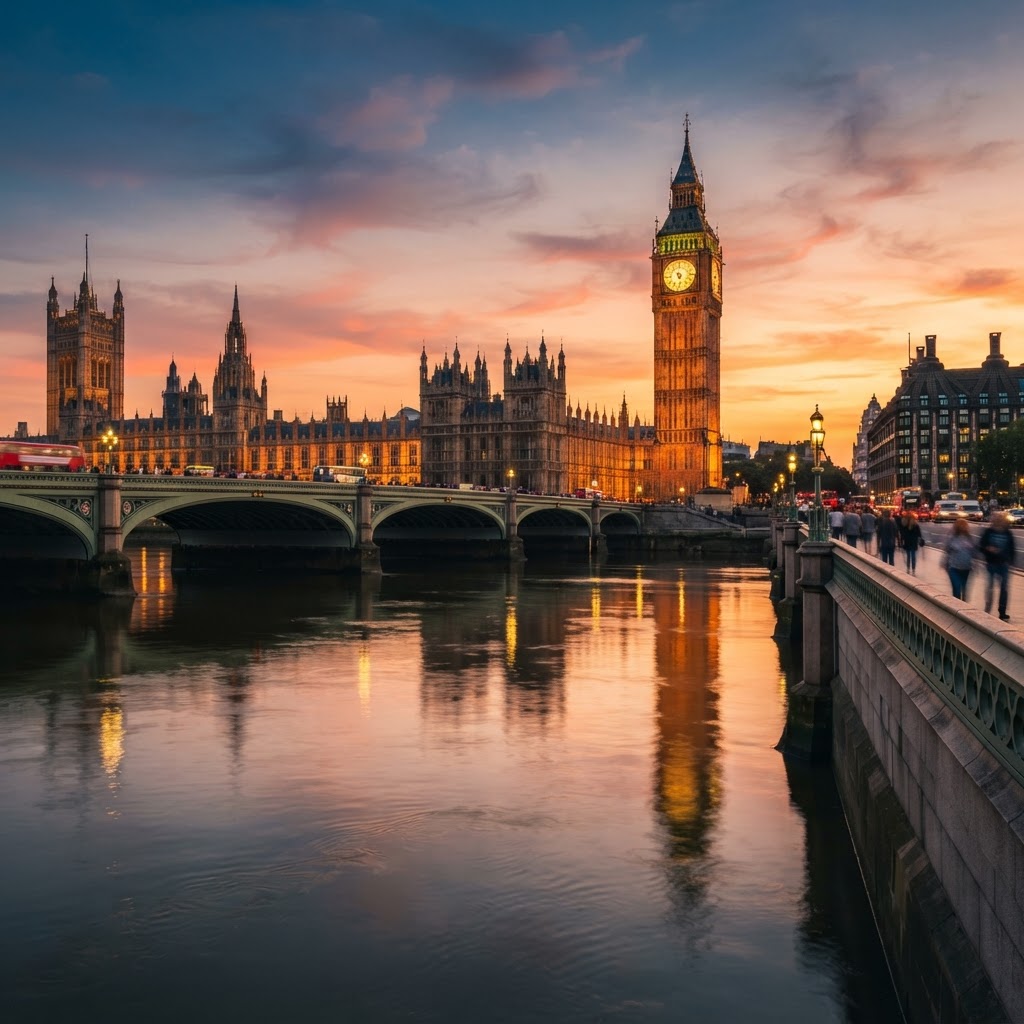
Successful 48-hour London trips hinge on rigorous geographical planning, as the city covers over 600 square miles. By grouping your sightseeing by proximity—such as tackling the Westminster area on foot—you avoid losing hours to London’s notorious traffic congestion. The most efficient strategy is to spend Day 1 in the historic Royal center and dedicate Day 2 to the East End and riverside attractions.
Essential Logistics for First-Timers
First, secure an Oyster card or simply use a contactless payment method like your credit card or phone to access the London Underground, affectionately known as ‘The Tube.’ It is the most reliable way to traverse the city. Second, download a reliable offline map app and consider booking your museum tickets in advance. Even free museums often require timed entry slots during peak tourist seasons.
Day 1: The Royal and Political Heart of London
Day 1 centers on Westminster, the bedrock of British governance and monarchy, where many iconic sights are reachable within a 15-minute walking radius. Begin your morning at Westminster Abbey, which has hosted every British coronation since 1066. Adult entry currently costs approximately £27, and arriving at the 9:30 AM opening time is essential to bypass the dense crowds that build by midday.
Walking the Path of Kings and Queens
After visiting the Abbey, walk across the street to see the Houses of Parliament and Big Ben. These iconic structures are best viewed from Westminster Bridge, which offers the perfect vantage point for photos. Continue your walk through St. James’s Park towards Buckingham Palace. If you time your visit right, you can watch the Changing of the Guard, a quintessential display of British pomp and pageantry that usually happens at 11:00 AM on scheduled days.
The Afternoon: Arts, Culture, and the South Bank
Crossing the Thames to the South Bank provides a vibrant, pedestrian-only perspective of London’s evolution from an industrial hub to a world-class cultural epicenter. This stretch of the riverbank features a high density of attractions, allowing you to walk from the London Eye to the Tate Modern in roughly 20 minutes, passing pop-up food stalls and local street performers along the way.
Exploring the Cultural Hub
Spend your afternoon at the Tate Modern or explore the Shakespeare’s Globe Theatre. If you prefer a bird’s-eye view, hop on the London Eye. While it is a major tourist attraction, the panoramic view of the skyline—from the Shard to the distant dome of St. Paul’s—is unmatched. It provides a geographical context to the city that you cannot get from street level. Expect a 30-minute rotation time, offering ample opportunity for photography.
Day 2: History, Markets, and Modern Vibes
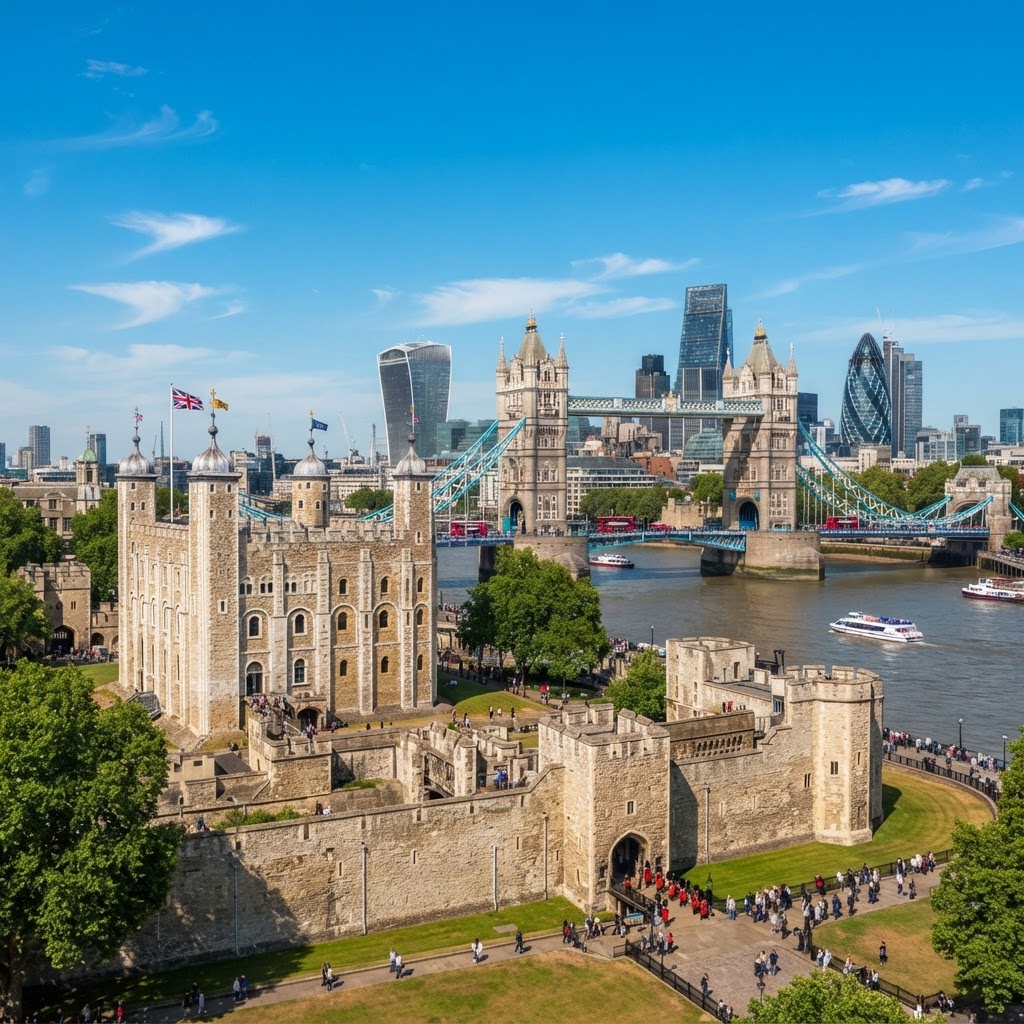
Day 2 explores the transition from medieval history in the City of London to the contemporary, bohemian culture of the East End. Arrive at the Tower of London at 9:00 AM sharp to join the first Beefeater tour, which provides unique insights into 1,000 years of history, including the storage of the Crown Jewels, valued at over £20 billion.
Walking Through the Centuries
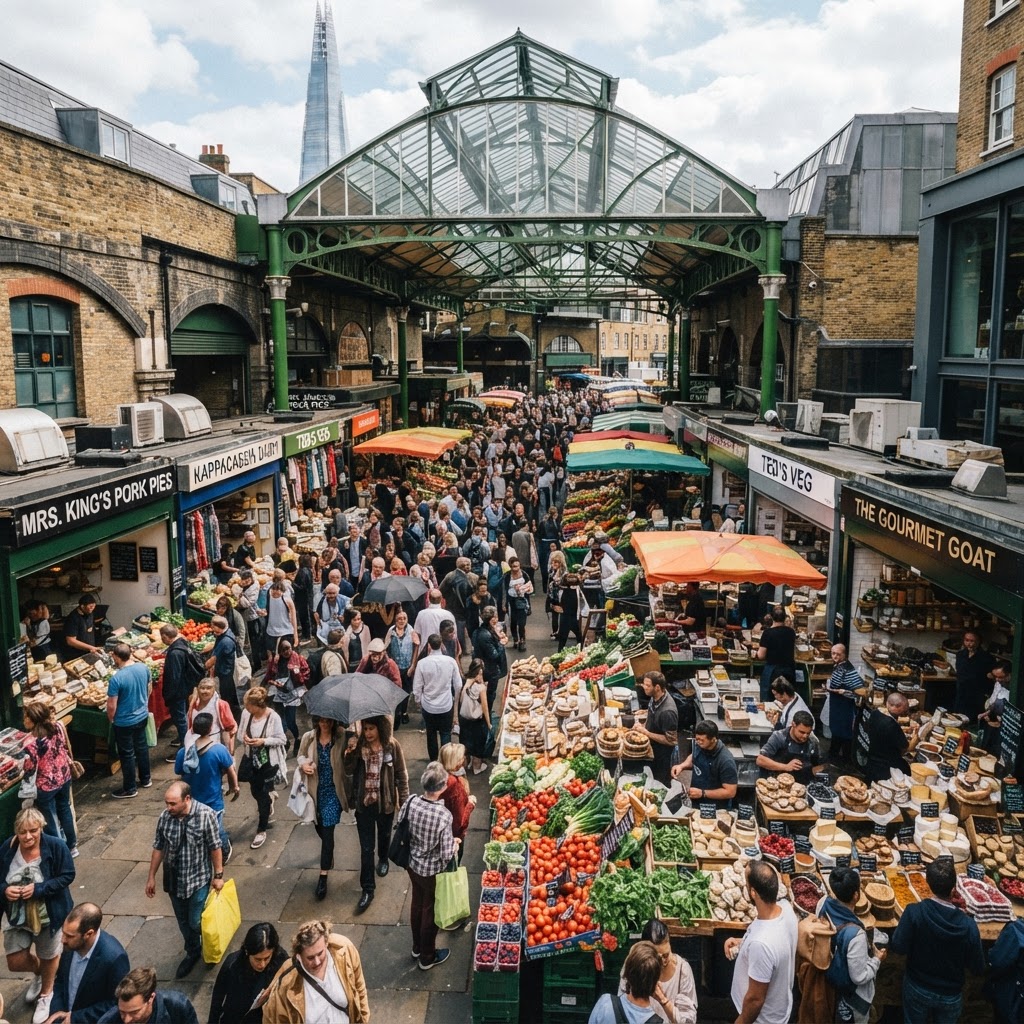
Once you leave the Tower, walk across the iconic Tower Bridge. Once on the other side, head toward Borough Market. This is a food lover’s paradise. Spend time browsing the stalls that feature everything from artisanal cheeses to exotic international street food. It is the perfect place to refuel before heading north toward the historic St. Paul’s Cathedral. Be sure to try the famous Chorizo roll at Brindisa, a staple for market-goers.
The Afternoon: Museums and Shopping Districts
London’s museum district offers world-class cultural exposure, with the British Museum housing over 8 million works—the largest collection in existence. If you prefer modern retail, Soho and Covent Garden provide a concentrated mix of high-end boutiques and historic arcades. Dedicating 3–4 hours to either a museum or a shopping district is the ideal balance for a fast-paced 48-hour itinerary.
Evening Entertainment and Dining
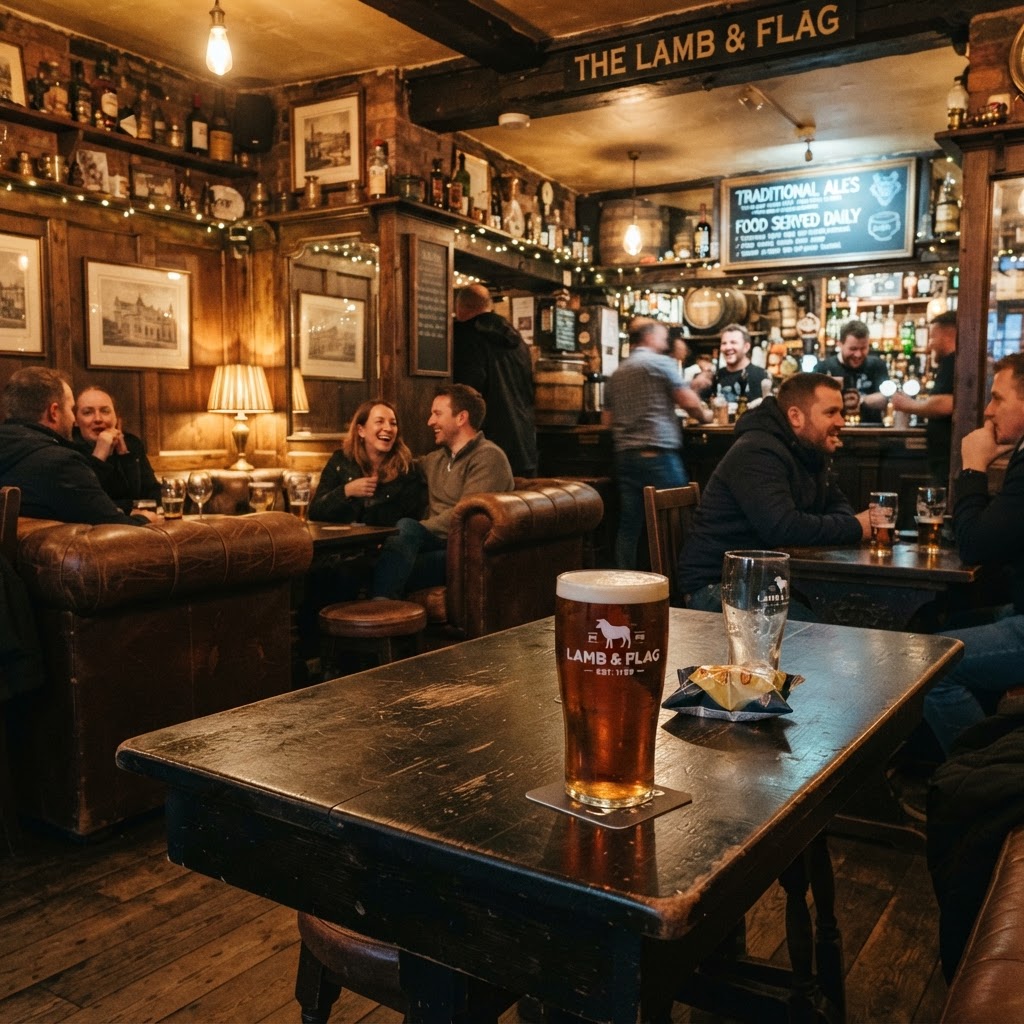
As your 48 hours come to a close, end your trip with a classic West End show. London’s theater scene is world-class, rivaled only by Broadway. Before the show, enjoy a pre-theater dinner in the heart of the West End, where you can find diverse dining options ranging from Michelin-starred restaurants to cozy, historic pubs that have served Londoners for centuries.
Practical Tips for Your London Trip
FAQ
Q: Is 48 hours enough to see London?
48 hours is sufficient to see the major landmarks if you follow a strictly geographical itinerary. You will cover the highlights like Westminster, the Tower of London, and the South Bank, though you will not have time to explore outer boroughs or quiet residential neighborhoods.
Q: How much should I budget for two days in London?
A moderate budget for 48 hours is approximately £250–£350 per person, excluding flights and accommodation. This covers mid-range dining, entry fees for 2-3 major attractions, and daily public transport costs within the central London fare zones.
Q: Which day is best for the Changing of the Guard?
The Changing of the Guard typically takes place on Mondays, Wednesdays, Fridays, and Sundays. You should check the official Household Division website before your trip, as dates are subject to cancellation due to weather or royal events.
Q: Do I need to buy paper tickets for the Tube?
No, you do not need paper tickets; the most efficient method is using a contactless debit/credit card or a mobile wallet (Apple/Google Pay) at the yellow readers. This system automatically calculates the cheapest fare, known as fare capping, for your daily travel.
Navigating London Like a Local
Avoid the common rookie mistake of relying solely on black cabs to get around. London traffic is notoriously slow, and you will likely sit motionless in a taxi while the Tube zooms underneath you. Stick to the Underground for cross-town trips and use your own two feet for central areas. Download the Citymapper app before you land. It provides more accurate real-time transit data than Google Maps and will tell you which carriage to board for the fastest exit at your destination.
The Truth About Peak Times
Londoners avoid the Tube between 8:00 AM and 9:30 AM and again from 5:00 PM to 6:30 PM. If you must travel during these hours, expect intense crowding and very little personal space. If you want a cheaper, more scenic way to travel, use the Uber Boat by Thames Clippers. It costs a few pounds more than the Tube, but seeing the skyline from the water beats a dark tunnel every time.
Common Pitfalls and How to Sidestep Them
Many tourists get lured into overpriced ‘tourist trap’ restaurants near Leicester Square. You will pay double the price for subpar food. Instead, walk three blocks in any direction away from the main square to find hidden pubs serving honest, hearty meals. Always look for the ‘Food Hygiene Rating’ sticker in the window; a score of four or five is your best bet for a safe meal.
The Sunday Dilemma
London slows down on Sunday mornings. Many smaller shops do not open until 11:00 AM or midday. Do not plan a shopping spree for Sunday morning. Instead, visit a local food market like Borough Market or spend the morning in one of the royal parks. Remember that the British culture revolves around a Sunday Roast. Book a table at a local pub by Wednesday if you want to experience this ritual at a popular spot.
Budgeting for Your 48-Hour Sprint
London is expensive, but it does not have to break your bank. You can see world-class art for free, as the permanent collections at the British Museum and the National Gallery cost nothing. Allocate your budget toward one or two ‘big ticket’ experiences like the Tower of London or Westminster Abbey. Budget roughly £40 to £60 per day for food and drink if you mix casual markets with one decent sit-down meal.
What to Skip
Skip the ‘Changing of the Guard’ if you are short on time. It is a long process involving hours of standing in crowds for a brief glimpse of hats. Skip the M&M store in Leicester Square unless you have children who insist on it; it is just a high-priced candy shop. Use that time to visit a quiet church like St. Dunstan in the East, a beautiful ruin tucked away in the city that offers a peaceful escape.
The First-Timer’s Action Checklist
- Download the Citymapper app.
- Add your credit card to your phone’s digital wallet for transit.
- Book your time slot for the Tower of London online at least a week prior.
- Pack comfortable, waterproof shoes because you will walk more than you expect.
- Check the weather forecast, but always carry a light rain jacket regardless of the prediction.
Frequently Asked Questions
Should I buy a London Pass for a 48-hour trip?
Probably not. Most passes require you to visit three or more major attractions per day to see any real savings. With only 48 hours, you will likely feel rushed. Pay-as-you-go entry is more flexible and usually cheaper for short stays.
Is tipping expected in London restaurants?
Yes, but it is less aggressive than in North America. A 12.5% service charge is automatically added to the bill at most sit-down restaurants. Check your receipt carefully. If the service charge is already included, you do not need to add more. If it is not included, a 10% tip is standard for good service.
How do I handle the weather?
Expect sudden shifts. A sunny morning can turn into a damp afternoon without warning. Never leave your hotel without a small umbrella or a hooded jacket. If you do get caught in a downpour, duck into a department store or a museum until the cloud passes.
Leave a Reply