
There is a unique magic found along the sun-drenched shores of the Mediterranean, where time seems to fold in on itself. In a world defined by rapid modernization, certain Mediterranean coast towns remain steadfastly committed to their roots, offering travelers a glimpse into a way of life that has persisted for centuries. From the rugged cliffs of Italy to the whitewashed alleys of Greece, these destinations capture a sense of history that modern life often erases.
The Allure of Timeless Coastal Living
Why do we flock to these ancient harbors and hilltop settlements? It is the intersection of nature and human endurance. When you walk through the narrow, cobbled streets of these Mediterranean coast towns, you are not just a tourist; you are a witness to a living history. The air carries the scent of wild rosemary, sea salt, and wood-fired ovens, evoking an era before the rush of the digital age.
Characteristics of Preserved Towns
What makes a town feel truly timeless? Often, it is the strict preservation of local architecture and the resistance to large-scale commercial development. These towns prioritize community gathering spaces, such as central plazas or seaside promenades, over sprawling resort complexes. They value tradition, whether it is the artisanal crafting of pottery or the daily tradition of the afternoon siesta.
Vernazza, Italy: A Gem of the Cinque Terre
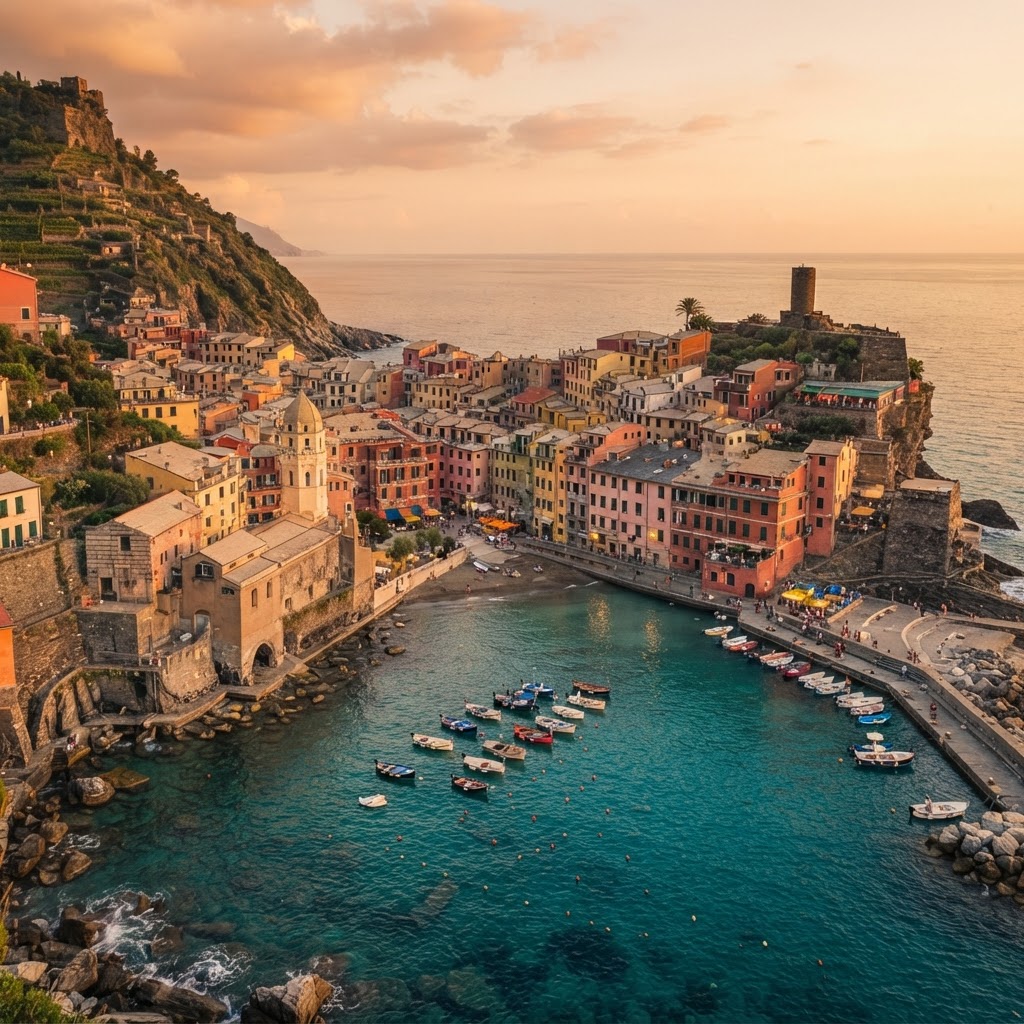
Perched precariously on the cliffs of the Italian Riviera, Vernazza is perhaps the quintessential example of a preserved coastal village. With its vibrant, pastel-colored buildings reflecting in the crystal-clear harbor, the town feels as though it were painted by a master artist and left untouched for generations. The lack of car traffic in the center preserves the silence, allowing the sound of the waves to dominate the atmosphere.
Why Vernazza Stays Timeless
Vernazza has survived floods and the pressures of mass tourism, yet its soul remains anchored in its maritime heritage. Life here revolves around the sea and the surrounding vineyards that climb the steep slopes. Visitors are encouraged to slow down, hike the ancient mule paths connecting the towns, and dine on pesto and fresh seafood in the same manner as the inhabitants have done for centuries.
Oia, Greece: The Soul of the Aegean
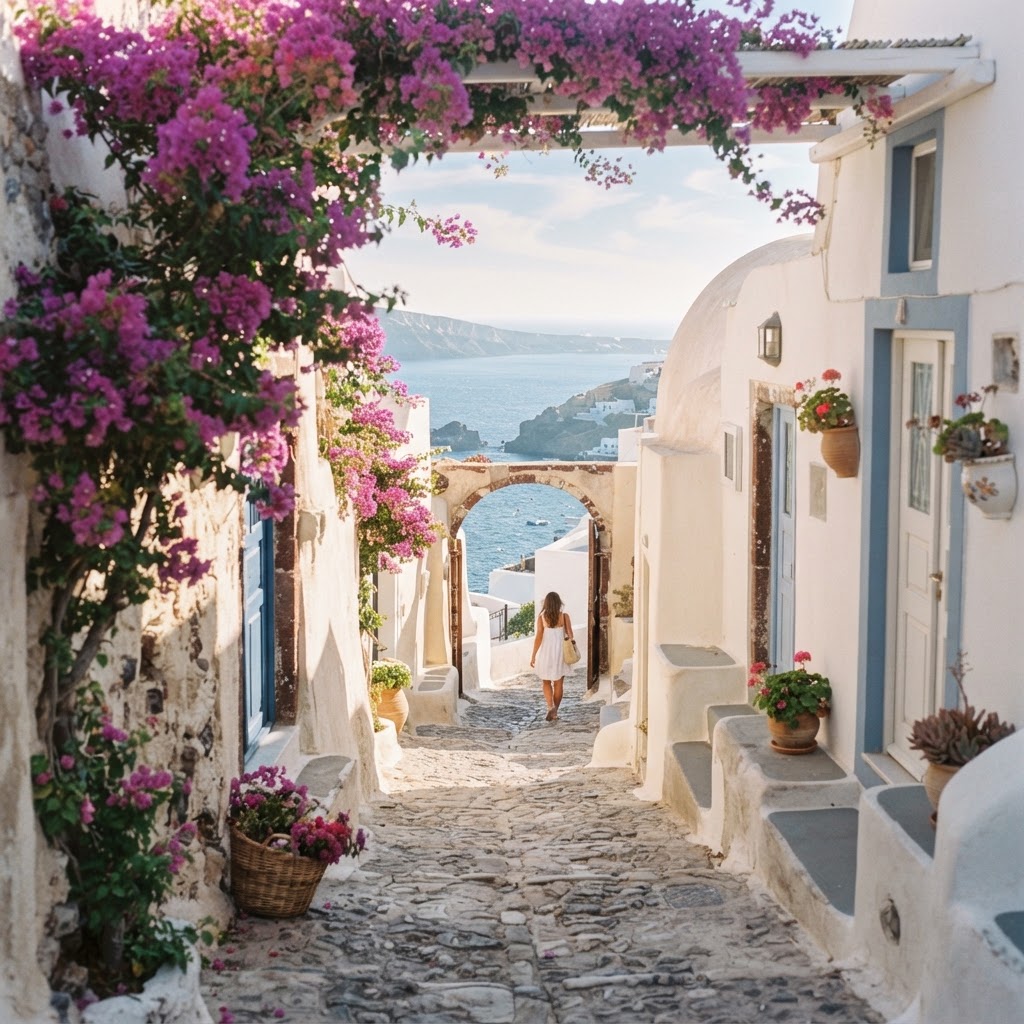
While Oia has gained international fame, the true magic remains in the early morning hours before the cruise ships dock. The iconic blue-domed churches and stark white buildings carved directly into the volcanic rock form a landscape that feels ethereal. Santorini as a whole has embraced its past, but Oia keeps its identity rooted in the humble origins of its ship-owning families and local farmers.
Preserving the Cycladic Aesthetic
Local zoning laws in Oia are remarkably strict, ensuring that no modern construction disrupts the harmony of the traditional architecture. This dedication to aesthetics prevents the encroachment of modern eyesores. When you look out over the caldera, you see the same horizon that ancient mariners observed thousands of years ago, unchanged by time.
Kotor, Montenegro: Where Mountains Meet the Sea
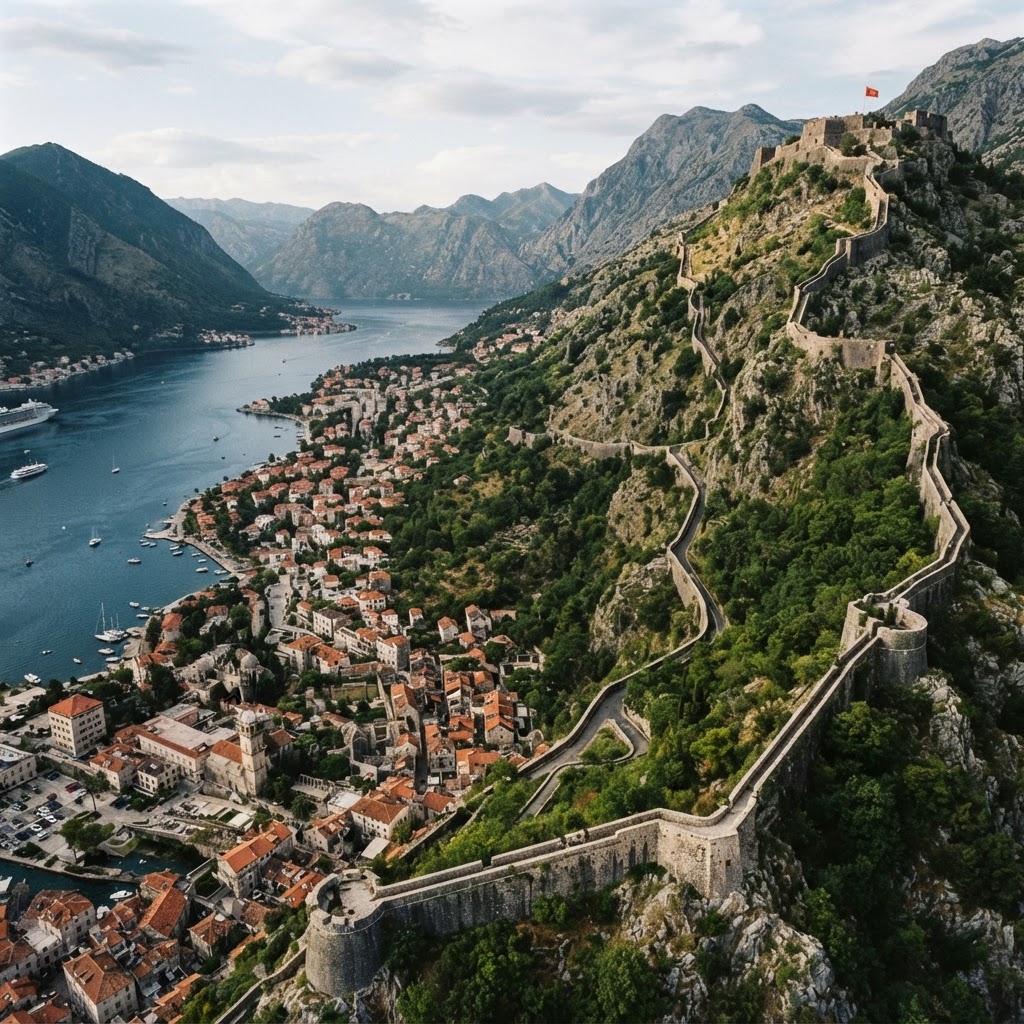
For those seeking a more rugged, medieval experience, the town of Kotor is unparalleled. Tucked away in a secluded part of the Bay of Kotor, this town is surrounded by imposing limestone cliffs that create a dramatic, fortress-like enclosure. The Old Town is a labyrinth of medieval streets, hidden squares, and Romanesque churches that transport visitors back to the 12th century.
The Significance of the Venetian Walls
Kotor’s history is inextricably linked to the Venetian Republic, which left a lasting impact on its architecture and culture. The massive stone walls that wind up the hillside are not just historical artifacts; they are the literal backbone of the town’s geography. Walking these fortifications at sunset provides a panoramic view of the fjord-like bay that is nothing short of breathtaking.
Collioure, France: The Inspiration for Impressionists
Located near the border of Spain, Collioure is a small Catalan-French village that has captivated artists like Matisse and Derain. The town’s harbor, dominated by the medieval Royal Castle and the distinct pink-domed church, feels like a canvas coming to life. Unlike the glitz of the French Riviera, Collioure feels humble, authentic, and profoundly quiet.
The Artistic Legacy
Collioure is proud of its artistic pedigree. Throughout the town, you can follow a trail that marks the spots where famous painters set up their easels. This focus on artistic history keeps the town centered on its cultural identity rather than changing to accommodate commercial trends. It is a place where you can sit by the harbor for hours, observing the shifting light, just as the Impressionists once did.
Dubrovnik’s Hidden Neighbors: Cavtat
While many travelers head directly for the famous walls of Dubrovnik, the nearby town of Cavtat offers a much more intimate, timeless experience. With its lush peninsula, pine-forested walking paths, and beautiful baroque architecture, it feels like a secret garden. Cavtat retains the elegance of the old Ragusa Republic without the overwhelming crowds, making it a perfect retreat for those who appreciate quiet refinement.
Why Choose Cavtat?
If you want to experience the Dalmatian Coast at a human scale, Cavtat is the answer. The focus here is on the simple pleasures: swimming in clear turquoise water, walking along the coastal promenade, and enjoying a glass of local wine as the sun sets over the Adriatic. It is a reminder that the best travel experiences often come from seeking out the smaller, less-trumpeted destinations.
How to Experience These Towns Responsibly
Traveling to these fragile, historic locations comes with a responsibility to preserve their integrity. When visiting, always opt for locally owned accommodations rather than international hotel chains. Support the local economy by purchasing goods from village artisans, and respect the daily routines of the local residents. By traveling slowly and mindfully, we ensure that these towns continue to feel timeless for the next generation of travelers.
Practical Travel Tips
- Travel in the shoulder season (May/June or September/October) to avoid peak crowds.
- Use public transport or trains whenever possible to minimize your environmental footprint.
- Engage with locals in their language when possible, even if it is just a simple greeting.
- Participate in local festivals and markets to understand the living culture of the region.
Conclusion
These Mediterranean coast towns offer more than just a vacation; they offer a perspective shift. By choosing to visit places that honor their history and maintain their unique character, we become part of their enduring story. Whether you choose the rugged beauty of Montenegro or the painted harbors of the French Riviera, take the time to disconnect from the modern world and truly inhabit these spaces. Have you ever visited a town that felt like it was plucked from a different century? Share your favorite Mediterranean escapes in the comments below and let’s keep the magic of slow travel alive.
Leave a Reply