
In Spain, the plaza is far more than just an urban planning feature. It is the heart, the lungs, and the soul of every town and city. From the grand, sweeping arcades of Salamanca’s Plaza Mayor to the humble, sun-drenched squares of Andalusian villages, these spaces represent the ultimate community gathering point. To understand Spain, one must understand the rhythm of its plazas, where life unfolds in a choreographed dance of tradition, social connection, and slow-paced living.
The Morning Awakening: Coffee and Calm
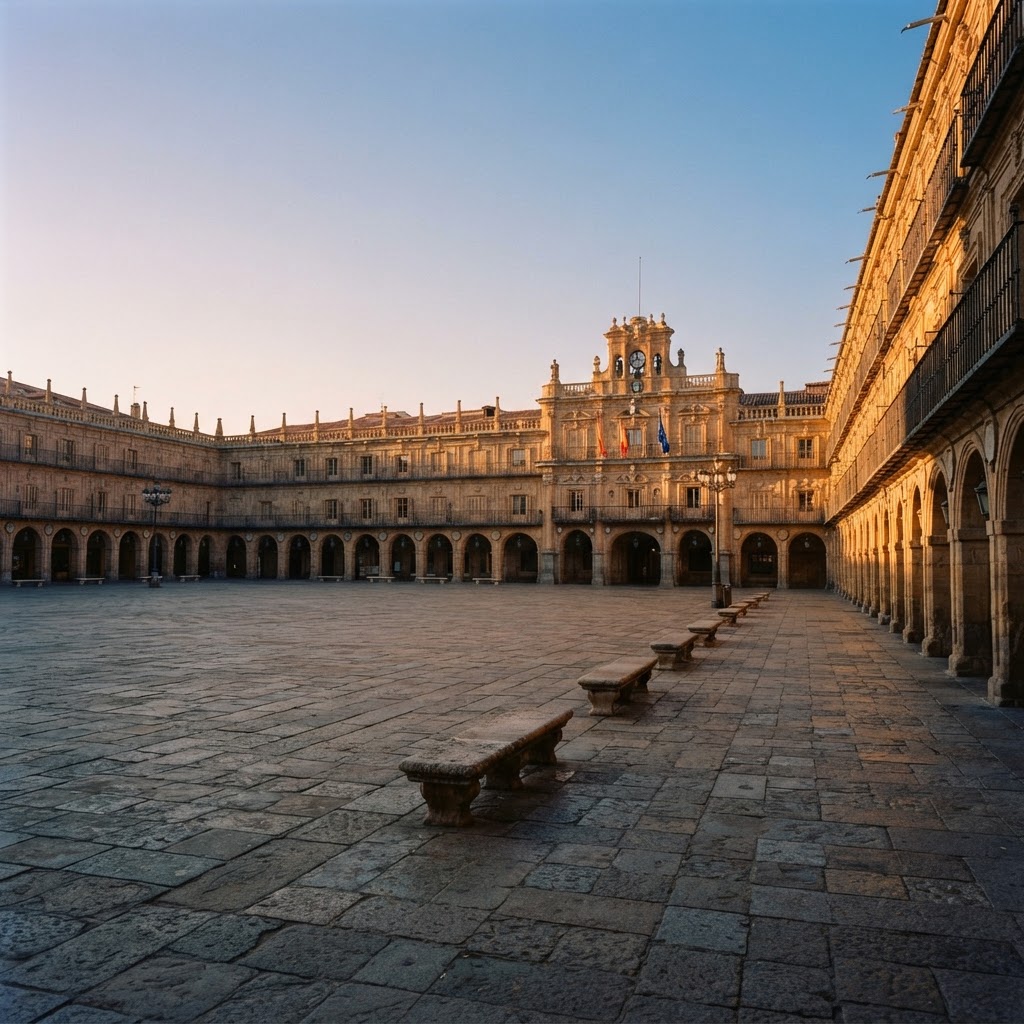
As the sun rises over the terracotta rooftops, the Spanish plaza begins its day in a state of quiet grace. The early morning hours are reserved for those who prefer the stillness before the rush of modernity takes over. Elderly residents often emerge first, walking slowly to their favorite corner café to enjoy a café con leche and a tostada with tomato and olive oil.
This is a time for reflection and the casual observation of the town waking up. The shopkeepers are busy rolling up metal shutters, and the distinct clatter of espresso machines begins to echo against the surrounding stone walls. It is a peaceful prelude, where the primary sounds are the sweeping of stone floors and the low hum of early morning chatter.
Mid-Morning Energy and Local Commerce
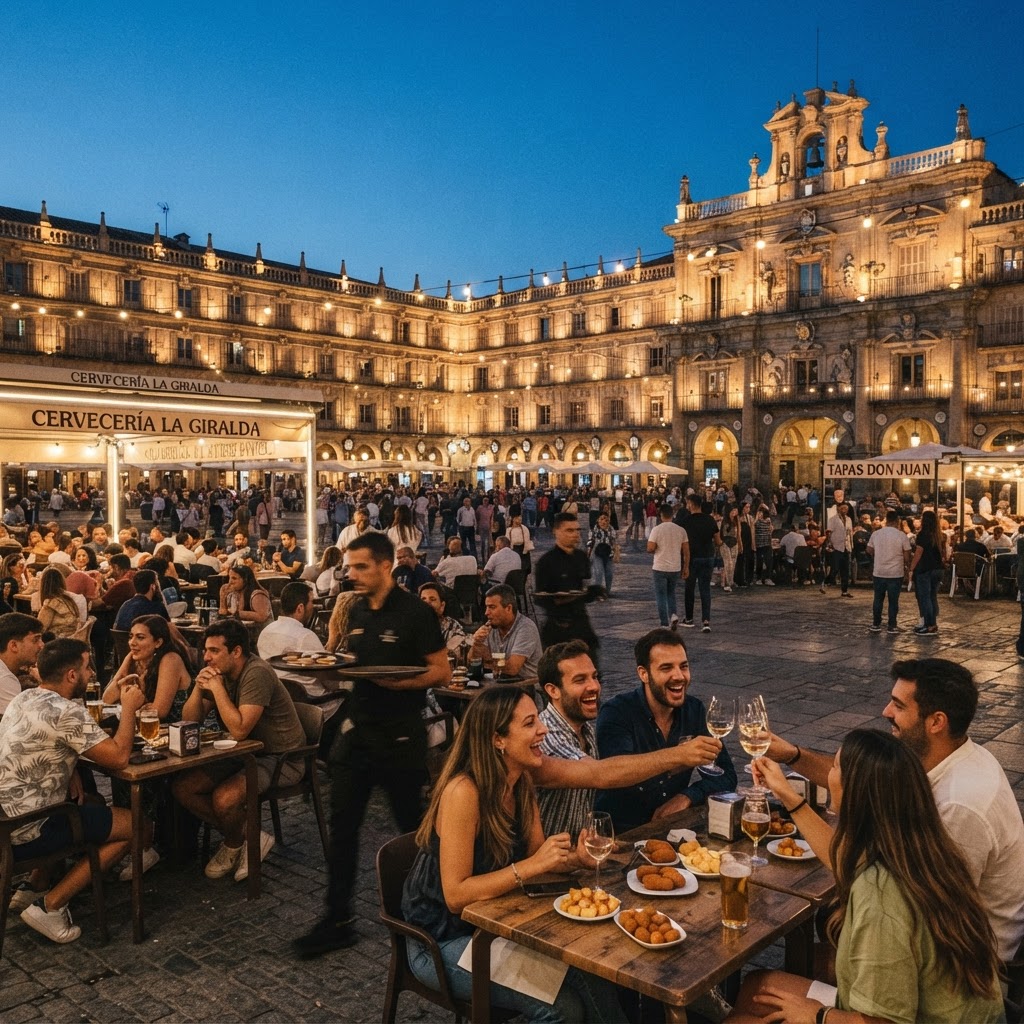
By 10:00 AM, the character of the plaza shifts as the local economy begins to pulse. The market stalls, if the plaza hosts a weekly fair, are bustling with activity. Fresh produce—artichokes from the valley, local cheeses, and glistening olives—are displayed with artistic pride. Residents navigate the square, stopping frequently to exchange news with neighbors.
This is the time for errands and social maintenance. In the Spanish town square, business is personal. A quick trip to buy bread often turns into a twenty-minute conversation about family, politics, or the upcoming local festival. The plaza acts as a democratic space, leveling the playing field where everyone, regardless of status, participates in the daily life of the collective.
The Heat of the Siesta: A Temporary Pause
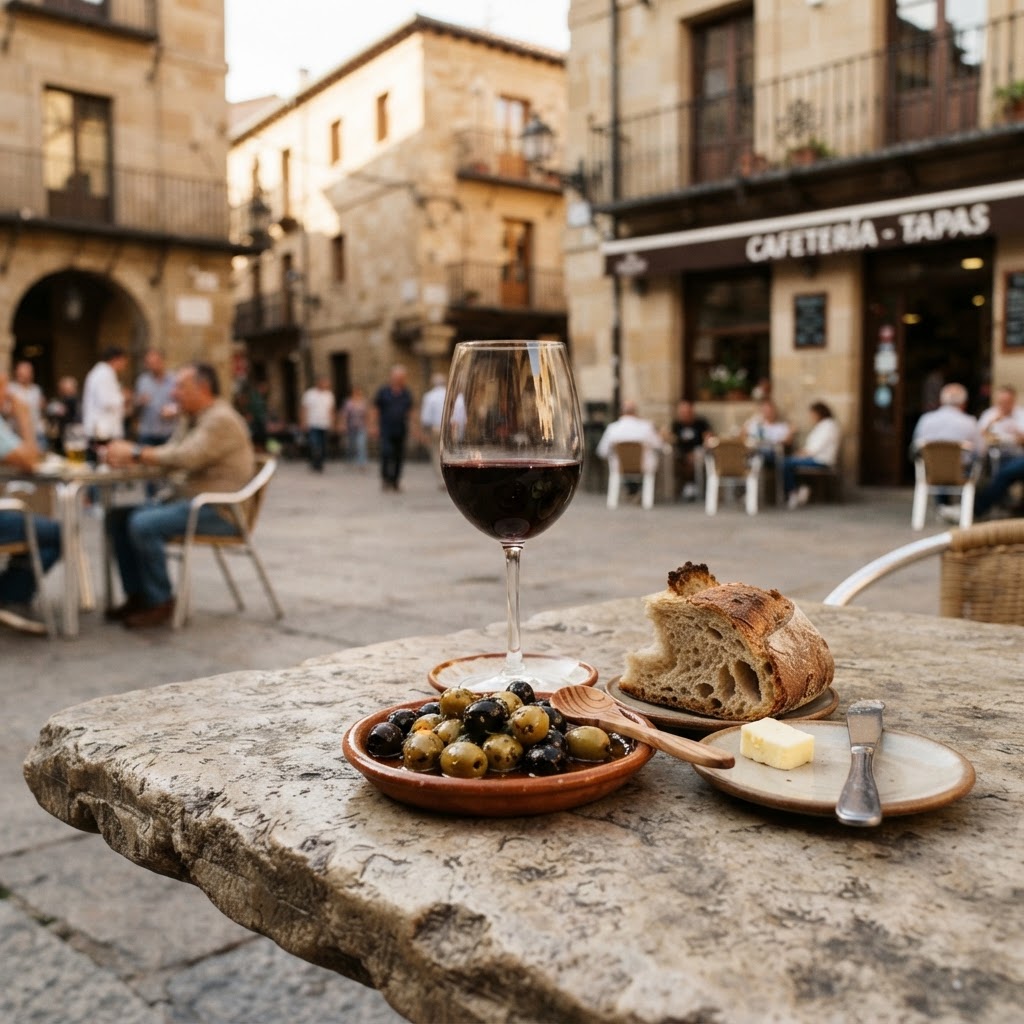
As the clock approaches 2:00 PM, the intensity of the Spanish sun dictates a change in pace. The bustling crowds thin out as the midday heat intensifies, and the rhythm of the plaza slows down significantly. This is the traditional time for the siesta, or at the very least, a long, lingering lunch that extends into the mid-afternoon.
During these hours, the shops surrounding the plaza close, and the square becomes a sanctuary of silence. Children playing under the shade of ancient trees or statues provide the only soundtrack to this sleepy period. It is a testament to the Spanish value of restorative rest, proving that a space can be both a hub of productivity and a sanctuary for stillness.
The Late Afternoon Renaissance
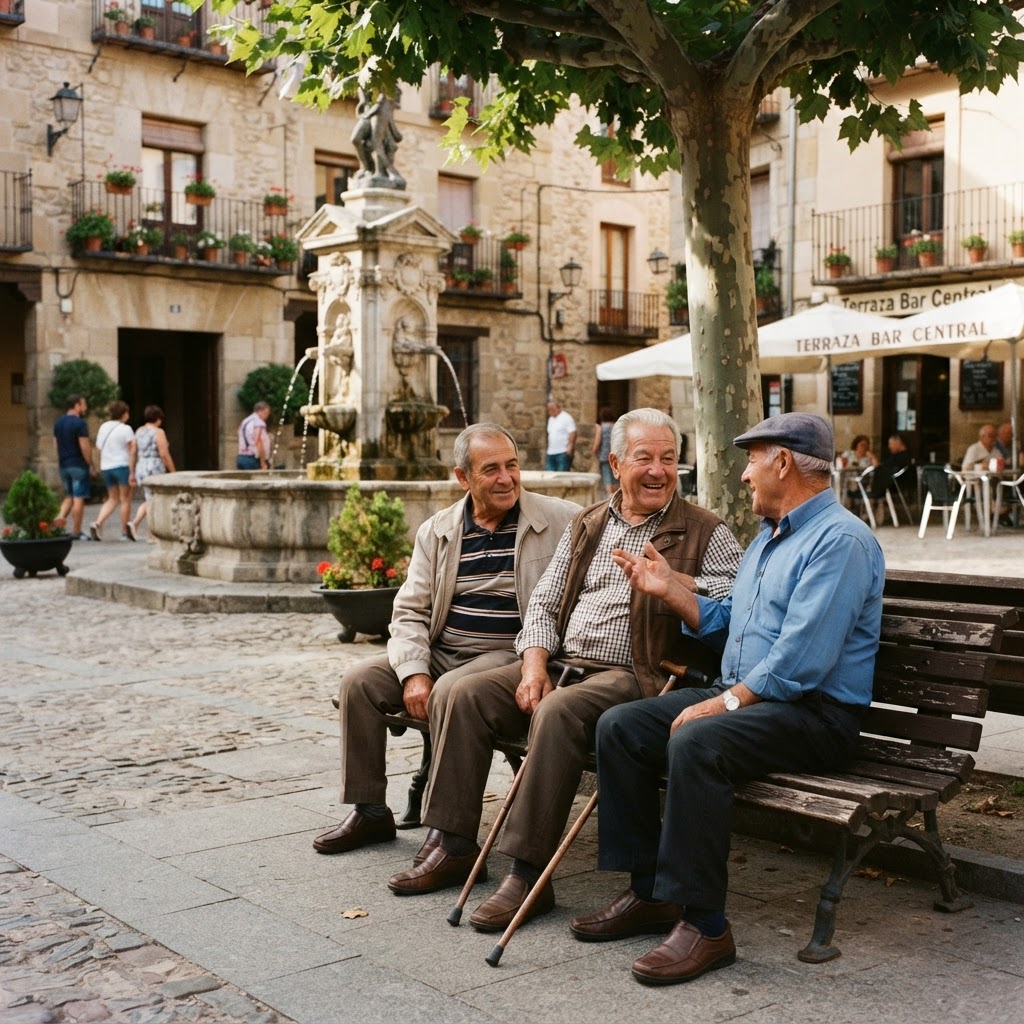
Around 5:00 PM, the plaza experiences a rebirth. As the temperatures cool, the town re-emerges. This is when the “paseo” culture truly begins. The paseo is the traditional late-afternoon stroll where friends, families, and teenagers take to the square simply to see and be seen.
It is a social ritual of paramount importance. Walking in loops around the plaza, people catch up on the day’s events, plan dinner, and flirt. The energy is vibrant and youthful. Teenagers reclaim their space, occupying benches and steps, while older generations sit nearby, observing the social tapestry with knowing smiles. This communal interaction is the glue that holds Spanish society together.
Evening Tapas and the Social Climax
As darkness falls, the plaza transitions into the crown jewel of its daily cycle: the time for tapas and wine. The outdoor terraces of the surrounding bars fill to capacity. The air is filled with the clinking of glasses, the aroma of garlic and sautéed seafood, and the melodic cadence of laughter.
This is where life in Spain finds its most boisterous expression. Eating is rarely a solitary affair here; it is a shared experience. Small plates are passed around, stories are told with animated hand gestures, and the plaza transforms into an open-air dining room for the entire town. It is a spectacle of conviviality that feels both intimate and expansive.
Benefits of Plaza Socialization
| Benefit Type | Description |
| :— | :— |
| Mental Well-being | Frequent social interaction reduces isolation. |
| Community Bonds | Builds trust between neighbors of all ages. |
| Cultural Continuity | Keeps local traditions alive through daily practice. |
| Physical Activity | The paseo encourages movement and walking. |
Late Night Vibrancy and Conclusion
Even as the night deepens, the plaza retains its energy. In many parts of Spain, the night is still young at midnight. The bars stay open, and the conversation continues under the warm glow of street lamps. The plaza is the constant in a world that is moving faster every day, providing a place where time seems to slow down just enough for real connection.
Conclusion
A day in the life of a Spanish plaza reveals a profound truth about the human need for community. In an age of digital disconnection, these physical spaces serve as vital reminders that we are social creatures at heart. Whether you are visiting a bustling city center or a quiet mountain village, take the time to sit on a bench, order a drink, and simply watch the world go by.
By engaging with the life of the plaza, you aren’t just visiting a destination; you are participating in a living, breathing tradition that has defined Spanish culture for centuries. Next time you travel, skip the crowded museums for an hour and find your local square—you might just find the true heart of Spain waiting for you there.
Are you planning a trip to Spain? Make sure to carve out time to experience the magic of the local plaza firsthand. Have you visited a Spanish square that stole your heart? Share your experiences in the comments below and let us know which city had the best atmosphere!
Leave a Reply