
Valencia is a city that effortlessly blends the ancient with the ultra-modern, offering a visual feast for anyone with a camera in hand. From the winding, cobblestone paths of the Ciutat Vella to the bright, geometric murals tucked away in its trendiest neighborhoods, the city is a paradise for shutterbugs. If you are planning a trip to Spain’s third-largest city, you are likely looking for those quintessential locations that define the spirit of the Mediterranean.
The Charm of Barrio del Carmen
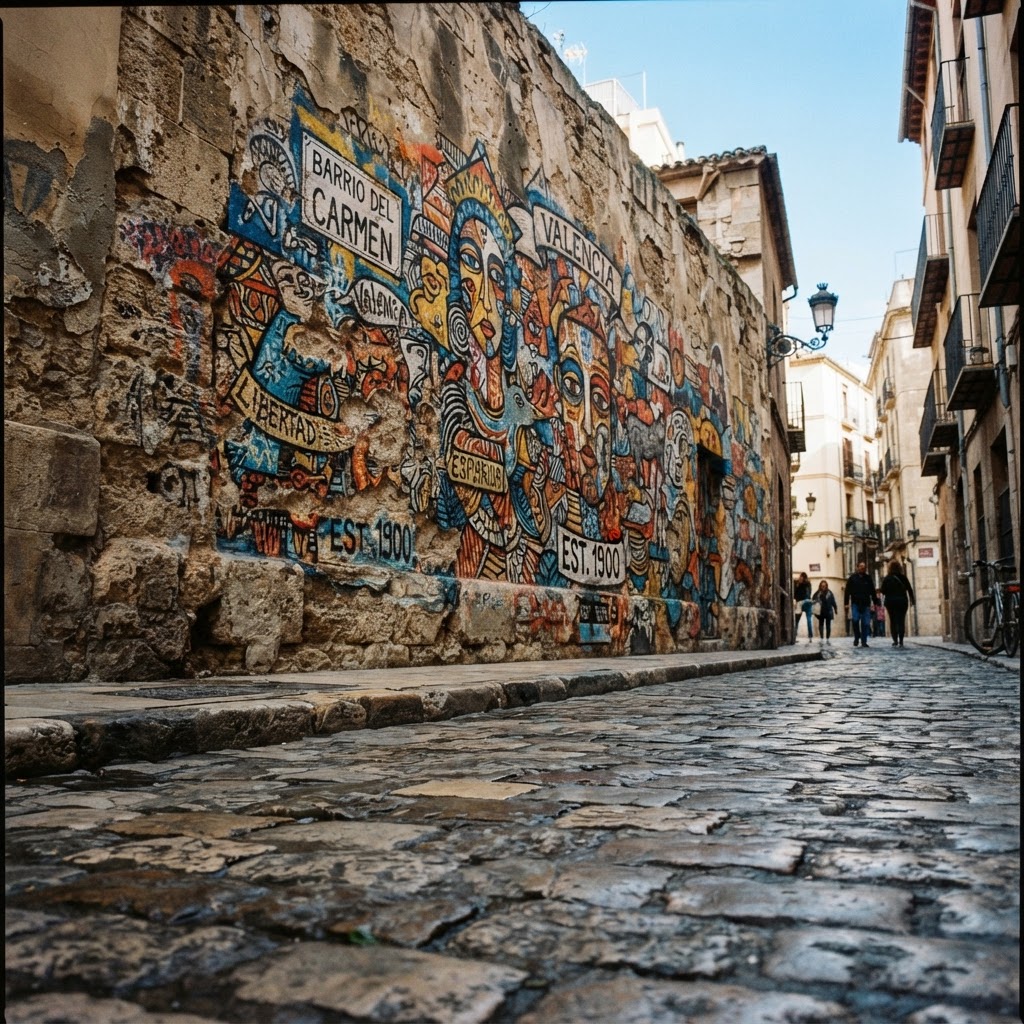
Barrio del Carmen is the historic heartbeat of Valencia, and it is arguably where you will find the most photogenic streets in Valencia. The neighborhood is a labyrinth of narrow, medieval streets that seem to whisper stories from the past. Every turn reveals pastel-colored facades, wrought-iron balconies dripping with bougainvillea, and the occasional glimpse of a stunning gothic archway.
Capturing the Street Art Scene
Beyond the historic architecture, this area is a canvas for street artists. You will find massive, thought-provoking murals splashed across crumbling plaster walls. Calle de la Bosseria and Calle de Quart are particularly famous for their rotating street art galleries. To get the best shots, try to visit early in the morning before the cafe crowds arrive.
Calle de la Paz: Elegance and Grandeur
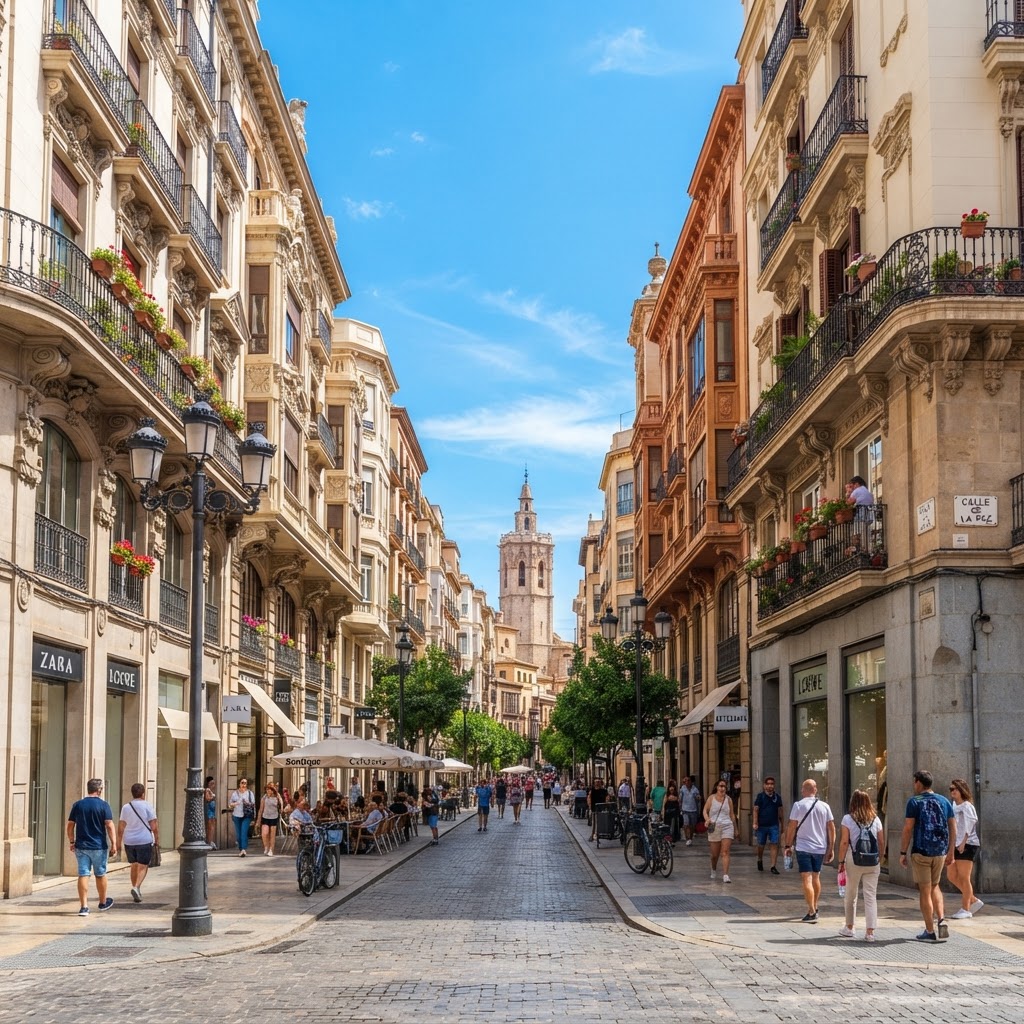
If you prefer high-end aesthetics and grand, classic European architecture, head straight to Calle de la Paz. This is the city’s premier boulevard, lined with stately 19th-century buildings that feature ornate carvings and massive windows. The street leads directly toward the cathedral area, offering perfectly framed shots of the bell towers in the distance.
Composition Tips for Boulevards
When photographing wide boulevards, look for leading lines. The rows of streetlights and the symmetrical arrangement of the balconies provide a perfect vanishing point. Using a wide-angle lens can help you capture the impressive scale of the architecture without feeling cluttered by the street traffic.
The Hidden Alleys of El Cabanyal
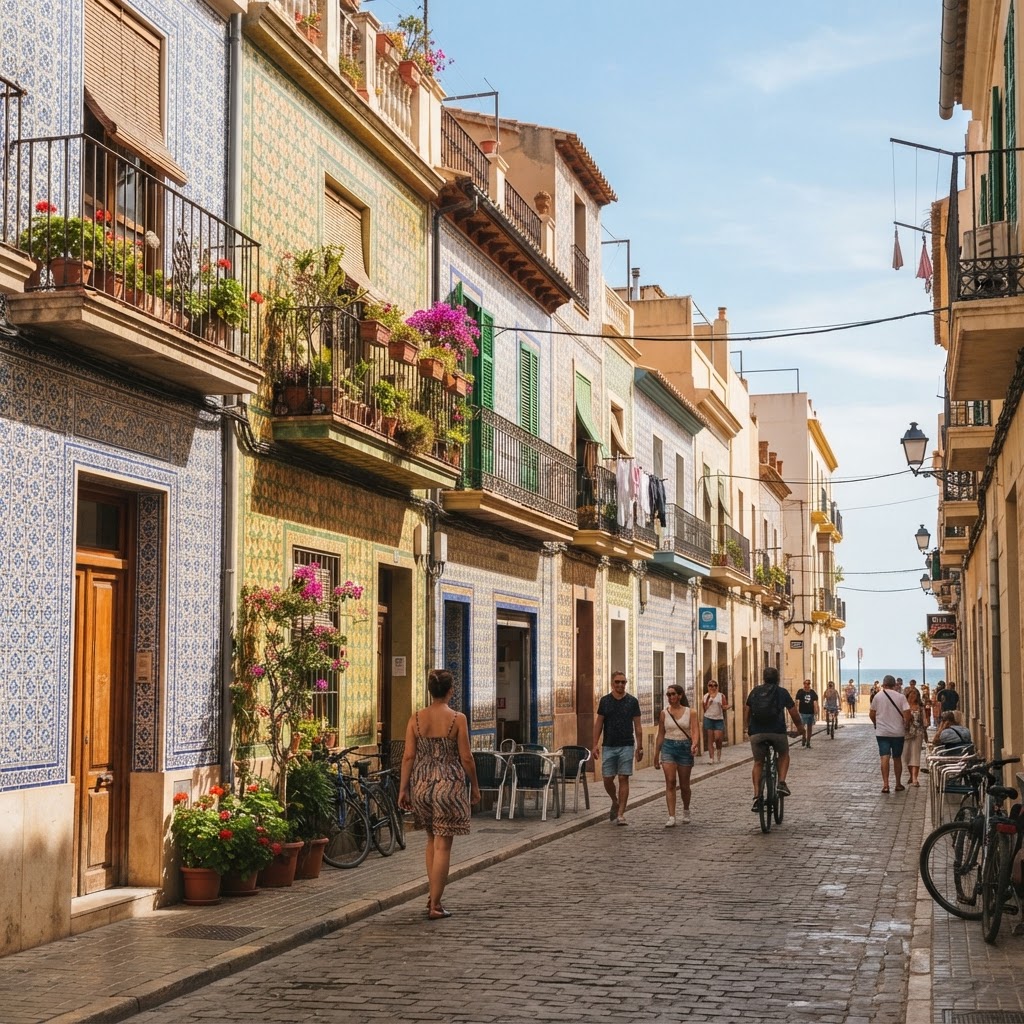
Once a separate fishing village, El Cabanyal is now one of the most unique districts in Valencia. It is famous for its narrow houses covered in decorative ceramic tiles. These colorful, traditional homes are a dream for any photographer who loves vibrant colors and geometric patterns. The light here reflects off the tiles, creating a soft, warm glow that is perfect for late afternoon photography.
Placa del Mercat and Surrounding Lanes
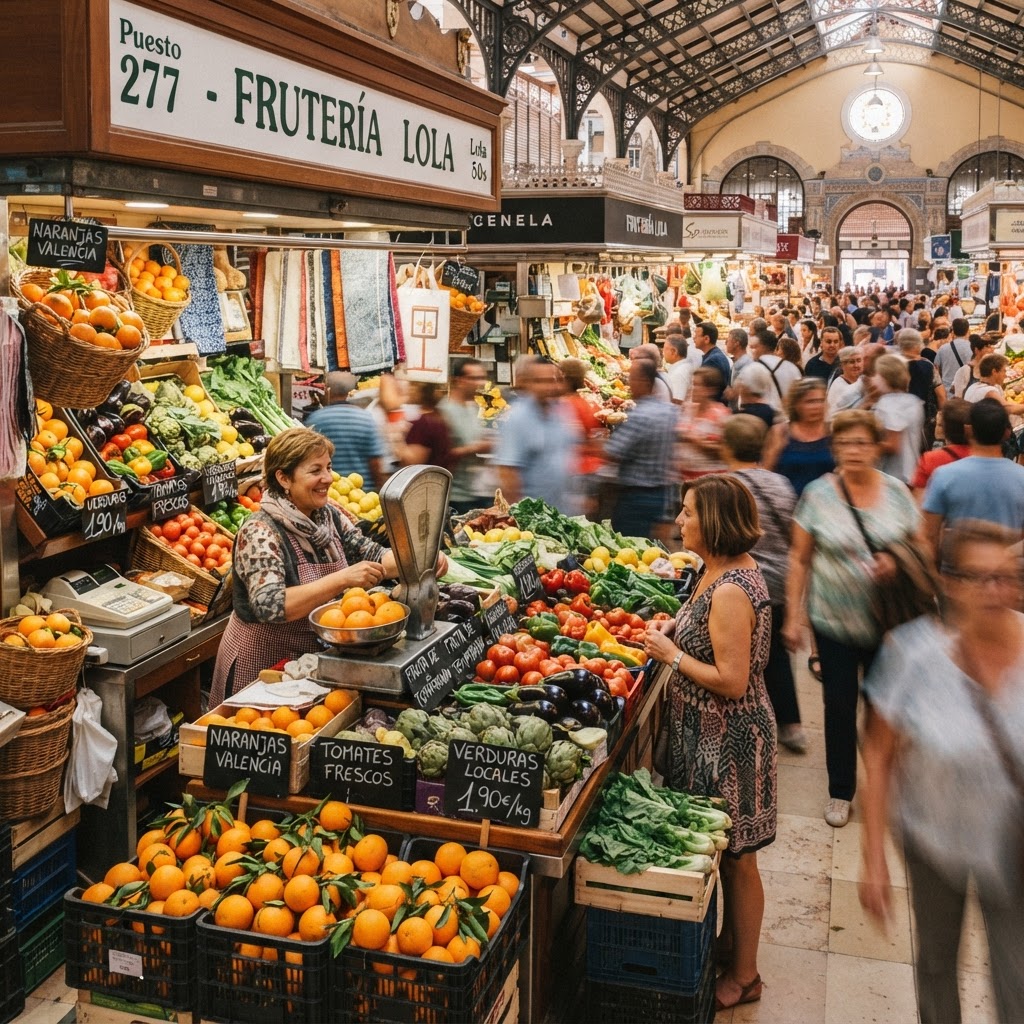
No trip to Valencia is complete without visiting the area surrounding the Central Market. Placa del Mercat offers a stunning view of the Art Nouveau facade of the market itself. However, the true photography gems are the tiny alleys that spiderweb out from the plaza. These streets are filled with local fruit vendors, overflowing flower stalls, and the hustle of daily Spanish life.
Why Candid Street Photography Works Here
The chaotic energy of the market area is perfect for candid photography. Look for the contrast between the historic stone architecture and the colorful crates of fresh oranges and vegetables. A fast shutter speed is essential here to capture the motion of people and the vibrancy of the market displays.
Calle de los Serranos
This street is dominated by the majestic Serranos Towers, one of the best-preserved medieval gateways in Europe. The sheer size of the stone towers against the blue sky is a photograph waiting to happen. The street itself is lined with classic Valencian townhouses, making it an ideal place to capture the transition from the old city walls to the modern urban layout.
The Colorful Houses of Russafa
Russafa is the hipster heart of the city, known for its eclectic bars, indie bookstores, and a constant rotation of colorful street art. Unlike the stone-heavy streets of the center, Russafa is defined by color. Walking down streets like Calle de Sueca or Calle de Cadiz, you will find buildings painted in bright yellow, royal blue, and deep terracotta.
Best Times for Color Photography
Direct sunlight can be harsh in Spain, often blowing out the highlights on bright walls. For the most saturated and rich colors, try to shoot in the ‘blue hour’ just after sunset or in the soft, diffused light of an overcast morning. This keeps the colors deep and prevents shadows from becoming too dark.
Calle de San Vicente Mártir
As one of the longest streets in the city, Calle de San Vicente Mártir offers a diverse range of photographic subjects. It stretches from the historic center out toward the modern parts of the city. You get a little bit of everything here: classic stone churches, bustling plazas, and modern shopfronts. It is the perfect place to document the evolution of Valencia’s cityscape.
Essential Photography Gear for Valencia
To make the most of your trip, consider your gear carefully. A versatile zoom lens (like a 24-70mm) will handle 90% of your street photography needs. A lightweight tripod is great for the occasional night shot of the City of Arts and Sciences, but for street walking, keep it minimal. Always bring a spare battery and a high-capacity memory card, as you will be clicking much more than you expect.
Quick Table: What to Capture Where
| Location | Best Feature | Photography Style |
| :— | :— | :— |
| El Carmen | Street Art | Urban/Gritty |
| El Cabanyal | Tiled Facades | Colorful/Detail |
| Calle de la Paz | Architecture | Classical/Symmetry |
| Russafa | Vibrant Walls | Lifestyle/Street |
Conclusion
Valencia is a city that reveals its beauty in layers. Whether you are wandering the tile-covered streets of the fishing districts or looking up at the grand monuments in the historic center, every corner offers a new perspective. We hope this guide helps you find the most photogenic streets in Valencia for your next creative adventure. Pack your camera, charge your batteries, and start exploring the vibrant colors of this Spanish gem. Do you have a favorite spot in the city that we missed? Let us know in the comments below and share your best photos with the community!
Leave a Reply