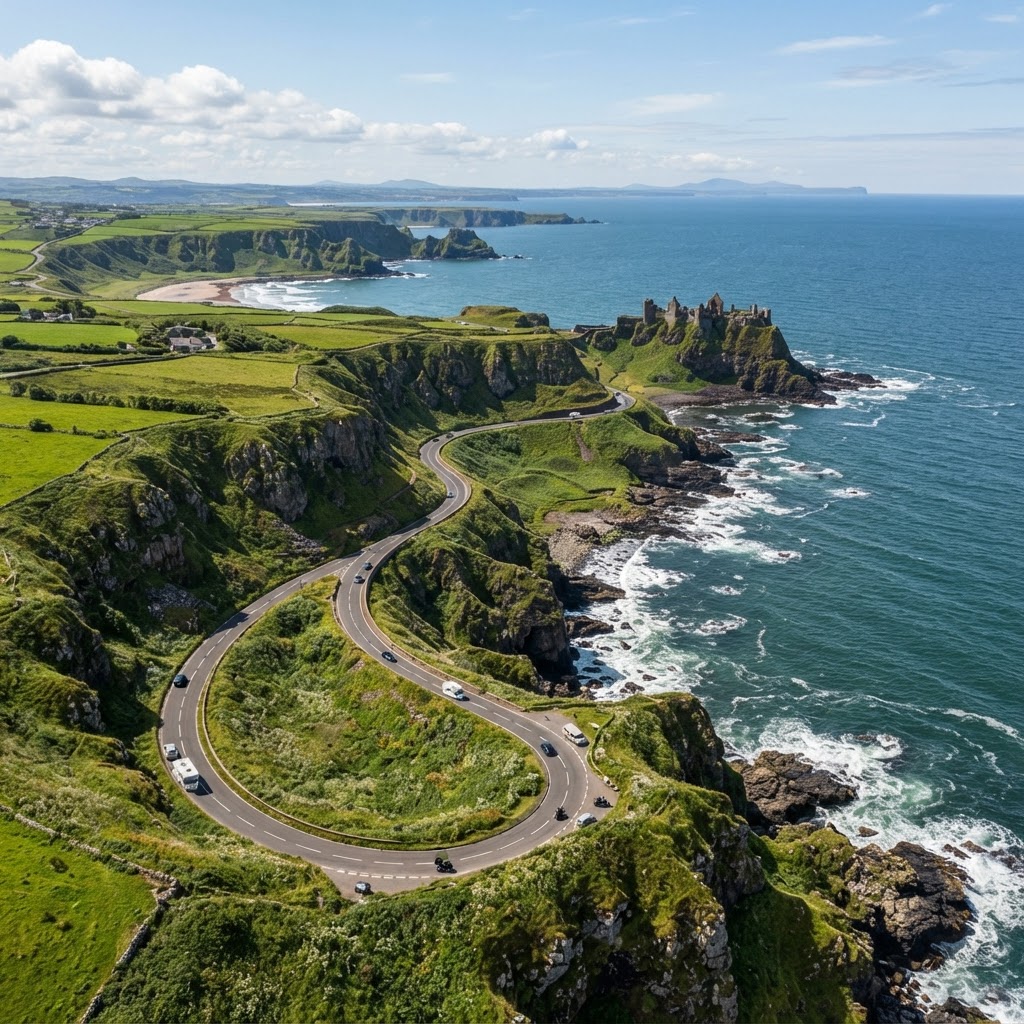
Northern Ireland Road Trip: Belfast to Coastal Cliffs
The optimal Northern Ireland road trip from Belfast to the coastal cliffs spans 120 miles along the Causeway Coastal Route, requiring 3 to 5 days to fully explore. This scenic journey offers a direct path through the Glens of Antrim, leading to UNESCO World Heritage sites and dramatic Atlantic viewpoints at your own pace.
Setting the Stage: Starting in Belfast
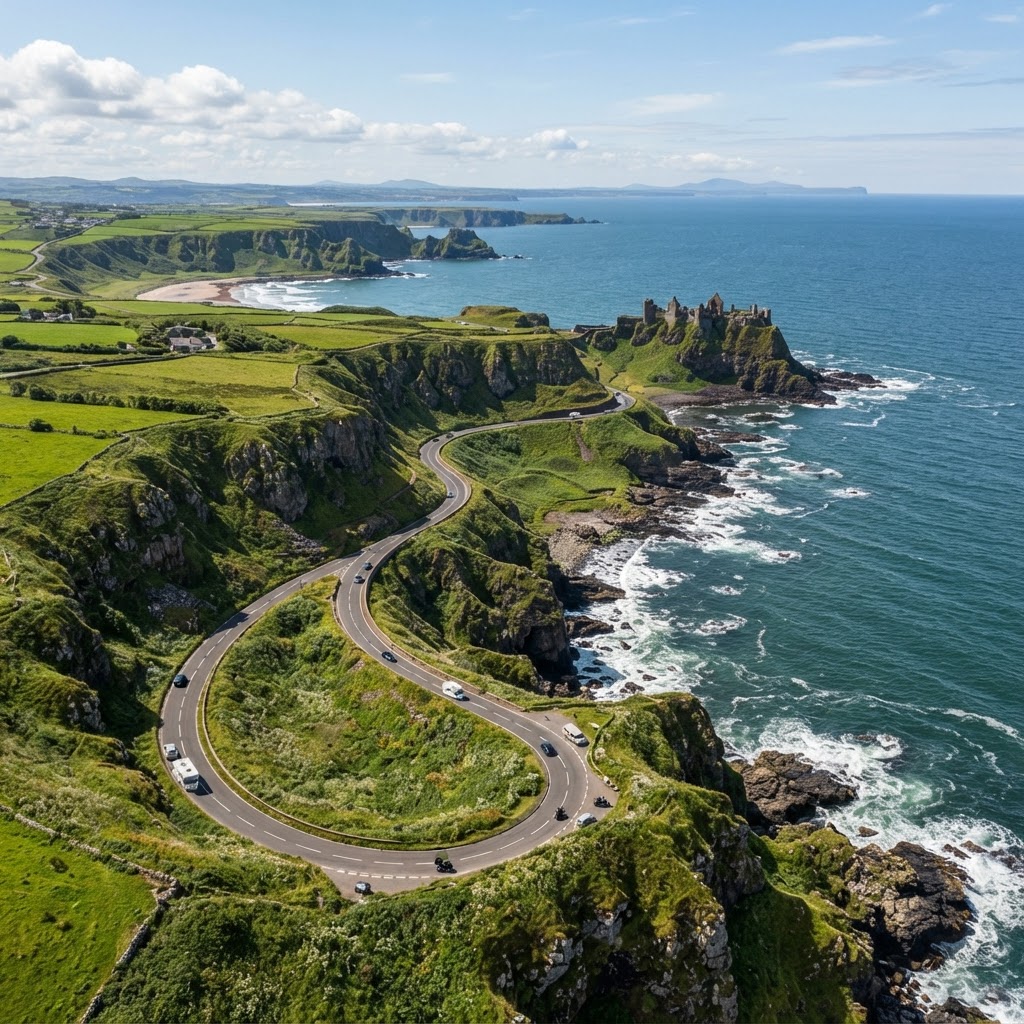
Your Northern Ireland road trip begins in Belfast, a city currently undergoing a significant cultural renaissance that serves as the perfect urban anchor. Before departing, dedicate at least one full day to exploring the Titanic Quarter, home to the award-winning Titanic Belfast museum, and the vibrant Cathedral Quarter’s culinary scene. Transitioning from Belfast to the North Coast, head north toward Larne where the official Causeway Coastal Route begins. This stretch, often cited as one of the world’s most spectacular drives, requires drivers to navigate narrow, cliff-hugging paths that offer intimate, unobstructed views of the Irish Sea. Preparation is key; ensure your rental vehicle is compact enough for single-track lanes and that you have checked tire pressure before leaving the city limits, as modern motorways are quickly replaced by exposed, winding coastal roads.
The Magic of the Glens and Coastal Vistas
Crossing into the Glens of Antrim introduces you to a series of nine stunning, glacially carved valleys that cut through the coastline toward the sea. Glenariff Forest Park, known as the “Queen of the Glens,” stands as the most accessible stop, featuring a 3-mile circular waterfall trail that showcases three distinct, powerful cascades. Beyond these inland valleys, the route hugs the shoreline through picturesque fishing villages such as Cushendun and Ballycastle. These stops provide critical opportunities to sample local seafood; for instance, the annual Ould Lammas Fair in Ballycastle is a historic highlight if visiting in late August. As you travel, the coastal cliffs loom significantly larger, signaling your approach to the North Coast’s primary attractions. Planning your stops around the tide can further enhance your experience, as many hidden sandy coves near Torr Head are only accessible or visible during low tide, offering a tranquil contrast to the rugged, towering basalt cliffs that define this stretch of the journey.
The Giant’s Causeway and Carrick-a-Rede
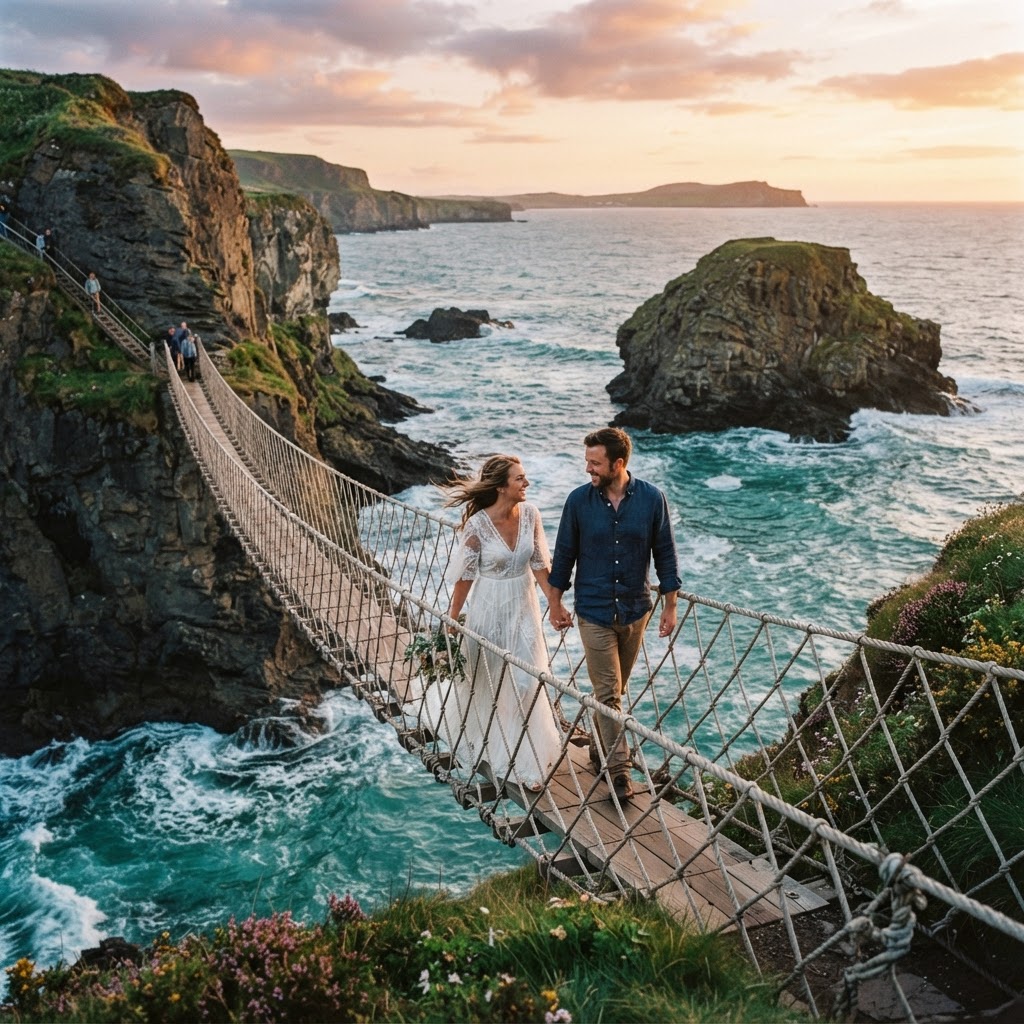
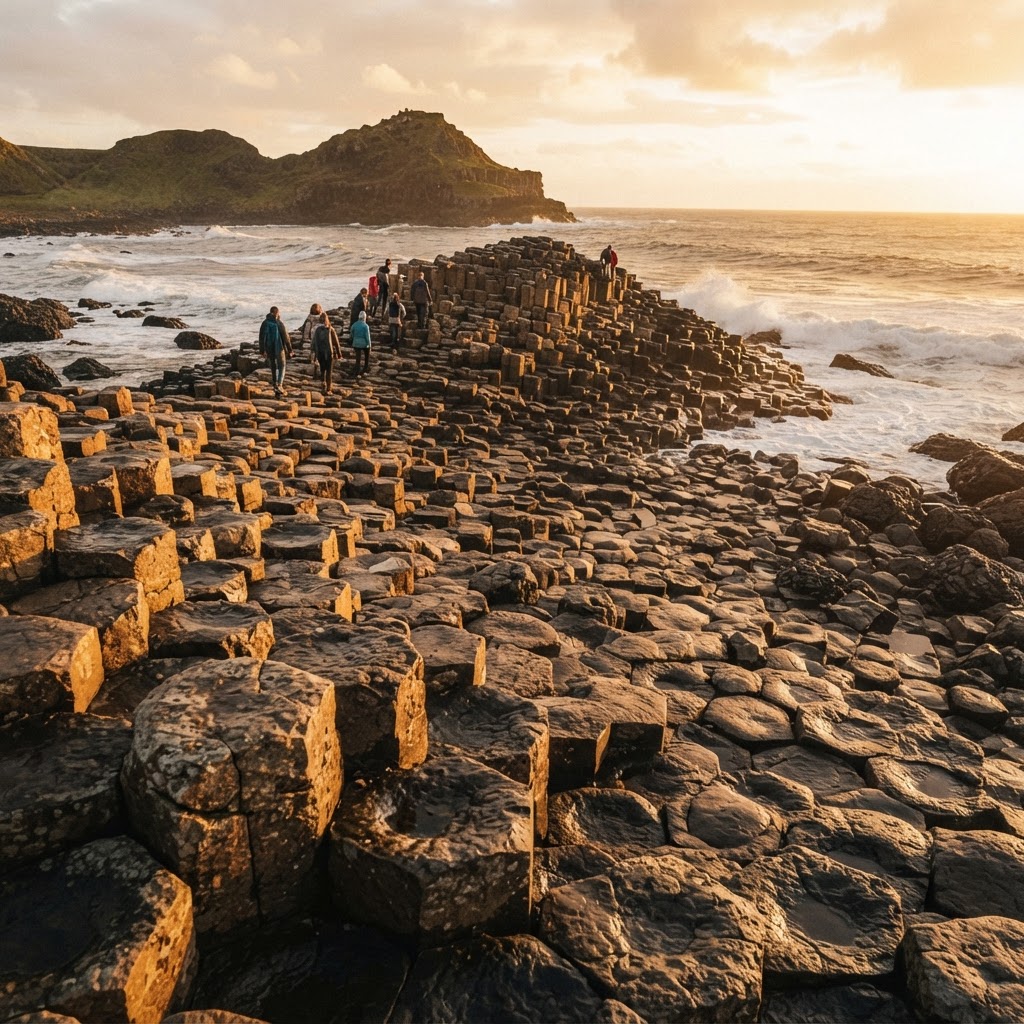
No Northern Ireland road trip is complete without exploring the Giant’s Causeway, a UNESCO World Heritage site consisting of 40,000 interlocking basalt columns created by volcanic activity 60 million years ago. To bypass the congestion of tour buses that peak between 11:00 AM and 3:00 PM, arrive at the site before 9:00 AM to enjoy the “Shepherd’s Steps” walk in relative solitude. When visiting the nearby Carrick-a-Rede Rope Bridge, travelers must manage logistics strictly; tickets often sell out weeks in advance during July and August. The bridge crossing, which spans 20 meters across a 30-meter-deep chasm, requires a pre-booked slot. Wear sturdy, waterproof footwear with high-traction soles, as the coastal path is notoriously slick and exposed to Atlantic gusts reaching up to 40mph.
Hidden Gems and Original Insights
While most tourists stick to the primary attractions, the true charm of this journey lies in the off-beat stops that offer deeper historical context and natural beauty. For instance, Torr Head provides a view that reaches across the North Channel to the Mull of Kintyre in Scotland, a distance of only 12 miles on clear days. We have compiled a comparison table to help you prioritize these hidden locations based on your specific travel interests.
Navigating Local Logistics and Safety
Driving in Northern Ireland requires strict adherence to local traffic etiquette, particularly on the narrow, winding stretches of the Causeway Coastal Route. While the main route is well-marked with brown tourist signage, secondary roads often narrow to single lanes; always yield to oncoming traffic by utilizing designated white-topped passing places. Weather is the most unpredictable variable; expect a 10-degree Celsius temperature drop when moving from inland glens to cliff-edge roads. Pack a high-quality, breathable waterproof shell, as rain squalls are frequent and can occur in minutes. Furthermore, fuel stations are sparse between Cushendun and Bushmills; keep your tank above the 25% mark to avoid being stranded in remote stretches. Should you encounter a local tractor or livestock on the road, slow down immediately and wait for a clear, safe signal to pass, as patience is considered a virtue on these local scenic routes.
FAQ
How many days do I need for this road trip?
Three to five days is the ideal timeframe to experience the route without feeling rushed. This duration allows for full days at major sites like the Giant’s Causeway while leaving time for unplanned stops at scenic viewpoints and local village pubs.
Is the route suitable for nervous drivers?
The route is generally safe, but it contains narrow sections and sharp, cliff-side bends that require concentration. Drive slowly, stick to your side of the road, and utilize marked passing places to remain comfortable while sharing the road with local traffic.
When is the best time to visit?
Late spring (May/June) and early autumn (September) offer the best balance of daylight hours and manageable crowds. These months provide roughly 15 to 17 hours of daylight, which is essential for maximizing your time at outdoor locations along the coast.
Do I need a rental car or can I use public transport?
A rental car is highly recommended for maximum flexibility and access to remote coastal viewpoints. While Translink bus services cover the main towns, they lack the frequency required to visit hidden gems like Torr Head or multiple hiking trailheads in a single day.
Are the coastal attractions free?
Most natural coastal landmarks are free to access, though parking at major sites like the Giant’s Causeway and Carrick-a-Rede incurs a fee. If you are a National Trust member, present your card at these locations to receive free parking and, in some cases, free site entry.
Leave a Reply