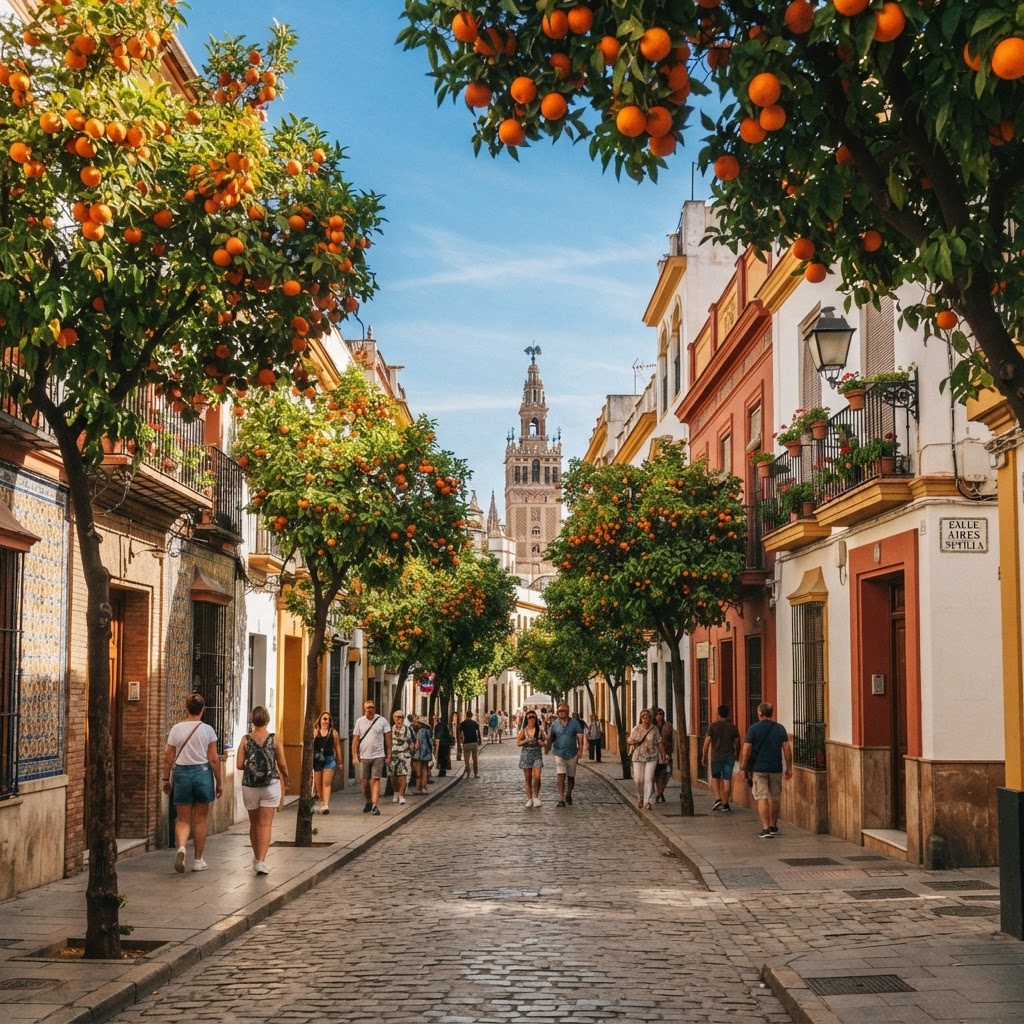
Orange Trees Lining the Streets of Seville: A Guide
Seville is home to over 40,000 bitter orange trees, a living legacy that defines the city’s identity and urban landscape. These iconic trees, or Citrus aurantium, are primarily managed for their historical significance, environmental benefits, and the production of traditional Seville orange marmalade, transforming the city into a fragrant garden each spring.
The History of Seville Oranges and Their Moorish Roots
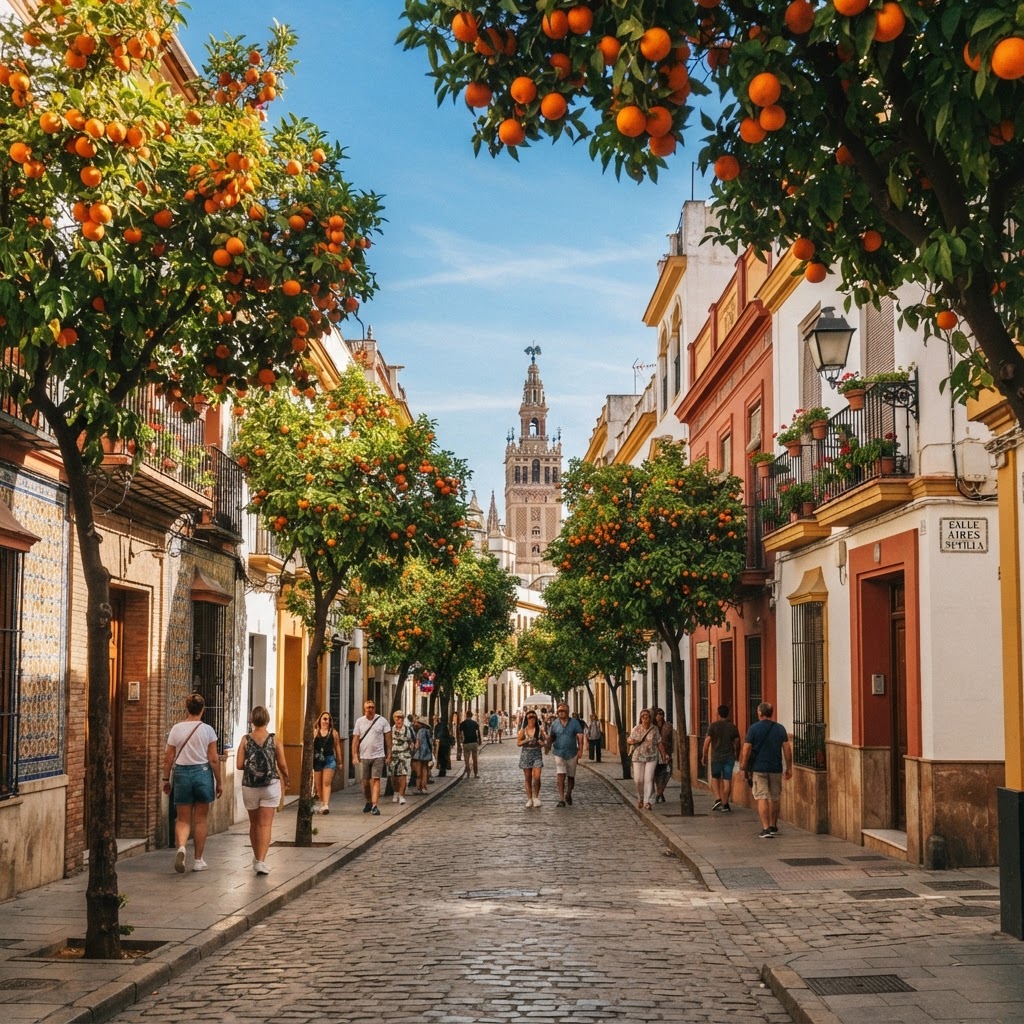
The presence of orange trees in Spain dates back to the Al-Andalus era, when Moorish rulers introduced sophisticated irrigation and botanical design to the Iberian Peninsula. These bitter orange trees were imported via the Silk Road from Southeast Asia, specifically chosen by the Moors for their medicinal properties, high drought tolerance, and ornamental beauty. They were planted in courtyards, known as patios, to provide shade and fragrance, effectively creating a cooler microclimate that helped mitigate the intense Andalusian heat.
Today, these 40,000 trees stand as a testament to historical city planning that seamlessly blended agriculture with aesthetics. The resilience of the Citrus aurantium allows them to thrive in the Mediterranean climate with minimal maintenance, cementing their status as a symbol of Seville’s endurance. Historians note that the integration of these trees was central to Islamic garden philosophy, where the garden was meant to reflect paradise on earth, featuring fragrant blossoms and fruit as key sensory components. Modern Seville continues to honor this layout, ensuring that historic boulevards and residential districts maintain the density of greenery intended by their original designers over 800 years ago.
The Magical Azahar Fragrance of Spring
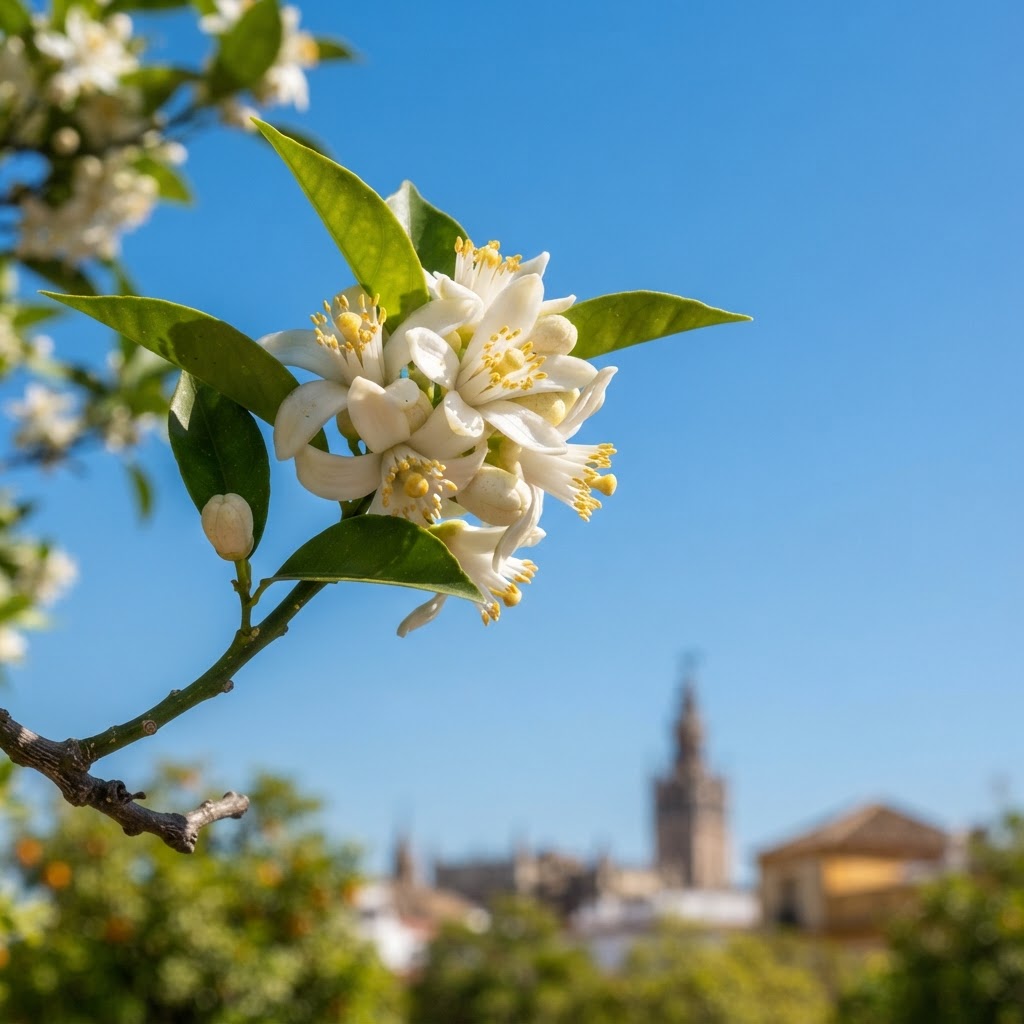
The blooming of the azahar, or orange blossom, is an annual phenomenon occurring each March that transforms Seville into a natural, scented parkland. This intense, sweet aroma—a complex blend of honey, citrus, and jasmine—is produced by the volatile oils within the white flowers, which are highly prized by the global fragrance industry. Visitors often notice the fragrance before they see the blooms, as the scent carries through the narrow, historic streets, signaling the arrival of spring and influencing local social customs, such as late-night outdoor dining.
How the Blossom Affects Daily Life
During the peak bloom, the azahar defines the social fabric of Seville. The flowers are not merely ornamental; they represent a significant economic resource. Local harvesters and perfumers gather thousands of tons of blossoms to extract essential oils for high-end cosmetics and perfumes. This seasonal shift encourages a unique “outdoor lifestyle,” where the air quality, filtered by the trees, is widely considered the most pleasant of the year. The psychological impact on residents is significant; the arrival of the scent is the traditional, non-negotiable marker that winter has ended. City planners also note that the blooming season coincides with an increase in pedestrian traffic in the city center, as the fragrant environment encourages walking, which in turn boosts local commerce in the historic plazas and cafes.
Managing the Harvest of Bitter Oranges
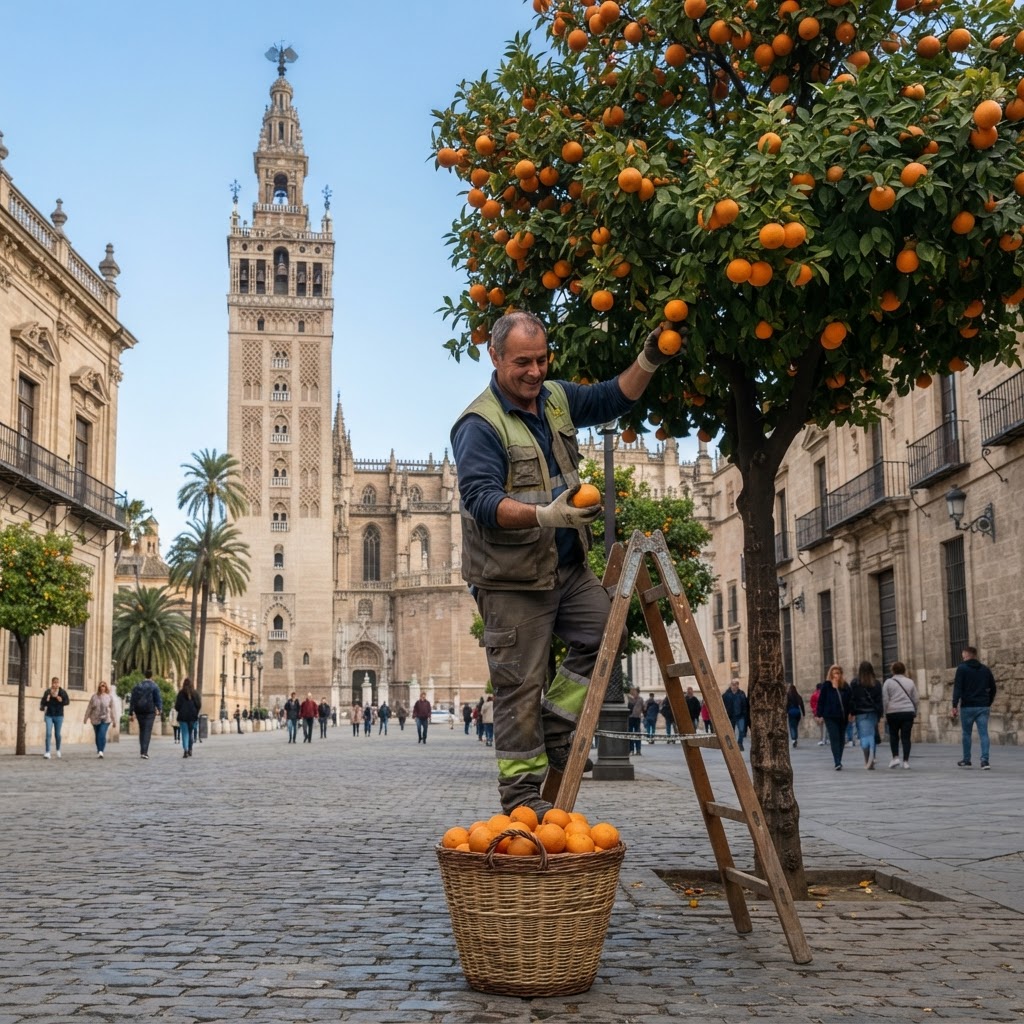
Seville manages a massive winter harvest to prevent the thousands of bitter oranges from rotting on the pavement, a process that is as much about city hygiene as it is about industrial utility. While the fruit is too bitter for raw consumption, the Citrus aurantium is the gold standard for marmalade production, liqueurs, and perfumes. The city employs hundreds of workers during the January and February harvest months, utilizing specialized mechanical shakers and traditional poles to efficiently clear the fruit from branches that can reach heights of over 20 feet.
| Feature | Bitter Orange (Street Trees) | Sweet Orange (Market Variety) |
|---|---|---|
| Taste | Highly tart/bitter | Sweet/Juicy |
| Primary Use | Marmalade, Essential Oils | Eating, Juice |
| Harvest Time | Dec – Feb | Variable (Year-round) |
| Edibility | Not recommended for raw eating | Safe for raw consumption |
The collected harvest is diverted to regional processing plants. A significant portion of the peel is processed for the famous Seville orange marmalade, while the essential oils derived from the peel and blossoms are sold to global perfume houses. Furthermore, the remaining organic waste is composted, effectively completing a sustainable lifecycle that feeds the city’s public green spaces.
The Urban Landscape and Sustainability
Seville has effectively transformed the challenge of maintaining thousands of fruit trees into a model of urban sustainability and climate adaptation. These trees act as essential air filters, trapping particulate matter and absorbing carbon dioxide, while their dense canopy provides natural shade that can reduce street-level temperatures by up to 5-7 degrees Celsius during the peak of the Andalusian summer. This passive cooling effect is critical for preserving the city’s historic stone architecture from excessive thermal expansion and contraction.
Urban planning policies in Seville now mandate the integration of fruit-bearing species in new developments to mirror the city’s traditional aesthetic and environmental benefits. By maintaining a “green heritage,” Seville ensures that the urban heat island effect is significantly lower compared to cities with less canopy cover. This commitment extends to water management, where the irrigation systems utilized for the trees are integrated into the city’s broader water reclamation efforts. As climate change increases regional temperatures, these orange trees serve as a vital, self-sustaining green infrastructure that keeps the city livable.
Tips for Visitors Enjoying the Orange Trees
Timing your visit is essential to capture the specific experience you desire, whether it be the spring fragrance or the winter fruit harvest. For those wanting to witness the iconic azahar scent, travel in late March to mid-April is recommended. If you prefer the visual spectacle of bright, golden fruit against the backdrop of the Giralda tower, plan your trip between December and February.
| Goal | Best Time to Visit |
|---|---|
| Fragrance/Spring Bloom | Late March – April |
| Visual/Fruit Sightseeing | December – February |
| Avoiding Crowds | Late February |
When photographing the trees, the Avenida de la Constitución offers the most photogenic views, framing the Cathedral against the verdant orange tree rows. It is important to note that while the fruit looks delicious, it is intentionally unpalatable raw. Leave the picking to the professionals, who ensure the harvest is utilized for marmalade production rather than ending up as waste on the street.
[](https://www.youtube.com/watch?v=ODEntSFA50c)
FAQ
Can I eat the oranges from the trees in Seville?
No, the oranges on Seville’s street trees are bitter oranges (Citrus aurantium) and are not suitable for raw consumption. They are extremely tart and sour, which is why they are harvested specifically for industrial use, such as making marmalade and essential oils.
Why does the city of Seville harvest the oranges?
Seville harvests the fruit every winter to keep sidewalks clean and prevent decay that would attract pests and cause odors. The harvest process is a highly organized operation that transforms the city’s waste into economic assets like marmalade and cosmetic-grade oils.
When is the best time to smell the orange blossoms?
The best time to experience the fragrance of the orange blossoms, or azahar, is during late March and early April. This is when the trees reach peak bloom, filling the city streets with a heavy, sweet scent often compared to a mix of honey and citrus.
How many orange trees are there in Seville?
Seville is home to over 40,000 orange trees, making it one of the largest concentrations of urban fruit trees in Europe. This massive population is a deliberate part of the city’s urban design and historical “green heritage.”
Are the orange trees native to Spain?
No, the orange trees were introduced to Spain by the Moors during their occupation of the Iberian Peninsula. They were brought from Southeast Asia via the Silk Road because they were well-suited to the Mediterranean climate and provided both shade and medicinal benefits.
Practical Tips for Visiting During Blossom Season
Timing your visit is everything if you want to experience the peak fragrance. Plan your trip for the second or third week of March. Arrive too early and you see only green leaves; arrive in April and the petals are already carpeted on the sidewalk.
Pack comfortable walking shoes that you do not mind getting dirty. When the blossoms fall, the streets can become slippery and sticky from the crushed fruit and flower oils. Avoid wearing light-colored suede shoes during this week as they will easily stain.
The Best Neighborhoods for Sensory Walks
- Barrio Santa Cruz: This is the most romantic spot for photography. The narrow, winding alleys trap the scent of the trees, making the experience much more intense than in open plazas.
- Plaza de Pilatos: Visit the palace courtyard here. It perfectly preserves the original Moorish design. You can sit in the shade and hear the fountains while the scent of orange blossoms fills the air.
- Parque de María Luisa: If you want to escape the city noise, head here. This is the largest green space in the city. You can walk for hours under the canopy without navigating through crowds of tourists.
Avoiding Common Tourist Mistakes
The biggest mistake travelers make is attempting to eat the oranges straight from the tree. They look vibrant and juicy, but they are intensely bitter and practically inedible raw. If you try one, you will immediately understand why they are strictly used for marmalade and essential oils.
Do not rent a car to see these trees. The old city center is a maze of one-way streets and restricted zones. Walking is the only way to truly appreciate the scale of the 40,000-tree urban forest. If you rely on taxis, you will miss the hidden patios and side streets where the scent is strongest.
Budgeting and Planning Your Trip
Seville is affordable compared to Madrid or Barcelona, but prices spike during the blossom season. Expect to pay a premium for boutique hotels located near the Cathedral or Santa Cruz. Book your accommodation at least three months in advance to secure a reasonable rate.
Budget around 60 to 80 euros per day for a mid-range experience. This covers tapas, local wine, and entrance fees to historical sites. Skip the expensive guided walking tours unless you want specific historical data. You can achieve a better experience by simply following your nose through the old quarters.
Quick Checklist for Your Seville Trip
- Book your flights for mid-March.
- Reserve your stay in the Santa Cruz district.
- Bring a high-quality camera for the white-petaled backdrops.
- Pack a light jacket for cool, crisp evenings.
- Research a local marmalade shop to bring a jar home.
Frequently Asked Questions
Can I pick the oranges and take them home?
No, it is strictly forbidden to harvest the fruit yourself. The city harvests these oranges systematically to manage the streets. If you try to pick them, you may face a fine from local authorities. Buy them from a market instead.
Is the scent too overwhelming for people with allergies?
The scent is very potent and permeates every corner of the city center. If you have severe floral allergies, keep antihistamines on hand. The density of the trees means there is no way to avoid the pollen in the city center during March.
Are there orange trees outside the city center?
Yes, the trees line streets across the metropolitan area, not just in the historic core. Residential neighborhoods like Nervión offer a quieter experience. You can see the trees there without the heavy tourist traffic found in the city center.
Leave a Reply