
The Spanish paseo is a traditional, slow-paced evening social stroll taken through the streets of a town or city, typically occurring between 7:00 PM and 9:00 PM. It is designed to be an aimless, restorative practice that prioritizes community connection, sensory engagement, and decompressing after the workday rather than physical exercise.
The Cultural Essence of the Paseo
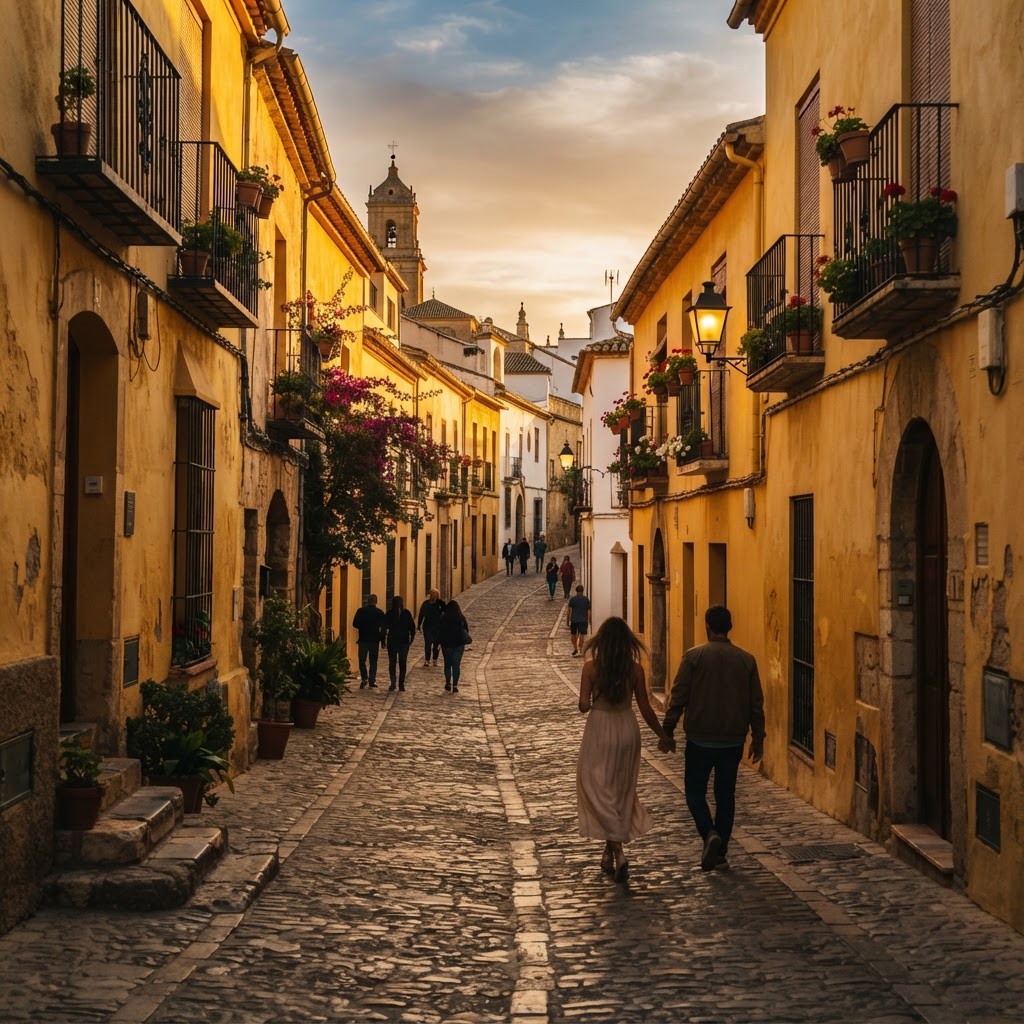
At its core, the paseo is a slow, aimless walk taken through the streets of a town or city, usually occurring between the late afternoon and the early evening. Unlike a power walk or a commute, the paseo has no destination. It is an end in itself, designed to allow people to see and be seen, to catch up with neighbors, and to decompress after the working day. According to Spanish cultural norms, this ritual is the primary mechanism for maintaining communal bonds in smaller municipalities where the social structure hinges on these daily, unhurried interactions.
In many Spanish villages, the entire social structure hinges on this evening stroll. You will find multi-generational families walking side-by-side, elderly men discussing local news on benches, and teenagers finding their own space to socialize. It is a profound expression of communal life that has survived the pressures of modernity and urbanization. By participating, you are not merely walking; you are engaging in a centuries-old practice that emphasizes the value of presence over the efficiency of movement.
Timing Your Walk for Maximum Enjoyment
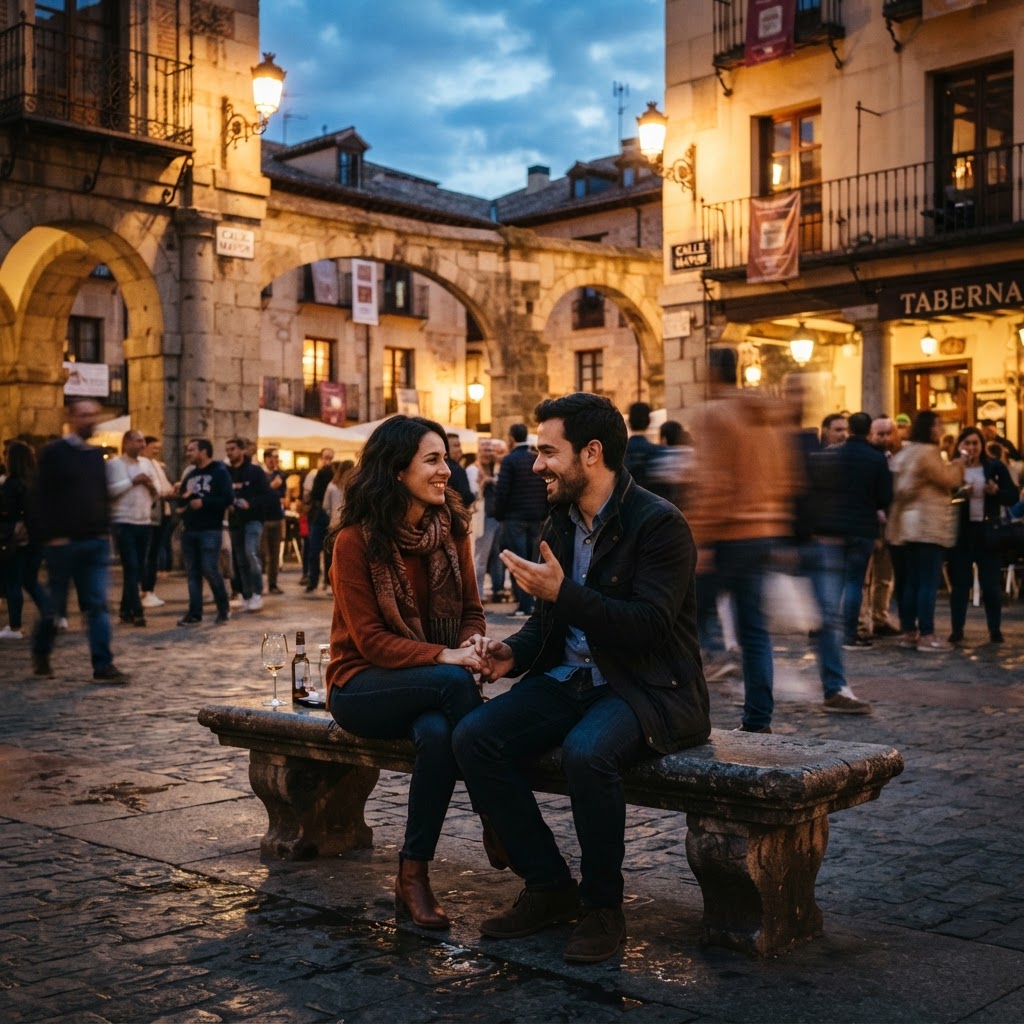
The secret to an authentic experience lies in the timing, which shifts according to local customs and seasonal temperature fluctuations. While a standard walk might start at 7:00 PM, residents in hotter climates often delay the activity until 9:30 PM to avoid residual daytime heat. Understanding these seasonal nuances is key to blending into the environment and experiencing the city as the locals do.
Seasonal Variations
Summer strolls: In the height of summer, the heat makes activity during the day impossible. The paseo begins much later, sometimes not until 9:30 PM, when the sun finally dips below the horizon and the stone walls of the buildings start to release the day’s absorbed warmth.
Winter strolls: During the colder months, the walk happens earlier, often while there is still a sliver of golden hour light. It is a brisk, invigorating experience that keeps the circulation moving before dinner.
The Etiquette of the Stroll
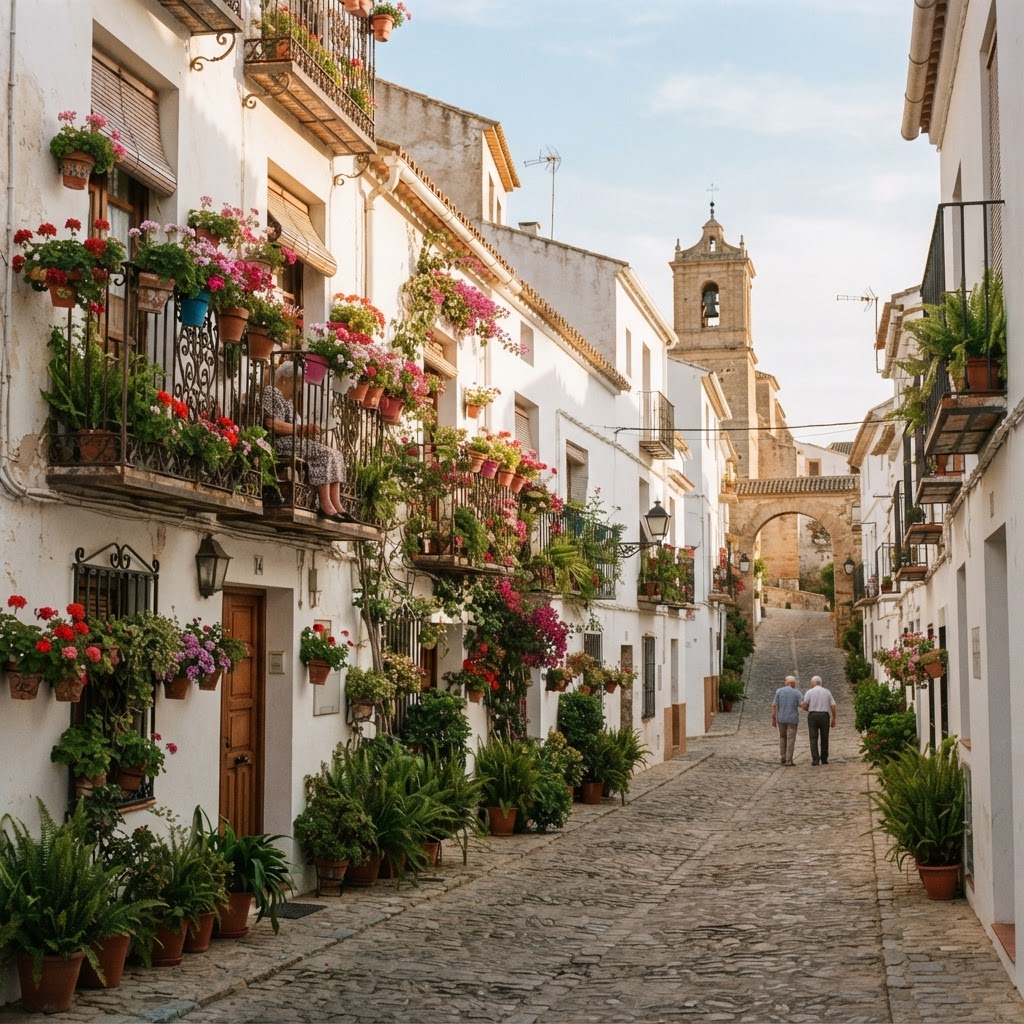
While the paseo is informal, there is a certain unspoken etiquette to it that dictates behavior and social interaction. First, you must abandon the idea of speed; this is not a workout in the traditional sense, but a leisurely saunter. If you walk too fast, you miss the nuances of the street life, such as the specific greeting patterns of local residents or the changing window displays of artisan shops.
Furthermore, be prepared to stop. If you see someone you know, the expectation is that you will engage in conversation. If you are a visitor, even a friendly nod or a ‘buenas tardes’ to a shopkeeper or a fellow stroller can go a long way in integrating you into the local atmosphere. It is an exercise in social lubrication. Observers note that frequent, short pauses are not interruptions to the walk; rather, these pauses are the entire point of the experience.
Where to Walk: Finding Your Route
Choosing the right path is crucial for a successful afternoon walk, with the most authentic routes prioritizing pedestrian-only zones and historic city centers. In a Spanish town, this usually means heading toward the heart of the community, such as the ‘Plaza Mayor’ or the main promenade (paseo marítimo), where the density of social life is highest.
[](https://www.youtube.com/watch?v=dAqUI7yZcJ0)
Characteristics of a Great Route
- Pedestrian-friendly: Avoid heavy traffic areas; choose cobblestone streets or promenades.
- Social hubs: Aim for areas with outdoor cafes where you can observe the local scene.
- Aesthetic value: Choose routes that offer a mix of historic architecture and open squares.
- Sensory input: Look for routes that pass by local bakeries or flower markets to engage your senses.
Benefits for Mind and Body
Beyond the social aspects, the paseo provides significant physiological and psychological benefits rooted in low-intensity movement. Medical experts often advocate for ‘low-intensity steady-state’ exercise, which the paseo exemplifies perfectly. By walking without pressure, you lower cortisol levels and improve cardiovascular health without inducing the stress that high-intensity interval training can sometimes cause.
Psychological Restoration
There is a psychological concept known as ‘soft fascination,’ which refers to environments that capture our attention effortlessly, allowing the brain to recover from focused concentration. The sights, sounds, and social rhythms of a Spanish street provide exactly this kind of restorative environment. You are not forced to think or solve problems; you are simply witnessing life unfold. Research suggests that 20 to 30 minutes of this type of ‘mindless’ walking in an urban setting can significantly reduce cognitive fatigue compared to exercising in a gym environment.
Essential Gear for the Perfect Walk
One of the beautiful things about the Spanish afternoon walk is that it requires almost nothing, though specific gear choices can improve your comfort level significantly. Focus on comfort above all else, as this is a practice meant to sustain your well-being, not fatigue you. The most vital consideration is footwear, as you will likely traverse uneven cobblestones or ancient stone paving that demands supportive shoes.
Recommended Items
Integrating the Practice into Your Daily Life
You do not need to be in Madrid or Seville to enjoy the benefits of a Spanish-style stroll; you can cultivate this habit anywhere by reclaiming the time between your daily obligations and your evening meal. Instead of immediately checking emails or turning on the television, commit to twenty minutes of walking outside. This shift in behavior can act as a psychological “boundary” that signals to your brain that the workday is officially finished.
Find a route near your home or office that feels safe and pleasant. Try to notice something new every single day—the way the light hits a particular building, the specific trees in bloom, or the habits of the people you see consistently. Over time, this daily ritual will become a sanctuary that helps balance the high-speed demands of modern life.
FAQ
Q: What is the primary purpose of a paseo?
The primary purpose of the paseo is to facilitate social connection and mental decompression. It serves as a daily ritual that allows individuals to transition from the stress of their working lives to the comfort of their personal time by interacting with their community in an unhurried, public setting.
Q: Do I need special equipment to go on a paseo?
No special equipment is required for a paseo, but wearing comfortable walking shoes is highly recommended due to the uneven cobblestone streets often found in Spanish towns. Carrying a light layer of clothing is also wise, as temperatures can drop quickly after sunset.
Q: Can I practice the paseo outside of Spain?
Yes, you can practice the paseo anywhere by dedicating 20 to 30 minutes of your late afternoon or early evening to a slow, aimless walk. The goal is to disconnect from digital devices and observe your local surroundings, effectively replicating the social and mental reset found in Spanish culture.
Q: What time of day should I go for a stroll?
The ideal time to start a paseo is between 7:00 PM and 9:00 PM, though this varies by season and region. In the peak of summer, many locals wait until the sun sets or temperatures drop below 80°F (27°C) before beginning their stroll to ensure maximum comfort.
Q: Is the paseo considered a workout?
No, the paseo is not a fitness-focused workout but a form of low-intensity, restorative movement. While it provides cardiovascular benefits, its emphasis is on social interaction and psychological relaxation rather than heart-rate elevation or caloric expenditure.
Mastering the Pace: Where and How to Walk
You need the right route to truly experience the paseo. Skip the modern shopping malls or busy commercial avenues. Instead, aim for the historic heart of the town, specifically the Plaza Mayor or the main pedestrian-friendly Calle Real.
These areas are the social lungs of any Spanish settlement. You will find that these spaces have wide sidewalks designed for clusters of people. Look for streets lined with traditional cafes and tapas bars. The sound of clinking glasses and overlapping conversations serves as the perfect soundtrack for your walk.
Avoiding Common Pitfalls
Many travelers treat the paseo as a tourist sightseeing tour. Do not hold a map in your hands or stop constantly to take photos of architecture. This ruins the flow of the street. If you must check your route, step into a doorway or sit on a public bench to avoid blocking the local rhythm.
Another mistake is dressing like a hiker. Leave your high-performance athletic gear and trekking poles at the hotel. Locals wear smart-casual attire. If you look like you are heading to a mountain, you will immediately mark yourself as an outsider. Put on a comfortable pair of leather loafers or clean sneakers and enjoy the stroll.
The Anatomy of a Perfect Stroll: A Step-by-Step Guide
- Phase One (The Warm-up): Start by finding a plaza. Grab a café solo or a small glass of wine at a sidewalk table. Watch the crowds for twenty minutes before you join the movement.
- Phase Two (The Flow): Enter the flow of pedestrian traffic. Do not try to maintain a straight line. Meander slightly. If you see someone you recognize, stop and chat. If not, simply enjoy the passive observation of others.
- Phase Three (The Pivot): Most paseos lead naturally to a local bar or an ice cream parlor. Follow the lead of the families around you. If they stop for a treat, you should do the same.
- Phase Four (The Cool Down): End your walk when the hunger for dinner truly sets in. This is usually around 10:00 PM in the summer. Walk directly into a restaurant rather than returning to your room.
Paseo Checklist: Prepare for Success
- Footwear: Choose comfort over fashion, but avoid neon-colored running shoes.
- Timing: Check the local sunset time. Add thirty minutes to that time for your ideal departure.
- Social Battery: Be prepared to smile and nod. A quick ‘buenas tardes’ to someone you pass on a bench is perfectly acceptable.
- Hydration: Keep your hands free. Do not carry a large water bottle or a bulky backpack.
Frequently Asked Questions
Do I need to speak Spanish to participate?
Not at all. The paseo is a silent language of presence and shared space. A polite smile or a simple greeting is more than enough to show you are a respectful participant.
Can I bring my camera?
It is best to leave it behind. Bringing a large professional camera turns the experience into a photo shoot. Use your phone discreetly if you must, but keep it in your pocket for most of the walk.
Is the paseo appropriate for solo travelers?
Absolutely. The paseo is the best place to observe the local culture without feeling like a lonely tourist. You are a single participant in a larger community fabric, which is a wonderful way to feel grounded in a new place.
Leave a Reply