
The quietest Greek islands for a picturesque, crowd-free escape are Folegandros, Syros, Milos, and Lefkada. These destinations offer authentic experiences, preserved traditional architecture, and secluded beaches far from the mass tourism circuits of Santorini or Mykonos, making them ideal for travelers seeking tranquility and a slower pace of life.
The Quest for Tranquility in the Aegean
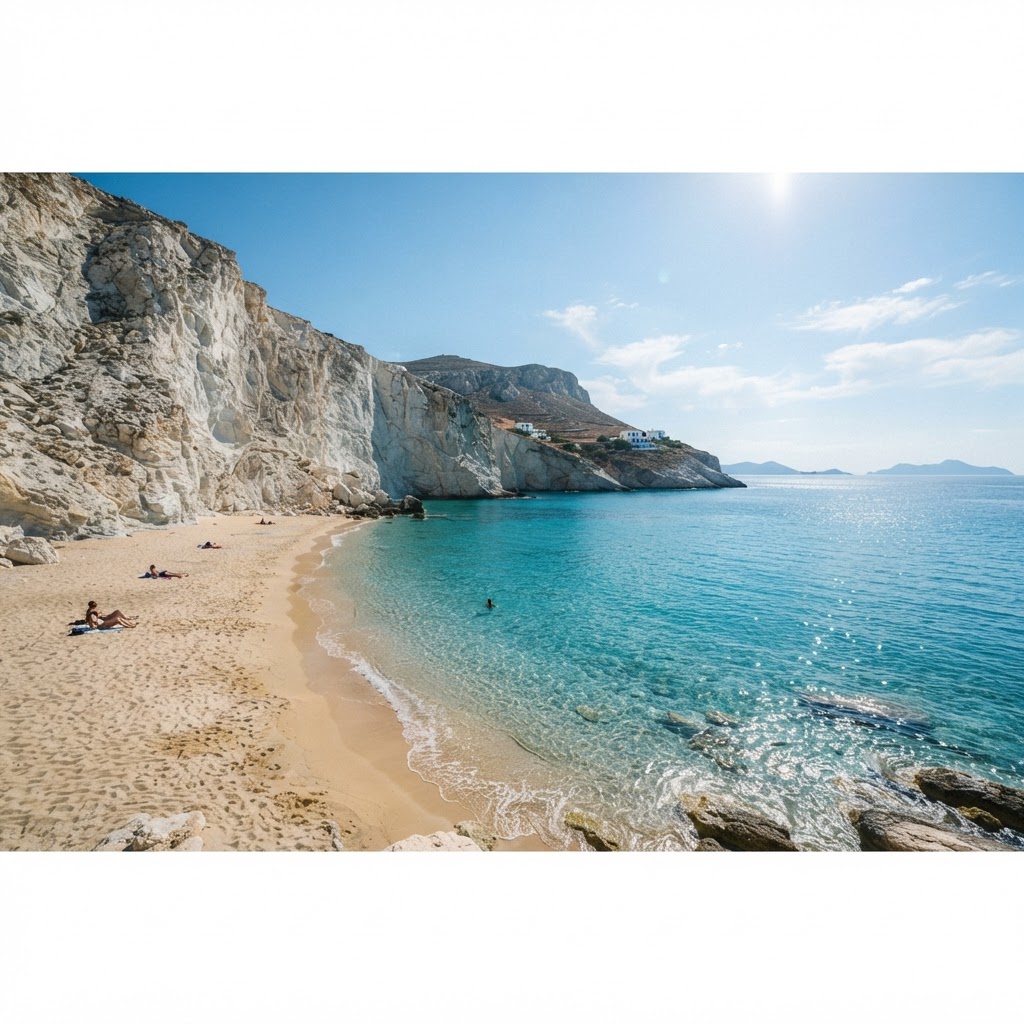
Finding a truly quiet Greek island requires venturing beyond the standard ferry routes that shuttle thousands of tourists daily to major hubs. By prioritizing islands with fewer large-scale cruise ship docks, you ensure a more intimate experience. Destinations like Folegandros and Syros frequently top the list for travelers because they lack mass commercialization, allowing their distinct, centuries-old character to remain intact. Choosing the right destination depends on your specific travel goals: whether you prioritize rugged hiking trails, private swimming coves, or an authentic chora where you can interact with local residents over a cup of traditional Greek coffee. While these islands often require an extra 2–4 hours of ferry travel, the reward is a lack of nightlife replaced by the brilliance of the starlit sky and the soothing hum of cicadas. When you visit these remote archipelagos, you are not merely a tourist; you are a guest in a living, breathing tradition that remains largely untouched by modern luxury resort culture.
Quiet Island Comparison
Folegandros: A Cliffside Dream
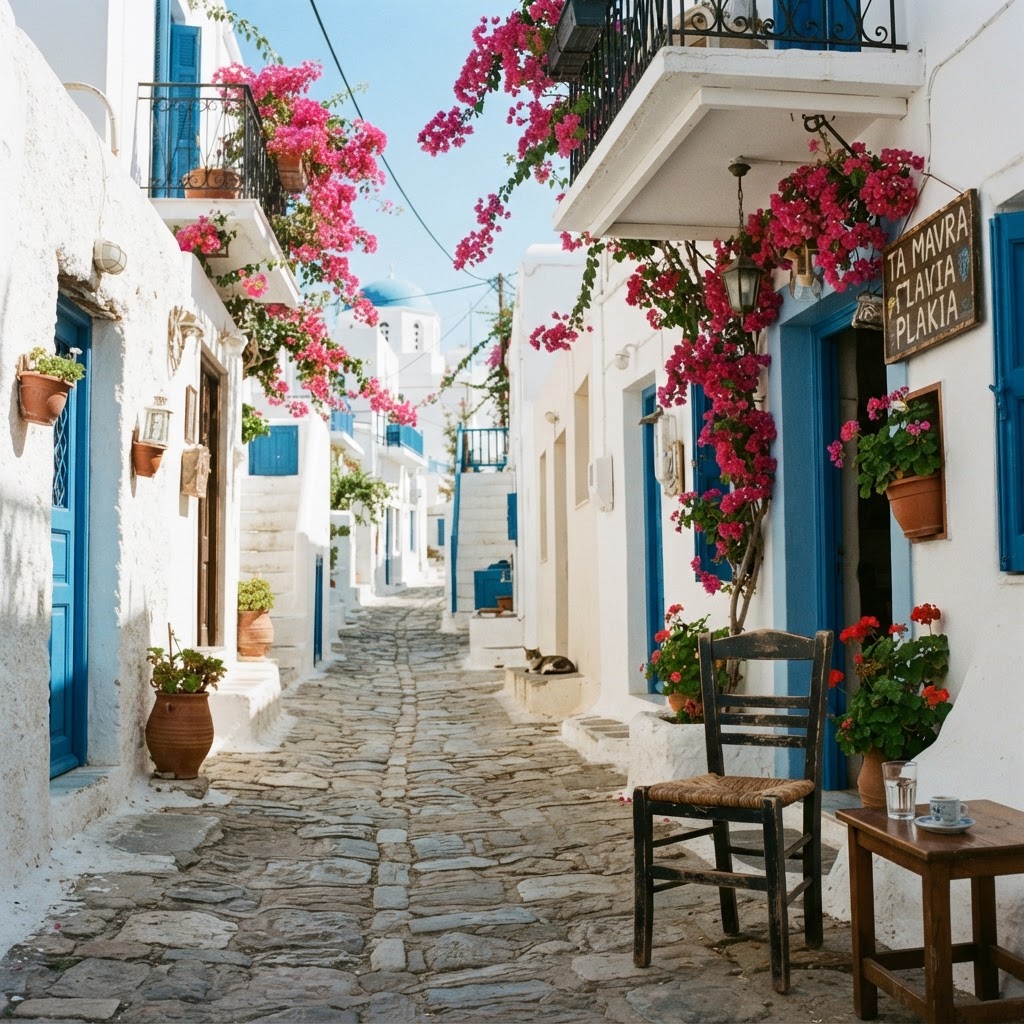
Perched high on a dramatic cliff, Folegandros is arguably one of the most picturesque spots in the entire country, remaining blissfully disconnected from the high-energy party circuits of its neighbors. The main village, or chora, serves as a masterclass in traditional Cycladic architecture, featuring a labyrinthine maze of alleys and beautiful squares designed to maximize golden hour light. There is no need for a massive, rigid itinerary here, as the island rewards a slower tempo. Your days will naturally revolve around leisurely 20-minute walks to the Panagia Church for the island’s famous sunset or chartering small local boats to reach secluded beaches inaccessible by road. Because the island is compact—measuring just 32 square kilometers—you do not strictly need to rent a car, though doing so provides extra freedom. Dining in the local tavernas is a ritual here, where the specialty is often a warm, comforting bowl of local handmade pasta known as matsata, typically costing around 12–15 euros. This is a place for the traveler who values silence and vertical vistas over busy beach clubs.
Syros: The Sophisticated Secret
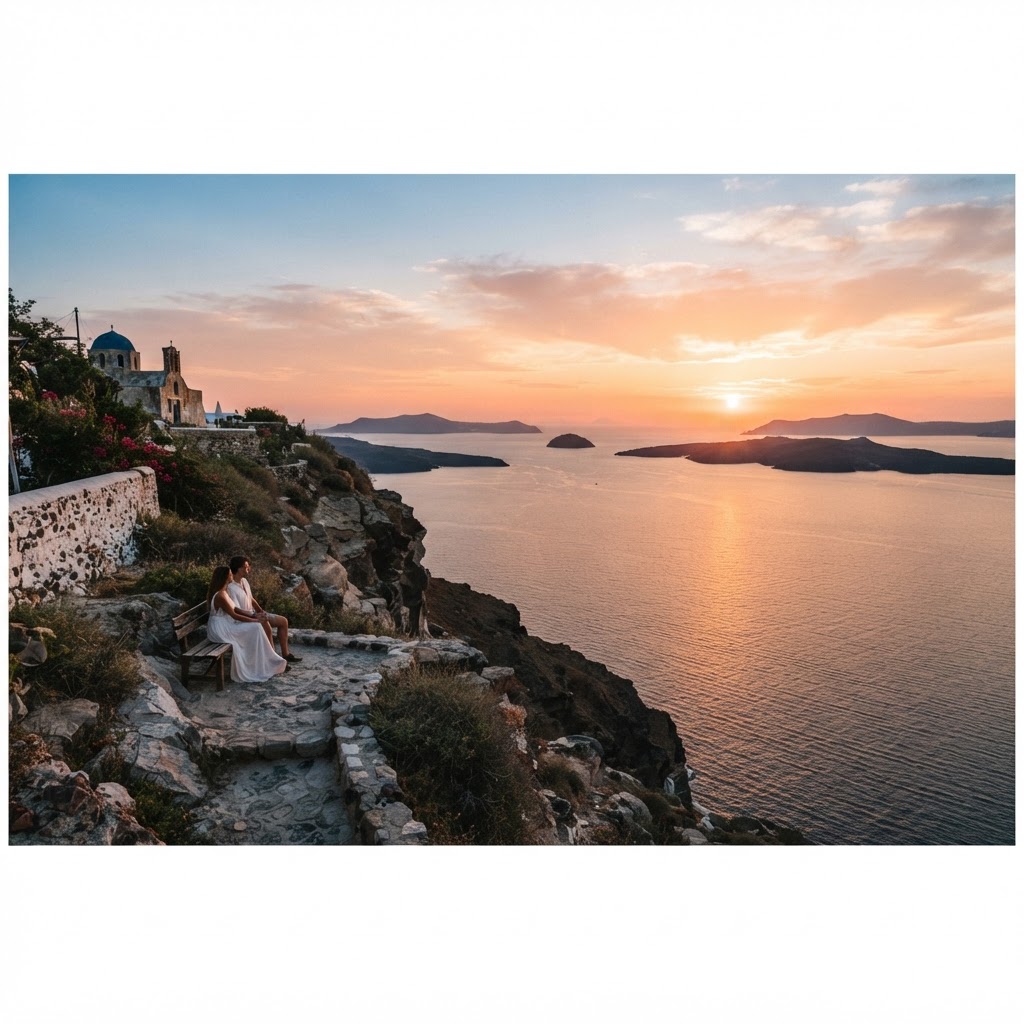
Syros is a fascinating study in contrasts that serves as the administrative capital of the Cyclades, boasting a neoclassical aesthetic that feels much grander than the typical white-washed box houses found on other islands. Hermoupolis, the main harbour, acts as a vibrant hub of culture and history that feels genuinely lived-in rather than staged for visitors. For those wondering which Greek island is best without crowds, Syros stands out because it maintains a year-round population of over 20,000 residents, meaning services and authentic culture persist outside the short summer tourist season. You can spend your mornings exploring the grandiose architecture of Miaouli Square and your afternoons lounging on quiet beaches like Kini or Galissas. Syros is a top contender for the most beautiful non-touristy Greek island, effectively blending urban elegance with the rugged, wild spirit of the Aegean sea. The cost of living and dining here is generally 20% lower than in Santorini, reflecting its status as a local hub rather than a tourist-only destination.
Paros and the Allure of the Lesser-Known
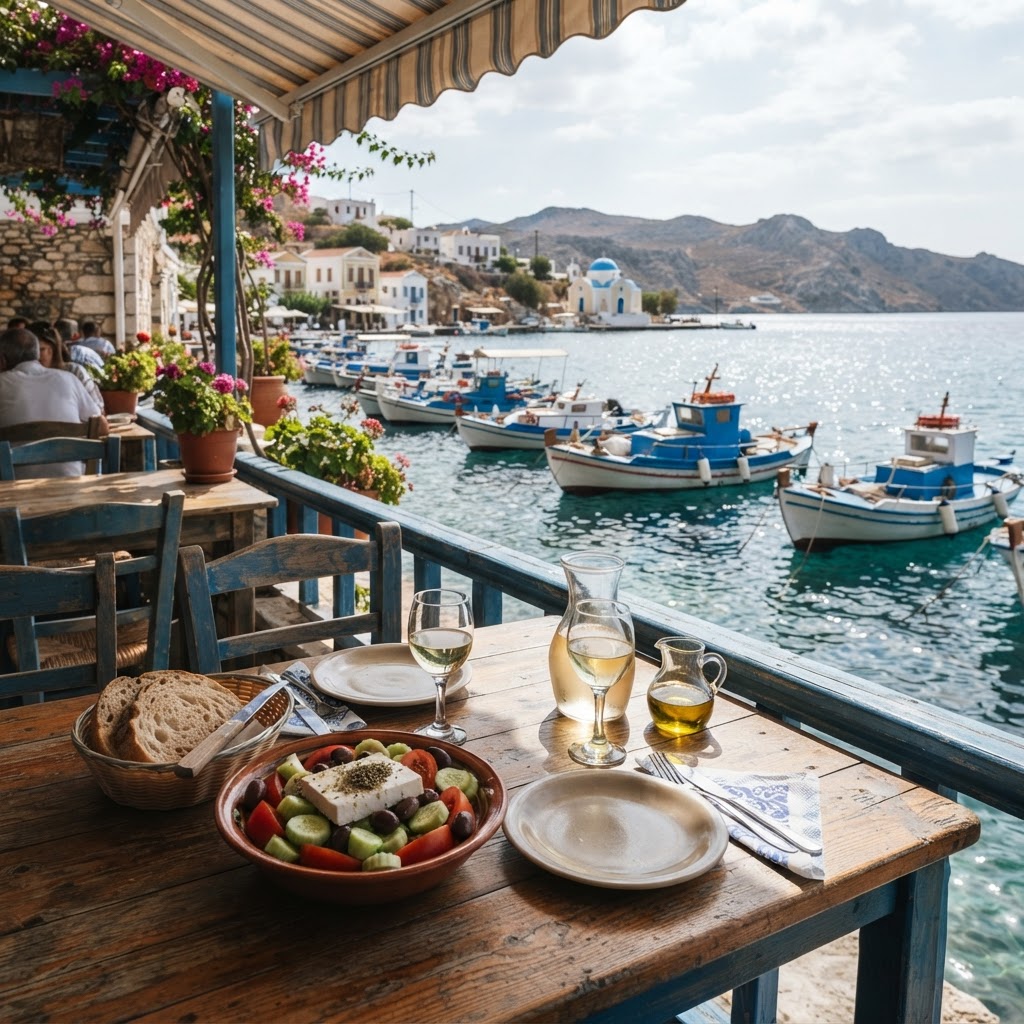
While Paros has gained popularity in recent years, it still manages to retain pockets of extreme solitude if you know where to look. Many visitors flock to the coastal hubs like Naoussa, but if you head inland toward traditional mountain villages like Lefkes, you will discover a completely different, quiet world. Lefkes offers a view of the surrounding landscape and neighboring islands that is unmatched, providing a calm atmosphere that forces you to put down your phone and disconnect. When exploring these regions, consider the logistical side: using a local ferry to hop between smaller ports gives you the best perspective on how the terrain changes. While some travelers ask if there are any Greek islands to avoid, the answer is rarely about the location itself and more about timing; visiting in late September or early October allows you to enjoy the island’s beauty with 60% fewer crowds than in August. By seeking out these quieter inland alternatives, you maintain control over your aesthetic escape and experience the true, unhurried pace of island life.
Milos and the Sculpted Coastline
If your idea of a perfect trip involves unique geological formations, Milos is the premier destination, famous for its volcanic landscape and lunar-white rock formations. The island features some of the most striking beaches in Greece, where the sand turns to stark white and the water glows with a piercing neon blue, such as at Sarakiniko beach. The coastline is broken up by dozens of unique coves and sea caves that are perfect for swimmers who want absolute privacy. Unlike the more commercialized islands, Milos feels vast and largely unexplored, covering over 160 square kilometers. You will find that even at the most popular spots, there is a sense of space that allows for genuine reflection and photography. Whether you are exploring the colorful syrmata—traditional fishing houses carved into the rock—at Klima, or watching the sunset from a lonely lighthouse, the island invites you to slow down. It is an essential destination for those who love the raw, unpolished beauty of nature and prefer geological wonder over organized nightlife.
Lefkada and the Ionian Alternative
Lefkada, located in the Ionian Sea, stands as a stunning alternative to the Aegean, offering a unique accessibility feature by being connected to the mainland via a bridge. The island is defined by its dramatic western coast, where massive beaches like Porto Katsiki are hemmed in by steep, forested cliffs. This is a lush, verdant landscape that feels more Italian in its vegetation than the arid islands of the Cyclades. The culture here is deeply rooted in mountain traditions and maritime history, which you can experience by visiting the inland villages like Karya or Egklouvi. You will find excellent, affordable food in the tavernas dotting these hills, where prices are often 30% lower than on islands like Mykonos. If you are looking for an escape that feels both classic and distinctly different from the typical island stereotype, Lefkada provides a perfect mix of accessible road trips, incredible mountain views, and some of the clearest water in the Mediterranean.
Practical Tips for Your Aegean Escape
When planning your quiet island adventure, remember that accessibility and seclusion are often inversely proportional, meaning the harder it is to reach an island, the quieter it will be. To maximize your peace and quiet, pack light to easily manage your luggage on local ferry connections, and be prepared to use regional bus services or rent a scooter for true freedom. Most importantly, try to visit during the shoulder seasons—late May or early October—to maximize your chances of having a beach entirely to yourself, as these months offer temperatures around 22–25°C with minimal rainfall. Avoid the temptation to over-plan your itinerary; a huge advantage of these quieter islands is the ability to be spontaneous. If you hear of a local festival or find a secluded spot you love, you can stay longer without worrying about missing a flight. Embrace the “siga-siga” (slow-slow) mentality that the locals practice, and you will find that your vacation transforms from a series of tasks into a meaningful, restorative experience.
FAQ
Q: What is the quietest Greek island to visit?
Folegandros and Milos are widely considered the quietest islands that still offer full amenities. They provide a serene atmosphere, traditional architecture, and secluded beaches without the overwhelming party crowds found in Santorini or Mykonos.
Q: When is the best time to visit quiet Greek islands?
The best time to visit is during the shoulder seasons of late May to early June or September to early October. You will experience pleasant weather with significantly fewer tourists and lower accommodation prices.
Q: Are quiet Greek islands expensive?
Generally, quiet Greek islands are more affordable than popular tourist hotspots. Because they rely less on luxury tourism, you can find local tavernas and guesthouses at 20% to 40% lower costs than in major travel hubs.
Q: Do I need a car to visit a quiet Greek island?
While many quiet islands can be explored by bus or on foot, renting a car or scooter is recommended for maximum flexibility. It allows you to reach hidden beaches and remote villages that are not serviced by the main local transport lines.
Q: Are there any Greek islands with no tourists at all?
While it is nearly impossible to find an inhabited Greek island with zero tourists, islands like Anafi or Sikinos receive very few visitors. These locations maintain a very low profile and remain authentic to their local traditions.
Leave a Reply