
Riomaggiore is the southeastern-most village of Italy’s Cinque Terre, renowned for its dramatic cliffside pastel houses, historic maritime harbor, and status as the region’s primary gateway from La Spezia. As a UNESCO World Heritage site, it serves as a central hub for hiking the famous coastal trails and experiencing authentic Ligurian culture.
A Historical Journey Through Riomaggiore
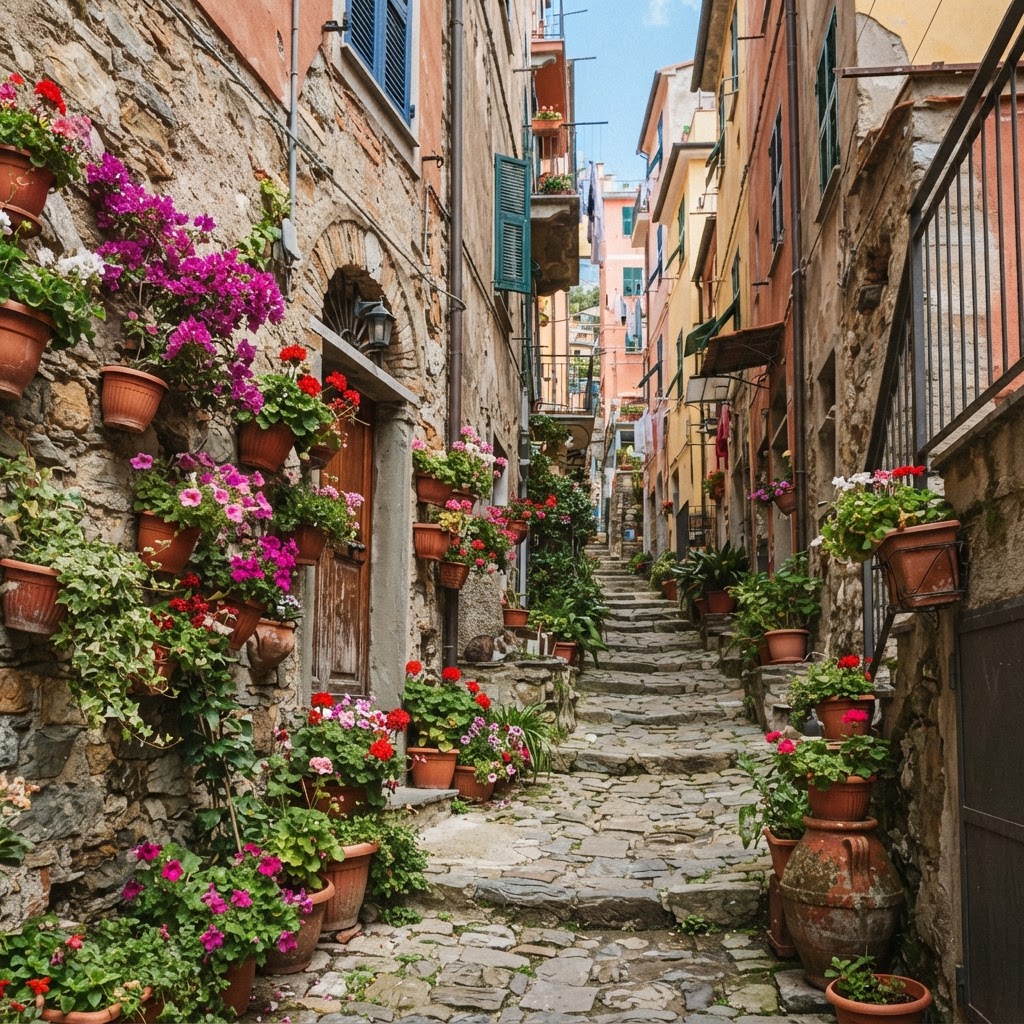
Tracing its roots back to the early 13th century, Riomaggiore was founded by Greek refugees who settled along the Riomaior stream to cultivate the steep hillsides. The village evolved from a humble agricultural outpost into a defensive maritime hub, characterized by its “case-torri”—tall, narrow houses built to provide defense against pirate raids while maximizing limited space. Today, the historical character of the village remains protected, with its narrow, winding alleys known as ‘caruggi’ serving as a physical timeline of the region’s resilience. The stone facades and hidden passageways reflect centuries of architectural adaptation to the rugged Ligurian terrain. Visitors can observe the unique structural techniques used to secure these buildings on nearly vertical slopes, an engineering feat that allowed the community to thrive despite geographic isolation. Exploring these streets offers a direct connection to a medieval past that survived centuries of Mediterranean conflict.
The Iconic Harbor
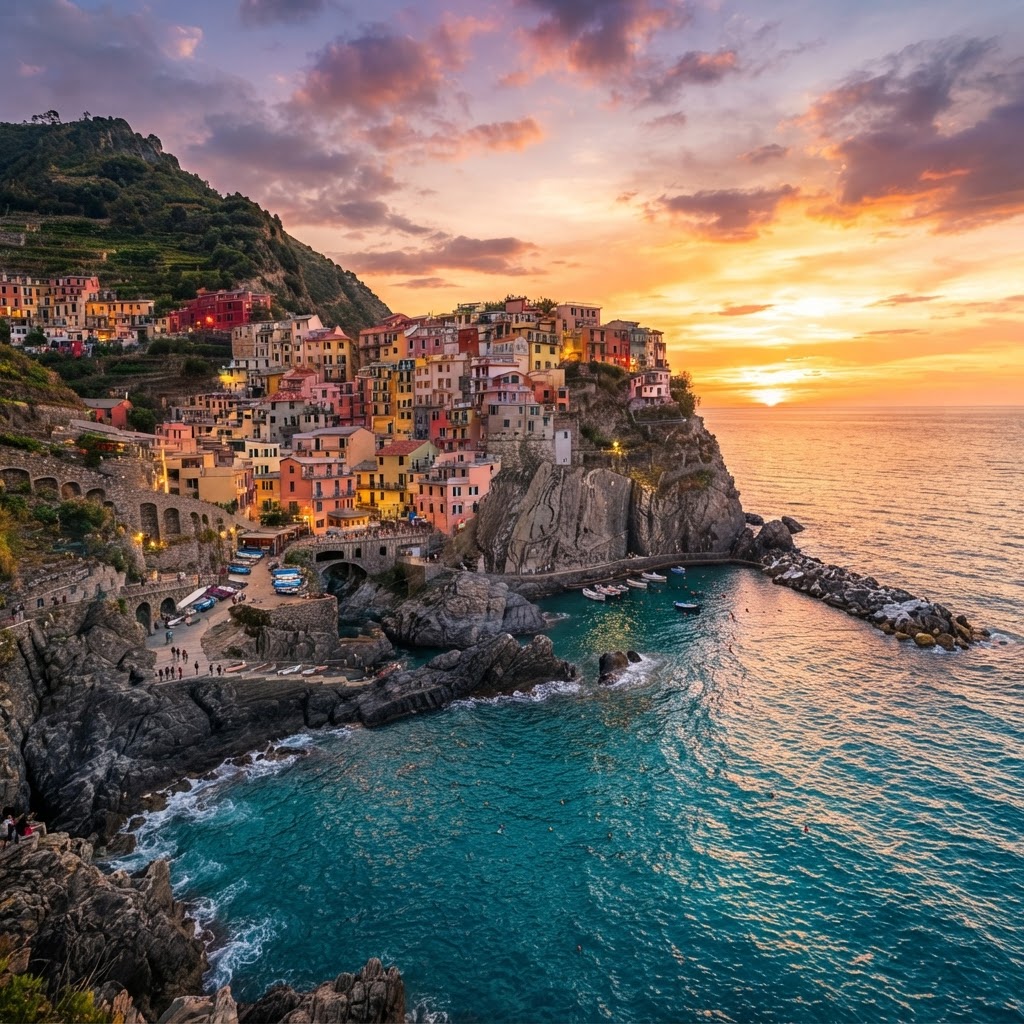
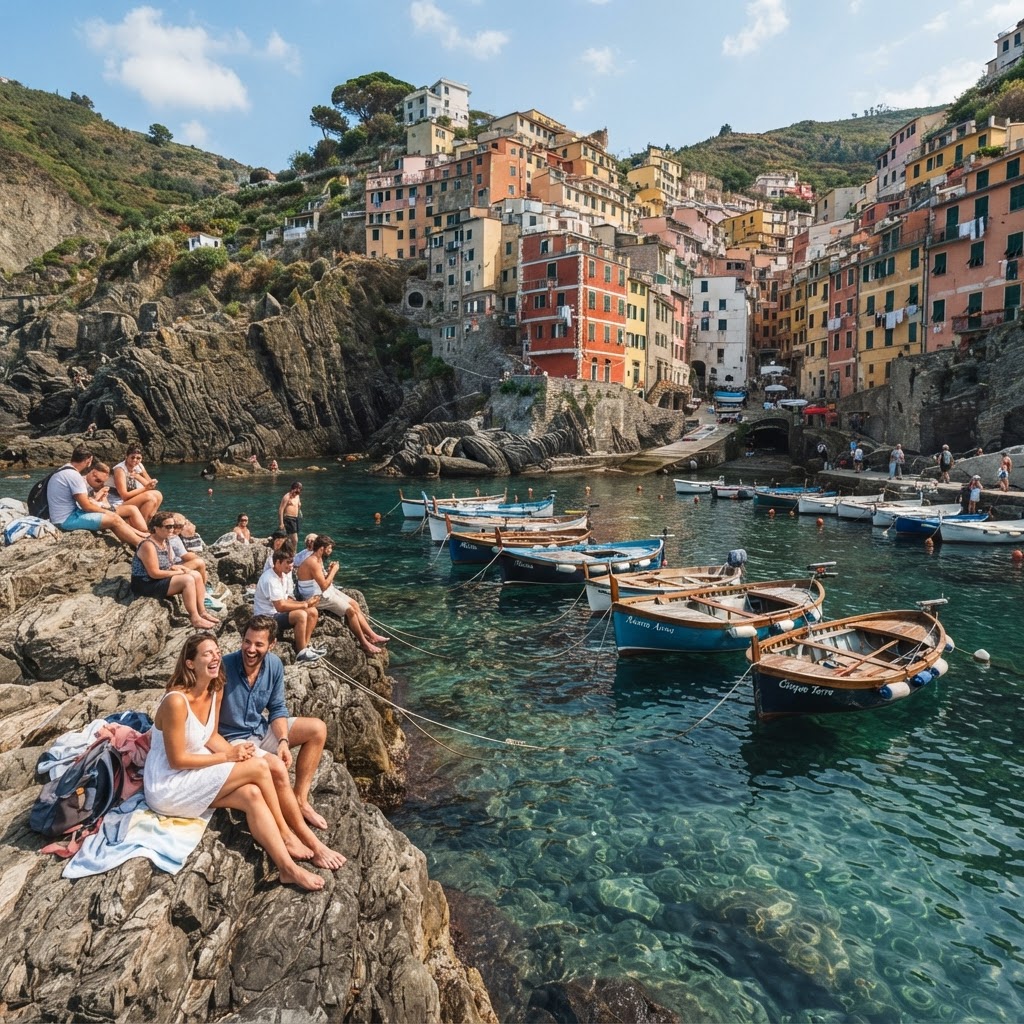
No trip to the village is complete without spending time at the marina. This is the heart of the community, where traditional wooden boats bob in the water and fishermen mend their nets just as they have for generations. The dramatic cliff walls surrounding the harbor create an amphitheater of color that looks particularly breathtaking during the golden hour. It remains the most photographed location in Cinque Terre, serving as a functional port for local fishers and a gathering spot for sunset seekers.
Getting to and Moving Around the Village
Reaching Riomaggiore is most efficient via the regional rail network, as the village is part of a restricted-access National Park. The Cinque Terre Express train provides frequent service from La Spezia, with travel times of approximately 8-10 minutes. For those arriving by boat, ferry services from La Spezia, Portovenere, and Levanto offer a scenic approach, docking directly at the marina. Due to limited parking, private vehicle access is strongly discouraged; the main parking lot is located on the periphery, requiring a steep walk into the center. Travelers should plan their arrival according to the following transit guide:
Unmissable Experiences in Riomaggiore
Riomaggiore balances historical tourism with active outdoor exploration, ensuring travelers have a diverse itinerary. The village’s compact layout allows visitors to transition from 14th-century religious architecture to dramatic cliffside hiking within minutes. Key landmarks include the Church of San Giovanni Battista, built in 1340, which features a stunning white Carrara marble rose window. Additionally, the Via dell’Amore, a historic pedestrian trail connecting Riomaggiore to Manarola, remains a major draw, though status updates should be monitored via the Cinque Terre National Park website. Visitors are encouraged to prioritize morning visits to avoid peak crowds, particularly at the harbor viewpoint. Whether you are participating in a local cooking workshop or hiking the steep terraces, the village offers a concentrated experience of the Italian Riviera.
Culinary Delights of the Ligurian Coast
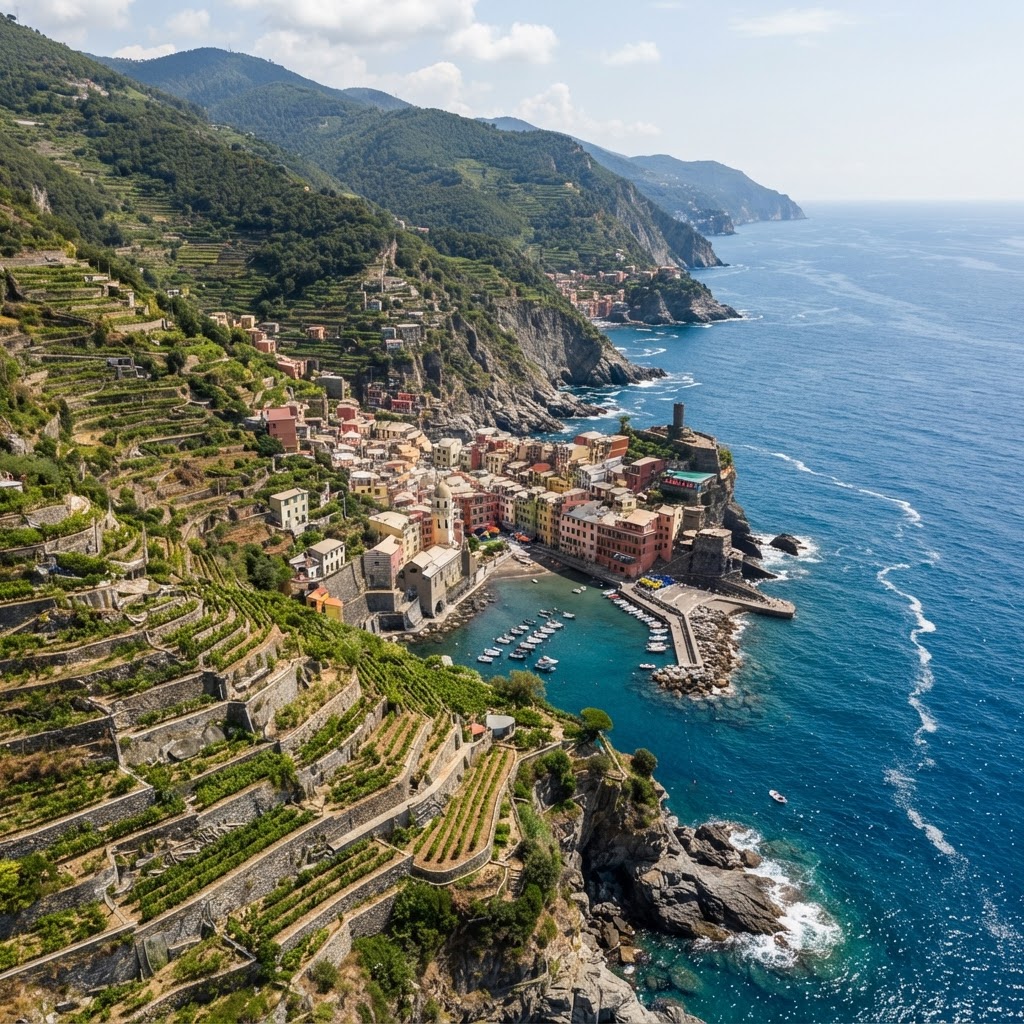
Ligurian cuisine in Riomaggiore is defined by fresh, local ingredients and a deep connection to the sea and the surrounding hillside terraces. The local diet is heavily reliant on basil, pine nuts, and high-quality olive oil, resulting in the world-famous Genovese pesto. Dining here is an immersive experience where the scent of salt air complements regional specialties like fresh catch-of-the-day seafood. Visitors should prioritize tasting Sciacchetrà, a rare, passito-style sweet wine harvested from the extremely steep vineyards that surround the village. Understanding the local culinary calendar helps in finding the freshest seasonal produce, with many restaurants sourcing ingredients directly from local micro-farms.
What to Order
- Trofie al Pesto: Local twisted pasta served with authentic Genovese basil sauce.
- Acciughe di Monterosso: Freshly caught anchovies, often prepared marinated with lemon or fried.
- Focaccia: Crispy, salt-crusted bread typically eaten on the go.
- Sciacchetrà: A prestigious dessert wine produced in limited quantities.
Hiking the Rugged Trails
Hiking is the primary way to connect with the landscape, as the ancient trail system originally functioned as the sole lifeline between the five villages. To access these trails within the Cinque Terre National Park, travelers must purchase the ‘Cinque Terre Card,’ which ranges from €7.50 to €18.00 depending on duration and inclusion of rail access. These paths are challenging, featuring steep inclines and uneven terrain that require appropriate hiking footwear. Safety is paramount; hikers should always carry at least 1.5 liters of water and check the National Park’s official status map for trail closures due to landslides or heavy rain. The most popular segments often require advanced booking or specific time-slots during the high season to prevent overcrowding on narrow cliff-side paths.
Tips for Hikers
- Wear sturdy, broken-in hiking shoes or boots.
- Carry at least 1.5 liters of water per person.
- Respect signage and stay on marked paths for safety.
- Check the National Park website for daily trail status updates.
Where to Stay for the Best Views
Accommodation in Riomaggiore is dominated by boutique guesthouses and private apartments rather than large commercial hotels, providing an authentic village experience. For travelers prioritizing aesthetics, properties situated in the upper reaches of the village offer panoramic Mediterranean views and a quieter atmosphere away from the harbor’s nightlife. While staying “up high” requires navigating more stairs, the trade-off is significantly reduced noise and a more intimate connection with the local lifestyle. We recommend booking at least 3-6 months in advance for peak summer travel. Using a local booking agent or direct property websites can often lead to better rates compared to international aggregators. Those with mobility issues should verify the number of stairs to the entrance prior to confirming their booking.
Sustainable Tourism in Cinque Terre
As a UNESCO World Heritage site, Riomaggiore faces the physical reality of mass tourism impact on its fragile terraced infrastructure. Visitors can practice sustainable tourism by opting for the rail network over private transport and exclusively purchasing goods from local artisans. Respecting the village’s noise curfews and properly disposing of waste in designated areas is essential for preserving the local community’s quality of life. By choosing off-peak travel months—such as late April or October—visitors contribute to a more balanced economic distribution and reduce the strain on the village’s limited resources. These simple actions ensure the preservation of the landscape for future generations.
FAQ
Is Riomaggiore worth visiting for one day?
Yes, Riomaggiore is perfect for a one-day trip, as its compact size allows you to see the harbor, walk the main street, and enjoy a local meal within 4-6 hours. It serves as an excellent starting point for a multi-village tour of the Cinque Terre.
Do I need a reservation for the hiking trails?
Certain high-traffic trails in the Cinque Terre National Park may require advanced reservation or a specific access ticket during peak season. You should always check the official Cinque Terre National Park website before planning your hike to confirm trail status and permit requirements.
What is the best time of year to visit Riomaggiore?
Late April to early June and mid-September to October offer the best combination of pleasant weather and manageable crowd sizes. These months avoid the intense summer heat and the extreme congestion of July and August.
Is Riomaggiore accessible for people with mobility issues?
No, Riomaggiore is generally challenging for visitors with limited mobility due to its steep terrain, abundance of stairs, and narrow, uneven alleyways. Travelers with mobility concerns should contact their specific accommodation to confirm accessibility features before booking.
Can you swim in the harbor at Riomaggiore?
Yes, swimming is allowed in the marina area, though it is primarily a working boat harbor rather than a traditional beach. Most visitors prefer the rocky coastal access points just outside the main marina for a cleaner and more scenic swimming experience.
Mastering the Logistics: A Strategic Planner
Do not attempt to navigate the village with a large suitcase. The steep staircases and narrow cobblestone alleys make rolling luggage a nightmare for you and a nuisance for locals. Pack light and use a sturdy backpack to keep your hands free. If you must travel with heavy bags, look for local luggage storage services near the train station entrance.
When to Visit for the Best Experience
July and August are overwhelming due to the sheer volume of cruise ship day-trippers. Instead, aim for mid-May or late September when the weather is warm but the crowds are manageable. Visiting in November or March offers a haunting, authentic beauty, though expect some restaurants and shops to close for the off-season.
How Long to Stay
Most visitors stay for just a few hours, missing the magic that happens after the trains stop bringing tourists. Book at least two nights in the village to experience the quiet evenings. This allows you to explore the local vineyards early in the morning before the midday sun hits the slopes.
Common Mistakes to Avoid
- Ignoring the Card: Always buy the Cinque Terre Card. It covers your train travel between villages and access to the paid hiking paths. You will save money within just two round trips.
- Underestimating the Terrain: The hike to the Sanctuary of Madonna di Montenero is intense. Bring plenty of water and do not wear flip-flops. You are climbing hundreds of vertical feet on uneven stone.
- Dining in the Main Square: Avoid restaurants with massive laminated menus displayed outside. These are tourist traps with inflated prices and frozen seafood. Walk five minutes up the hill to find family-run trattorias where locals actually eat.
A Practical Checklist for Your Arrival
- Validate your train ticket before boarding to avoid heavy fines from ticket inspectors.
- Download offline maps; the thick stone walls of the village often block GPS signals.
- Bring a refillable water bottle. Multiple free-flowing stone fountains provide cold, delicious mountain water throughout the village.
- Check the hiking path status on the official park website before you set out, as rain often forces temporary closures.
Frequently Asked Questions
Is Riomaggiore worth visiting if I am not a hiker?
Yes, absolutely. While hiking is a draw, the village excels at slower activities. Spend your time browsing the independent art galleries, sipping Sciacchetrà wine at a cliffside terrace, or sketching the colorful facades in the marina. The atmosphere is just as rewarding as the exercise.
Can I swim in the harbor?
Technically yes, but the marina is a working port with boat traffic. For a better swimming experience, walk ten minutes along the coastline to the rocky beach near the Fossola area. It offers cleaner water and a much better view of the village cliffs from the perspective of the sea.
What should I skip during a short visit?
Skip the expensive, crowded souvenir shops selling cheap trinkets near the station. Spend that time instead walking to the Church of San Giovanni Battista. It offers a beautiful, quiet perspective of the village architecture that most tourists never bother to climb up to see.
Leave a Reply