
There is a sensory symphony that occurs only in the heart of Andalusia, where the air is perpetually scented with citrus and the walls tell stories in blue, yellow, and green. The pairing of Seville oranges and intricate Spanish tiles is more than just a visual coincidence; it is the defining aesthetic of Southern Spain. This combination captures the warmth of the Mediterranean sun, the history of Moorish craftsmanship, and the botanical abundance that has graced the streets of Seville for centuries.
The Bittersweet Heritage of Seville Oranges
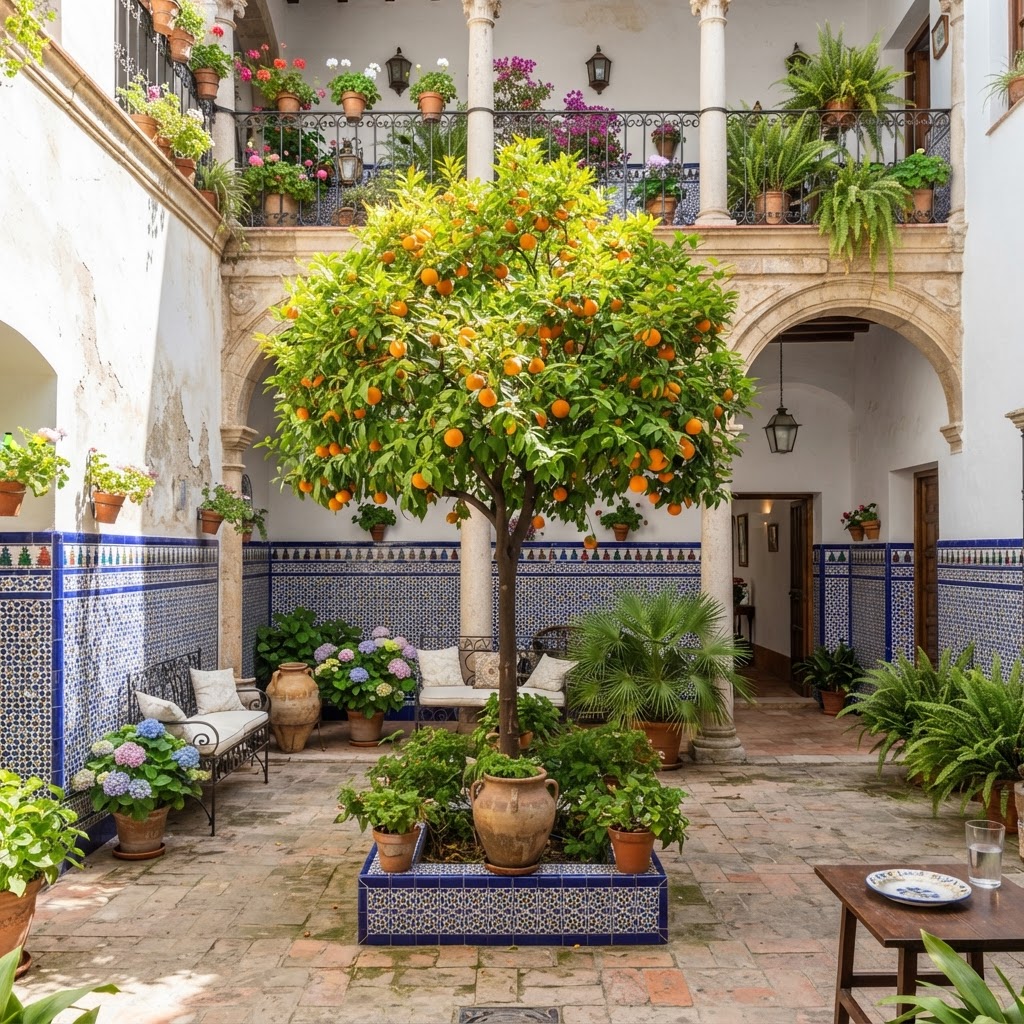
Walking through the streets of Seville in the spring is an experience for the soul. The city is home to over 40,000 orange trees, filling the air with the intoxicating scent of orange blossoms, known locally as azahar. These aren’t just any oranges; they are the famous Seville oranges, a bitter variety that has become a symbol of the city itself.
Unlike their sweeter counterparts grown for snacks, these oranges are historically significant for their use in marmalade, perfumes, and even traditional medicines. Their presence in the city dates back to the Almohad Caliphate, where they were planted not just for their fruit, but for the shade and beauty they provided in the scorching summer heat.
The Cultural Significance of Citrus
In Andalusian culture, the orange tree represents fertility and prosperity. You will find them adorning the courtyards of the Alcázar and the patios of private homes. Their vibrant, glowing color provides a stark, beautiful contrast to the whitewashed walls that define the local architecture.
The Art of Azulejos: Spanish Tiles
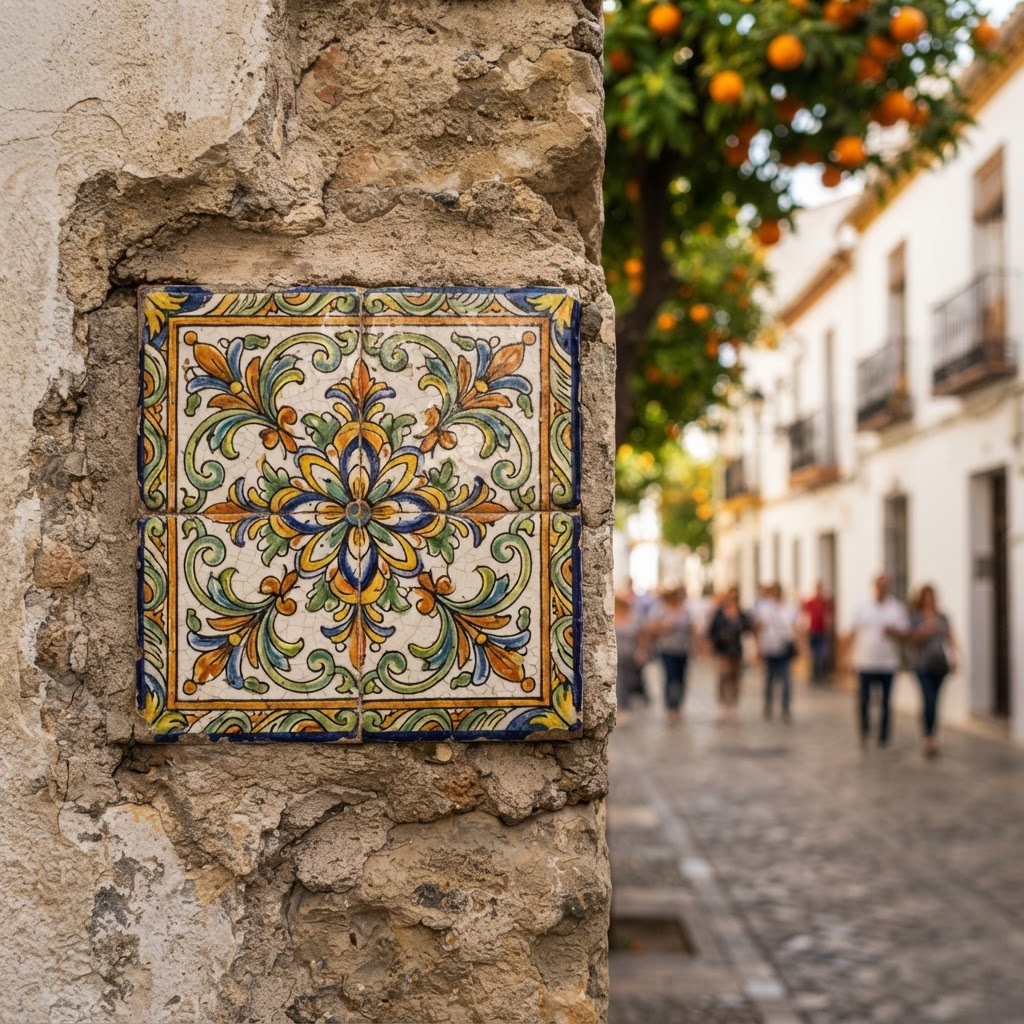
If the orange trees provide the scent and the color of the city, the tiles—or azulejos—provide the soul and the structure. The art of tile-making in Spain is a deep-rooted tradition, heavily influenced by the Islamic geometric patterns brought to the peninsula during the Moorish occupation. These ceramic masterpieces are more than just decorative; they are functional works of art.
Azulejos are typically made from glazed ceramic and feature intricate patterns, ranging from floral motifs to geometric star shapes. In Seville, you will see them covering the wainscoting of grand plazas, the foundations of churches, and the interiors of traditional tapas bars. They keep homes cool during the summer and add an undeniable touch of elegance to the urban landscape.
Creating the Perfect Spanish Aesthetic
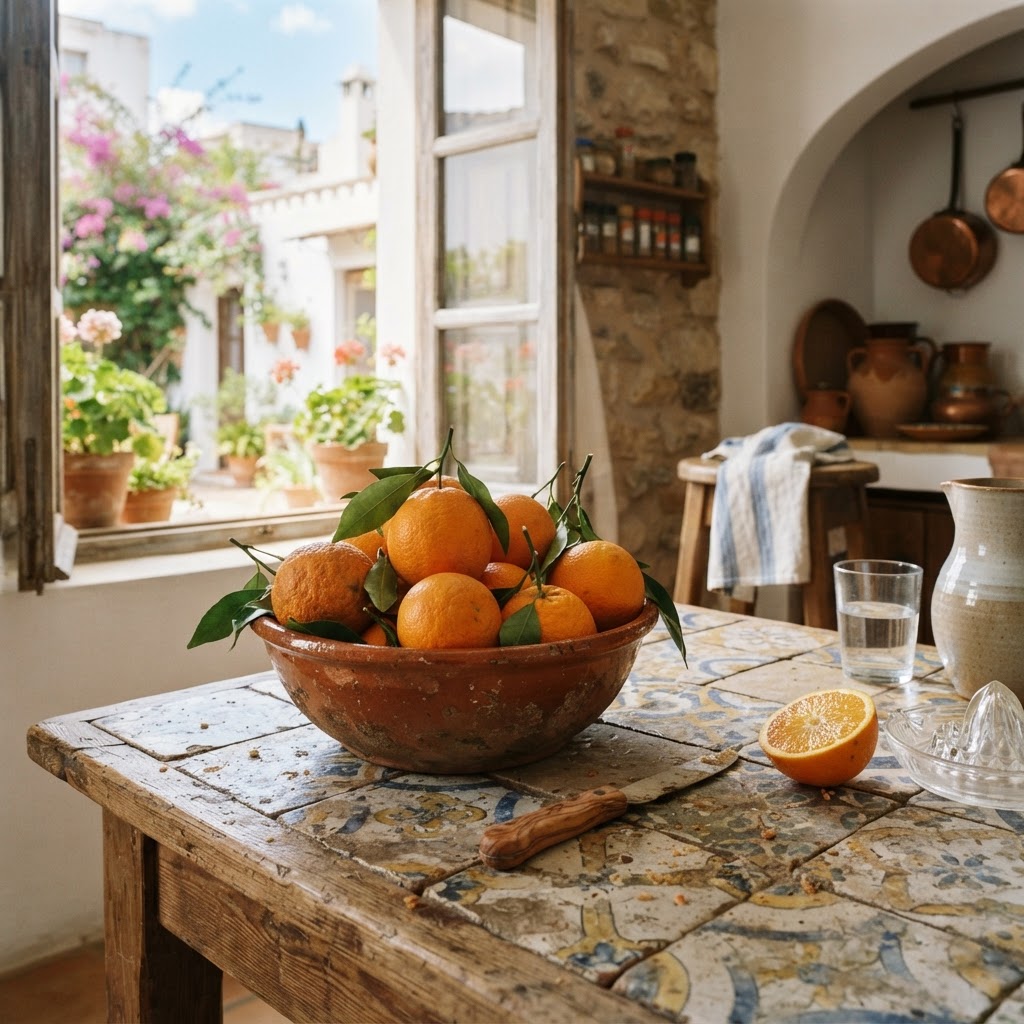
To bring this aesthetic into your own home, you need to balance the vibrancy of the orange motif with the cool, patterned sophistication of ceramic tiles. This look is all about warmth, texture, and a touch of the romantic. It works by combining earthy tones with bold pops of color, creating a space that feels lived-in, historic, and welcoming.
Incorporating Warmth and Pattern
Start by focusing on natural materials. Think terracotta floors, dark wooden furniture, and, of course, a few statement pieces of hand-painted ceramics. If you cannot renovate your kitchen with authentic Seville tiles, consider using a patterned backsplash or decorative tile coasters to capture that specific Andalusian flair.
The Role of Color Palette
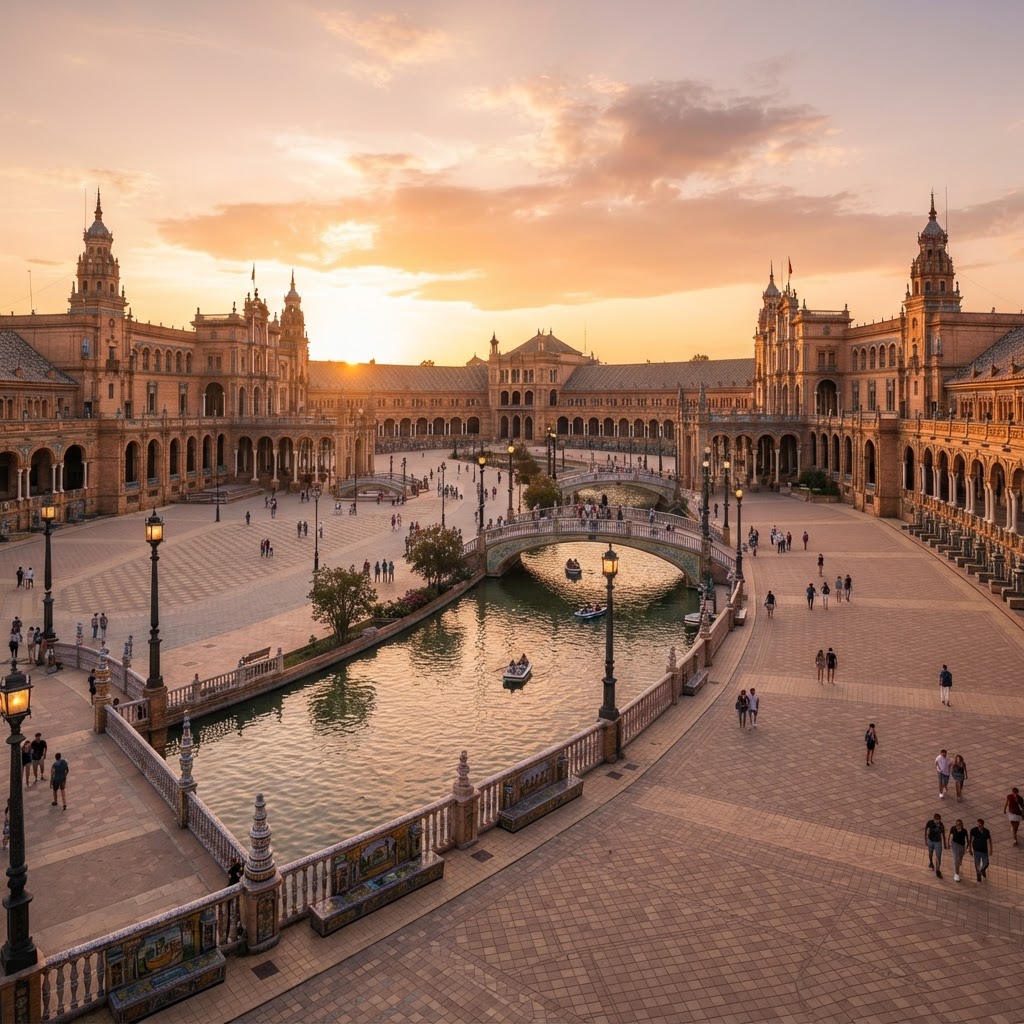
When designing with this aesthetic in mind, rely on the colors found in nature. The deep, fiery orange of the fruit, the bright cobalt blue of the tiles, and the crisp white of the plastered walls are your primary palette. These colors evoke the feeling of a bright, sunny afternoon in the Plaza de España.
The Architecture of the Patios
The Spanish patio is the centerpiece of the home. It is where the oranges and tiles meet most perfectly. In a traditional Seville house, the patio is an open-air central courtyard, often paved with patterned tiles and featuring a fountain, a potted orange tree, or a lemon tree.
This design serves a practical purpose: it creates a microclimate that remains cool throughout the hottest days of the year. The shade from the trees and the cooling effect of the water and tile surfaces make these spaces the ideal place for socializing during the afternoon siesta.
Tips for Designing Your Own Courtyard
If you have a balcony or a small garden, you can replicate this by using container gardening to host a citrus tree. Pair this with a bistro set adorned with Mediterranean-style tiles to instantly transport your outdoor space to the streets of Seville.
A Culinary Connection
Beyond aesthetics, the orange is an essential element of the local diet. The bitterness of the Seville orange makes it perfect for marmalade, which is a breakfast staple across the country. Watching a local artisan prepare fresh marmalade in a tiled kitchen is the pinnacle of the Seville experience.
Sustainability and Urban Planning
Modern Seville has taken great care to maintain this aesthetic through sustainable urban planning. The city actively manages its orange trees, harvesting the fruit to prevent waste and using the peel to create everything from energy to beauty products. This circular approach ensures that the symbol of the city remains healthy and vibrant for future generations to enjoy.
Why This Aesthetic Matters
In a world of mass-produced, minimalist design, the Seville aesthetic offers a reminder of the value of history and craftsmanship. By preserving the use of hand-painted tiles and maintaining the urban orchards, the city protects its unique identity against the tide of globalization. It is a lesson in how beauty can be both functional and deeply tied to the land.
Conclusion
The marriage of Seville oranges and intricate tiles is a testament to the enduring beauty of Andalusian culture. Whether you are walking through the streets of Spain or looking to bring a touch of that warmth into your home, focusing on these elements will always create a space filled with life and history. Start small with a ceramic piece or a citrus plant, and let the vibrant spirit of Seville inspire your daily surroundings. Have you visited Seville, or are you planning to bring this aesthetic to your living space? Share your thoughts below and start your own Andalusian journey today!
Leave a Reply