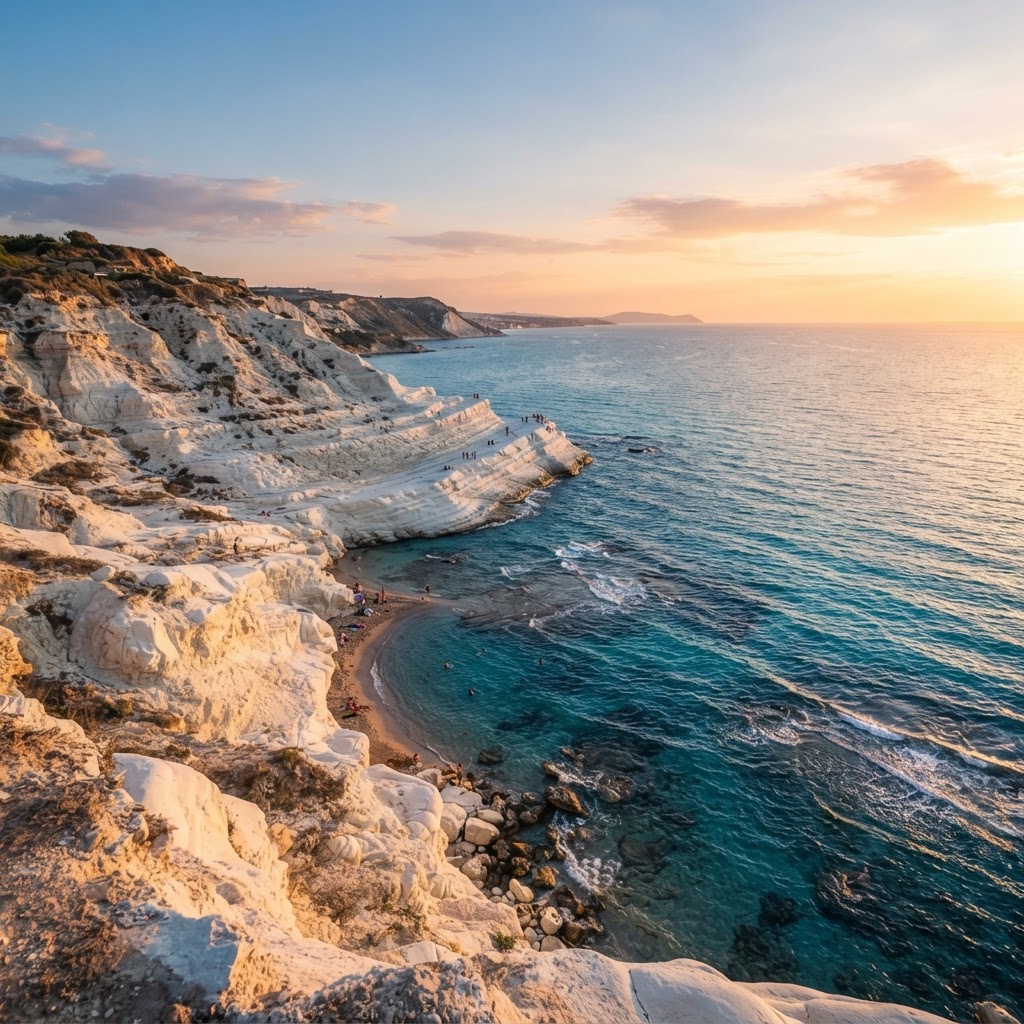
Sicily’s most dramatic coastal cliffs include the blindingly white Scala dei Turchi, the elevated limestone promontories of Cefalù, and the rugged, undeveloped trails of the Zingaro Nature Reserve. These natural landmarks are best explored between April and June or September and October to avoid extreme summer temperatures exceeding 35°C.
The Geological Wonder of Scala dei Turchi
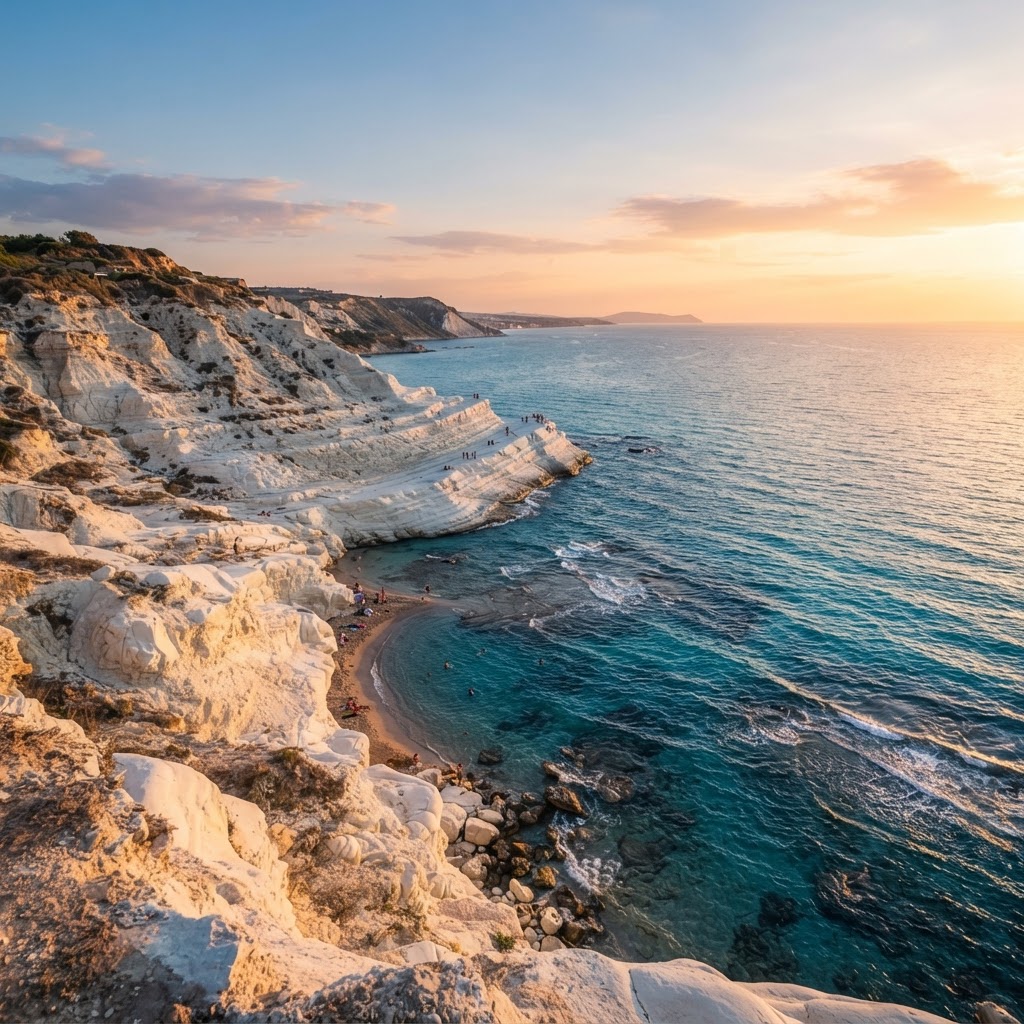
Scala dei Turchi, located roughly 15 kilometers west of Agrigento, stands out as one of the most unique geological formations in the Mediterranean due to its brilliant white marlstone composition. This sedimentary rock formation, eroded over millennia by salt and wind, creates a natural staircase that contrasts sharply against the deep azure of the Sicilian Sea.
Why the Contrast Matters
The visual appeal of this site is driven by its high albedo; the limestone reflects intense sunlight, making the cliff appear nearly luminescent. Unlike the jagged basalt cliffs found on the eastern coast near Mount Etna, these ledges are smooth and porous, providing a unique texture that has become a globally recognized photographic landmark. Visitors should note that the rock is highly fragile, and climbing on the most weathered sections is often prohibited by local authorities to prevent structural collapse.
Tips for Visiting Safely
Because the marlstone is delicate, local authorities have implemented stricter access rules to preserve the formation. Always check local guidelines, wear appropriate footwear, and ensure you are respecting the natural environment by not taking pieces of the rock home as souvenirs. Fines for removing rock fragments can exceed 500 euros.
Taormina and the Heights of Mount Tauro
Taormina is defined by its position perched 200 meters above the Ionian Sea on the slopes of Mount Tauro, blending ancient architectural mastery with vertical geography. The town serves as a vertical balcony, where cliffs act as a foundational pedestal for Greek and Roman historical sites, offering unparalleled panoramic views of the coastline.
The View from the Greek Theatre
The ancient Greek Theatre, originally built in the 3rd century BC, provides one of the most iconic views in Italy, framing the active volcanic cone of Mount Etna in the distance while looking down over steep, cliffside gardens. This site is a masterclass in how human civilization can harmonize with rugged geography. Admission to the theatre is currently 13.50 euros, and it remains the primary vantage point for observing the dramatic drop-off from the town center to the beaches of Isola Bella below.
The Wild North Coast: Zingaro Nature Reserve
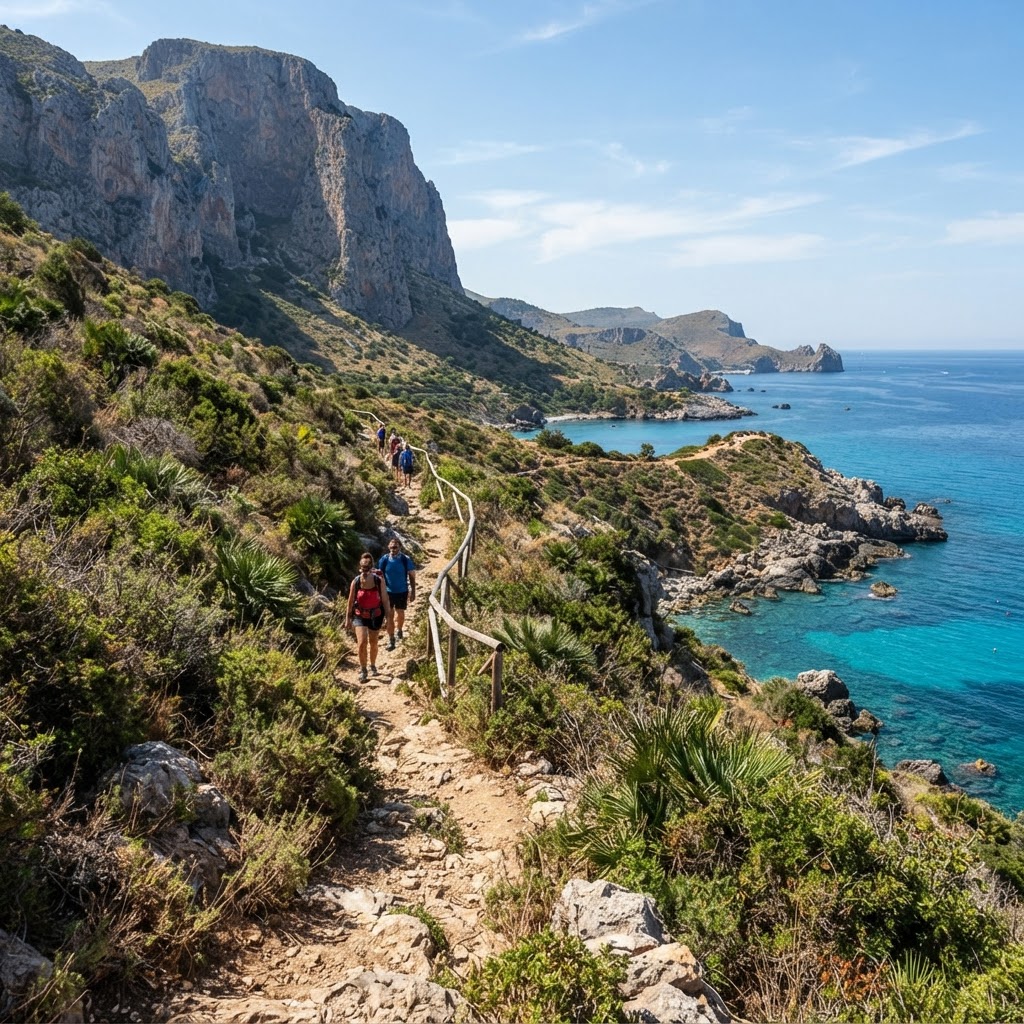
Zingaro Nature Reserve offers seven kilometers of protected coastline between San Vito Lo Capo and Castellammare del Golfo, functioning as the premier destination for hikers avoiding resort-dominated landscapes. As Sicily’s first nature reserve, established in 1981, it enforces strict prohibitions on coastal vehicle traffic, ensuring the limestone cliffs remain in their pristine, arid state.
Hiking Through Paradise
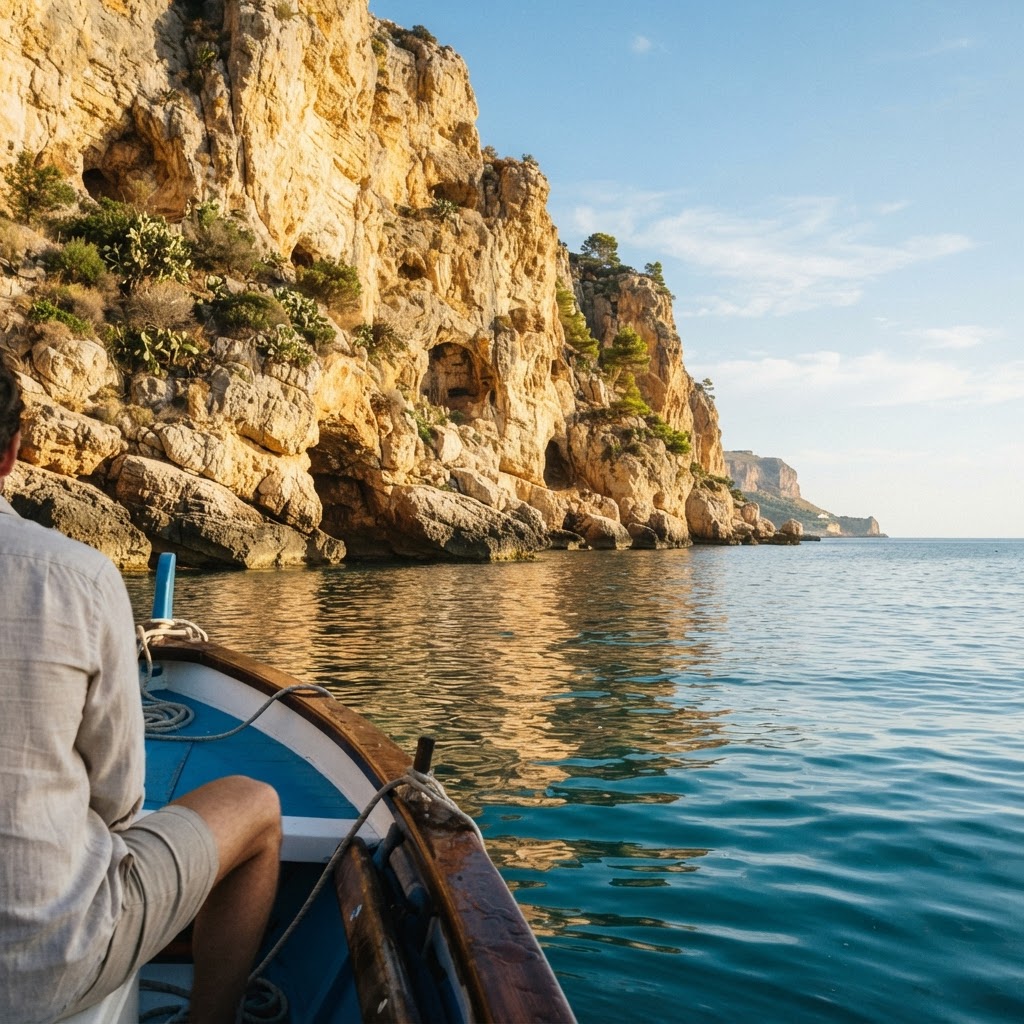
The hiking trails here wind through steep limestone cliffs that hide pristine, secluded pebbled coves accessible only by foot or small craft. Every turn offers a new perspective on the dramatic interaction between the arid, Mediterranean scrub-covered hills and the crashing turquoise waves. The main coastal trail takes approximately 2 to 3 hours to traverse one way, depending on stops for swimming.
Essential Gear for Coastal Hiking
To enjoy the Zingaro reserve, pack at least two liters of water, high-SPF sunscreen, and sturdy hiking shoes. The terrain is rocky, and the sun can be relentless, even in the shoulder seasons of May or October. Entry fees are typically 5 euros per adult, and the reserve gates close promptly at sunset.
The Majestic Cliffs of Cefalù
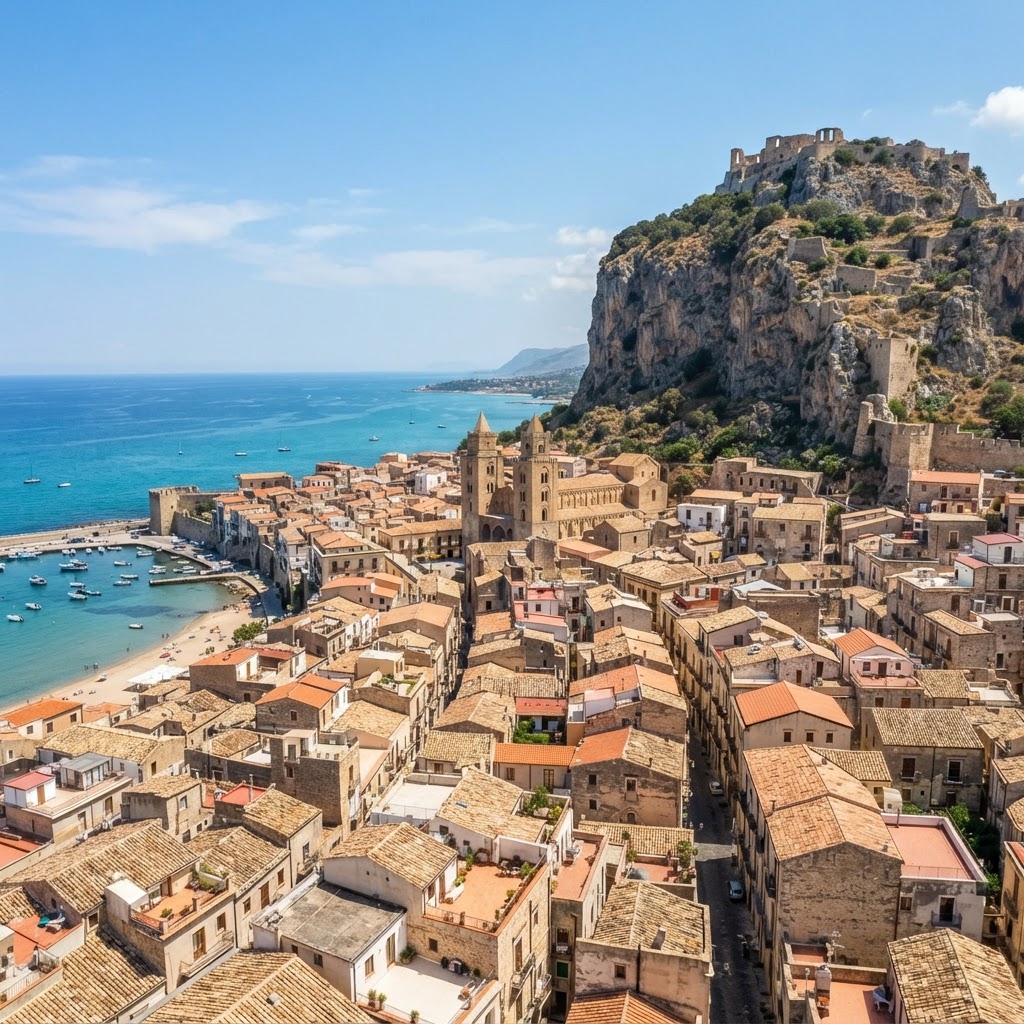
Cefalù is dominated by La Rocca, a massive limestone crag that towers 270 meters over the town’s medieval rooftops and the Tyrrhenian Sea. This promontory serves as both a natural fortification and a historical site, housing the ruins of the Temple of Diana, dating back to the 9th century BC.
The Ascent to the Summit
The climb to the top of the Rocca takes about 45 minutes of steep stairs and winding pathways. Once you reach the summit, the entire northern coastline of Sicily unfolds before you, revealing the sheer scale of the cliffs that border the Tyrrhenian Sea. Visitors are advised to bring at least one liter of water for the ascent, as there are no amenities at the summit, and the limestone steps can become extremely slippery if it has rained recently.
Navigating the Southern Shoreline
The southern coast is defined by its softer golden limestone cliffs and expansive, sandy horizons, contrasting heavily with the dark, jagged volcanic rock of the north. Particularly near the baroque cities of Ragusa and Modica, these cliffs rise in honey-colored walls directly from the surf, creating a serene, warm-toned aesthetic perfect for sunset photography.
Exploring Hidden Grottoes
Many of these cliffs contain hidden grottoes accessible only by boat, where tidal erosion has carved deep, cavernous chambers. Renting a small vessel, often priced between 150 and 300 euros for a half-day charter from ports like Marina di Ragusa, allows you to enter these sea caves. The sunlight refracting off the white sandy sea floor creates brilliant cyan patterns on the cave interiors.
Best Times to Explore the Cliffs
Choosing the right season is crucial for a comfortable experience, as summer heat often renders cliffside hiking dangerous. We recommend avoiding the peak of July and August.
Why Spring and Autumn Win
Spring (April to June) offers the best conditions for coastal hiking, as the hills are carpeted in wildflowers and the temperatures are mild. Autumn (September to October) offers warm water temperatures for swimming and fewer crowds at popular spots like Scala dei Turchi.
Preserving the Beauty of Sicily
As tourism continues to grow, the pressure on these delicate coastal environments increases. It is vital for every visitor to practice “Leave No Trace” principles. Whether you are at the top of a cliff or at its base on a beach, take your trash with you and avoid disturbing the local flora.
Supporting Local Conservation
Many of the hiking trails in Sicily are maintained by local volunteers and environmental groups. If you participate in guided tours, prioritize companies that emphasize sustainable tourism and ecological protection. Fees paid for park entry, such as those at the Zingaro, are reinvested directly into trail erosion prevention and habitat protection.
FAQ
Q: Is Scala dei Turchi safe to climb?
Yes, it is generally safe to climb, but visitors must stay on permitted paths. Due to the fragility of the marlstone and recent erosion, strict access regulations are enforced by local police, and climbing on the most precarious edges is illegal.
Q: What is the best month to hike the Zingaro Nature Reserve?
May and September are the optimal months for hiking the Zingaro. During these times, the average temperatures range from 20°C to 25°C, avoiding the intense heat of the Sicilian summer and the heavy rainfall of the winter months.
Q: Can you swim at the base of Sicily’s cliffs?
Yes, swimming is permitted at many base-of-cliff locations, including the beaches below Scala dei Turchi and the coves of Zingaro. Always check for local ‘no-swim’ signs, as some cliff areas have dangerous currents or are designated as protected ecological zones.
Q: How much does it cost to visit the Greek Theatre in Taormina?
Tickets to the Greek Theatre in Taormina typically cost 13.50 euros for a standard adult entry. Prices can fluctuate during special cultural events or if you book through third-party guided tour operators that include transportation from the town center.
Q: Do I need a guide to explore the coastal cliffs?
A guide is not mandatory for major sites like Scala dei Turchi or Cefalù’s La Rocca, but is highly recommended for the Zingaro Nature Reserve or remote sea caves. Guides provide essential safety training and historical context that significantly enhances the experience.
Leave a Reply