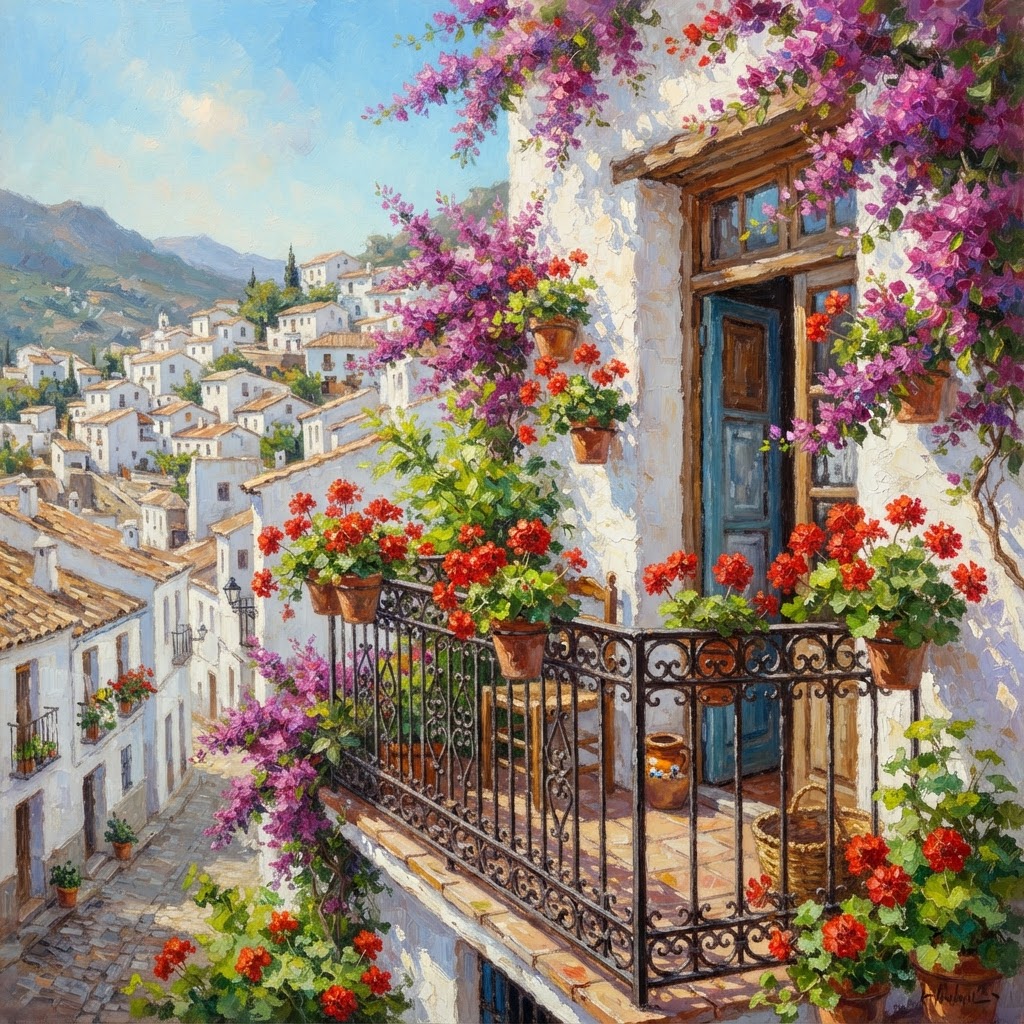
Stepping onto a traditional Spanish balcony feels less like standing on a piece of architecture and more like walking into the frame of a master painting. These elevated sanctuaries, often draped in cascading geraniums and defined by intricate ironwork, represent the intersection of nature, history, and daily life in the Mediterranean. Whether you are wandering the white-washed streets of Andalusia or dreaming of a seaside terrace in Barcelona, the allure of the Spanish balcony is universal and deeply evocative.
The Anatomy of a Spanish Balcony
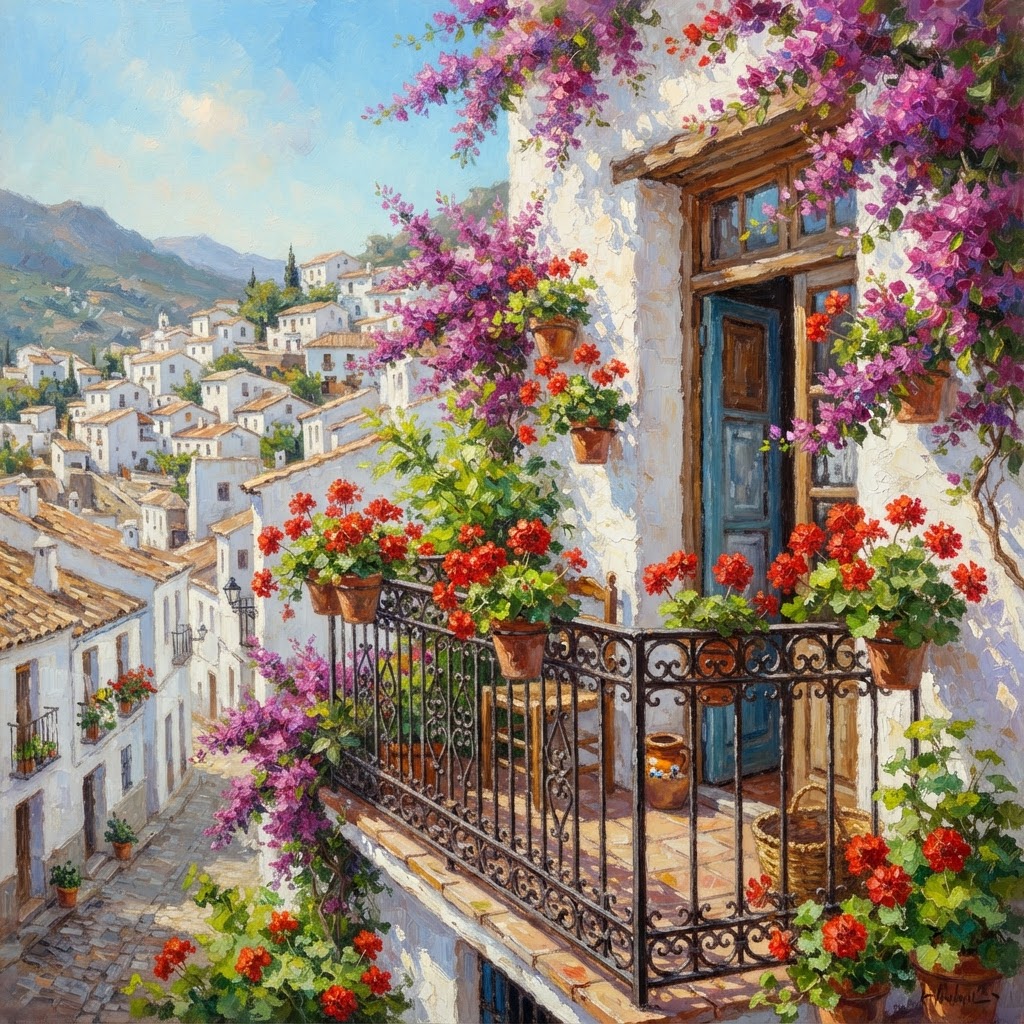
What makes these spaces look like art? It begins with the structural balance between light and shadow. In many Spanish regions, balconies are designed to provide relief from the intense sun while acting as a gateway to the outside world. The classic ‘balcón’ typically features a wrought-iron railing, often hand-forged with ornate scrolls or minimalist geometric patterns, which creates a delicate silhouette against the stucco walls of the house.
The Importance of Materials
The materials used are fundamental to the aesthetic. Terra cotta floor tiles, known as ‘baldosas’, provide a warm, earthy base that anchors the space. When paired with stone or lime-washed walls, these tiles create a texture that shifts color throughout the day, glowing golden at sunrise and softening into cool shades of grey by dusk.
Structural Diversity Across Regions
While the general concept remains similar, the style shifts as you move across the country. Northern Spanish balconies might feature more wood and enclosed glass designs to handle the rain, while the southern regions lean into open, airy ironwork designs meant to capture the breeze. Understanding these regional nuances helps in appreciating how geography shapes human expression.
Capturing the Floral Palette
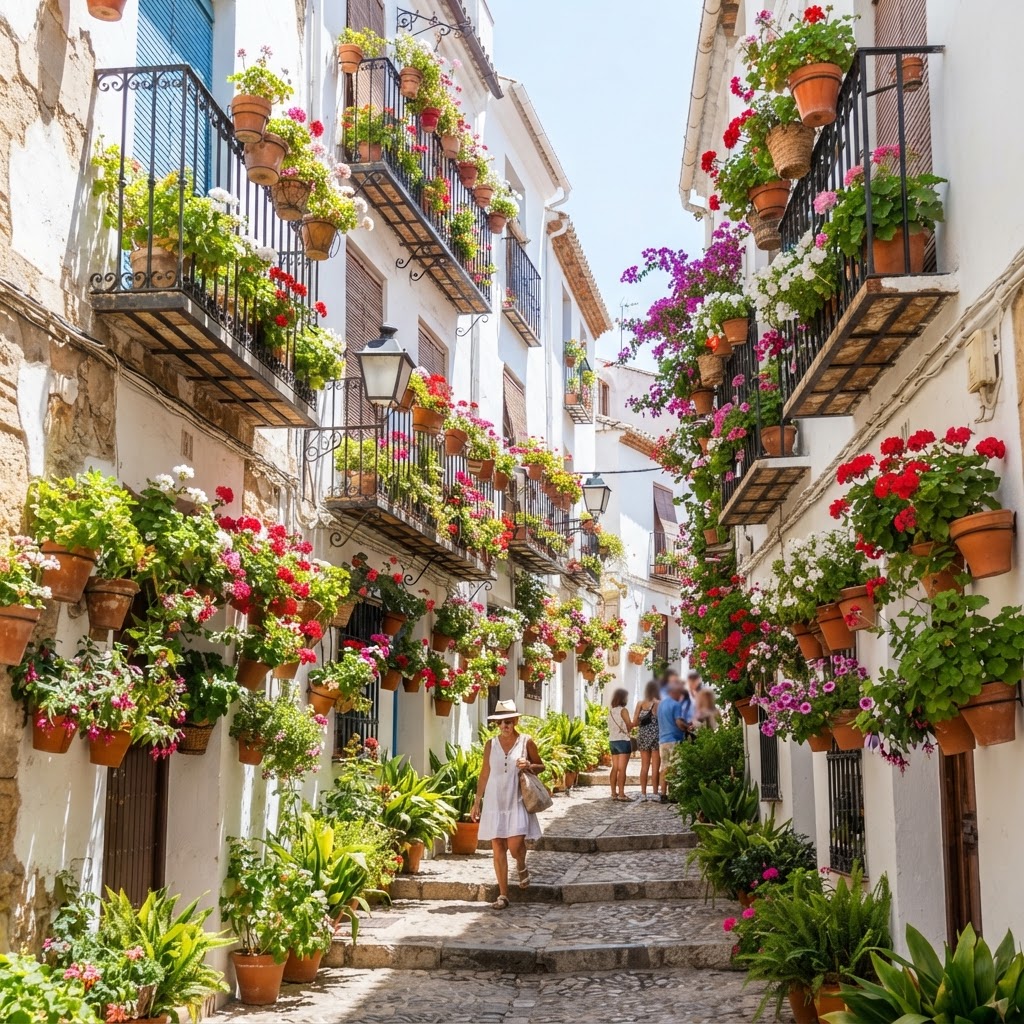
No Spanish balcony is complete without its living, breathing artwork: the plants. The art of the ‘balcón floreado’ (flowered balcony) is a source of civic pride in Spain, particularly in towns like Córdoba. Residents compete to create the most vibrant displays, effectively turning entire neighborhoods into vertical gardens that appear to be painted by hand.
Choosing the Right Flowers
The secret lies in layering. Bright red, pink, and white geraniums are the undisputed stars of the Spanish balcony. They thrive in the Mediterranean climate and offer a punchy, saturated color that looks striking against white plaster. Petunias, jasmine, and bougainvillea are often added to provide height and a lush, overflowing effect that softens the rigid lines of the architecture.
Composition Rules for Visual Impact
To achieve the ‘painting’ effect, think like a painter. Use the rule of thirds when placing your pots. Group taller, trailing plants near the edges to create a frame, and keep the center slightly more open to maintain the view. Mixing textures—smooth clay pots alongside textured iron baskets—adds depth, much like varying brushstrokes on a canvas.
The Role of Light and Shadow
The true magic of a Spanish balcony is revealed in the way light interacts with the space. In the morning, shadows are long and dramatic, highlighting the intricate ironwork. By midday, the high sun washes out the colors, turning the balcony into a bright, ethereal space. This transition is why so many painters have been drawn to capture these scenes over the centuries.
Using Shutters as Frames
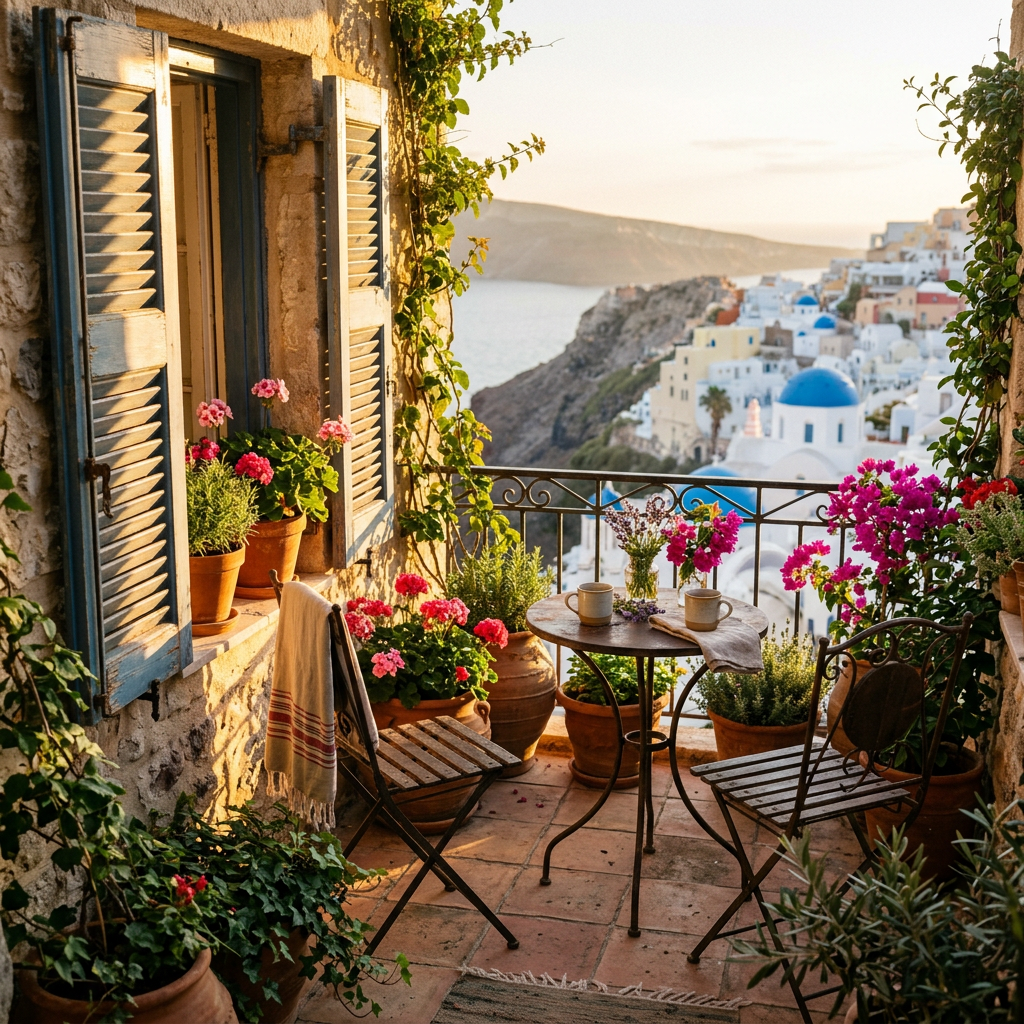
Spanish wooden shutters, or ‘persianas’, play a crucial role. When left partially open, they create a natural frame for the balcony. This interplay between the interior and exterior is what gives these spaces their voyeuristic, artistic quality. It invites you to imagine the life occurring behind the wall, just as a portrait invites you to look into the subject’s eyes.
Golden Hour Aesthetics
If you want to maximize the ‘painting’ feeling, focus on how the space looks during the golden hour. The soft, warm light hits the floral colors and the terra cotta, making them appear as if they are glowing from within. This is the moment when a balcony feels truly transportive.
Cultural Significance and Social Life
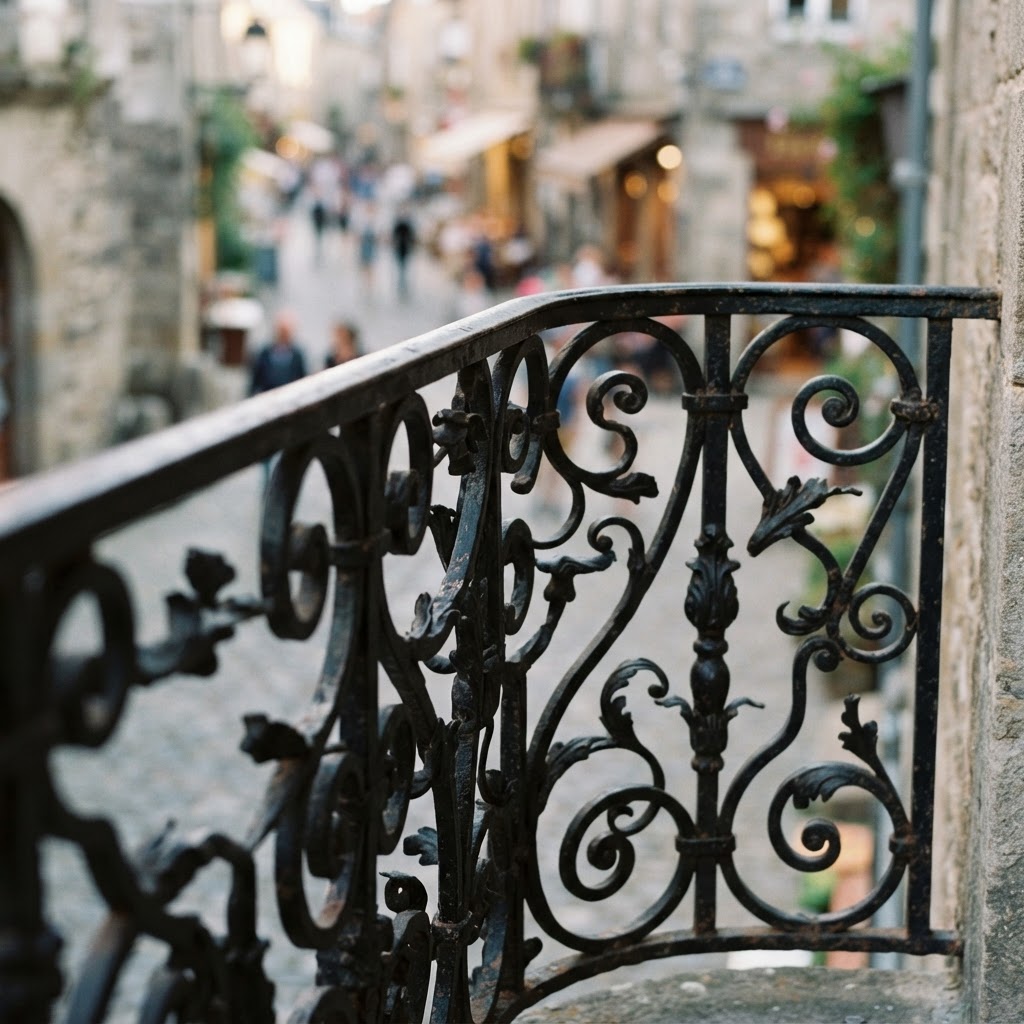
Spanish balconies are more than just pretty facades; they are the stage for the theater of life. Traditionally, they have been the place where neighbors gossip, lovers court, and citizens watch religious processions. They bridge the gap between the private home and the public street, making them essential to the social fabric of Spanish communities.
The Balcony as a Public Stage
In many cities, the balcony is the primary connection to the outside world for residents. It is where you find laundry fluttering like flags in the wind and where the scent of cooking dinner drifts out into the street. This authenticity is what elevates the space from a mere decoration to a lived-in masterpiece.
Preserving the Tradition
There is a concerted effort in many Spanish cities to preserve these traditional balcony aesthetics. Municipalities encourage home maintenance that honors local history, ensuring that the visual heritage of the region isn’t lost to modern, sterile architecture. Supporting these local customs is key to keeping the ‘painting-like’ quality of our towns alive.
Recreating the Look at Home
Even if you don’t live in Spain, you can capture that artistic atmosphere on your own terrace or patio. It doesn’t require a total renovation, but rather a focus on textures, color, and natural growth. Start by identifying the ‘bones’ of your space and work outward from there.
Simple Steps for Your Own Oasis
First, upgrade your railings. If you cannot change them, add decorative planters that hang securely to mask modern materials. Use terra cotta pots in varying sizes to create a traditional Mediterranean feel. Second, commit to a consistent color palette—reds and whites are classic, but deep purples and oranges also work beautifully.
The Finishing Touches
Textiles are the final ingredient. A small wrought-iron bistro table with a linen tablecloth can suggest the relaxed pace of a Spanish breakfast. Add a lantern or two for evening ambiance, and you have successfully turned a simple outdoor area into a piece of art that looks like it was plucked directly from a Spanish village.
Conclusion
Spanish balconies remain one of the most enduring symbols of Mediterranean beauty. They remind us that our living spaces, no matter how small, can be transformed into expressions of joy and creativity. By focusing on the interplay of vibrant floral colors, historic materials, and the shifting light, anyone can create a space that feels like a beautiful, living painting. Embrace the charm of the Spanish style and start your own garden transformation today! Share your balcony projects with us on social media.
Leave a Reply