
Sicilian lemon groves are world-renowned for producing high-quality, PGI-certified citrus thanks to the unique combination of nutrient-rich volcanic soil from Mount Etna and the Mediterranean microclimate. These groves serve as the heartbeat of Sicilian tradition, blending centuries-old sustainable farming practices with modern agricultural techniques to create globally prized culinary ingredients.
The History of Citrus in Sicily
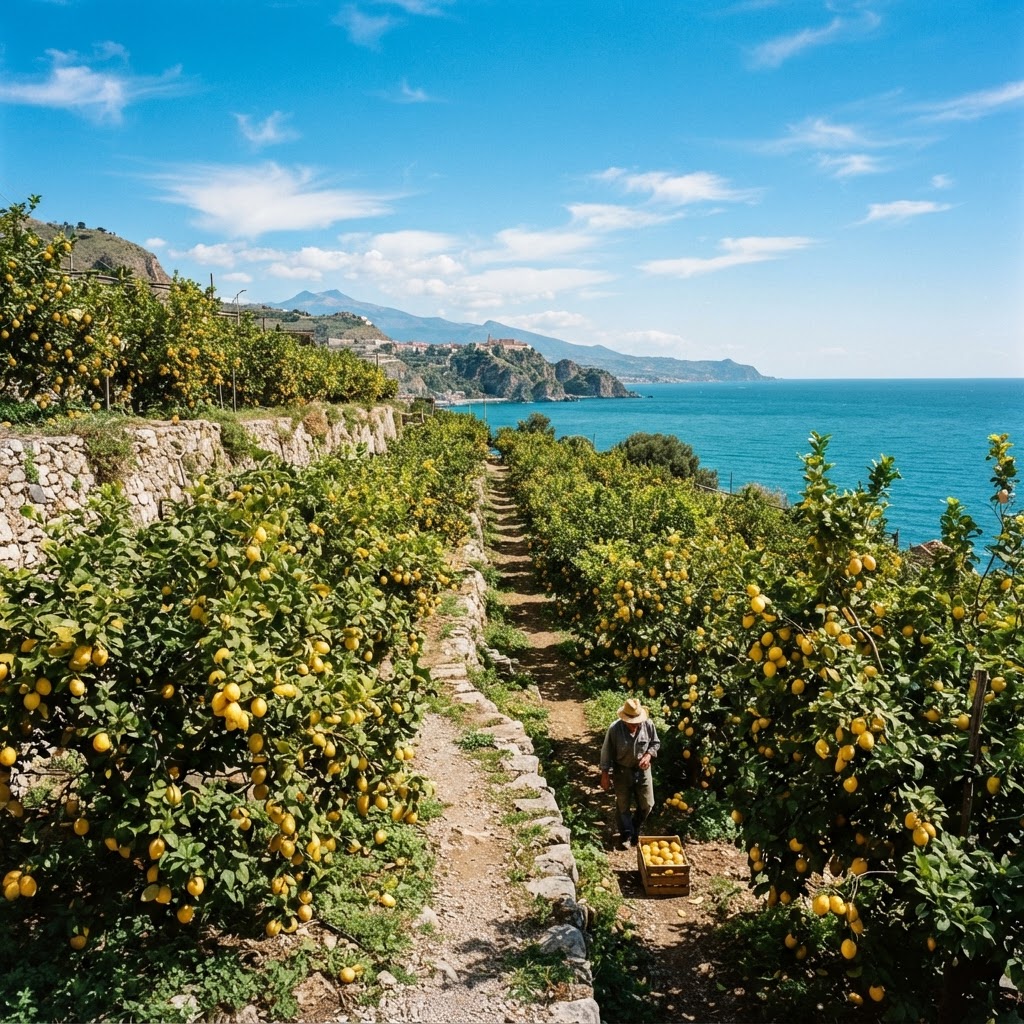
Citrus fruits were introduced to Sicily by Arab settlers during the 9th and 10th centuries, who identified that the island’s volcanic landscape provided an optimal nursery for exotic botanical species. Over the subsequent centuries, this unique environment allowed citrus cultivation to transition from a luxury medicinal curiosity into a cornerstone of the island’s economy. By the 18th century, mass cultivation flourished, establishing the rigorous quality standards still enforced today. Currently, many Sicilian lemon varieties hold Protected Geographical Indication (PGI) status, ensuring that the fruit grown in regions like Syracuse and the Amalfi coast retains its specific genetic heritage and chemical profile. This historical evolution underscores how the strategic integration of imported crops into fertile volcanic soil permanently redefined Sicily’s agricultural identity.
The Role of Volcanic Soil
What makes a lemon from Sicily so special? Much of the credit goes to Mount Etna. The rich, mineral-dense volcanic soil provides essential nutrients that are rarely found in standard agricultural dirt. This unique chemical composition influences the acidity, sugar levels, and oil content of the lemon peel. By providing a substrate high in magnesium, iron, and potassium, the volcanic earth allows the trees to develop complex aromatic profiles that differentiate Sicilian lemons from those grown in standard alluvial soils elsewhere in the world.
Understanding the Sfusato and Primofiore Varieties
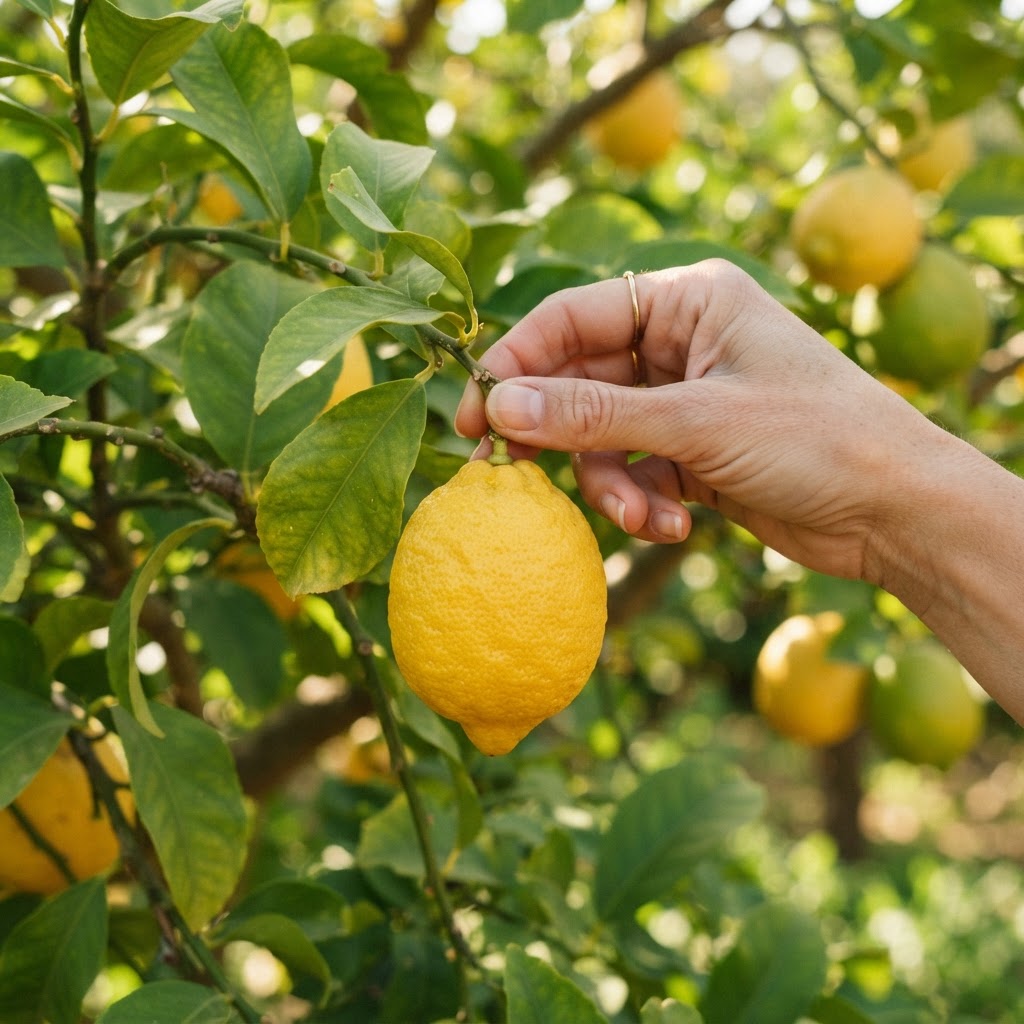
Selecting the right Sicilian lemon depends on your specific culinary objective, as the Sfusato and Primofiore varieties offer distinct sensory and chemical characteristics. The Sfusato Siciliano is characterized by its elongated, irregular shape and thick, highly aromatic skin, which contains a superior concentration of essential oils perfect for limoncello production or gourmet pastry work. In contrast, the Primofiore, or ‘first flower,’ is the earliest harvest of the season, typically appearing between October and January; it features a thinner, smoother rind and a significantly higher acidity level that makes it ideal for fresh juicing and vinaigrettes. Understanding these seasonal and structural differences allows chefs to match the fruit’s specific pH and essential oil content to the intended recipe.
The Art of Sustainable Lemon Cultivation
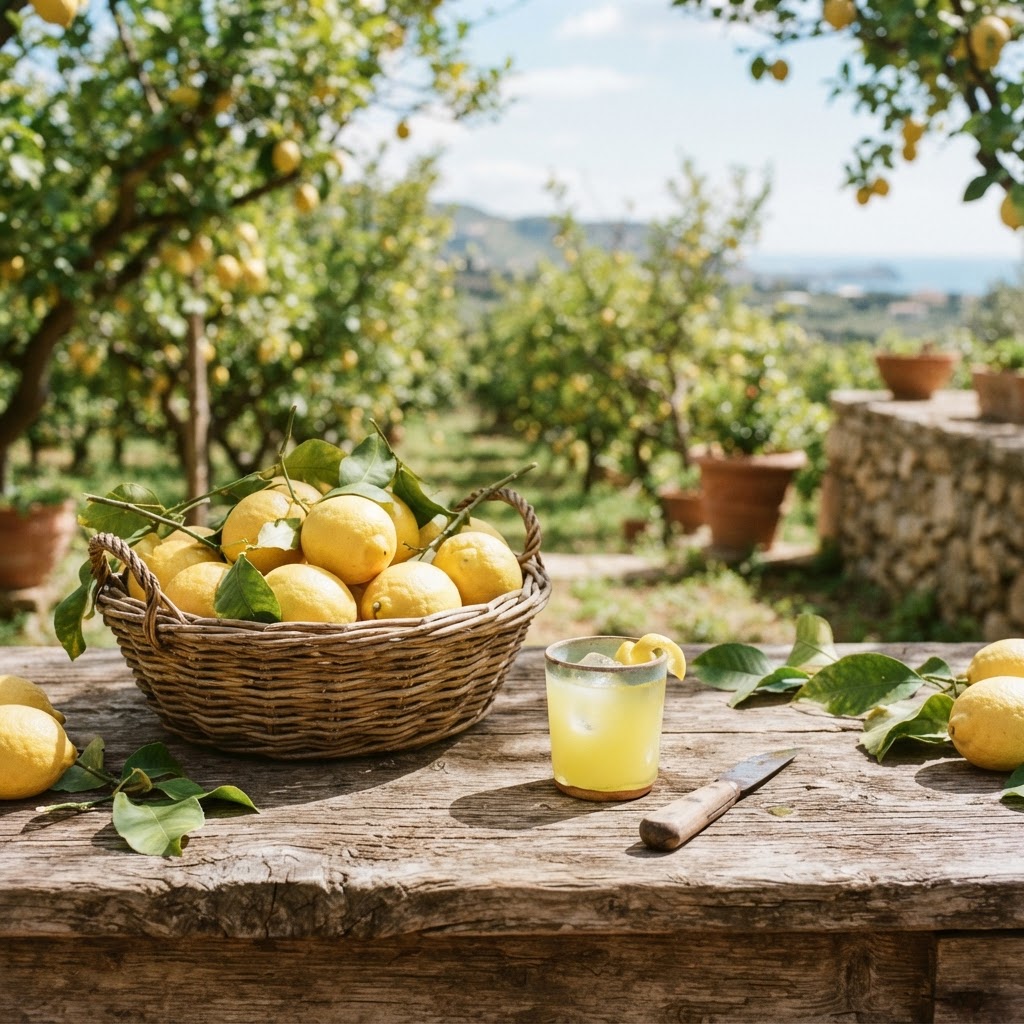
Sustainable lemon cultivation in Sicily relies on a combination of ancestral knowledge and precise modern resource management to ensure long-term grove health. Farmers frequently employ traditional techniques such as the use of ‘pagliaio’—straw-based protective coverings—which shield trees from the harsh Mediterranean wind and unexpected frost, ensuring the fruit skin remains pristine. This commitment to heritage is paired with contemporary scientific approaches to soil management and tree maintenance, which prevents land degradation and keeps the groves productive for decades. By focusing on longevity rather than immediate, high-yield extraction, Sicilian growers ensure the survival of their unique biodiversity.
Irrigation and Water Management
Water is a precious commodity in the Mediterranean. Traditional irrigation channels, often dating back to ancient times, are still used to distribute water efficiently through the groves. Modern farmers combine these historic methods with drip irrigation systems to minimize waste and ensure each tree receives exactly the amount of hydration it needs.
Pest Control Through Nature
Rather than relying on harsh chemical pesticides, many Sicilian growers lean into integrated pest management. By encouraging biodiversity within the groves—planting beneficial herbs like rosemary or lavender between rows—farmers provide a habitat for natural predators that manage pest populations. This holistic approach ensures that the fruit remains pure and flavorful.
Economic Importance and Cultural Heritage
For many local families, the lemon harvest is a season of communal effort. It is more than just an agricultural job; it is a cultural ritual that defines the social fabric of villages from Syracuse to Messina. The economics of the lemon industry support local markets, tourism, and artisanal product manufacturing. Beyond the fresh fruit, the processing industry plays a massive role. Lemon juice, essential oils for the fragrance industry, and the production of candied peels form the backbone of the local economy. These products are exported globally, carrying a piece of the Sicilian sun to kitchens and laboratories thousands of miles away.
Health Benefits of Sicilian Citrus
Beyond their culinary versatility, lemons offer a wealth of health benefits. They are packed with Vitamin C, which is critical for immune system function and skin health. The high concentration of flavonoids and antioxidants found in the peel is known to combat inflammation.
Visiting the Groves: A Traveler’s Guide
If you have the chance to visit, touring a lemon grove is a transformative experience. Many estates now offer agritourism packages, allowing guests to participate in the harvest or learn the secrets of making authentic Limoncello. The best time to visit is during the spring when the trees are in full bloom and the scent of jasmine and lemon fills the air.
What to Expect on a Farm Tour
When you book a visit, look for smaller, family-run estates. You will likely walk through rows of gnarled, ancient trees, learn about grafting techniques, and finish with a tasting of local products. It is the perfect way to connect with the source of your food and support local agriculture.
FAQ
Q: What is the primary difference between Sfusato and Primofiore lemons?
Sfusato lemons are known for their thick, aromatic rinds rich in essential oils, making them the industry standard for limoncello and baking. Primofiore lemons, harvested earlier in the season, feature thinner skins and higher acidity, which are best suited for culinary juicing and vinaigrettes.
Q: Why is Sicilian volcanic soil beneficial for lemons?
The volcanic soil around Mount Etna is packed with essential minerals like magnesium, iron, and potassium that are absent in standard soil. This unique chemical composition significantly enhances the sugar levels, acidity, and aromatic oil concentration in the lemon peel.
Q: When is the best time of year to visit a Sicilian lemon grove?
The optimal time to visit is during the spring, specifically April and May, when the lemon trees are in full bloom. This period offers the most fragrant experience and provides a firsthand look at the traditional pollination and early growth processes.
Q: Do Sicilian lemons contain health benefits beyond Vitamin C?
Yes, these lemons contain high concentrations of flavonoids and limonene, which act as powerful antioxidants to fight inflammation. They are also a good source of citric acid, which is known to assist in healthy digestion and nutrient absorption.
Practical Tips for Visiting the Lemon Coast
Planning a trip to see the groves requires more than just picking a town on a map. Many visitors make the mistake of staying in large cities like Catania and expecting a rural atmosphere. Instead, book a small agriturismo in the countryside near Syracuse or Acireale. This puts you directly in the heart of the orchards where you can hear the bees and smell the blossoms. Renting a car is non-negotiable here, as public transport will not reach the private estates tucked into the slopes.
When to Go and What to Skip
Avoid July and August at all costs. The heat is punishing, and the heavy harvest season is over, leaving the trees looking exhausted. The best time to visit is between March and May. You will see the white flowers blooming while the air remains cool and manageable. Skip the crowded tourist traps in Taormina if you want an authentic agricultural experience. Focus your time on smaller towns like Avola or Noto, where the local lemon culture feels genuine rather than staged for visitors.
A Step-by-Step Guide to Grove Touring
You cannot simply wander into a private grove, as they are working farms with strict phytosanitary rules. Start by booking a formal tour at a certified farm at least two weeks in advance. Most farms offer a morning walk, a harvest demonstration, and a tasting session. Expect to pay between 25 and 40 euros per person for a comprehensive experience that includes lunch. Look for producers who hold the Consorzio di Tutela del Limone di Siracusa IGP label to ensure you are visiting a legitimate operation.
Common Mistakes to Avoid
Never pick a fruit from a tree without explicit permission from the grower. Citrus trees are sensitive, and unauthorized picking can damage the bark or introduce pests. Another common error is wearing open-toed shoes. The ground in these groves is often uneven, rocky, and covered in thorny brush. Wear sturdy hiking boots or comfortable trainers to protect your feet. Finally, do not buy bags of lemons from roadside stalls near major highways; these are often generic imports meant for tourists. Always purchase directly from the farmer at the grove or a trusted local market.
Cost and Logistics Checklist
Budget about 150 euros per day for a comfortable experience, including your car rental, farm tour, and meals. Pack a lightweight rain shell even in the spring, as mountain weather near Etna changes in minutes. Bring a dedicated bag for your purchases, as you will likely end up buying local lemon oil, jams, and sea salt. Use this checklist before you depart:
- Book your agriturismo stay in advance.
- Secure a rental car with full insurance.
- Confirm the exact coordinates of your grove tour.
- Carry small bills for market purchases.
- Pack sunscreen, a hat, and sturdy walking shoes.
Frequently Asked Questions
How long should I spend exploring the groves?
Plan for three full days. One day allows you to tour a major farm, while the second day should be spent visiting local artisan markets and culinary workshops. The third day is best reserved for driving the coastal routes to see how the landscape shifts from volcanic slopes to the sea. Anything less feels rushed and prevents you from actually tasting the products.
Can I bring lemons back home with me?
Check your specific country’s agricultural regulations first. Most countries prohibit importing fresh citrus fruit because of the risk of plant diseases. It is much safer and easier to buy processed lemon goods like jams, syrups, or essential oils. These are almost always cleared for travel and provide a better taste of the island once you return home.
Leave a Reply