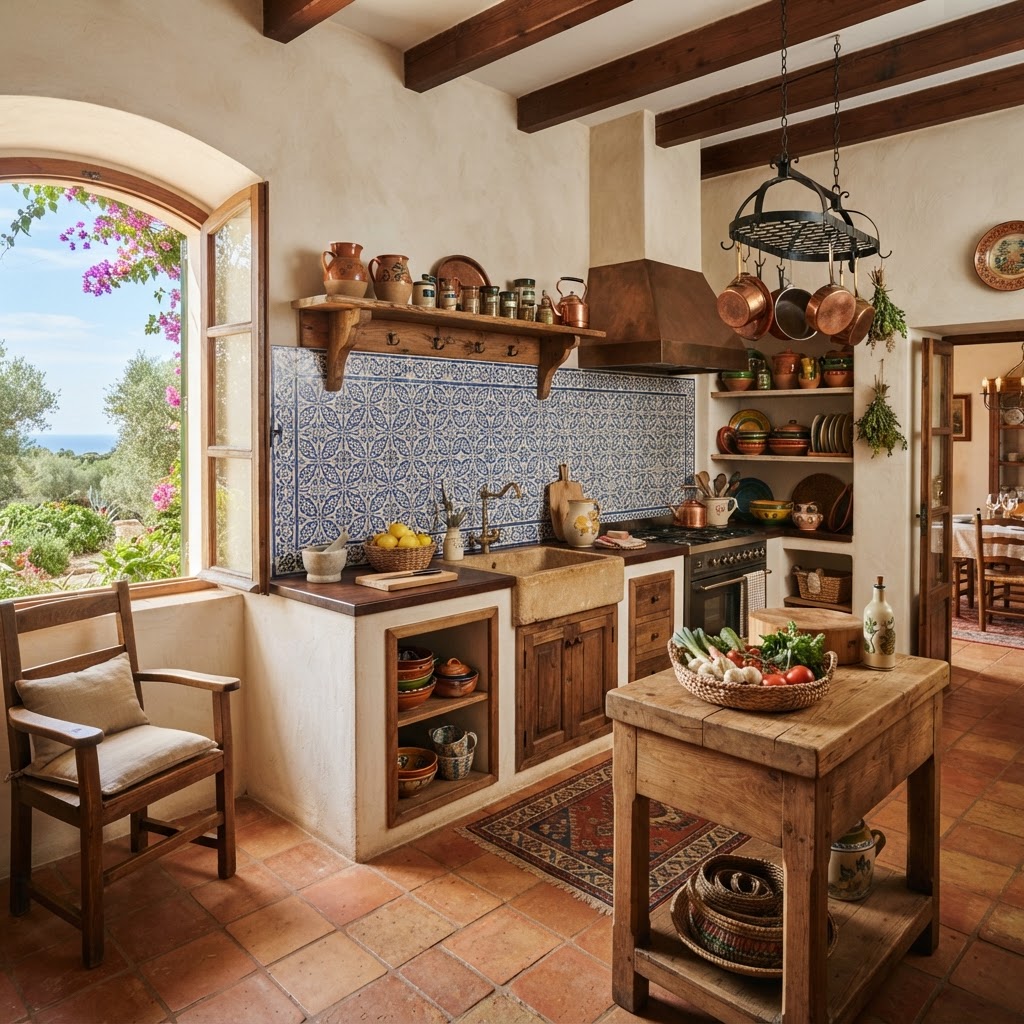
The Magic of Spanish Tiles: Timeless Mediterranean Charm
Spanish tiles, known as Azulejos, are decorative ceramic tiles that add enduring Mediterranean character to interiors through intricate geometric patterns and vibrant colors. These tiles enhance home value and aesthetic appeal by serving as durable, hand-painted focal points that bridge historical artistry with modern functional design requirements.
The Rich History of Azulejos and Spanish Artistry
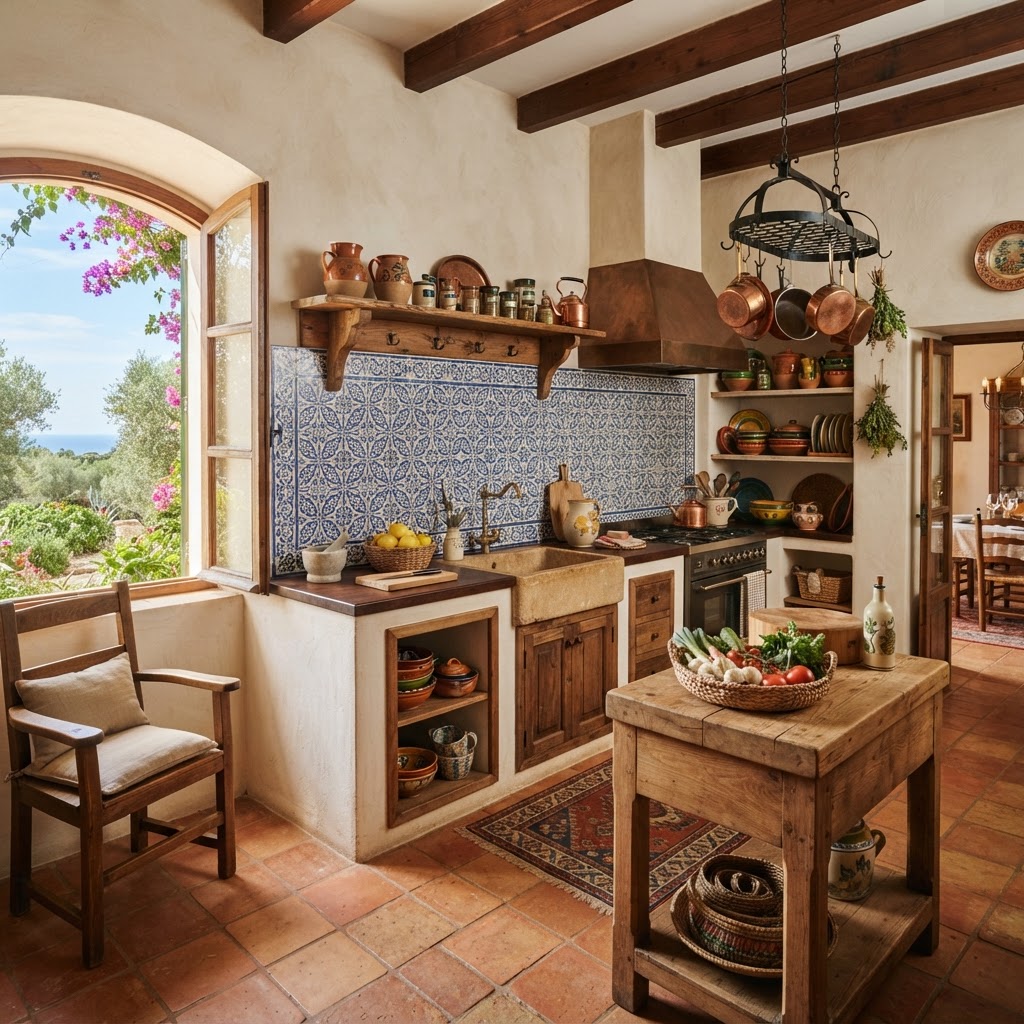
Azulejos represent a centuries-old ceramic tradition heavily influenced by 8th-century Moorish design principles. The term is derived from the Arabic “al-zulayj,” meaning polished stone, and evolved into a hallmark of Iberian architecture during the 13th century. Originally, these tin-glazed tiles served a utilitarian purpose: they acted as thermal regulators, keeping stone homes cool during intense summer heat. By the 15th and 16th centuries, the artistry transitioned into a status symbol, with royal palaces across Spain and Portugal utilizing complex geometric “interlace” patterns to showcase wealth. Today, authentic hand-painted tiles are crafted using a “majolica” process, where mineral pigments are applied to a tin-opacified glaze and fired at temperatures between 900°C and 1000°C. This chemical bonding process creates a surface that is resistant to fading, moisture, and extreme temperature fluctuations, ensuring that the historical aesthetic remains functional for contemporary architectural needs.
| Feature | Traditional Azulejos | Modern Printed Tiles |
|---|---|---|
| Production | Hand-painted kiln fired | Industrial inkjet printing |
| Color Depth | Multi-layered glazing | Surface layer only |
| Cost/Sq Ft | $25 – $100+ | $5 – $20 |
| Durability | High (Chip resistant) | Moderate (Surface wear) |
Why Spanish Patterns Dominate Modern Design
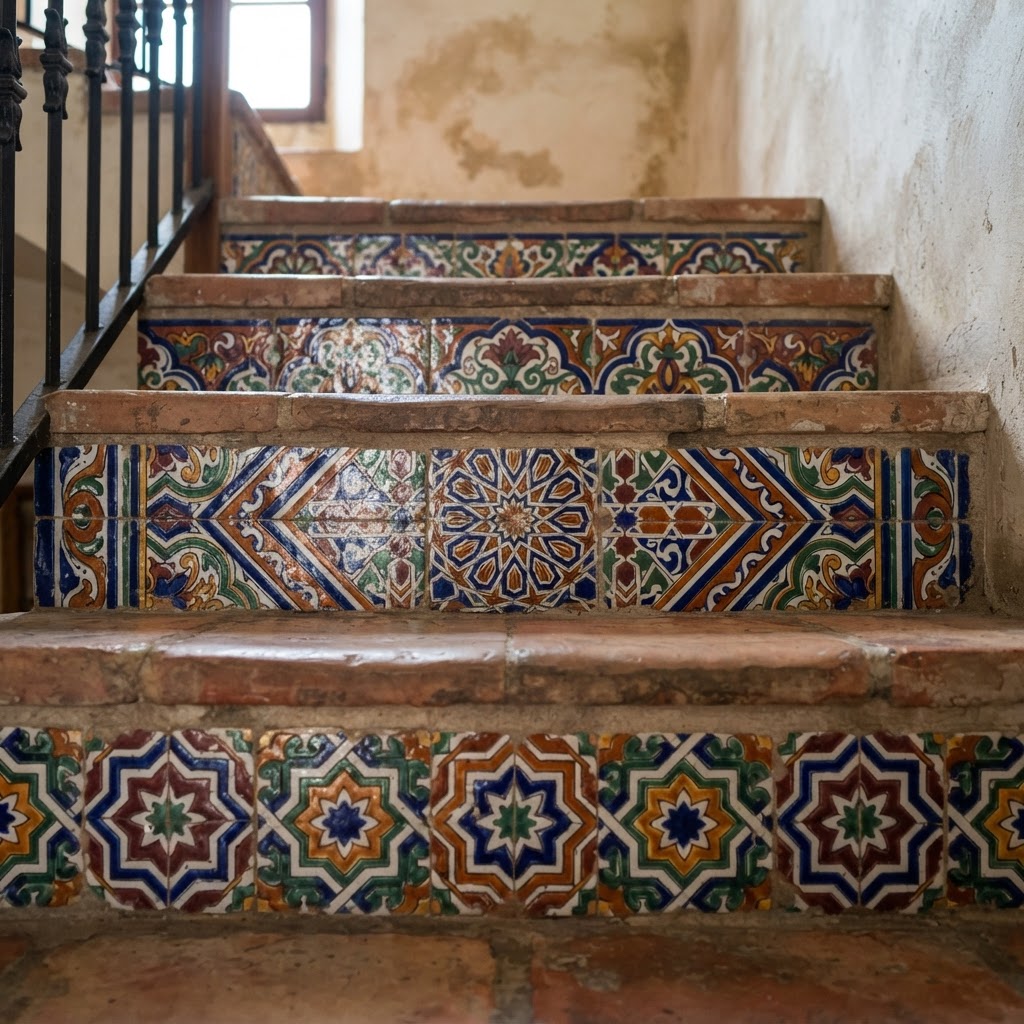
Spanish patterns dominate modern interior design because they introduce rhythmic complexity and structural depth that minimalist, monochromatic spaces often lack. While modern interior design frequently relies on neutral tones, incorporating Spanish motifs—such as the classic “Cuenca” or “Cuerda Seca” styles—provides a visual anchor that creates movement within a room. Designers prefer these tiles because they function as “permanent wallpaper,” allowing for a reduction in other decor elements while still maintaining a curated look. The use of warm, terracotta-toned floral designs or deep cobalt blues creates a “lived-in” feeling that effectively balances the sterility of modern architecture. Furthermore, these patterns are highly effective at concealing dirt and minor imperfections, making them an ideal choice for high-traffic zones like entryways or kitchens. By integrating these tiles, homeowners create a layered narrative that feels intentional rather than mass-produced, directly addressing the growing design trend of maximalist warmth in otherwise modern homes.
Designing Your Space with Decorative Wall Tiles
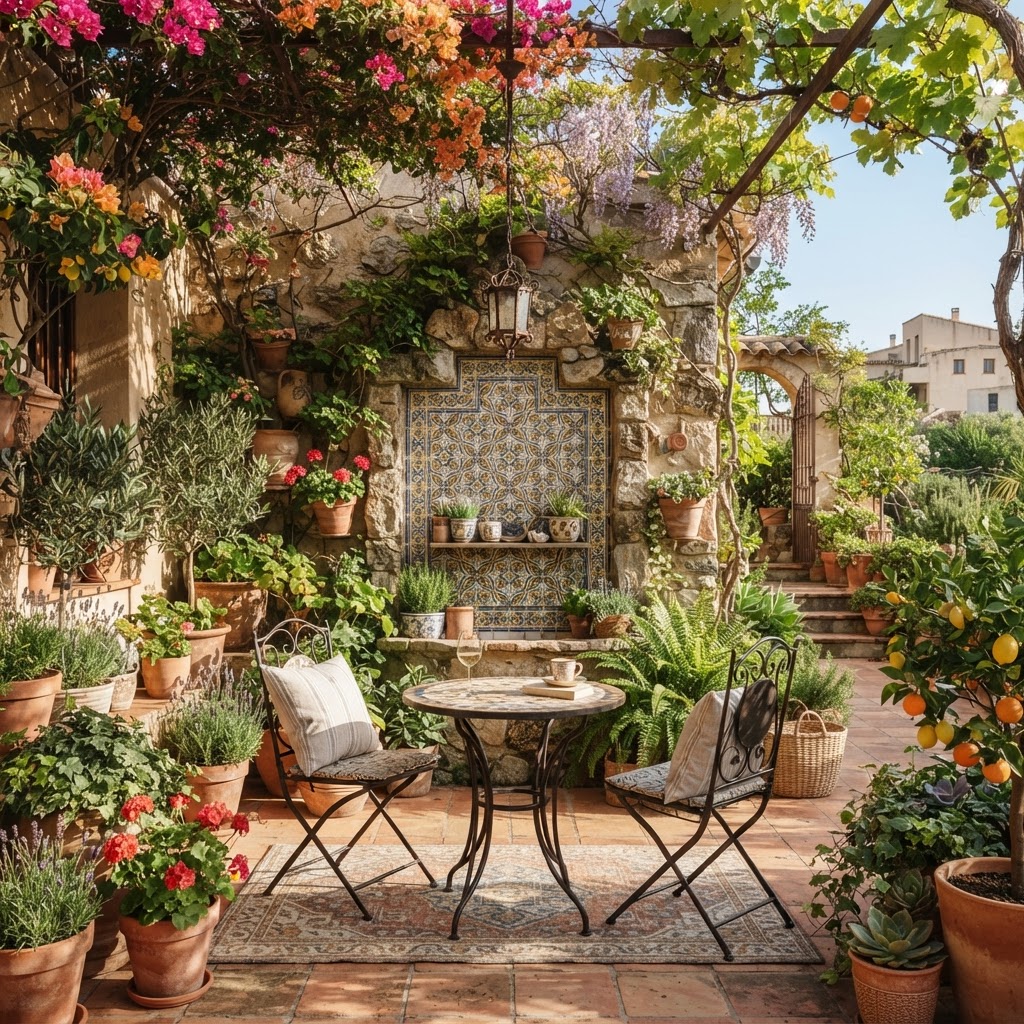
Successfully incorporating decorative wall tiles into a residential space requires a calculated approach to pattern scale and color temperature to avoid overwhelming the eye. In smaller rooms, such as bathrooms, using a bold, large-scale pattern can create a “jewel-box” effect, whereas in larger kitchens, these tiles are best utilized as a specific boundary for backsplashes or niche insets. To professionalize your layout, consider these three industry standards:
- Start with a focal point: Limit intense patterns to one area, such as a fireplace surround or kitchen hood backsplash, to test the visual impact before committing to larger areas.
- Coordinate your palette: Extract one dominant secondary color from the tile—such as a muted mustard or sage—and carry that color through to your textiles, cabinetry, or window treatments.
- Respect the grout: Use a non-contrasting, neutral grout color (such as soft grey or off-white) to blend with the tile edge, which prevents the complex patterns from looking fragmented or cluttered.
Selecting the Right Floor Tile Design
Choosing a floor tile requires a strict analysis of slip resistance, measured by the DCOF (Dynamic Coefficient of Friction) rating. For residential floors, select tiles with a DCOF rating of 0.42 or greater to ensure safety in wet areas like kitchens or entryways. Opt for high-fire ceramic or porcelain, which provides a non-porous surface capable of withstanding the foot traffic of a standard household without scratching or fading. Unlike softer ceramic, porcelain versions are fired at higher pressures, making them nearly impermeable and better suited for exterior patio applications where freeze-thaw cycles might otherwise crack standard clay-based tiles.
Creative Ways to Style Mediterranean Interior Design
Spanish tiles offer versatile design potential beyond standard wall-to-wall flooring, particularly when used as accents to ground a space. A common professional design error is over-covering a surface; instead, treat the tiles as a decorative border or a central mosaic “rug” inset within a field of solid terracotta or neutral stone tiles. This contrast allows the intricate pattern to shine without dominating the visual flow of the room. Mixing artisan-crafted tiles with solid-color field tiles helps maintain a modern balance while honoring the authentic Mediterranean tradition. Furthermore, using these tiles on staircase risers is a highly effective way to add personality to a home without requiring a massive architectural renovation. By layering these textures, you ensure the space feels curated, personal, and connected to the rich heritage of Spanish decorative arts.
The Artistic Value of Hand-Painted Ceramic Tiles
Hand-painted ceramic tiles provide a distinct tactile quality that mass-produced printed alternatives fail to replicate. Because each piece is painted individually by an artisan, there are subtle variations in brushstroke thickness and pigment saturation, which creates an organic, light-refracting quality on the surface. When sunlight hits a wall of hand-painted tiles, the slight undulations in the glaze create shifting shadows, providing a dynamic visual experience that evolves throughout the day. Investing in these authentic pieces supports the preservation of cultural heritage, as many traditional kilns in Spain still use multi-generational techniques. These tiles are inherently unique, ensuring your home features a texture that is one-of-a-kind. While they require a higher initial investment, their longevity and ability to patina gracefully over time make them a sustainable choice that adds long-term value to your property.
FAQ
Are Spanish tiles durable enough for high-traffic floors?
Yes, if you select porcelain or high-fire ceramic, Spanish tiles are extremely durable and suitable for high-traffic areas. Ensure the tile has a high DCOF rating to provide necessary slip resistance and choose a quality-rated material for maximum impact resistance.
How do I clean and maintain hand-painted tiles?
Clean hand-painted tiles with a pH-neutral cleaner and a soft cloth to avoid scratching the delicate glaze. Avoid harsh acidic cleaners like vinegar or bleach, which can etch the surface of the tile and degrade the vibrancy of the hand-painted colors over time.
Can I mix Spanish tiles with modern decor?
Absolutely; mixing Spanish tiles with modern decor creates a “transitional” style that adds warmth and character to minimalist spaces. Use the tiles as a single focal point, such as an accent wall or backsplash, to balance out clean-lined furniture and neutral color schemes.
Why are hand-painted tiles more expensive?
Hand-painted tiles are more expensive because each piece is individually crafted by an artisan, involving manual glazing and multiple kiln-firing steps. This labor-intensive process, combined with the use of artisanal pigments, creates a depth of color and unique surface texture that industrial printing cannot replicate.
What is the difference between Azulejos and standard ceramic tiles?
Azulejos refer specifically to the traditional Iberian tin-glazed ceramic tiles characterized by specific Moorish-influenced geometric and floral motifs. Unlike standard ceramic tiles, which may be mass-produced with generic patterns, authentic Azulejos emphasize historical craftsmanship, cultural storytelling, and often feature unique, hand-painted details.
Leave a Reply