Where Locals Go in Valencia: An Insider’s Secret Guide
Locals in Valencia go to neighborhoods like Ruzafa for authentic market shopping, El Cabanyal for traditional ‘esmorzar’ brunches, and the quiet southern beaches of Pinedo to avoid tourist crowds. By prioritizing local-run tapas bars and community-centric plazas, travelers can experience the city’s genuine daily rhythm beyond standard sightseeing hotspots.
The Pulse of Ruzafa: Beyond the Cafes
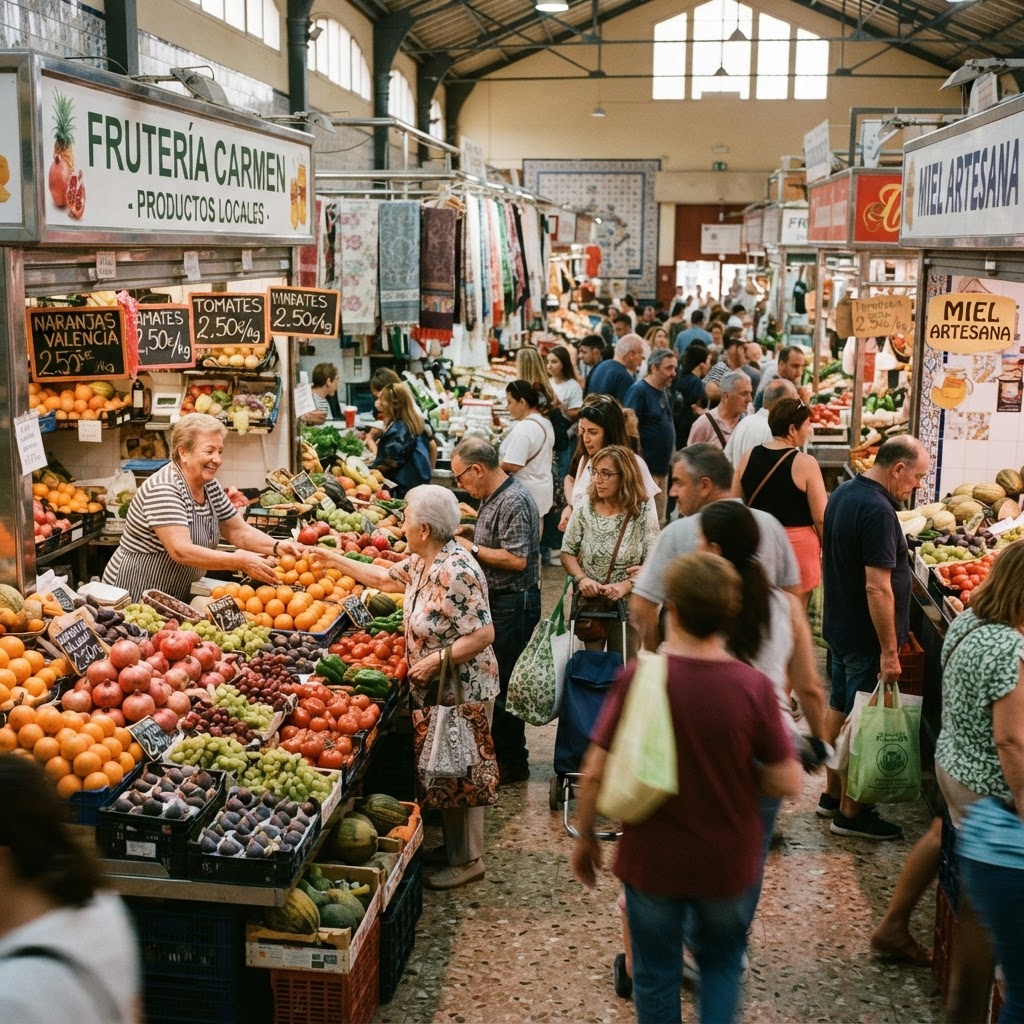
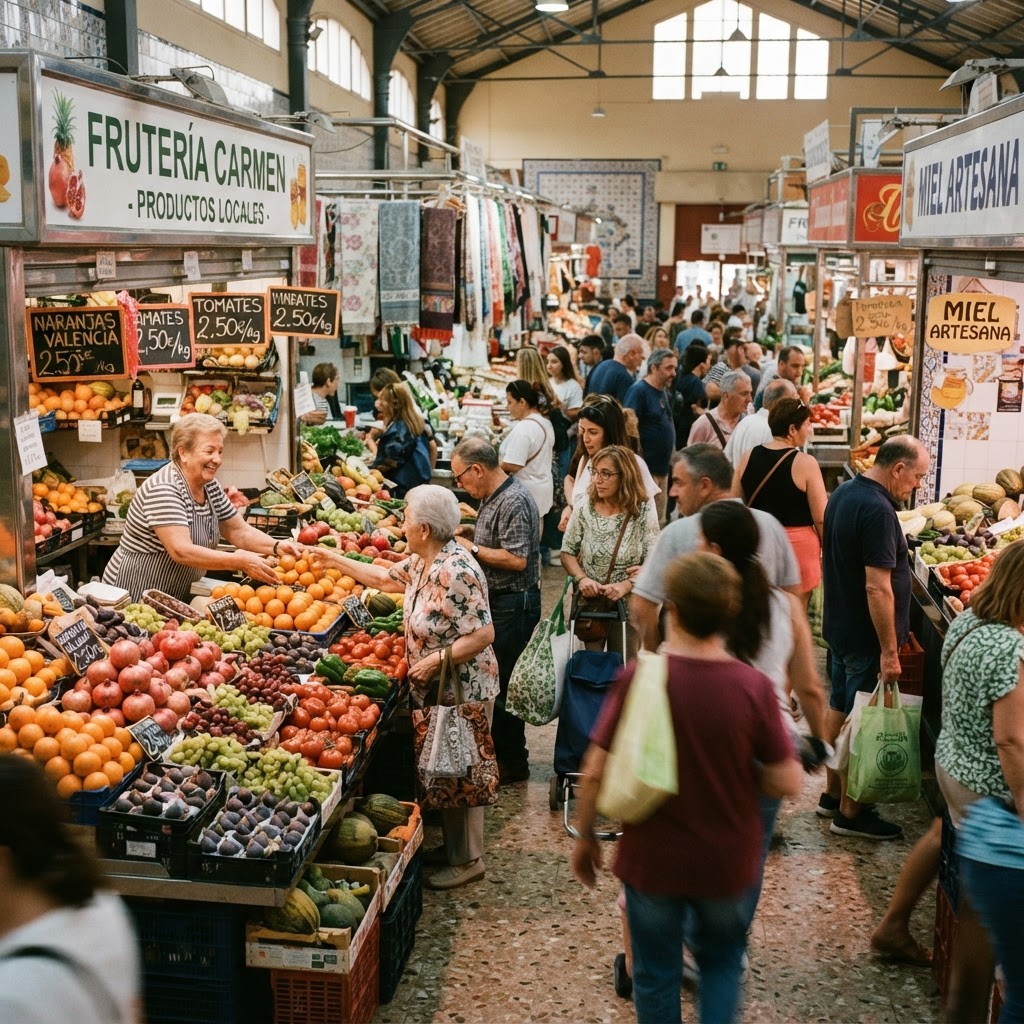
Ruzafa serves as the epicenter of authentic Valencian daily life, standing in stark contrast to the city’s more polished tourist districts. The anchor of this neighborhood is the Mercat de Ruzafa, which operates from 7:30 AM to 3:00 PM, Monday through Saturday. Unlike the historic Central Market, which sees over 10,000 visitors daily, the Ruzafa market is where neighborhood grandmothers and chefs source high-quality seasonal produce such as Tiger nuts for Horchata or fresh Valencian tomatoes. Walking these aisles at 10:00 AM on a weekday allows you to witness the true “barrio” spirit where prices are listed per kilo and remain consistent regardless of your nationality.
Where to Grab Your Morning Cortado
To eat like a local, avoid the international coffee chains surrounding the City Hall (Plaza del Ayuntamiento). Instead, look for unmarked corner cafes along Calle Cádiz where a cafe con leche typically costs between €1.20 and €1.50. Standing at the bar, as most regulars do, is the most authentic way to consume your morning espresso. These establishments often feature handwritten chalkboards listing ‘esmorzar’ specials. Observing the social dynamic here—where baristas know the names and drink preferences of 80% of their customers—provides a deeper understanding of local Valencian social architecture than any museum visit.
| Feature | Tourist Hubs (City Center) | Local Hubs (Ruzafa/Cabanyal) |
|---|---|---|
| Coffee Price | €2.50 – €4.00 | €1.20 – €1.80 |
| Atmosphere | Fast-paced, multilingual | Community-focused, Spanish |
| Best Time to Visit | Anytime | 9:00 AM – 11:00 AM |
Exploring the Cabanyal: A Fishing Village Soul
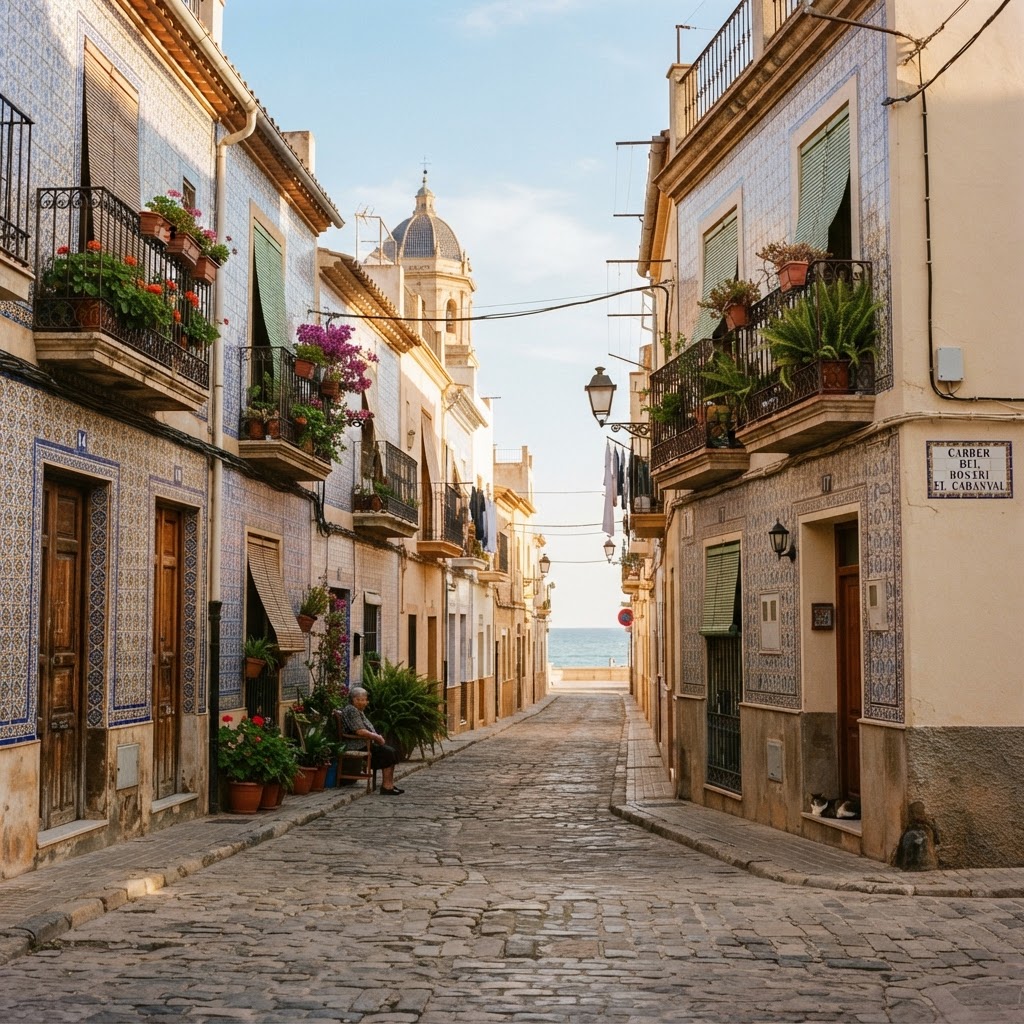
El Cabanyal is a preserved historic fishing village that retains its distinct Mediterranean soul through its unique architectural “barraca” houses and colorful tiled facades. While central Valencia has modernized, this district remains a grid of low-rise buildings where the sea air dictates the pace of life. Locals flock here specifically for ‘esmorzar,’ a sacred mid-morning meal usually occurring between 10:30 AM and 12:00 PM. This is not a light snack; it involves a hearty ‘bocadillo’ (often filled with tortilla, ‘blanco y negro’ sausage, or anchovies), a beer, and a coffee. To find the best spots, wander the streets perpendicular to the beach and seek out venues with high noise levels and minimal decor; these establishments prioritize food quality over interior design, serving as the heartbeat of this maritime community.
The Secret Gardens and Turia Paths
While the Turia Gardens span nine kilometers, the majority of foot traffic stays on the central paved paths near the City of Arts and Sciences. To find where locals go for recreation, head toward the Palau de la Música and venture into the smaller, wooded side-trails. These secluded areas are where residents gather to play instruments, host “tertulias” (long, flowing conversations), or practice yoga in the shade of orange trees. During the weekends, specifically Sunday mornings, these hidden pockets serve as the city’s living room. The park was reclaimed from a diverted riverbed in the 1980s, and these quieter, shaded sections represent the most successful examples of urban repurposing for community well-being in all of Spain.
Authentic Dining: Best Local Tapas Bars in Valencia
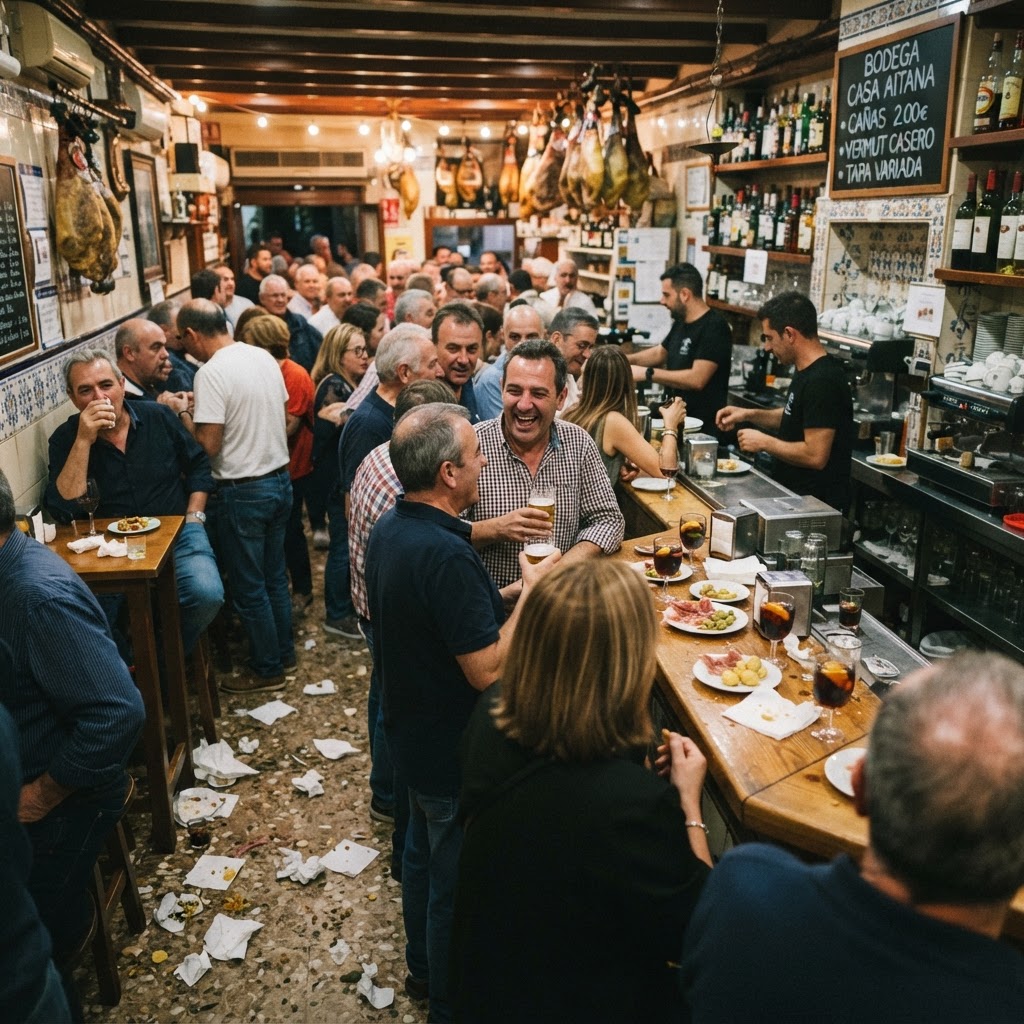
Finding a truly local tapas bar in Valencia requires ignoring the aesthetic appeal of a restaurant and focusing on the behavior of the patrons. A high-quality local joint is characterized by a high turnover of customers, staff that call regulars by name, and, traditionally, a floor with discarded paper napkins—a sign of high-volume, authentic service. When dining, strictly follow the local schedule: lunch is served between 2:00 PM and 3:30 PM, and dinner typically starts no earlier than 9:00 PM. Order the ‘Menu del Dia’ for the best value, which generally ranges from €12 to €16 for a three-course meal including wine. Never order paella for dinner; it is exclusively a lunch dish in Valencia, and authentic kitchens will not prepare it after 4:00 PM.
The Hidden Beaches of Pinedo
While Malvarrosa beach is the most famous, it is also the most crowded, which is why locals seeking peace and quiet head 10 minutes south to Pinedo. Located on the edge of the Albufera Natural Park, Pinedo offers a more natural, rugged coastline backed by protected pine forests. Unlike the beach clubs that dominate the northern beaches, Pinedo is largely used by Valencian families who bring their own picnic supplies and folding chairs. This is the ideal spot to escape the heat of July and August. The water quality is excellent, and the area provides a direct link to the Albufera wetlands, where many locals also go for boat trips and authentic rabbit-and-snail paella at sunset.
Nightlife: The Ritual of the Tertulia
Valencian nightlife is defined by the ‘tertulia,’ a cultural practice of sustained, intellectual, or lighthearted conversation that can last for hours. You will not find locals standing in line for clubs until the early hours of the morning; instead, they occupy plazas like Plaza del Tossal from 7:00 PM onwards. Drinking ‘Agua de Valencia’—a potent mix of cava, orange juice, gin, and vodka—is a tradition, but a glass of local Utiel-Requena wine is the standard drink for a tertulia. Being off the beaten path means finding a terrace where the server does not expect you to rotate your table. In these spots, you are encouraged to linger, observe the local social dynamics, and participate in the city’s long-standing tradition of nightly discourse.
FAQ
Is it acceptable to order paella at night in Valencia?
No, it is not considered culturally acceptable to order paella at dinner in Valencia. Paella is a heavy, lunch-only dish; eating it at night is seen as a “tourist trap” behavior, and many authentic local restaurants will simply refuse to serve it after 4:00 PM.
What is an ‘Esmorzar’ and how do I order one?
‘Esmorzar’ is a traditional Valencian mid-morning brunch consisting of a large bocadillo, a drink (beer or wine), and a coffee. To order, go to a local bar before 12:00 PM and ask for the “menu de esmorzar,” which usually includes the sandwich of the day.
Where can I find the most authentic tapas in the city?
Look for crowded, noisy bars where the floor may have some paper napkins on it, as this indicates high-turnover, fresh food. Avoid any place with an English-language menu displayed outside or large photo placards of food, as these are targeted at tourists rather than locals.
When is the best time to visit to avoid crowds?
To avoid the largest crowds while still enjoying great weather, visit Valencia during late May or late September. These periods offer temperatures between 20°C and 25°C, allowing you to enjoy local haunts without the surge of summer tourism that hits in August.
How should I get around like a local?
Most locals use the Valenbisi bike-share scheme or the extensive public bus network (EMT). Walking is also highly encouraged, as the city center is mostly flat, making it easy to traverse neighborhoods like Ruzafa and El Carmen on foot without needing a taxi.
Leave a Reply