Top 10 Andalusian Patios You Have to See in Spain
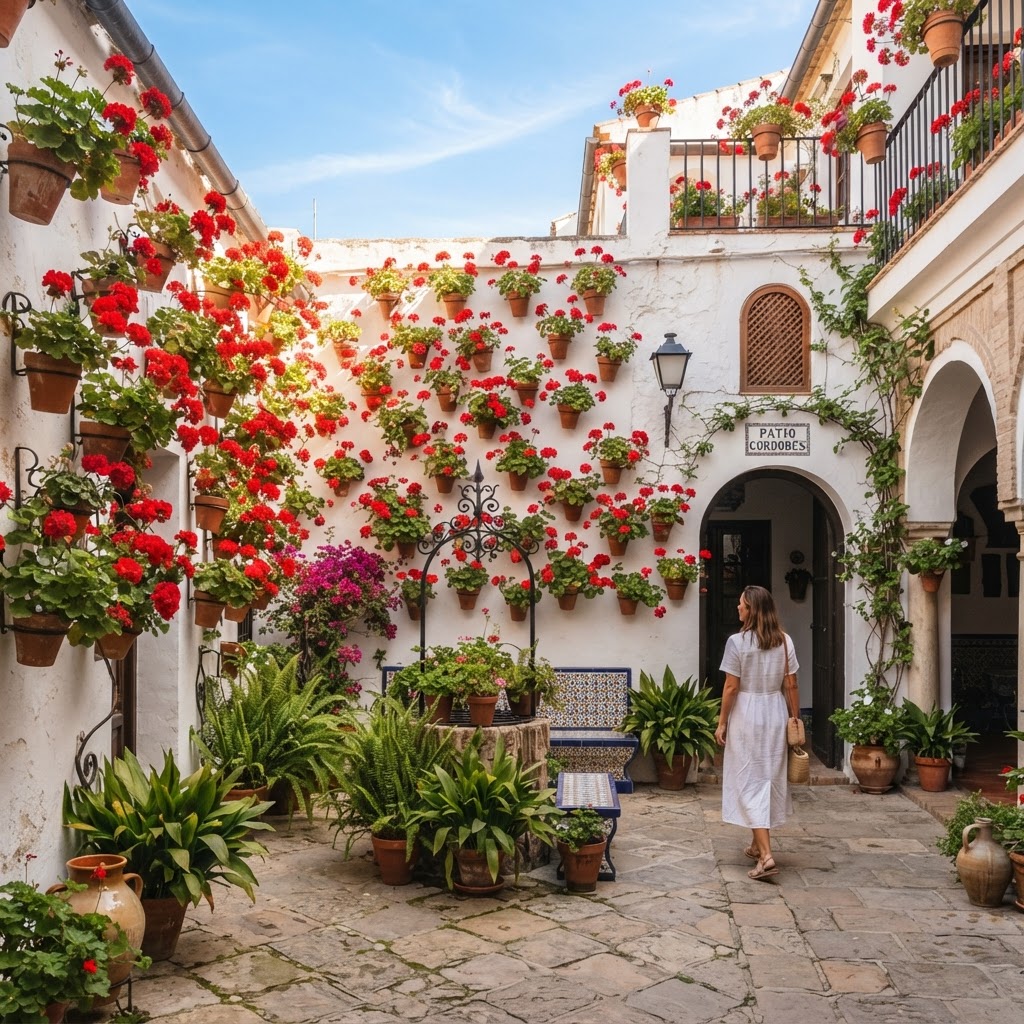
Andalusian patios are traditional, flower-adorned courtyards found in Southern Spain, serving as private, cool sanctuaries that blend Roman, Moorish, and Mediterranean architectural influences. Key sites to visit include the UNESCO-listed ‘Patios de Córdoba,’ the Mudéjar-style courtyards of Seville, and the intimate, vine-covered spaces nestled within the historic Albaicín district of Granada.
The History and Origins of Andalusian Patios
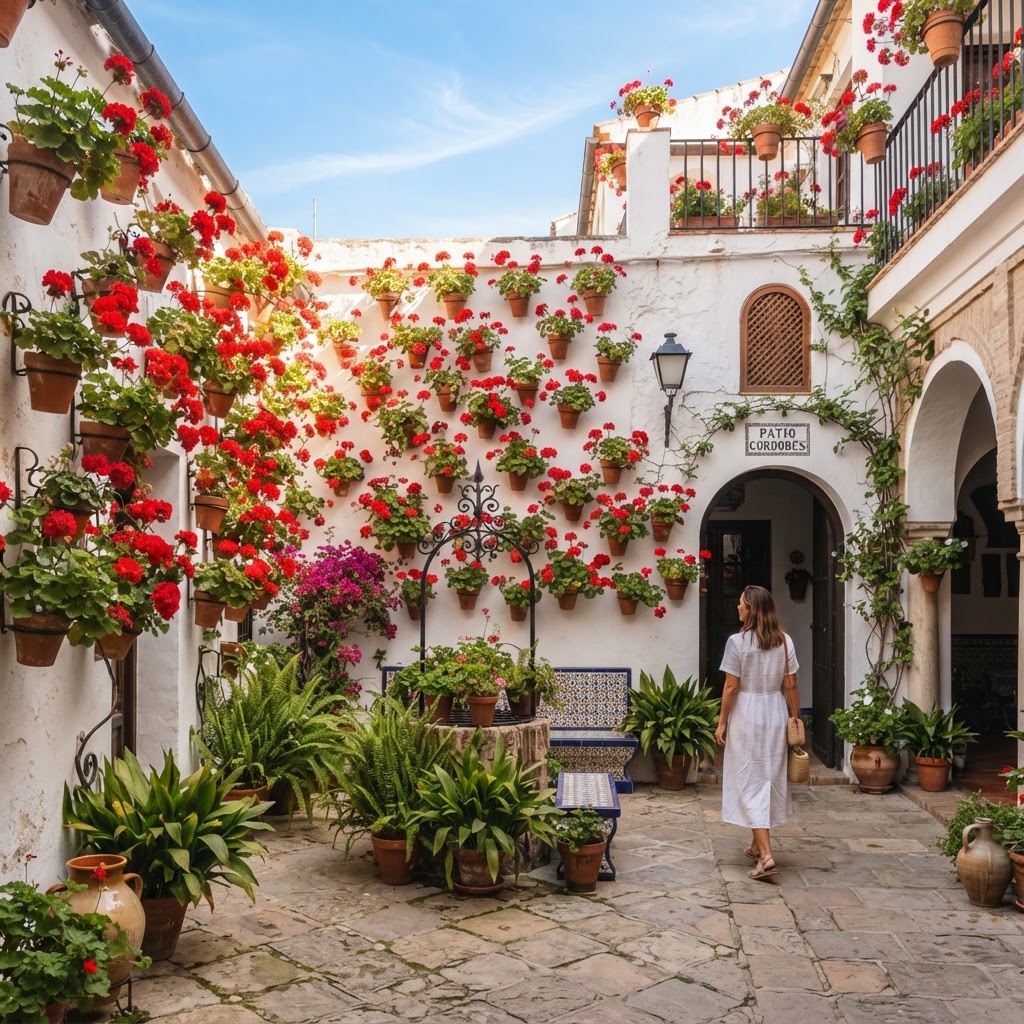
The architectural legacy of the Andalusian patio is deeply rooted in the Roman and Moorish traditions that once shaped the Iberian Peninsula. Originally designed to combat the intense summer heat of Southern Spain, these inward-facing courtyards provided a natural cooling system for homes. By utilizing high walls to create shade and incorporating water features to increase humidity, families could enjoy a comfortable living space even during the hottest hours of the day, where temperatures often exceed 40°C (104°F) in July and August.
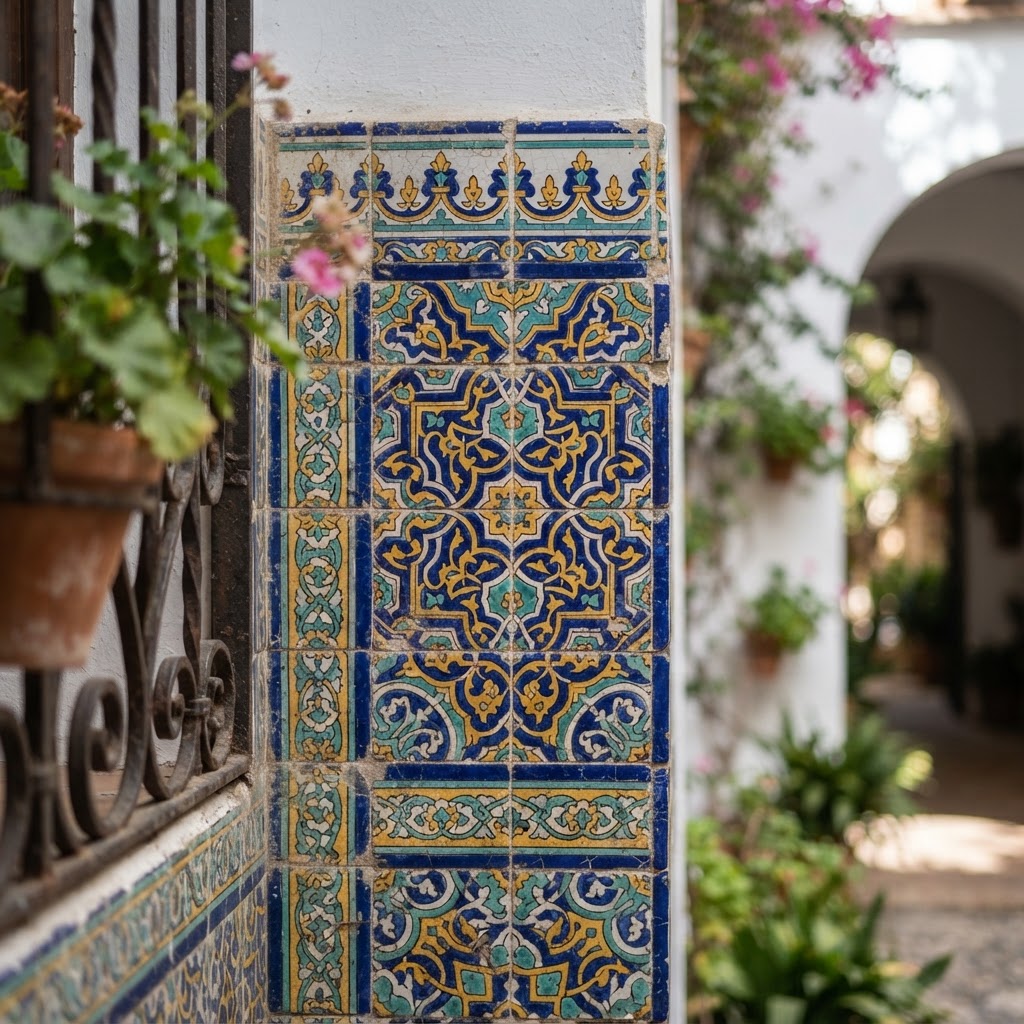
During the Moorish period, the concept evolved to include intricate tile work, known as ‘azulejos,’ and the integration of lush, aromatic plants. The aesthetic was heavily influenced by the Islamic tradition of the ‘riad’ or garden paradise, where water and vegetation were considered symbols of life and purity, and you can explore more of this iconic aesthetic in our guide to traditional Andalusian style art and architecture. Today, these spaces remain integral to local culture, acting as private living rooms where families gather to socialize, eat, and relax in the evening cool. The persistence of these structures is due to the ‘patio culture,’ a social framework that emphasizes community interaction over total privacy, contrasting sharply with northern European architectural styles.
Architectural Elements of a Classic Patio
The Role of Water Features
Water is the lifeblood of any traditional patio. Small central fountains or wall-mounted basins not only serve as decorative centerpieces but also contribute to the acoustic beauty of the space, muffling the noise of the streets outside. The evaporative cooling effect of these water sources can lower the ambient temperature of a courtyard by up to 5°C, making them essential during the long Andalusian summer.
The Power of Terracotta and Ceramic
Terracotta pots are the hallmark of Andalusian decor. By hanging these pots against white-washed lime walls, residents create a vertical garden effect that maximizes limited space while adding a burst of color through bright red, pink, and purple flowers. Traditional pots are often treated with a porous finish to allow roots to breathe, which is critical for maintaining healthy geraniums and carnations in the arid Spanish climate.
” src=”https://img.youtube.com/vi/cu9IAhMOQL4/hqdefault.jpg” style=”display:block; margin:2.5em auto; max-width:100%; height:auto;” />
Exploring the Famous Patios de Cordoba
Cordoba is undoubtedly the global capital of the Andalusian patio. Every May, the city hosts the ‘Festival de los Patios,’ a UNESCO-recognized event where over 50 private homeowners open their doors to the public for free. During this month, the city is transformed into a fragrant tapestry of blooming flowers and meticulously maintained greenery that draws over 1,000,000 visitors annually. The event typically runs for 12 days, during which a professional jury awards cash prizes to the ‘best patio’ based on flower variety, structural maintenance, and traditional decoration.
Walking through the narrow streets of the Alcazar Viejo neighborhood, you will encounter dozens of private homes competing for the title of the most beautiful patio. Each space is unique; some are grand and symmetrical, reflecting aristocratic history, while others are small, humble, and bursting with personal character. The dedication of the ‘pateros’—the people who tend to these gardens—is a lifelong passion that keeps this centuries-old tradition thriving in the modern age. Many of these families have been cultivating the same courtyards for over four generations, documenting their horticultural successes and failures in private journals that are rarely shared outside the community.
Hidden Gems in Seville and Granada
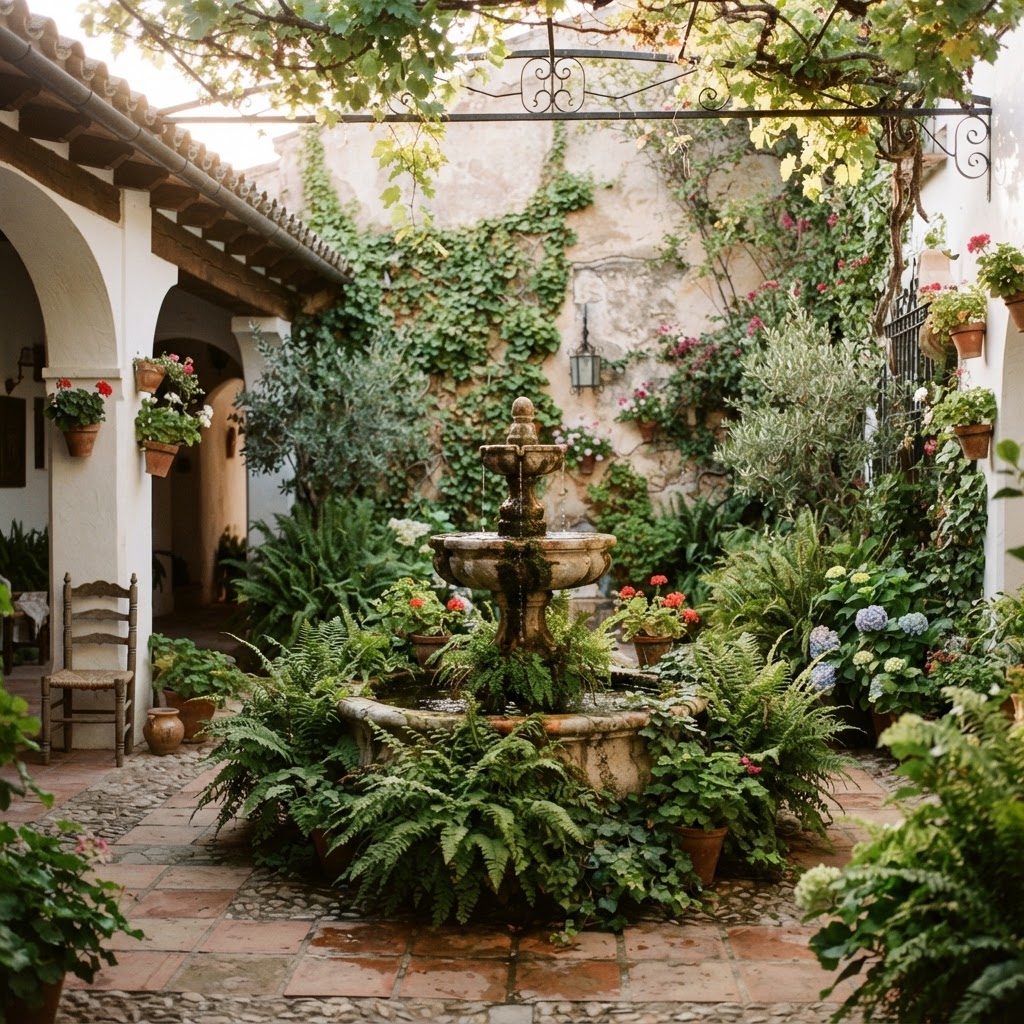
While Cordoba steals the spotlight, Seville and Granada offer their own magical variations of the Andalusian courtyard. If you enjoy the intimate, elevated vantage points of Andalusian patios, you might also appreciate the best Santorini balcony views for sunset, where private terraces offer similar serene escapes overlooking the caldera. In Seville, you will often find larger, more ornate patios influenced by the Mudéjar style, featuring stunning archways and columns that speak to the city’s opulent past. Exploring the Santa Cruz quarter provides a masterclass in how these courtyards integrate with urban living. Unlike the more compact Cordoban style, Sevillian patios frequently feature marble flooring and central wells, reflecting the city’s wealthier mercantile history during the 16th and 17th centuries.
In Granada, the patios are often defined by their proximity to the Alhambra and the influence of the Nazari dynasty. Here, the focus is often on the contrast between the rough textures of stone and the delicate nature of climbing vines like jasmine and bougainvillea. These spaces are often more intimate, offering a quiet respite after a long day of hiking the hills of the Albaicín district. While many are private, some, such as those found in converted mansions near the Carrera del Darro, allow paid entry for visitors to enjoy tea and local sweets amidst the floral displays.
” src=”https://img.youtube.com/vi/kAtBU1WCvhQ/hqdefault.jpg” style=”display:block; margin:2.5em auto; max-width:100%; height:auto;” />
The Best Time to Visit and What to Expect
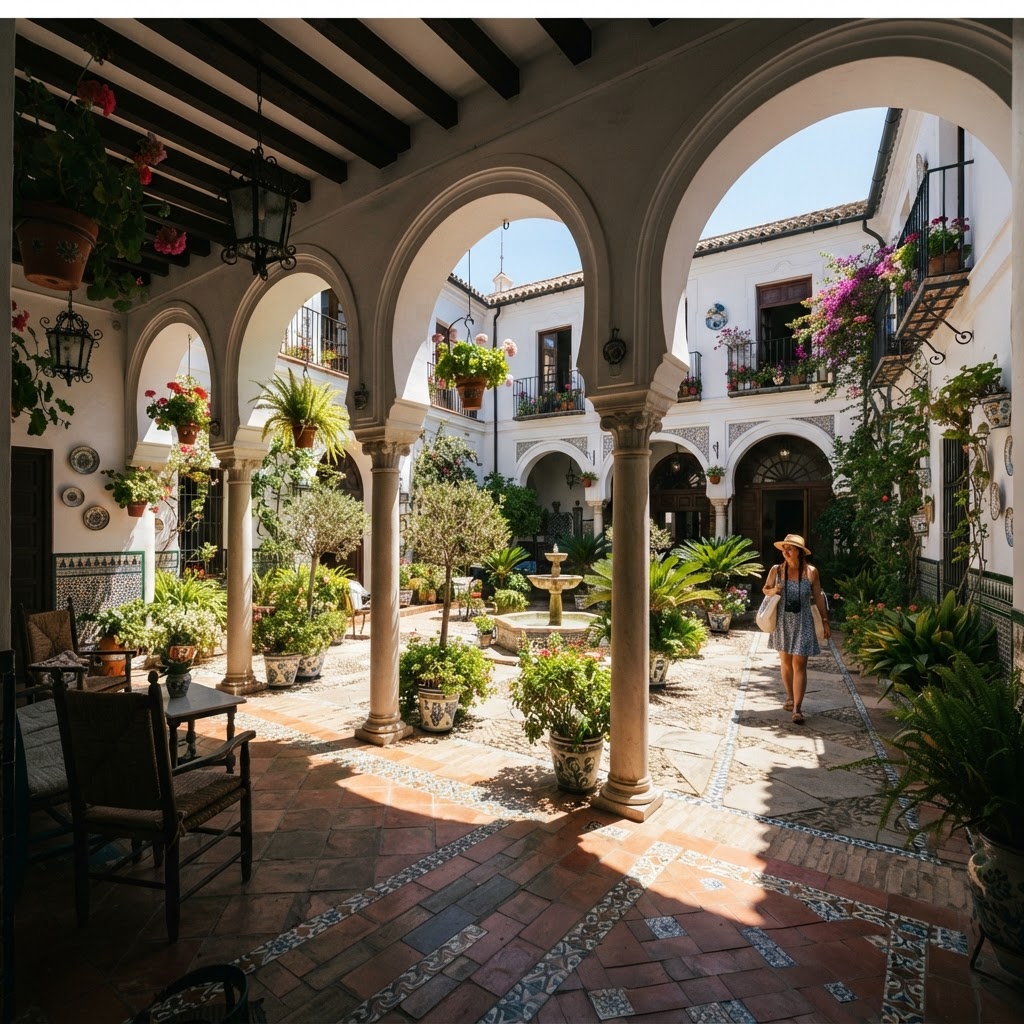
Timing your trip is crucial if you want to experience these spaces in their full glory. Late spring, specifically late April and May, is the peak season when the flowers are in full bloom. The climate is warm but not yet scorching, making it perfect for wandering through the historic centers of these cities without the heavy crowds of mid-summer. Outside of the festival window, many owners offer private tours for a nominal fee, usually between €3 and €5, which helps cover the significant water and plant replacement costs incurred during the growing season. If you are planning to visit other picturesque regions, you might find our guide on how to do the Cotswolds by train from London to be an essential resource for your future travels.
When visiting, keep in mind that many of these patios are private homes. Even if they are open for public viewing, it is important to be respectful of the space, maintain a quiet demeanor, and always ask for permission before taking close-up photos. Many owners will be happy to chat about their plants, as gardening is a source of immense community pride. Please note that most patios are closed to visitors during the siesta hours of 2 PM to 5 PM, as this is when the heat is at its peak and the residents are resting.
Essential Tips for Patio Photography
Capturing the magic of an Andalusian patio requires patience and an eye for detail. The strong contrast between the bright white walls and the colorful flowers can be tricky for cameras, so try to shoot during the ‘golden hours’—shortly after sunrise or just before sunset. This will provide soft, diffused light that prevents harsh shadows from obscuring the textures of the plants. For digital photographers, setting your camera to ‘spot metering’ mode is highly recommended to correctly expose the vibrant flowers without blowing out the highlights on the reflective white lime walls.
Focus on the details as much as the wide shots. Close-ups of the hand-painted tiles, the texture of a clay pot, or the droplets of water on a fern can often tell a more compelling story than a panoramic view. Experiment with angles that frame the blue sky above, contrasting it with the vibrant greenery below to capture the unique verticality of these spaces. Using a polarizing filter can also help reduce glare on ceramic tiles, significantly improving the color saturation of your images.
” src=”https://img.youtube.com/vi/VsVlBsZw4Pg/hqdefault.jpg” style=”display:block; margin:2.5em auto; max-width:100%; height:auto;” />
Gardening Secrets: Bringing the Patio Home
If you find yourself inspired by these Spanish treasures, you can recreate the atmosphere of Andalusian patios in your own home garden or balcony. The secret lies in the ‘less is more’ approach when it comes to structural elements, paired with an abundance of greenery. Stick to a neutral, white-washed backdrop to allow your flowers to pop. Use lime-based white paint if possible, as it provides a traditional matte finish that absorbs less heat than modern acrylic paints.
Choose plants that thrive in Mediterranean conditions, such as pelargoniums (geraniums), carnations, and climbing ivy. Vertical planting is key; utilize wall brackets, hanging baskets, and tiered shelving to create height. If you lack the space for a central fountain, a small wall-mounted water feature or even a large ceramic bowl with floating flowers can provide the same tranquil effect that defines the Andalusian aesthetic. For balcony gardeners, ensure your pots have adequate drainage holes; Andalusian plants are highly susceptible to root rot if water sits stagnant in the base of the terracotta.
Preserving the Tradition for Future Generations
The cultural significance of these courtyards cannot be overstated. They are living museums that connect current residents with their historical roots. Organizations and local governments are increasingly working to ensure that traditional maintenance techniques, such as the specific way to prune bougainvillea to encourage dense flowering, are passed down to younger generations, preventing the loss of this intangible heritage.
Supporting local tourism in these regions plays a vital role in this preservation. When you visit these sites, you are contributing to the economic incentive that keeps these homeowners motivated to continue their hard work. By valuing these spaces, we help ensure they remain a vibrant part of Spanish life for years to come. In Cordoba alone, the local government provides annual grants totaling over €40,000 to assist homeowners with the structural repairs and water costs associated with maintaining their historic properties.
FAQ
Q: When is the best time to visit the Patios de Córdoba?
The best time to visit is during the first two weeks of May, specifically when the annual ‘Festival de los Patios’ takes place. During this period, the city is in full bloom and private homes open their courtyards to the public free of charge.
Q: Are all Andalusian patios open to the public year-round?
No, most Andalusian patios are private homes and are not open to the public outside of designated festival dates or specific guided tour programs. Always look for signage or inquire locally before attempting to enter a private courtyard.
Q: What is the significance of the white-washed walls?
White-washed walls are traditionally painted with lime to reflect intense sunlight, keeping the inner courtyard significantly cooler during the summer months. This architectural technique has been used in Andalusia for centuries as an effective, low-cost climate control solution.
Q: Can I take photos of the patios?
Yes, you can generally take photos of the patios, but you should always ask the owner for permission first. It is considered polite to avoid using tripods or professional equipment unless you have prior agreement, and you should respect any areas marked as private or restricted.
Q: What kind of plants are typically found in an Andalusian patio?
The most common plants include geraniums, carnations, petunias, and climbing jasmine. These species are chosen for their ability to thrive in pots, their bright colors, and their resistance to the warm, dry Mediterranean climate characteristic of Southern Spain.
Leave a Reply