
Tuscany Countryside: The Ultimate Guide to Slow Travel
Slow travel in the Tuscany countryside is defined by prioritizing deep immersion, regional connection, and local traditions over traditional sightseeing checklists. By centering your itinerary around an agriturismo base, limiting daily activities, and engaging with authentic culinary and village life, you transform a standard Italian vacation into a profound, intentional experience.
The Philosophy of Slow Travel in Tuscany
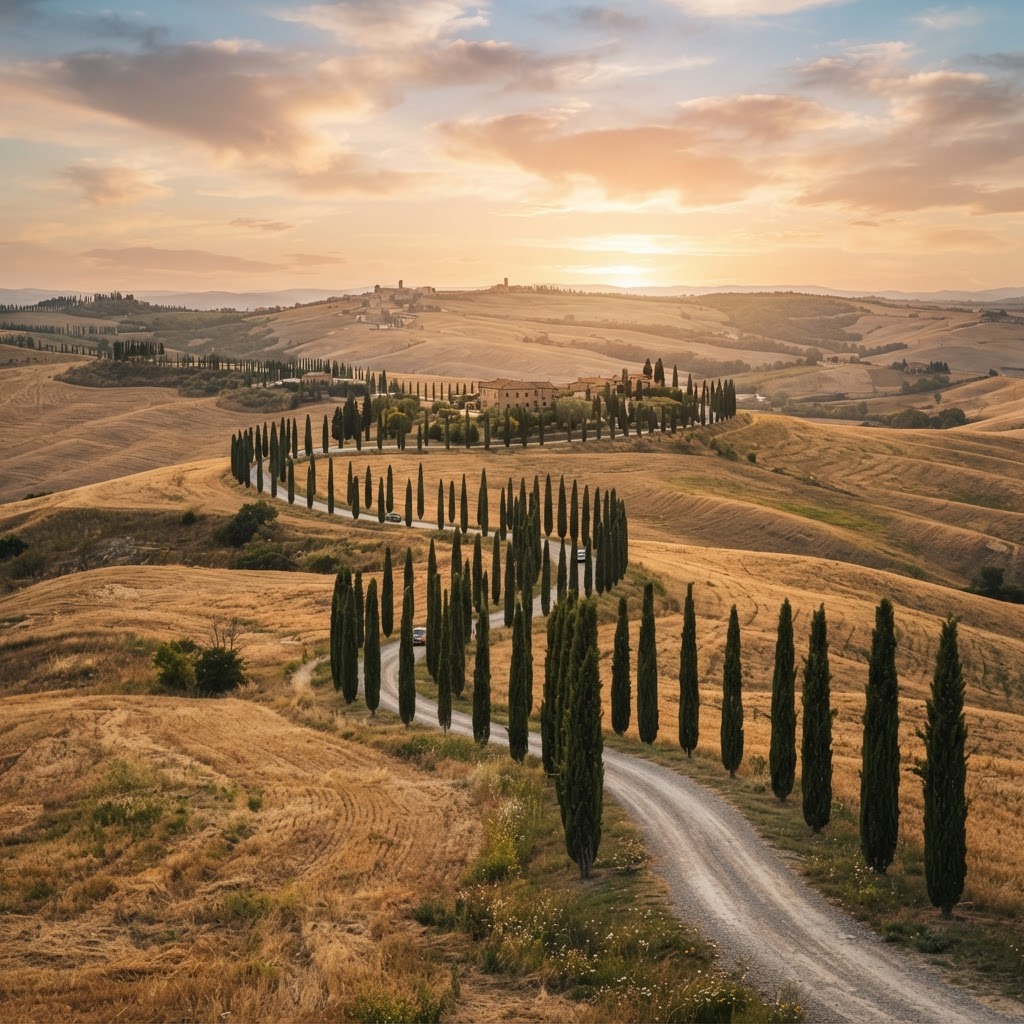
Slow travel is not merely about moving slowly; it is about immersing yourself in the rhythm of a destination. In the region of Tuscany, this means allowing the rolling hills and medieval stone paths to dictate your speed. Instead of hitting five cities in three days, you spend three days in one village, getting to know the local baker, the winemaker, and the quiet beauty of a morning piazza.
Why Tuscany Leads the Way
There is something about the landscape of central Italy that demands stillness. The undulating terrain, dotted with ancient farmhouses and fields of sunflowers, acts as a natural buffer against modern urgency. When you choose to explore the Tuscany countryside, you are stepping into a centuries-old tradition of “il dolce far niente”—the sweetness of doing nothing.
Choosing the Right Base for Your Journey
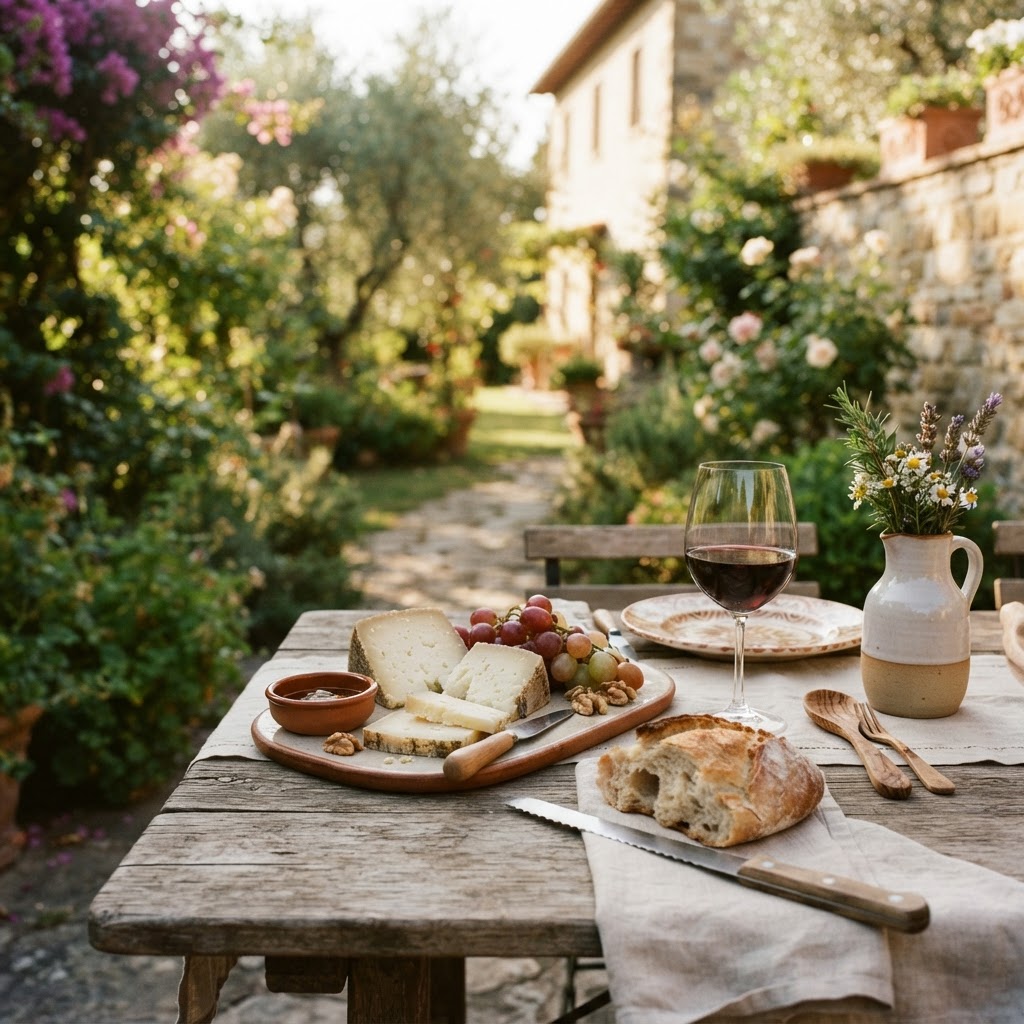
For a true slow travel experience, your choice of accommodation is paramount to your overall immersion in the region. Rather than staying in a bustling city center, opt for a traditional stay. An agriturismo, or farm stay, is the quintessential way to experience local life. These working farms offer a unique window into the agricultural heart of the region while providing authentic hospitality.
Benefits of Staying at an Agriturismo
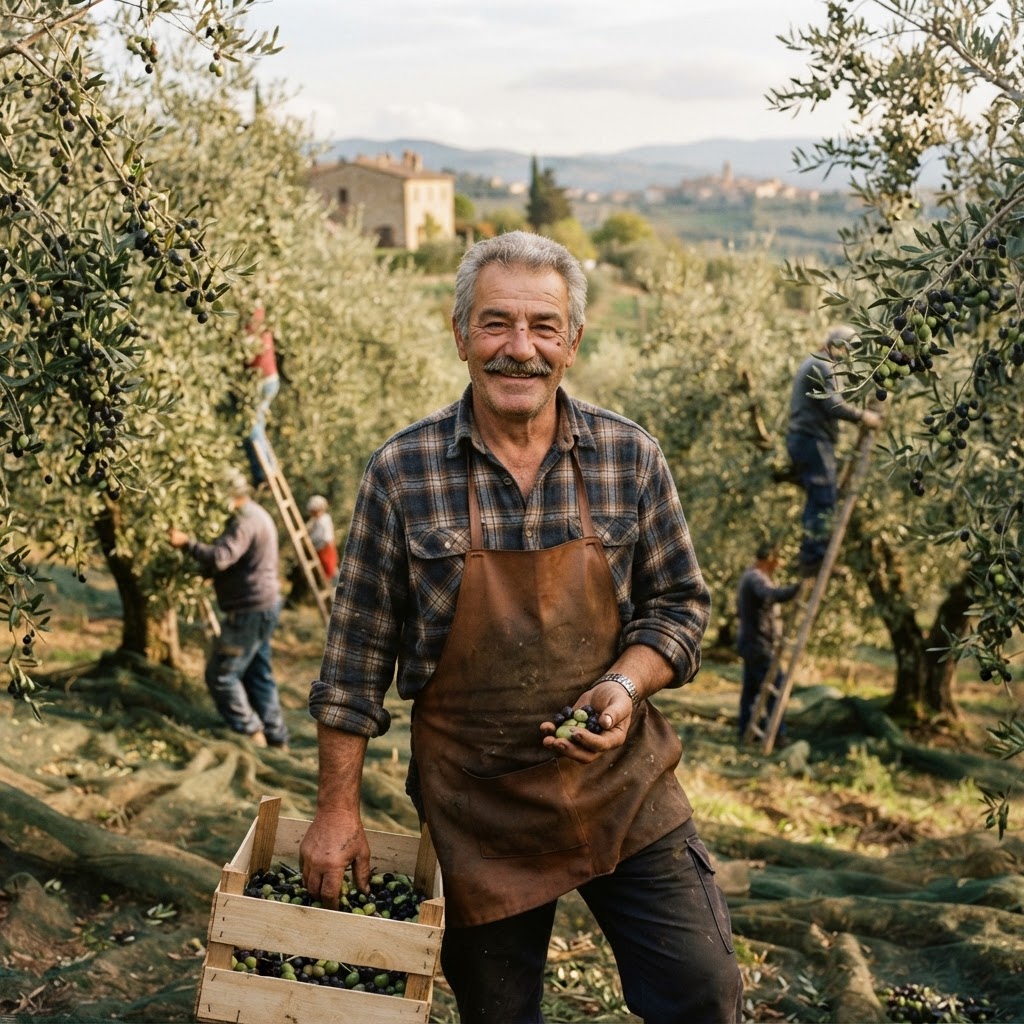
Choosing an agriturismo allows you to reconnect with the land through direct experience. You might find yourself harvesting olives in the autumn or learning the secrets of traditional pici pasta-making from your hosts. It turns your accommodation from a mere place to sleep into a vibrant cultural experience that supports the local agrarian economy directly. Most agriturismo stays include breakfast made from ingredients produced within a 5-mile radius, providing a “zero-kilometer” culinary experience that is unmatched by commercial hotels.
Factors to Consider Before Booking
When selecting your base, look for proximity to walking trails and local markets. Consider the season; spring offers blooming wildflowers, while autumn provides the rich, harvest-themed atmosphere of the wine season. Ensure your location allows for easy access to regional train lines if you prefer to limit driving. Always inquire if the property hosts communal dinners, as these are the best opportunities to meet local producers and fellow travelers who value a slower pace of life.
Culinary Immersion and Local Traditions
Food in Tuscany is a language of love, history, and seasonal integrity that requires dedicated time to fully appreciate. Slow travel dictates that you shouldn’t just eat; you should experience the provenance of every bite. Visiting a local “mercato” to buy pecorino cheese, crusty bread, and seasonal vegetables is the first step toward understanding the region’s culinary soul.
The Importance of Farm-to-Table Dining
In this region, the farm-to-table movement isn’t a trend; it is the standard. By dining at smaller, family-run trattorias, you support local agriculture and enjoy ingredients harvested just hours before hitting your plate. Pay attention to the olive oil, which is often pressed on the very estate where you might be staying. A typical Tuscan dinner in a rural village, including wine, should cost between €30-€50 per person, reflecting the quality of the raw, locally sourced ingredients used in dishes like ribollita or bistecca alla fiorentina.
Exploring Medieval Villages at Your Own Pace
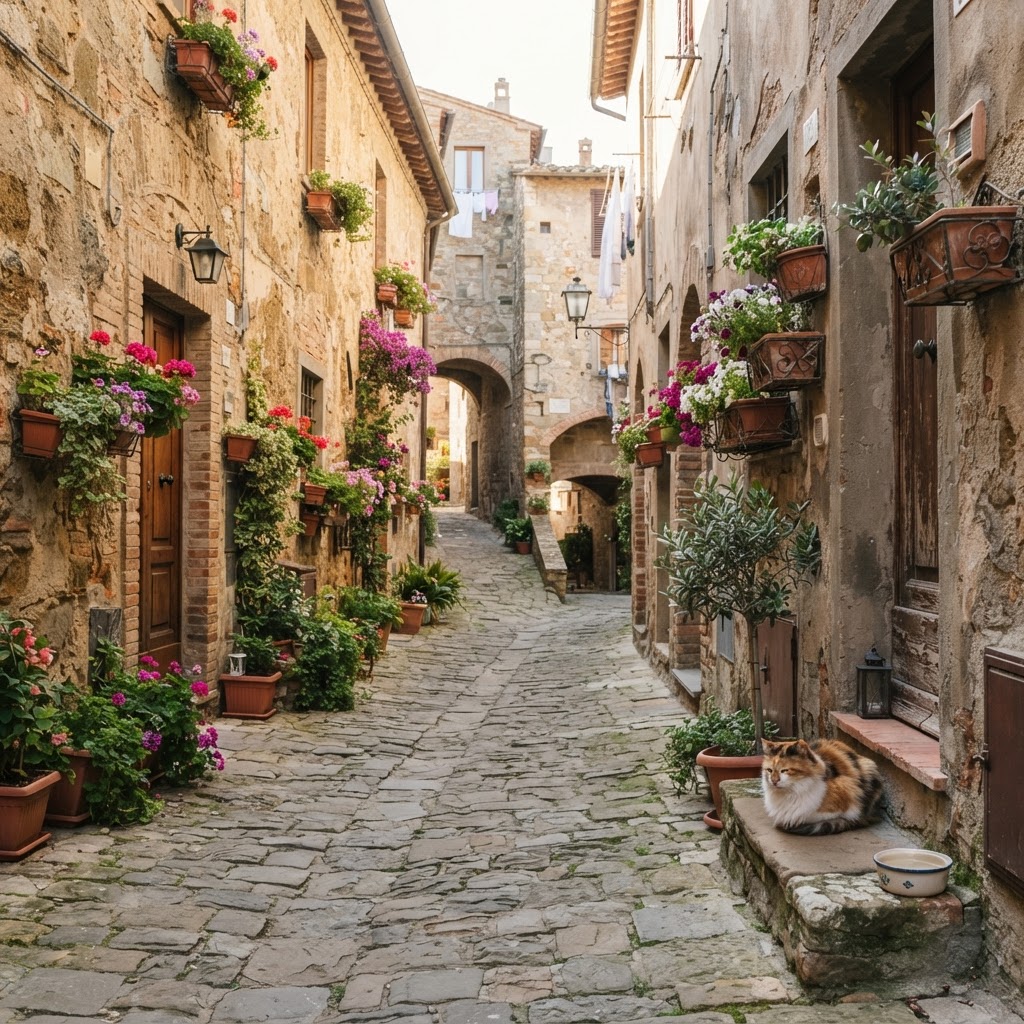
Beyond the famous cities of Florence and Siena lie dozens of tiny, fortified villages that have remained largely unchanged for centuries. These hilltop towns are the hidden gems of the Tuscany countryside. They are best explored without a map, allowing the winding, narrow alleys to guide you toward an unexpected view or a quiet courtyard.
Top Villages to Visit Without a Plan
- Pienza: Known for its Renaissance architecture and world-class pecorino cheese, perfect for a two-hour market stroll.
- Montepulciano: Famous for its Vino Nobile and stunning panoramic vistas, offering deep subterranean wine cellars.
- San Quirico d’Orcia: A tranquil spot that captures the essence of rural life, ideal for photography at sunrise.
- Pitigliano: A “Little Jerusalem” carved directly into the volcanic tufa rock, which is best seen during the golden hour.
Connecting with the Landscape Through Movement
To really understand the scale and beauty of the region, you must move through it manually rather than by vehicle. Walking or cycling between villages provides a perspective that a car window can never offer. The sensory input—the smell of rosemary, the sound of cicadas, and the feeling of dust on your boots—is the foundation of memory.
Cycling Routes for Every Skill Level
For the casual traveler, the Val d’Orcia offers gentle paths suitable for e-bikes, which typically range from 15 to 30 kilometers in length. If you prefer hiking, the Via Francigena, an ancient pilgrimage route, passes through some of the most breathtaking stretches of the province. Walking just a few kilometers of this path connects you to the historical significance of the land. Be sure to carry a physical map even if using GPS, as rural signal can be intermittent in the deeper valleys.
Embracing the Art of Quiet Reflection
Slow travel is as much internal as it is external, requiring a deliberate pause in your daily activities. Dedicate time each day to simple reflection. Whether you are sketching in a notebook at an outdoor cafe or watching the sunset cast long shadows over the vineyards, these moments of stillness are the true souvenirs of your trip.
Curating Your “Slow” Itinerary
To ensure you don’t fall back into the trap of over-planning, follow these guidelines to maximize your presence:
- Limit yourself to one primary activity per day, such as a winery visit or a town walk.
- Leave at least four hours each day completely unscheduled for spontaneous discovery.
- Prioritize places that encourage sitting and observing, like small park benches or village squares.
- Talk to residents rather than rushing through landmarks, as locals hold the best knowledge of regional secrets.
Practical Tips for Your Slow Travel Adventure
Transitioning to a slower pace requires a slight mindset shift from conventional tourism. You will need to learn to be patient with Italian service speeds, which are designed for you to enjoy your meal, not to clear your table quickly. Remember that the journey is just as important as the arrival.
Logistics and Etiquette
- Renting a small car is often necessary for rural areas, but opt for public transport when traveling between larger hubs like Florence or Chiusi.
- Learn basic Italian phrases; the effort is always appreciated and leads to better local interactions.
- Respect local closing times, as many small shops close for “riposo” (afternoon rest) from roughly 1:00 PM to 4:00 PM, meaning shops and some services will be unavailable.
FAQ
Q: What is the best way to travel around rural Tuscany?
A: Renting a compact car is the most efficient way to access rural agriturismos, though regional trains are excellent for traveling between major hubs. For local exploration, consider renting an e-bike, which allows you to navigate the hilly terrain at a leisurely, manageable pace.
Q: Do I need to speak Italian to enjoy slow travel in Tuscany?
A: You do not need to be fluent, but learning basic Italian phrases significantly enhances your experience. Locals deeply appreciate the effort, often leading to warmer interactions, recommendations for hidden spots, and a more authentic connection during your stay.
Q: What should I pack for a slow travel trip to Tuscany?
A: Pack comfortable walking shoes, light layers for changing temperatures, and a journal for reflection. Given the rural setting, include a portable power bank, as you will likely spend long days outdoors exploring historic villages and vineyards away from charging outlets.
Q: When is the best time to experience the Tuscany countryside?
A: Late spring (May-June) and early autumn (September-October) offer the most pleasant weather and access to local harvest traditions. These shoulder seasons provide the perfect balance of mild temperatures for walking and fewer crowds compared to the peak summer months.
Leave a Reply