
When the Sky Turns Green in Norway: Expert Guide
The sky turns green in Norway primarily between late September and late March, during the dark Arctic winter nights. For the highest statistical probability of sightings, target the weeks surrounding the autumn and spring equinoxes (late September and late March) when geomagnetic activity typically peaks due to the Russell-McPherron effect.
The Science Behind the Aurora Borealis
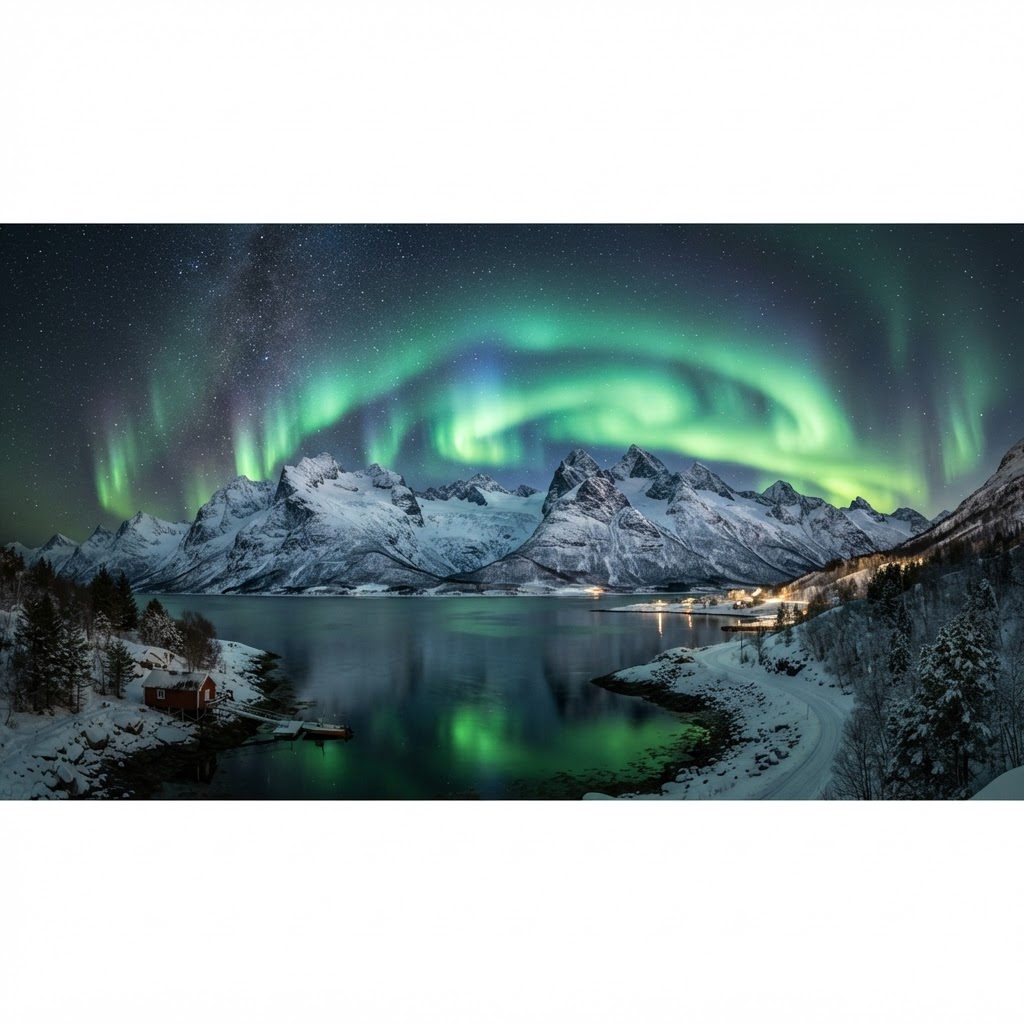
The Northern Lights are created when electrically charged solar particles collide with gases in the Earth’s upper atmosphere, specifically oxygen and nitrogen. When solar wind interacts with the magnetosphere, these particles are funneled toward the magnetic poles. The iconic green hue occurs when oxygen molecules are excited at altitudes between 100 and 300 kilometers. Nitrogen collisions result in rarer purple or pink edges. The intensity of this light show is dictated by the 11-year solar cycle; we are currently approaching a solar maximum, which means higher solar flare frequency and increased chances of viewing spectacular, high-Kp index displays. By monitoring the Kp-index, which measures geomagnetic disturbance on a scale of 0 to 9, travelers can gauge the likely strength of the lights; a Kp-index of 3 or higher is generally sufficient for a strong show in Northern Norway.
Optimal Timing for Your Northern Lights Adventure
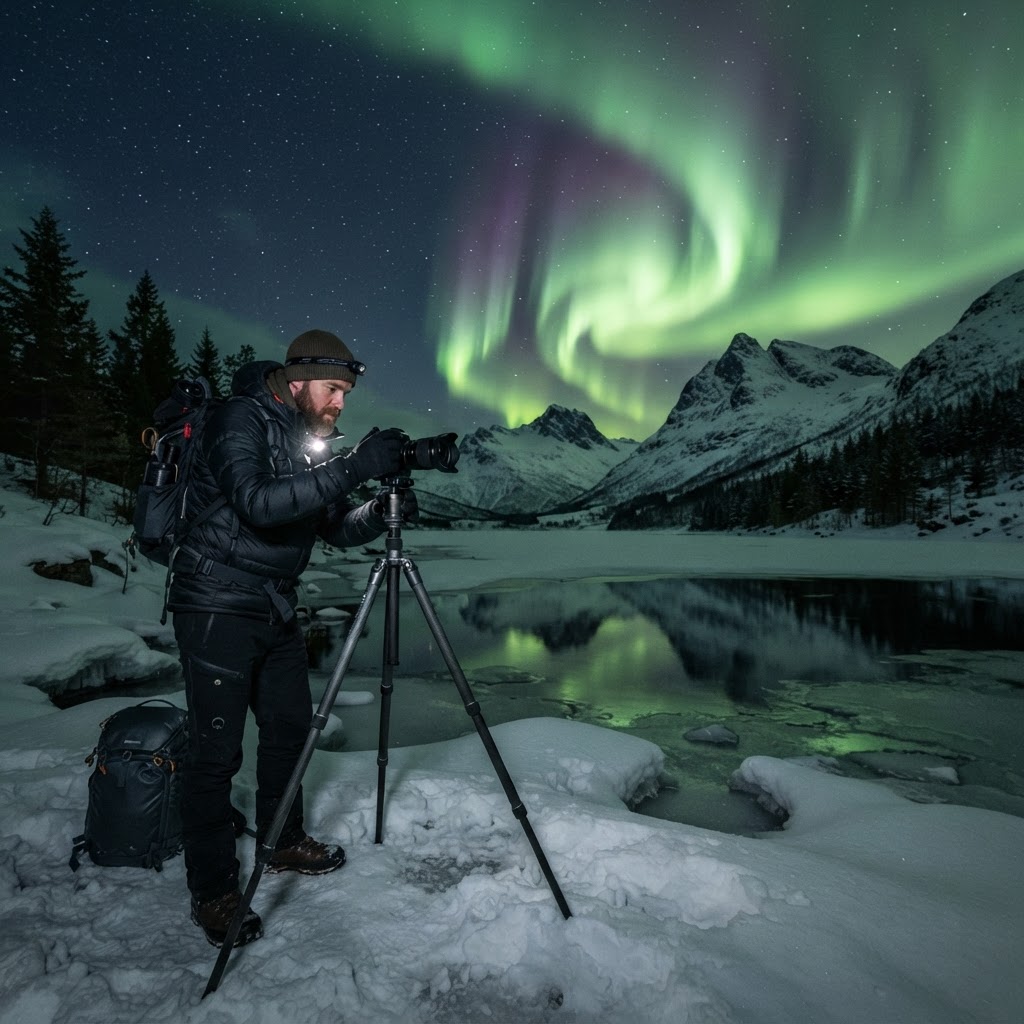
Success in aurora hunting is fundamentally a game of balancing darkness, weather stability, and geomagnetic activity. While the period from late September to late March provides the necessary darkness, the specific month selected will dictate the local conditions. December and January offer nearly 24 hours of darkness, providing the maximum window for viewing, but they also bring the highest probability of heavy snowfall and cloud cover. In contrast, the “shoulder months” of October and March offer a superior balance of longer nights and more predictable weather patterns. During these months, the Earth’s orientation toward the solar wind is optimized, often resulting in more frequent and intense geomagnetic storms.
| Month | Darkness Level | Weather Stability | Aurora Intensity Probability |
|---|---|---|---|
| October | Moderate | High | High (Equinox) |
| December | Maximum | Low | Medium |
| January | Maximum | Low | Medium |
| March | Moderate | High | High (Equinox) |
Why the Shoulder Months Matter
Seasoned aurora hunters prioritize the equinox periods—late September to early October and March—because they statistically yield more frequent activity. Scientific data suggests the Earth’s magnetic field is most “open” to solar wind during these windows. Furthermore, the temperatures during these periods are significantly more manageable; while January nights can hover near -20°C (-4°F), October and March nights often sit closer to -5°C to 0°C. This temperature differential is critical for photography, as it extends the life of camera batteries and allows the photographer to stay outside for 4 to 6 hours without suffering from extreme cold-related equipment failure or physical fatigue.
Top Locations for Viewing the Lights
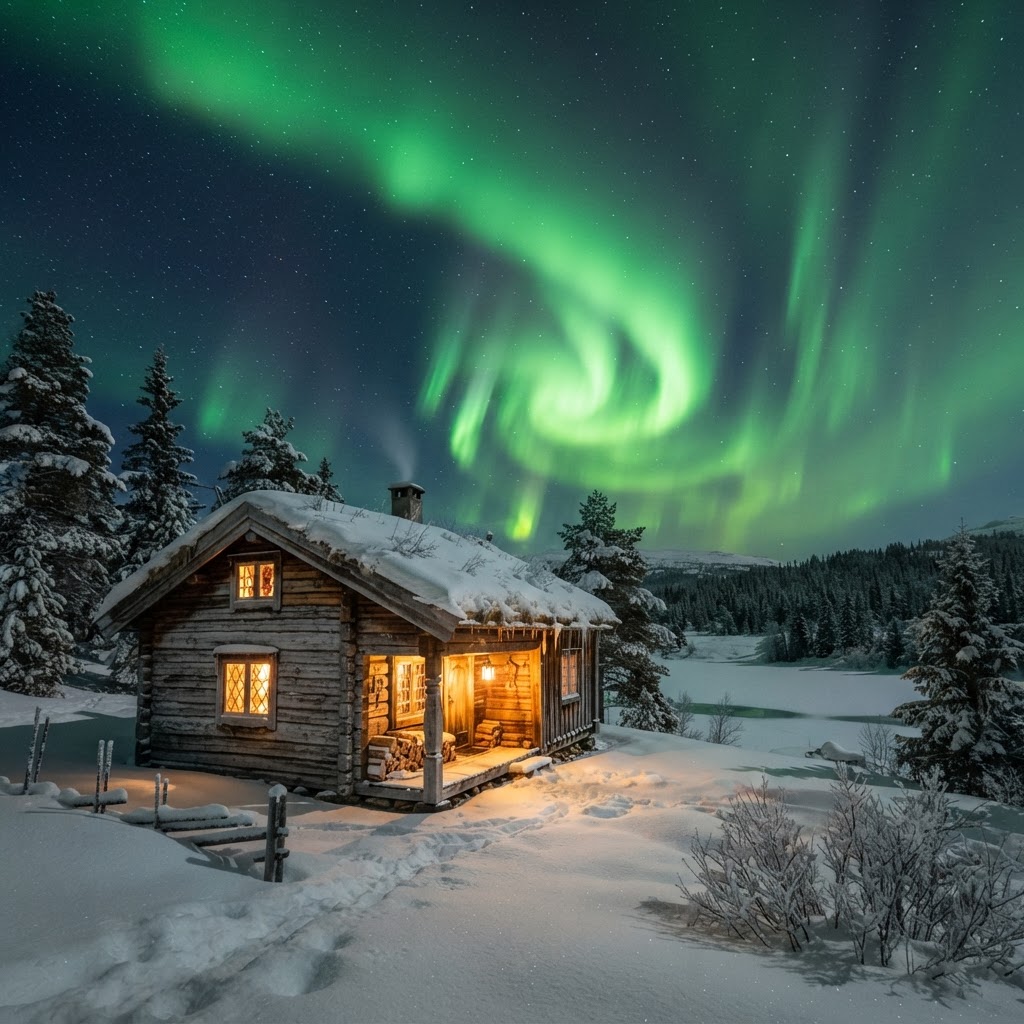
Geographic placement is the most significant factor in whether you will witness the aurora, with Northern Norway serving as the global “sweet spot” due to its position within the auroral oval. Tromsø is the most accessible base, hosting excellent infrastructure and proximity to fjords that provide dark foregrounds for photography. However, for those seeking more dramatic vistas, the Lofoten Islands offer jagged mountain peaks that reflect the green light perfectly over the Atlantic Ocean, while Senja provides a more rugged, isolated experience. To maximize your chances, prioritize locations that are at least 30 kilometers away from major city light pollution. High-elevation points on the inland side of coastal mountains are preferred, as these locations are frequently shielded from the moist, cloud-producing maritime air coming off the Norwegian Sea.
Essential Gear and Preparation
Preparation is the difference between a successful hunt and a cold, unsuccessful experience, as you must remain static in freezing temperatures for extended periods. When packing, prioritize a three-layer system: a moisture-wicking wool base layer, an insulating fleece or down mid-layer, and a windproof/waterproof outer shell. For gear, a heavy-duty tripod is non-negotiable; even a slight breeze will cause motion blur during long-exposure shots. Because lithium batteries drain up to 50% faster in sub-zero temperatures, always carry two backup batteries in an internal pocket close to your body heat. A reliable thermos filled with hot liquid is not just a comfort item, but a necessary tool for maintaining internal body temperature during a 4-hour stakeout.
Photography Tips for Capturing the Aurora
Capturing the aurora requires specific manual camera settings to handle the low-light environment and the rapid movement of the lights. Always shoot in RAW format to allow for better post-processing of colors and noise reduction. Use a wide-angle lens with an aperture of f/2.8 or wider to gather as much light as possible. Your ISO should be set between 800 and 3200; start at 1600 and adjust based on the ambient light and sensor noise. Shutter speeds should remain between 5 and 15 seconds. If the lights are “dancing” or moving rapidly, use a faster shutter speed (approx. 5 seconds) to retain the sharp edges of the light ribbons. If the aurora is faint and stationary, you can extend the shutter to 20 seconds, provided you have a sturdy tripod.
Weather and Atmospheric Challenges
Even with high solar activity, local cloud cover is the primary antagonist of the aurora hunter, particularly along the Norwegian coast where maritime weather is notoriously volatile. Utilizing local meteorological tools, such as the Yr.no app or similar cloud-cover forecast models, is essential for every night of your trip. If the coastal forecast shows heavy cloud cover, do not hesitate to pivot your plans and drive inland toward the border with Sweden or Finland. The inland regions feature a continental climate, which is significantly drier and more likely to offer clear “holes” in the cloud layer. Flexibility in your itinerary—such as renting a vehicle rather than relying solely on fixed bus tours—is the single most important factor in finding clear skies.
FAQ
Q: What is the single best month to see the Northern Lights in Norway?
March is widely considered the best month due to the combination of high geomagnetic activity during the equinox, stable weather patterns, and longer daylight hours for daytime excursions.
Q: Can you see the Northern Lights from Oslo?
While it is technically possible to see the lights from Oslo during an extreme solar storm, the city is too far south. You must travel to Northern Norway, typically above the Arctic Circle, to see them regularly.
Q: Do I need a professional camera to see the Northern Lights?
No, the Northern Lights are easily visible to the naked eye. While professional cameras are required for high-quality photography, your eyes will perceive the lights just as well, if not better, than a lens.
Q: How much does a Northern Lights trip to Norway cost?
An average 5-day budget trip to Norway for aurora hunting ranges from $1,500 to $2,500, including flights, accommodation, food, and car rentals. Prices fluctuate significantly based on seasonal demand.
Q: Are the Northern Lights visible every night in Norway?
No, sightings are entirely dependent on solar activity and cloud cover. Even during peak season, you may have multiple days without a sighting, which is why a trip duration of at least 5 to 7 days is recommended to increase your odds.
Leave a Reply