
Lunch in Barcelona is traditionally enjoyed between 1:30 PM and 3:30 PM, centered around the ‘menu del día’—a fixed-price, three-course meal typically costing between €12 and €18. To experience the city like a local, prioritize these long, leisurely midday meals over quick bites, reserving tapas for evening social sessions.
The Tradition of the Menu del Día
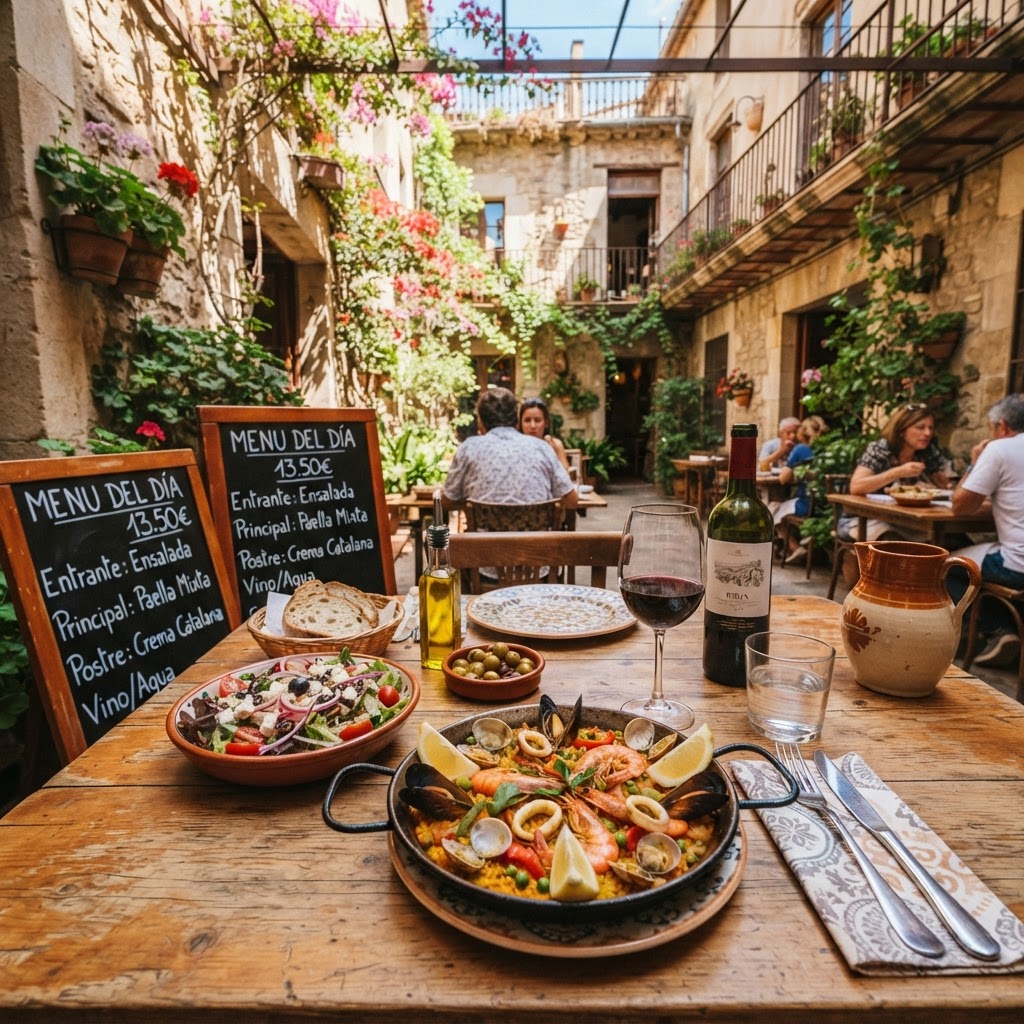
For locals and savvy travelers alike, the ‘menu del día’ remains the gold standard for lunch in Barcelona, offering unmatched value and culinary insight. This fixed-price menu typically includes a starter (primer plato), a main course (segundo plato), a drink (often wine or water), and a dessert or coffee, usually priced between €12 and €20 depending on the restaurant’s prestige. It is an exceptional way to sample market-fresh, seasonal Catalan ingredients without the premium cost associated with dinner menus.
Most traditional restaurants post their daily offerings on a chalkboard outside, written in Catalan or Spanish. Seasonal specialties like ‘fideuà’ (noodle paella) or fresh ‘bacallà’ (cod) frequently headline the menu. By opting for this fixed price, you avoid the variable costs of a la carte dining while ensuring you eat the freshest produce delivered to the kitchen that very morning.
| Feature | Menu del Día | A La Carte |
|---|---|---|
| Typical Price | €12 – €20 | €35 – €60+ |
| Time Spent | 60 – 90 minutes | 45 – 60 minutes |
| Variety | Limited (3-4 choices) | Extensive menu |
| Best For | Weekday lunch | Dinner or special events |
Tips for Navigating Daily Menus
Timing is essential when pursuing the perfect lunch in Barcelona, as the restaurant rhythm is strictly enforced by cultural norms. While tourists might sit down at noon, locals rarely venture out for their primary meal before 1:30 PM or 2:00 PM. Arriving slightly later—closer to 2:30 PM—ensures you are served the freshest plates, as kitchens are at peak operational efficiency. This timing also allows you to enjoy a leisurely two-hour dining experience without being rushed by staff transitioning to the late-afternoon lull.
Exploring the World of Tapas and Pintxos
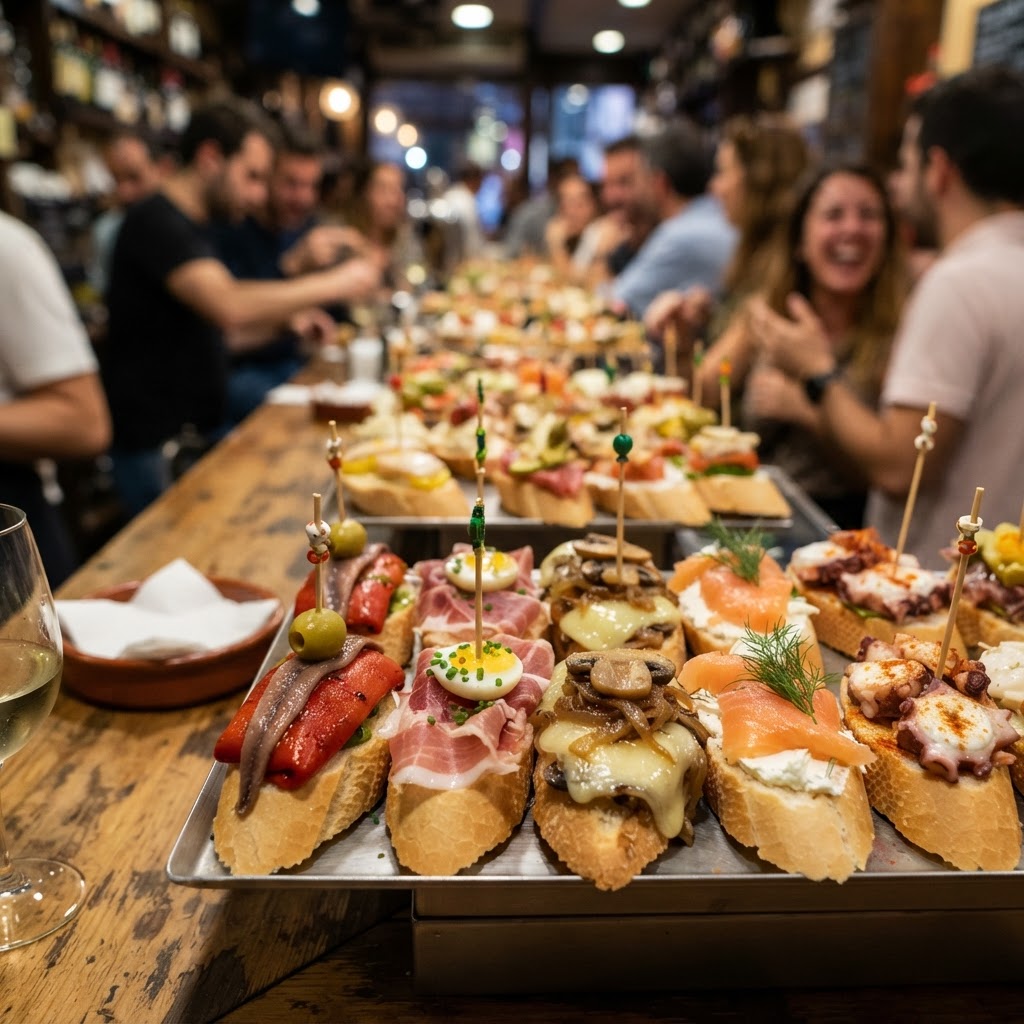
If you prefer variety over a formal meal, the tapas and pintxos culture in Barcelona is world-class, offering a social, grazing-style dining experience. Tapas are small, savory plates designed to be shared, such as ‘patatas bravas’ (fried potatoes with spicy sauce) or ‘boquerones’ (vinegared anchovies). Unlike the menu del día, this format allows you to experiment with 5-10 different flavor profiles in a single sitting, making it ideal for groups looking to sample a broad spectrum of local ingredients.
The Pintxo Experience
In areas like Poble-sec or near the Born district, you will find ‘pintxo’ bars where small bites are served on slices of bread and held together with a toothpick. You simply grab your plates from the counter, and the server tallies your bill based on the number of toothpicks left on your plate at the end of the meal. Prices per pintxo typically range from €1.50 to €3.00. This system is highly efficient and provides a fun, interactive way to engage with the local culinary scene without needing a formal reservation or an extended time commitment.
Best Neighborhoods for a Midday Feast
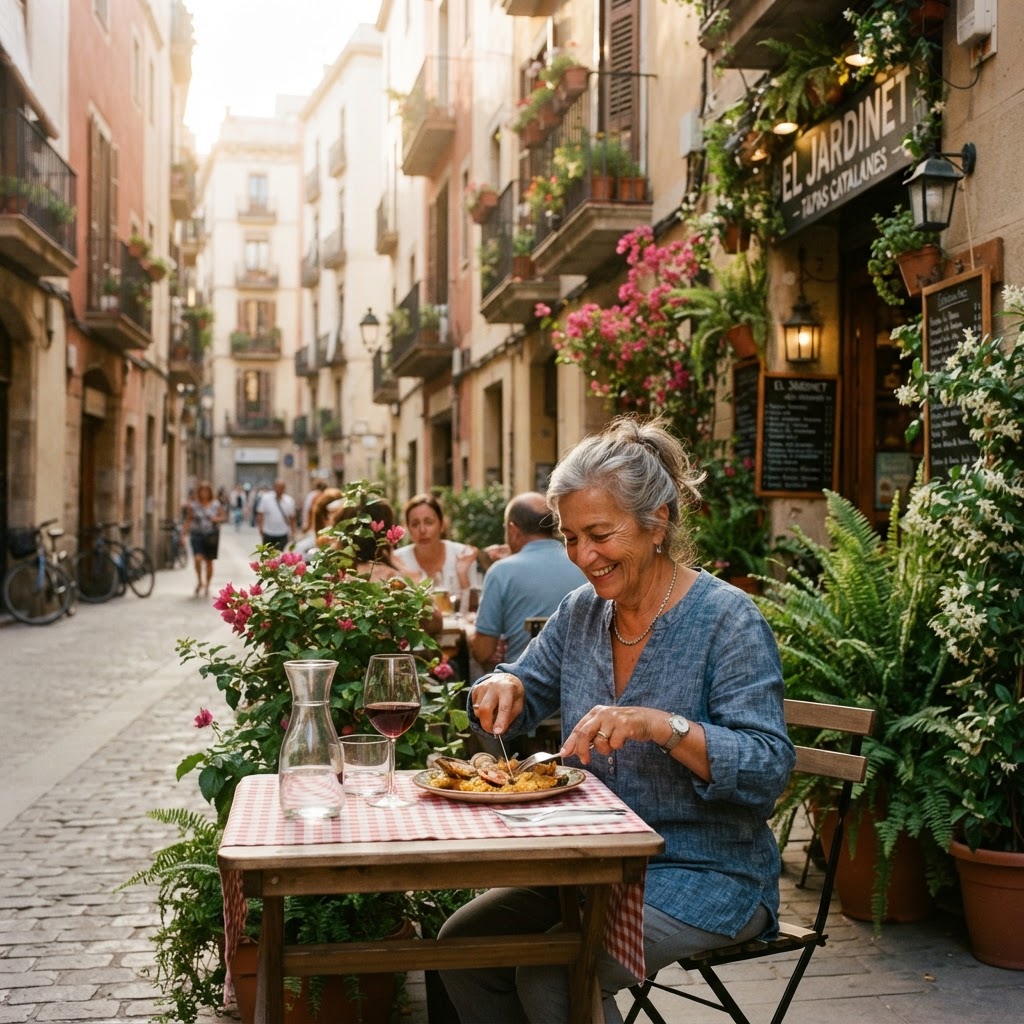
Barcelona is a city of distinct neighborhoods, each offering a unique culinary atmosphere that caters to different dining moods. If you want a historic backdrop, head to the Gothic Quarter, where hidden courtyards house some of the city’s oldest, most traditional kitchens. Conversely, the Eixample district is home to modern, upscale eateries that reinvent classic Catalan recipes with a contemporary, artistic twist, often set in stunning Modernista architecture.
The Gràcia Advantage
Gràcia is widely considered the village within the city, boasting an incredible concentration of independent, family-run restaurants that feel light-years away from the tourist-heavy Las Ramblas. Here, you can find a quiet plaza, such as Plaça de la Virreina, to enjoy your lunch under the shade of plane trees. The neighborhood is particularly well-known for its vegetarian-friendly options and creative, budget-conscious daily menus that prioritize local farmers’ market produce over mass-market imports.
Essential Catalan Dishes to Try
To truly understand the local palate, you must move beyond generic Spanish food and focus on authentic Catalan specialties, which often feature a ‘mar i muntanya’ (sea and mountain) philosophy. This culinary style combines seafood with land-based proteins, resulting in complex, savory profiles that define regional cooking. Dishes often emphasize slow-cooked sauces and seasonal vegetables rather than heavy frying.
Must-Try Classics
- Esqueixada: A cold, refreshing salad made with shredded raw salt cod, tomatoes, onions, and olives; it is the perfect summer lunch starter.
- Butifarra amb mongetes: A hearty, staple dish consisting of grilled local pork sausage served with sautéed white beans, showcasing simple, rustic Catalan quality.
- Escalivada: Smoky, fire-roasted red peppers, onions, and eggplant, usually served as a side or on toasted bread, highlighting the local vegetable abundance.
- Crema Catalana: The iconic dessert, similar to crème brûlée but distinct due to the infusion of lemon zest and cinnamon, providing a silky, citrusy finish to your meal.
Pairing Your Meal with Local Drinks
No lunch in Barcelona is complete without the right beverage to balance the richness of your meal. While red wine from the nearby Penedès region is a standard pairing for meat dishes, you should prioritize the local ‘cava.’ This famous Catalan sparkling wine is remarkably versatile; its high acidity and crisp bubbles cut through the oiliness of fried tapas and enhance the delicate, briny flavors of fresh seafood, making it the perfect midday accompaniment.
Non-Alcoholic Local Favorites
If you prefer something refreshing and alcohol-free, look for ‘orxata’ (horchata) at local ‘orxaterias,’ especially in the summer. It is a sweet, nutty drink made from tiger nuts that provides a creamy, refreshing palate cleanser. For a caffeine-based pick-me-up, order a ‘tallat’—a Catalan espresso with just a splash of milk—which is the standard way to end a heavy lunch before heading back to work or sightseeing.
Food Markets: A Chef’s Playground
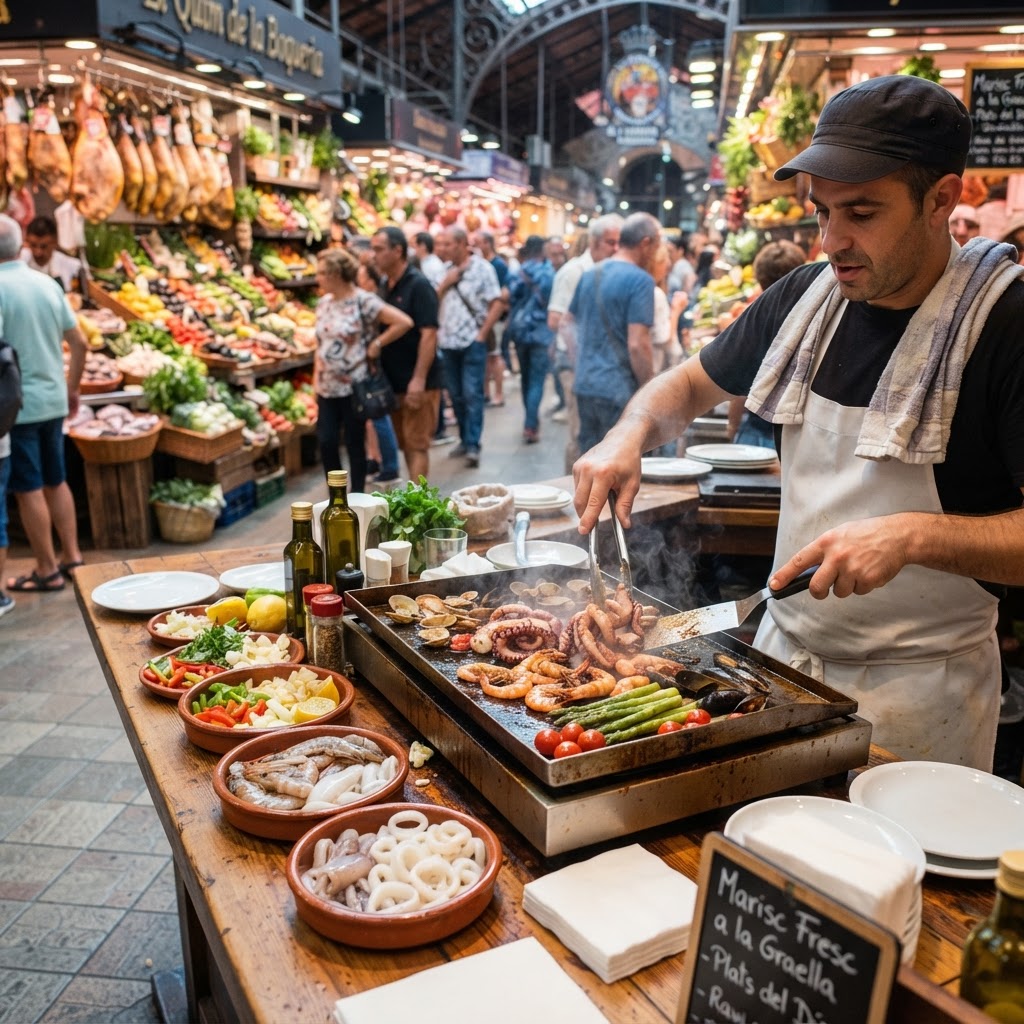
Barcelona’s food markets, such as the famous Mercat de la Boqueria or the more neighborhood-oriented Mercat de Sant Antoni, are not just for shopping but serve as prime dining destinations. Many of these markets feature ‘barra’ (counter) seating where chefs cook dishes directly in front of you using the ingredients sold at the stalls. This farm-to-table approach is arguably the freshest lunch in Barcelona you can find, as the distance between the market stall and your plate is often less than ten feet.
Navigating the Market Rush
If you visit the Boqueria, avoid the stalls immediately adjacent to the main La Rambla entrance, as these are often overpriced and catered toward tourists. Instead, walk toward the back of the market, where you will find stalls frequented by local chefs and market workers. These vendors are often more passionate about their product quality and are more willing to offer recommendations on what ingredients are currently at their seasonal peak, ensuring a superior dining experience.
Etiquette and Dining Customs
Understanding local etiquette makes your dining experience smoother and more respectful of the local culture. In most casual restaurants, you do not need to wait to be seated; feel free to find an empty table and take a seat, especially in crowded tapas bars. However, in more upscale establishments or during busy weekend lunch periods, a reservation is highly recommended, as top-tier restaurants often fill their dining rooms with local regulars by 2:00 PM.
Tipping and Service
Unlike in the United States, tipping is not mandatory in Spain, and service is already included in the bill. While leaving a few coins or rounding up the bill is appreciated if the service was exceptional, a 15-20% tip is not expected and can sometimes be confusing for waitstaff. The ‘menu del día’ price is all-inclusive, so you never have to worry about surprise service charges or hidden fees appearing on your final receipt.
FAQ
What is the best time to eat lunch in Barcelona?
The best time to eat lunch in Barcelona is between 1:30 PM and 3:00 PM. Arriving during this window ensures you are eating when the kitchen is fully prepared and allows you to enjoy the meal alongside local residents rather than typical tourist dining schedules.
Do I need to make reservations for lunch in Barcelona?
You only need reservations for popular or high-end restaurants, particularly on weekends. For most casual spots, tapas bars, or traditional lunch joints serving a menu del día, walk-ins are standard and expected by the staff.
Is tipping expected after a lunch in Barcelona?
Tipping is not expected or required in Barcelona, as service is already included in the cost of your meal. If you received excellent service, leaving a small amount of spare change or rounding up your bill to the nearest euro is sufficient.
What is the difference between Tapas and Pintxos?
Tapas are typically small, shared plates of food served in a bowl or on a plate, while pintxos are bite-sized snacks served on bread and secured with a toothpick. Pintxos are most common in the northern-influenced bars found in specific districts like Poble-sec.
What does the ‘menu del día’ usually include?
A ‘menu del día’ is a fixed-price set lunch that includes a starter, a main course, a drink (water or wine), and a dessert or coffee. It provides an efficient and high-value way to enjoy a full three-course meal in the middle of the workday.
Leave a Reply