
White Villages of Andalusia: 7 Pueblos Blancos to Visit
The Pueblos Blancos are a collection of historic, lime-washed hillside villages in Andalusia, Southern Spain, famous for their Moorish architecture, narrow cobblestone streets, and dramatic mountain settings. Popular destinations include Ronda, Grazalema, Zahara de la Sierra, Setenil de las Bodegas, and Arcos de la Frontera, which are best explored via a regional road trip.
The History and Charm of the Pueblos Blancos
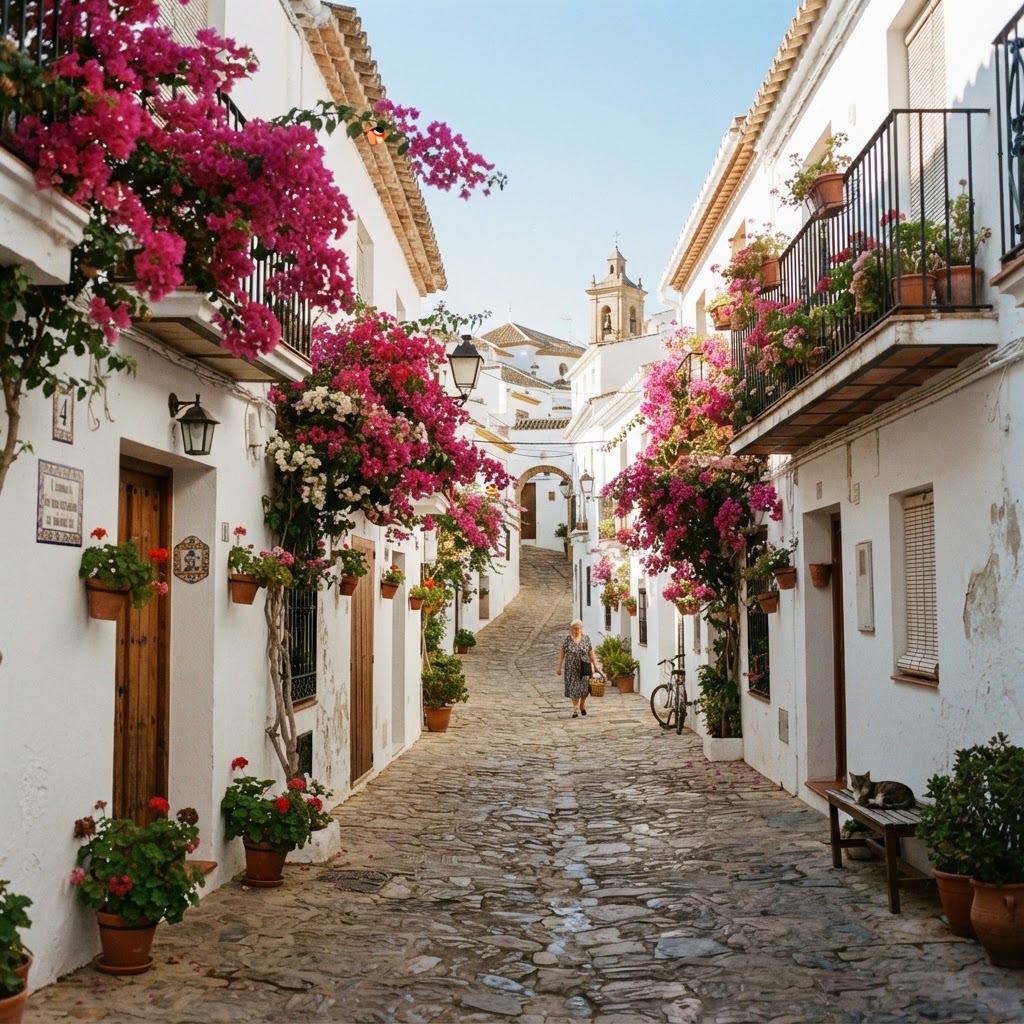
The architectural tradition of whitewashing houses in Andalusia dates back to the era of Moorish rule between the 8th and 15th centuries. This practice served a vital cooling purpose, as lime reflects the intense Mediterranean sun, while simultaneously acting as a natural disinfectant for the dense living quarters of the time. Today, these villages provide a striking visual contrast to the rugged Sierra de Grazalema and Serranía de Ronda mountains.
Visiting these villages requires a slow pace to appreciate the layered history of the region. The cultural synthesis of the Iberian Peninsula is evident in the layout of the streets, which were intentionally designed to confuse invaders, and the presence of both Mudejar-style bell towers and later Christian churches. Beyond the architecture, travelers engage with a slower “pueblo” lifestyle. Visitors should prioritize stopping at local “ventas” (roadside inns) for authentic regional dishes like “sopa de espárragos” (asparagus soup) or locally cured Iberian ham. To fully experience these sites, aim for a multi-day itinerary rather than day trips, allowing you to witness the towns during the quiet early morning hours before tourist buses arrive.
Ronda: The Crown Jewel of Andalusia
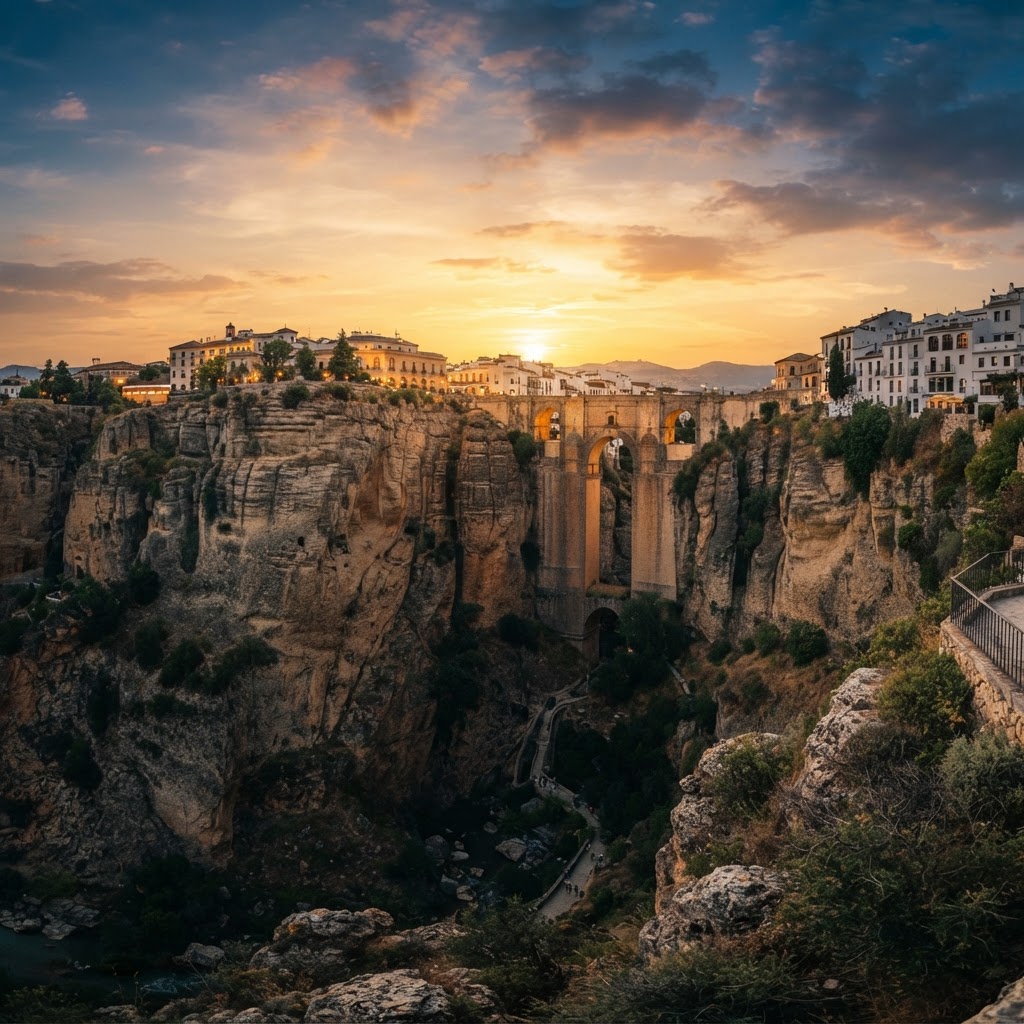
Ronda serves as the most significant of the white villages, perched atop a massive limestone plateau split by the deep El Tajo gorge. Its strategic geography made it an impregnable stronghold during the Reconquista, leaving behind a rich legacy of palatial mansions and one of Spain’s oldest bullrings, the Plaza de Toros, constructed in 1785.
The Iconic Puente Nuevo
The Puente Nuevo, or ‘New Bridge,’ is the town’s most famous landmark and a feat of 18th-century engineering. Completed in 1793 after 42 years of construction, this stone marvel spans the 120-meter deep gorge and connects the old Moorish town (La Ciudad) with the newer El Mercadillo district. Standing on the bridge provides a vertigo-inducing perspective of the Guadalevín River below. For the best photography, hike down the “Camino de los Molinos” trail, which offers the classic bottom-up view of the bridge arches. Visitors should note that the bridge spans three distinct arches, with a central chamber that was once used as a prison during the Spanish Civil War. Today, it stands as the ultimate symbol of Andalusian resilience and architectural ambition.
Grazalema: A Nature Lover’s Paradise
Grazalema is recognized as the wettest village in Spain, receiving over 2,000 mm of annual rainfall, which creates a lush, micro-climate sanctuary within the Sierra de Grazalema Natural Park. This unique weather pattern supports the Pinsapar forest, home to the rare Abies pinsapo (Spanish fir), a relic of the Tertiary period that only survives in this specific high-altitude mountain environment.
Hiking the Sierra de Grazalema
The surrounding limestone peaks offer diverse trails, ranging from the accessible Grazalema-Benaocaz path to the rigorous climb up to the Pinsapar forest. If you plan to hike the restricted Pinsapar area, you must obtain a free permit from the visitor center in El Bosque, as access is strictly controlled to preserve the ecosystem. After exploring, visit local workshops to purchase high-quality handmade wool blankets, a product that has been a staple of the local economy since the 17th century. Pair this with a tasting of the “Payoyo” cheese, a world-renowned product made from the milk of the indigenous Payoya goat. The village’s elevation (820 meters) ensures a pleasant escape from the summer heat found in lower Andalusian valleys.
Zahara de la Sierra: A View Like No Other
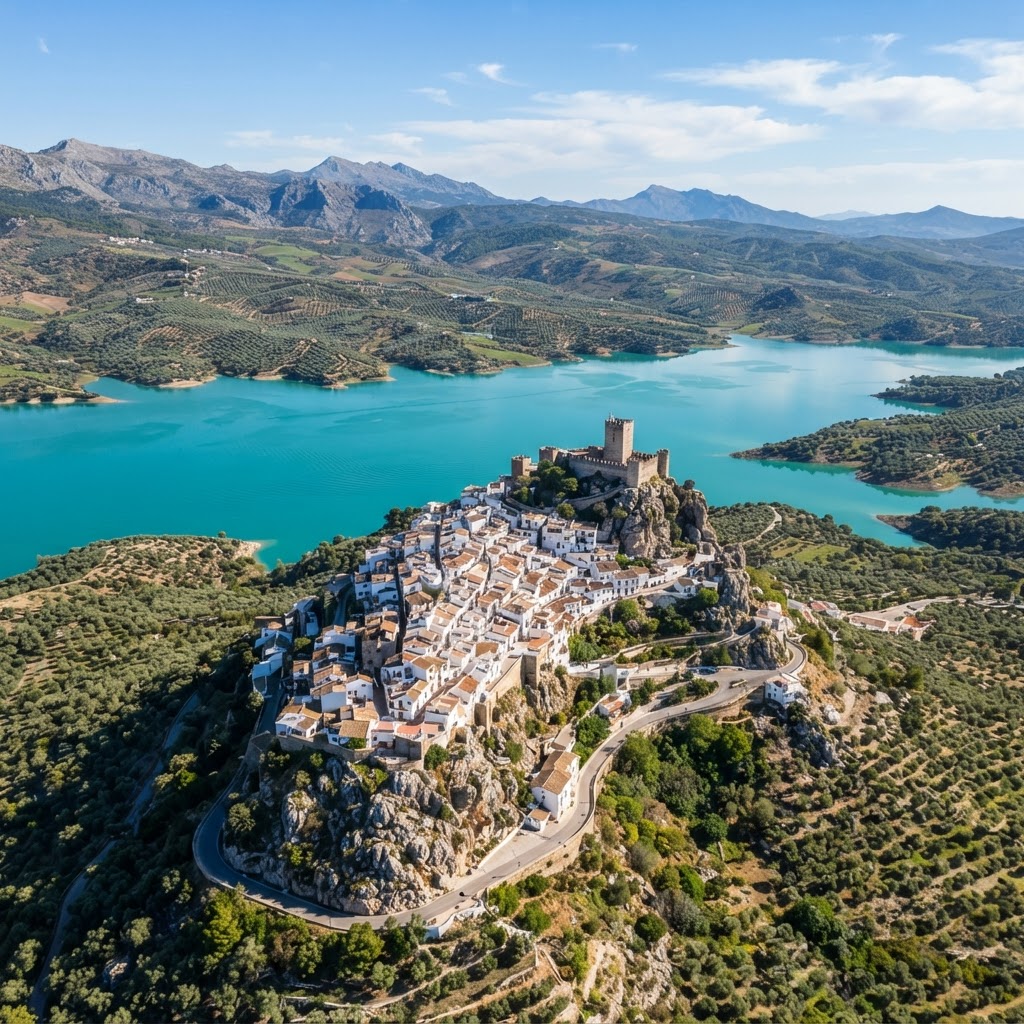
Zahara de la Sierra is a vertical village where the houses climb the mountainside to reach a historic Nasrid fortress, providing an unbeatable vantage point over the Sierra de Cádiz. Its strategic position was so vital that it was a constant battleground between Christian and Moorish forces throughout the 14th and 15th centuries.
Life in the Reservoir Shadow
The Embalse de Zahara-El Gastor reservoir lies at the foot of the village, offering a vivid turquoise contrast to the green hillsides and white structures. During the peak summer months (July and August), the water levels are ideal for kayaking, paddleboarding, and open-water swimming. For those interested in history, the climb to the Torre del Homenaje (Homage Tower) of the Moorish castle is mandatory. The ascent is steep but rewards you with a 360-degree view that is often cited as the most photogenic in the region. To avoid the heat, visit during the late afternoon when the golden hour light illuminates the white facades, or plan your trip around the “Corpus Christi” festival, where the streets are decorated with elaborate floral carpets.
Setenil de las Bodegas: The Town Under the Rocks
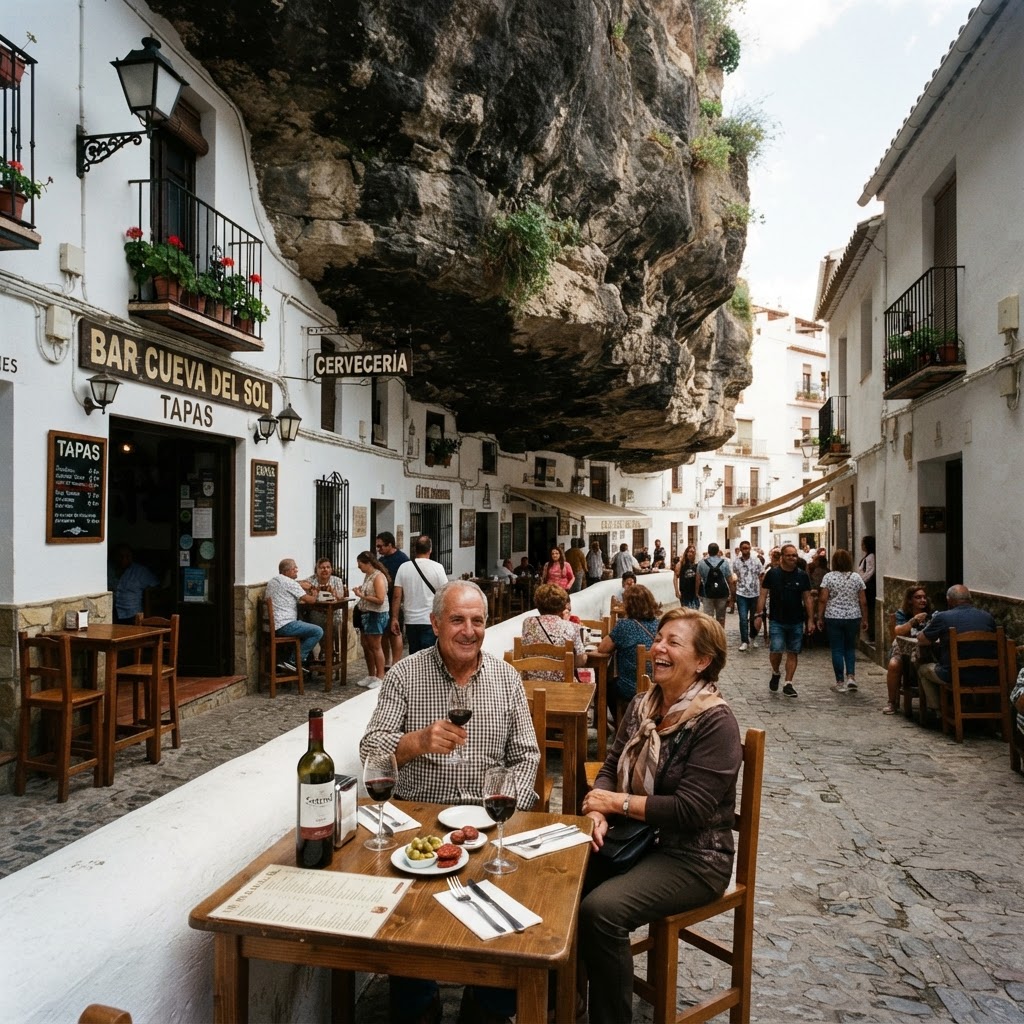
Setenil de las Bodegas is a geological wonder where the inhabitants utilized natural river-eroded caves to create homes rather than building traditional stone structures. This architecture allows the village to maintain a near-constant internal temperature, providing a natural sanctuary against the extreme seasonal swings of the Andalusian interior.
Experiencing the Cave Dwellings
Walking along the Calle Cuevas del Sol and Calle Cuevas de la Sombra is a unique experience where the cliff face acts as both a roof and a structural wall. Unlike other towns that utilized vertical defense, Setenil evolved from a Moorish fortification into a settlement focused on agriculture and winemaking, reflected in its name (“Bodegas” refers to the historic wineries). When visiting, select a cafe under the massive rock overhangs to enjoy local delicacies like “migas” or “chorizo” while marveling at the geological scale. Because the streets are narrow and built into the rock, they are essentially impassable for large tour buses, making a small rental car or arriving by early morning essential for a comfortable visit. The town is surprisingly compact, allowing for a thorough exploration within two to three hours.
Arcos de la Frontera: The Gateway to the Route
Arcos de la Frontera is famously perched on a sandstone precipice, acting as the primary access point for the “Ruta de los Pueblos Blancos” from the west. Its architectural density is unmatched, with a tight cluster of Gothic churches and Mudejar-style manor houses that preserve the layout of the old Moorish medina.
Exploring the Historic Center
The town center is anchored by the Basilica of Santa Maria de la Asuncion, which represents a fascinating transition from Gothic, Plateresque, and Renaissance design. To see the best of the town, walk to the ‘Mirador de Abades’ or the ‘Mirador de la Peña,’ which hang directly over the valley of the Guadalete River. These viewpoints are particularly striking at sunset. For a more authentic experience, seek out the “Convento de las Mercedarias” to purchase traditional pastries made by the resident nuns, a long-standing culinary tradition in the town. Arcos serves as the perfect base for travelers who want to visit Jerez or Cádiz while still enjoying the mountain-village atmosphere of the Sierra de Cádiz.
FAQ
Q: What is the best time of year to visit the white villages?
Spring (April to June) and autumn (September to October) offer the most pleasant temperatures for walking. Avoid July and August if you prefer to escape the intense heat, which can frequently exceed 35°C (95°F) in the inland Andalusian valleys.
Q: Do I need a car to visit the Pueblos Blancos?
Yes, renting a car is the most practical way to explore these villages. While bus services exist between some towns, a vehicle provides the necessary freedom to navigate the mountainous routes and reach smaller, more remote villages that public transport does not serve.
Q: How much time should I spend in the white villages?
A minimum of three to four days is recommended to see the major towns at a comfortable pace. A full week allows for a more immersive experience, including time for hiking in the national parks and dining at local establishments without rushing.
Q: Are the roads in the white villages difficult to drive?
Most main roads are well-paved, but they can be very winding and narrow as you approach the villages. Choose a smaller compact car rather than an SUV to navigate the historic centers easily, as street widths in these towns were originally designed for horses and pedestrians.
Q: What should I buy as a souvenir from the villages?
The most authentic items to bring home include Payoyo goat cheese from Grazalema, handmade wool textiles, artisan ceramics, and locally produced olive oil. These products are often sold directly by the makers, ensuring your purchase supports the local community directly.
Leave a Reply