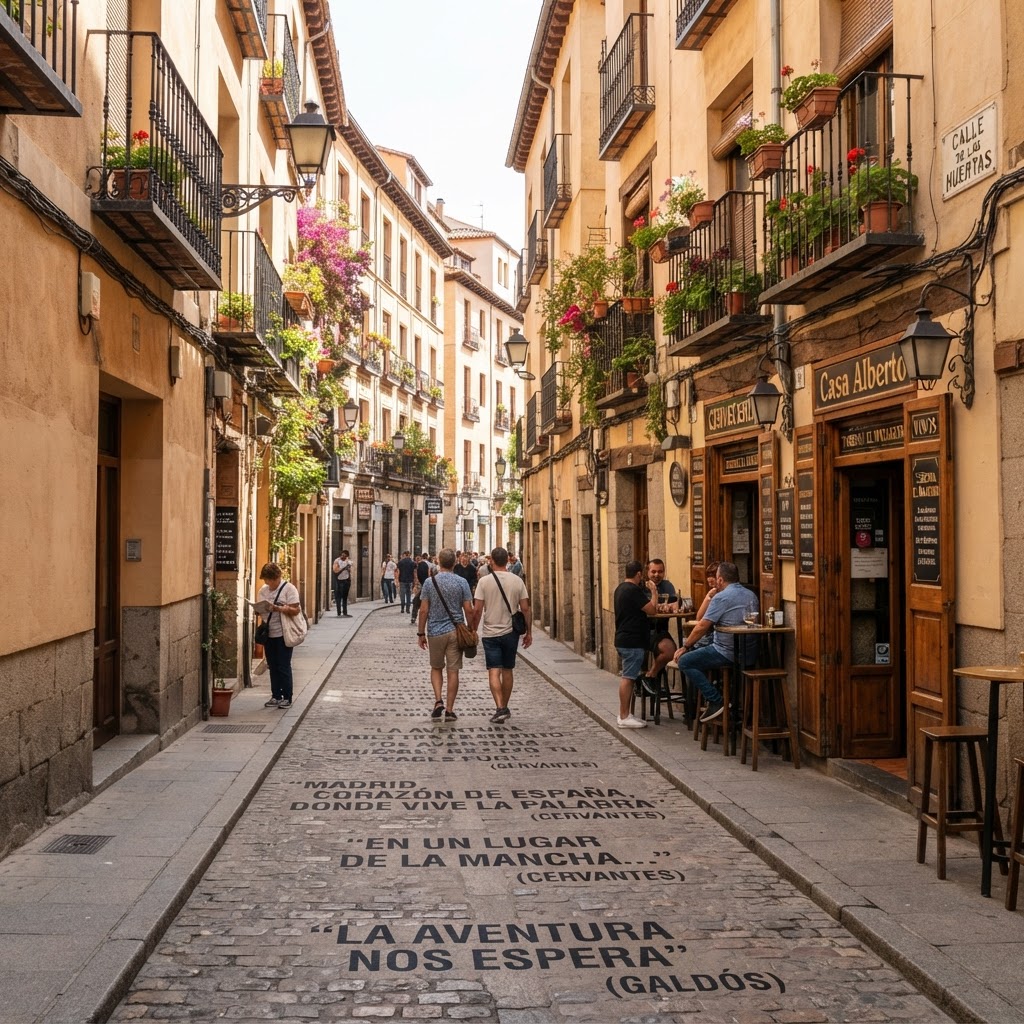
Madrid is a city of layers, where centuries of history blend seamlessly with modern flair. Choosing where to stay or spend your time can be overwhelming, but understanding the city’s unique barrios is the key to an unforgettable trip. Whether you are seeking artistic heritage, high-end luxury, or indie vibes, the capital of Spain offers a distinct personality in every corner.
The Historic Soul of Madrid: Barrio de las Letras
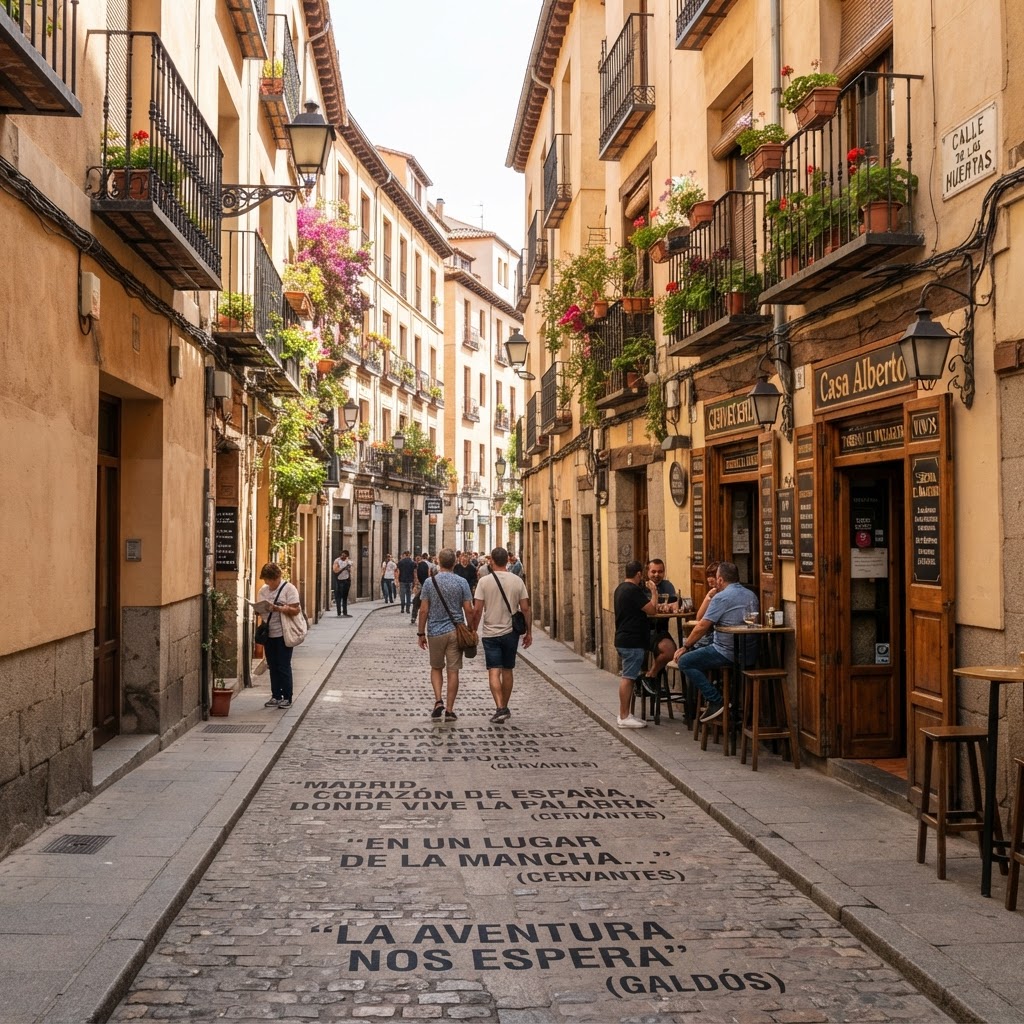
Barrio de las Letras, or the Literary Quarter, is arguably the most atmospheric area in the city. Once home to legendary writers like Cervantes and Lope de Vega, its narrow, pedestrian-friendly streets are lined with quotes from famous works embedded in the pavement. Walking through this neighborhood feels like stepping back into the Golden Age of Spanish literature.
Why You Must Visit
Aside from its literary significance, the area is brimming with traditional taverns and vibrant bars. It strikes a perfect balance between quiet daytime strolls and lively evening social scenes. The proximity to the Prado Museum makes it an ideal home base for art lovers.
” src=”https://img.youtube.com/vi/HkgagrM1460/hqdefault.jpg” />
Top Highlights in Las Letras
- The Plaza de Santa Ana: A bustling square perfect for people-watching with a coffee or caña.
- Calle de las Huertas: The main artery of the neighborhood, famous for its hidden courtyards.
- Local Tapas Crawls: Some of the oldest tabernas in Madrid are located right here.
The Elegance of Salamanca
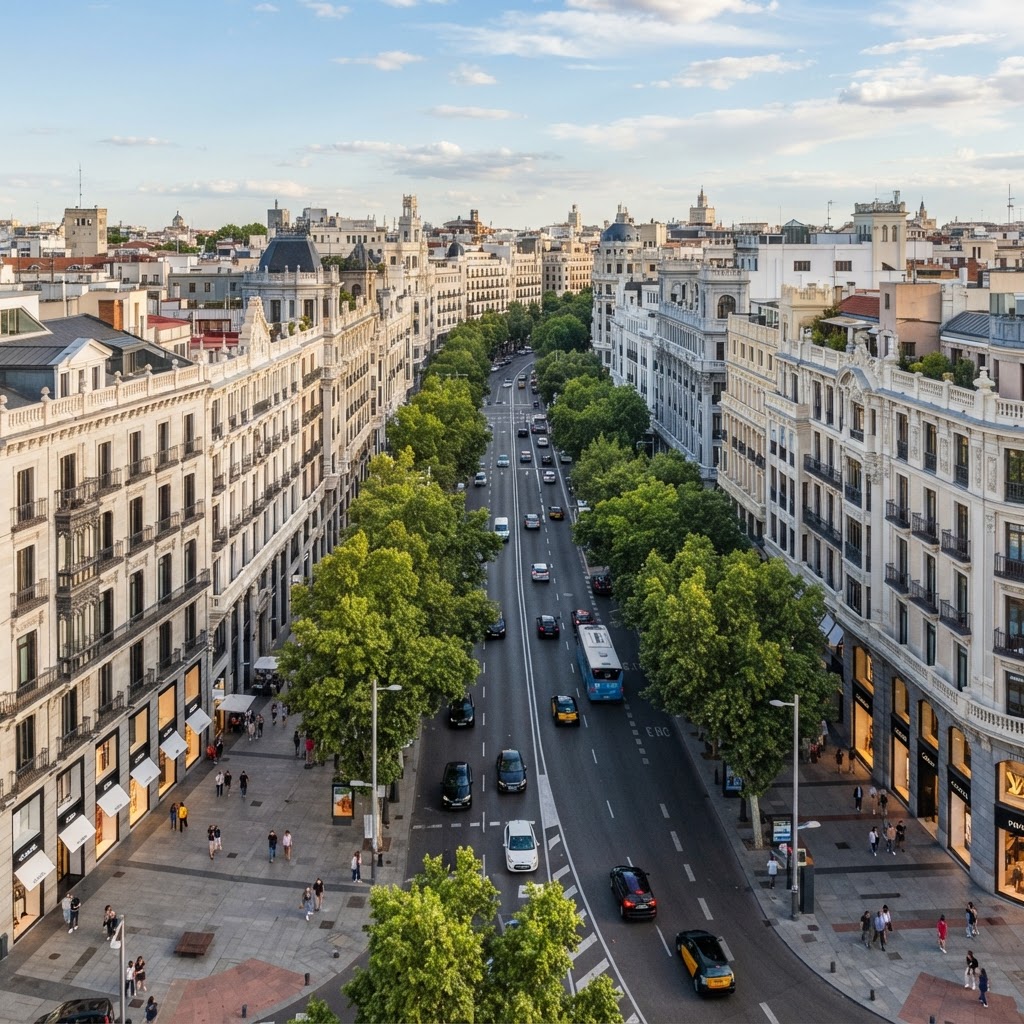
If you prefer high-end architecture and refined living, look no further than Salamanca. Known as the Golden Mile, this district features wide boulevards, grand 19th-century buildings, and the most exclusive shopping in the city. It is often compared to Paris or London’s affluent districts due to its polished aesthetic.
Luxury and Leisure
Salamanca is home to the Serrano and Ortega y Gasset streets, where flagship stores and international luxury brands dominate the landscape. When you are done shopping, you can retreat to the beautiful Retiro Park, which borders the southern edge of this elegant district.
The Bohemian Vibe of Malasaña
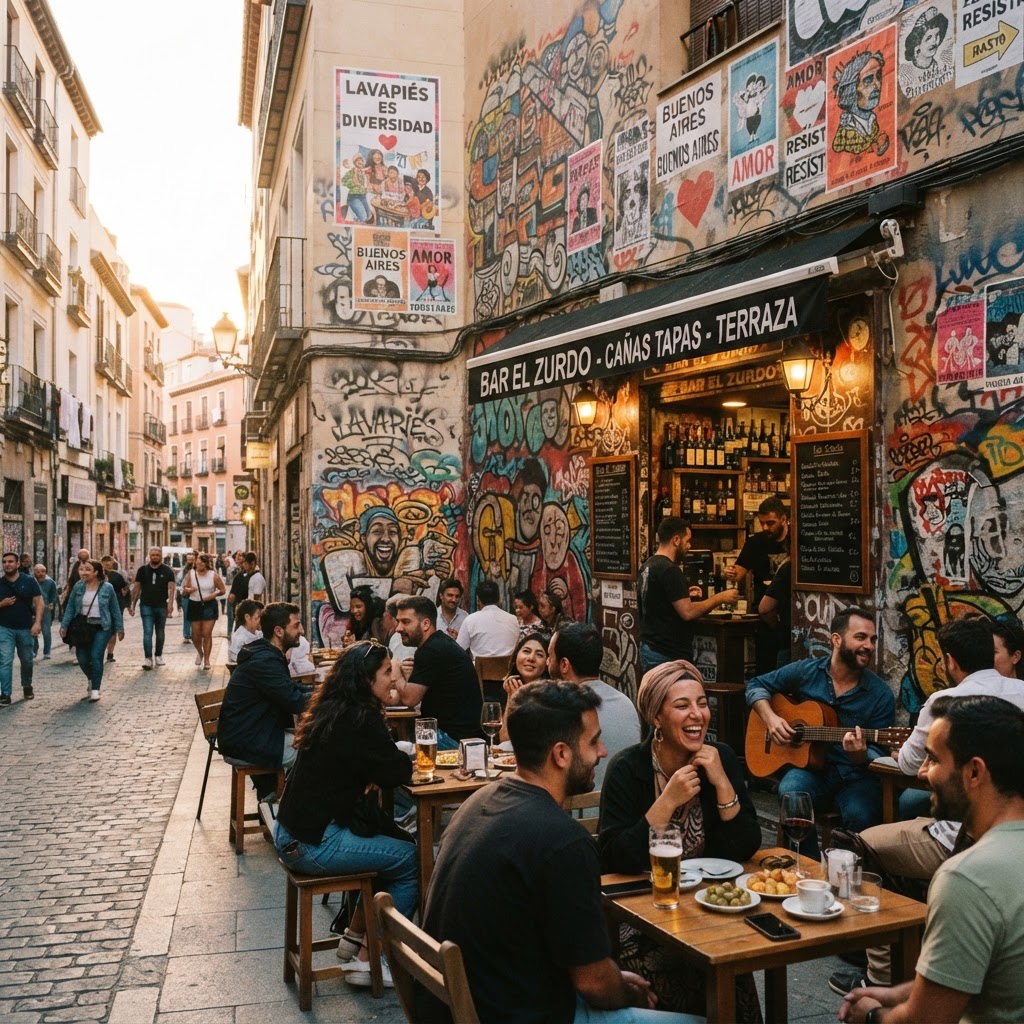
Malasaña is the heart of Madrid’s alternative scene. During the 1980s, it was the epicenter of La Movida Madrileña, a cultural counter-revolution that transformed Spain after the death of Franco. Today, it remains a creative hub filled with vintage shops, indie cafes, and vibrant street art.
” src=”https://img.youtube.com/vi/4An6tb777o8/hqdefault.jpg” />
An Eclectic Atmosphere
Walking through Malasaña, you will notice a stark difference from the manicured streets of Salamanca. The area is gritty, colorful, and teeming with life. It is the perfect place to grab a craft beer and catch a live performance in a small, intimate venue.
Why Creative Souls Love Malasaña
- Vintage Shopping: The neighborhood is world-renowned for its curated thrift stores.
- Independent Coffee Roasters: You will find some of the best specialty coffee in Madrid here.
- Nightlife: It is one of the most energetic parts of the city once the sun goes down.
Chueca: The Heart of Inclusivity
Adjacent to Malasaña is Chueca, a neighborhood famous for being one of the most welcoming and open-minded districts in Europe. While it was once considered neglected, it underwent a massive revitalization in the late 1990s. Now, it is the center of Madrid’s vibrant LGBTQ+ culture and home to some of the trendiest restaurants in the city.
Culinary Delights in Chueca
Chueca is home to the Mercado de San Antón, an upscale market where you can enjoy gourmet food on a rooftop terrace. The food scene here is fast-paced and constantly evolving, making it a dream for any self-proclaimed foodie.
Lavapiés: A Multicultural Melting Pot
For travelers looking for an authentic, raw, and multicultural experience, Lavapiés is the top choice. It is one of the oldest neighborhoods in Madrid and currently serves as a hub for immigrant communities from all over the world, particularly from North Africa, Asia, and Latin America.
The Artistic Edge
This neighborhood is deeply linked to the Tabacalera, an old tobacco factory turned into a vibrant independent art center. You will find graffiti-covered walls, ethnic restaurants serving authentic curries and tajines, and a tight-knit community feel that is hard to find in more commercialized areas.
” src=”https://img.youtube.com/vi/irbgxKm9db4/hqdefault.jpg” />
La Latina: The Tapas Capital
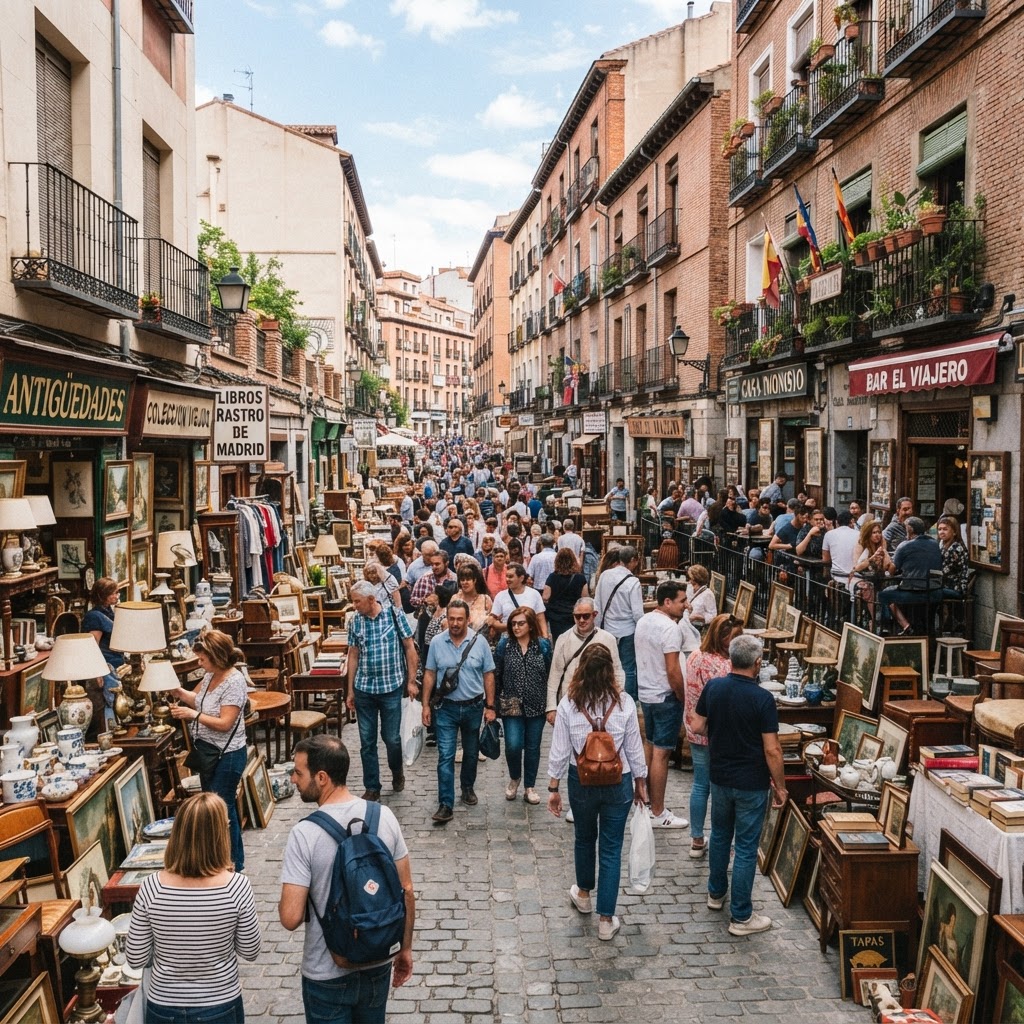
No trip to Madrid is complete without visiting La Latina. This neighborhood is synonymous with tapas and Sunday afternoon traditions. Cava Baja, the main street, is packed with dozens of bars, each boasting its own specialty, from crispy calamari to succulent Iberian ham.
The El Rastro Experience
Every Sunday, the area hosts El Rastro, one of Europe’s largest outdoor flea markets. Navigating the crowded streets of La Latina while hunting for antiques and bargains is a rite of passage for locals and visitors alike. It is chaotic, noisy, and utterly captivating.
Comparing the Districts at a Glance
To help you decide which neighborhood fits your style best, here is a quick breakdown of their core characteristics.
| Neighborhood | Vibe | Best For |
| :— | :— | :— |
| Las Letras | Historic & Literary | Culture Enthusiasts |
| Salamanca | Luxurious & Elegant | Shoppers & Luxury Travelers |
| Malasaña | Alternative & Indie | Nightlife & Vintage Lovers |
| Chueca | Welcoming & Trendy | Foodies & Social Butterflies |
| Lavapiés | Multicultural & Raw | Budget & Culture Travelers |
| La Latina | Traditional & Lively | Tapas & Sunday Market Fans |
Conclusion: Which Madrid Neighborhood Will You Choose?
Madrid’s beauty lies in its diversity. Whether you spend your time wandering the quiet, book-lined streets of Las Letras, splurging in the luxury boutiques of Salamanca, or eating your way through the tapas bars of La Latina, you will discover that every barrio adds a unique color to the city’s vibrant tapestry. Take the time to step away from the major tourist landmarks and lose yourself in these streets to truly understand what makes Madrid a world-class destination.
Are you planning a trip to Spain? Start your adventure by booking a walking tour in one of these iconic neighborhoods today!
Practical Tips for Navigating Madrid Like a Local
Madrid functions differently than many European capitals. Understanding these rhythms saves you time and frustration during your visit. Most shops in smaller neighborhoods do not open until 10:00 AM. Many local businesses close for a three-hour siesta between 2:00 PM and 5:00 PM. Plan your shopping sprees accordingly to avoid locked doors.
Dining times in Madrid are exceptionally late by international standards. Locals rarely sit down for dinner before 9:00 PM. If you show up at a popular taberna at 7:00 PM, you will likely be the only customer. Embrace the late schedule to enjoy the authentic energy of the city’s culinary scene.
The Art of the Metro and Walking
The Madrid Metro is clean, safe, and incredibly efficient. Purchase a ten-trip multi-journey card at any station kiosk. You can share this card with travel companions, making it the most cost-effective way to get around. However, do not rely on the subway for everything. Madrid is a highly walkable city, and the best hidden details are found on foot between major stations.
How to Plan Your Neighborhood Strategy
Do not try to visit every barrio in a single day. Choose your base neighborhood based on your primary travel goal. If you want high-end retail and easy park access, book a hotel in Salamanca. If you prefer late-night tapas and cultural spontaneity, stick to Malasaña or La Latina.
- Day One: Start with the historic core, covering Las Letras and the nearby Plaza Mayor.
- Day Two: Spend the morning in Retiro Park, followed by a luxury window-shopping stroll in Salamanca.
- Day Three: Dive into the grit and art of Malasaña, saving the evening for the taverns of La Latina.
Common Mistakes to Avoid
Many travelers fall into the tourist traps near Puerta del Sol. You will find overpriced, mediocre paella and watered-down sangria at these establishments. Avoid any restaurant with picture menus displayed on the sidewalk. Instead, walk three blocks away from the main plazas to find authentic neighborhood spots.
Another common error involves Sunday planning. Most government-run museums like the Prado have free entry hours on Sunday evenings. These windows draw massive lines, sometimes stretching around the block. If you are not committed to waiting, purchase a timed ticket for a weekday morning to see the art in peace.
Budgeting and Seasonal Realities
Madrid is remarkably affordable compared to Paris or London. You can comfortably enjoy a high-quality lunch menu del día for about 15 euros. This includes a starter, a main course, a drink, and a dessert. Always look for this option during the week to save significantly on dining costs.
The weather dictates the city’s mood. July and August are brutally hot, often reaching 40 degrees Celsius. Many locals leave the city entirely during this period. If you can choose your dates, visit in May or late September. The city comes alive with outdoor festivals and perfect, mild evenings.
Essential Checklist for Your Trip
- Download a reliable offline map for navigating narrow, winding streets.
- Pack comfortable, broken-in walking shoes to handle the cobblestones.
- Learn basic Spanish phrases; while English is common, locals appreciate the effort.
- Check the schedule for the Rastro flea market if you visit on a Sunday.
- Carry a reusable water bottle; Madrid’s tap water is among the best in Europe.
Frequently Asked Questions
Should I stay near Gran Vía?
No, avoid staying directly on Gran Vía. While it is central, it is incredibly noisy, crowded, and lacks the authentic charm of the surrounding neighborhoods. Stay within a ten-minute walk of Gran Vía to get the convenience without the constant honking of traffic.
Is tipping customary in Madrid?
Tipping is not expected or required in Madrid. If you receive excellent service at a sit-down meal, rounding up the bill or leaving a few coins is perfectly sufficient. Never feel pressured to add a 20 percent tip as you might in the United States.
How long should I stay to see the highlights?
Four full days is the perfect duration for a first trip. This allows for a relaxed pace where you can spend time in the neighborhoods rather than just checking off landmarks. If you plan on taking day trips to cities like Toledo or Segovia, add an extra day for each excursion.
Leave a Reply