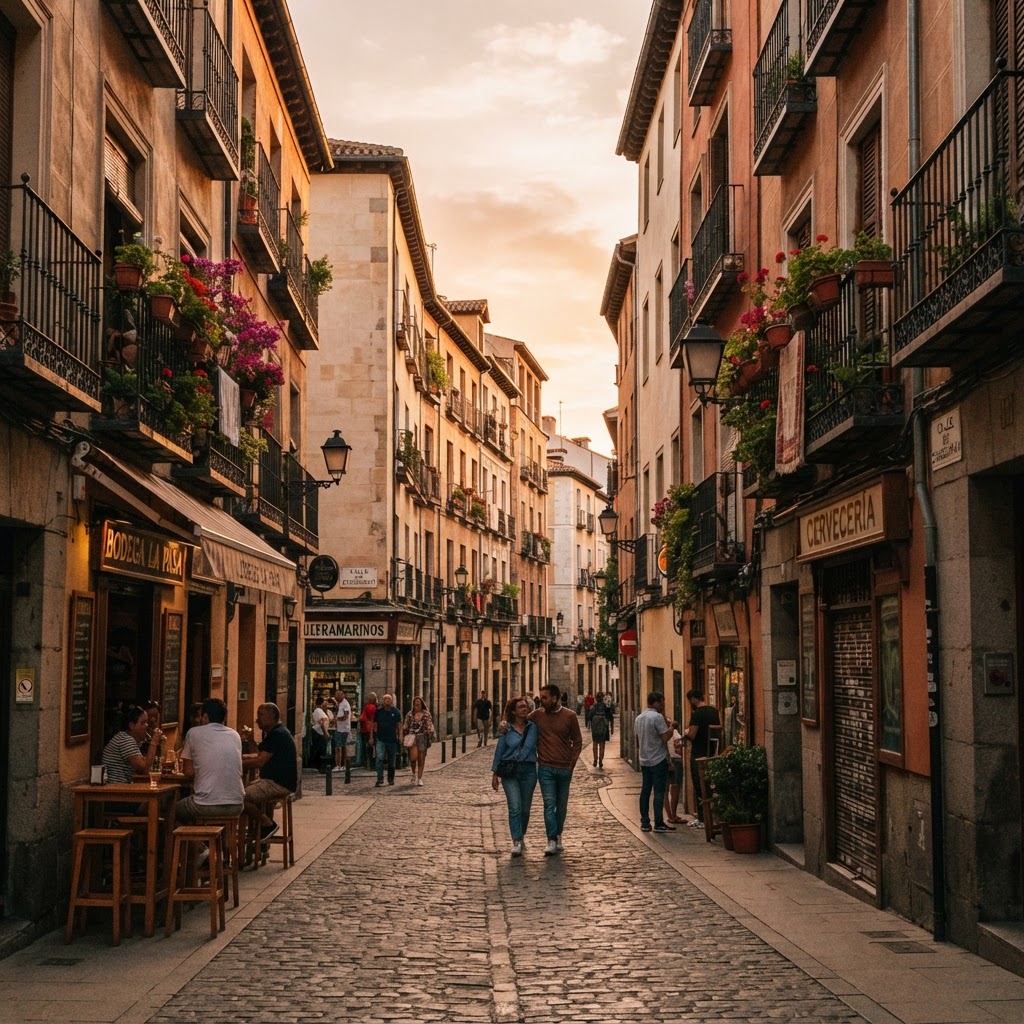
Walking the Narrow Streets of Old Madrid: A Guide
Walking the narrow streets of Old Madrid offers an immersive journey through Spain’s capital, where winding cobblestone alleys reveal centuries of Hapsburg-era architecture and vibrant local culture. To experience the city’s soul, focus your walking route on the historic Hapsburg Quarter and Barrio de las Letras, typically requiring three to four hours to explore on foot.
The Allure of the Historic Center
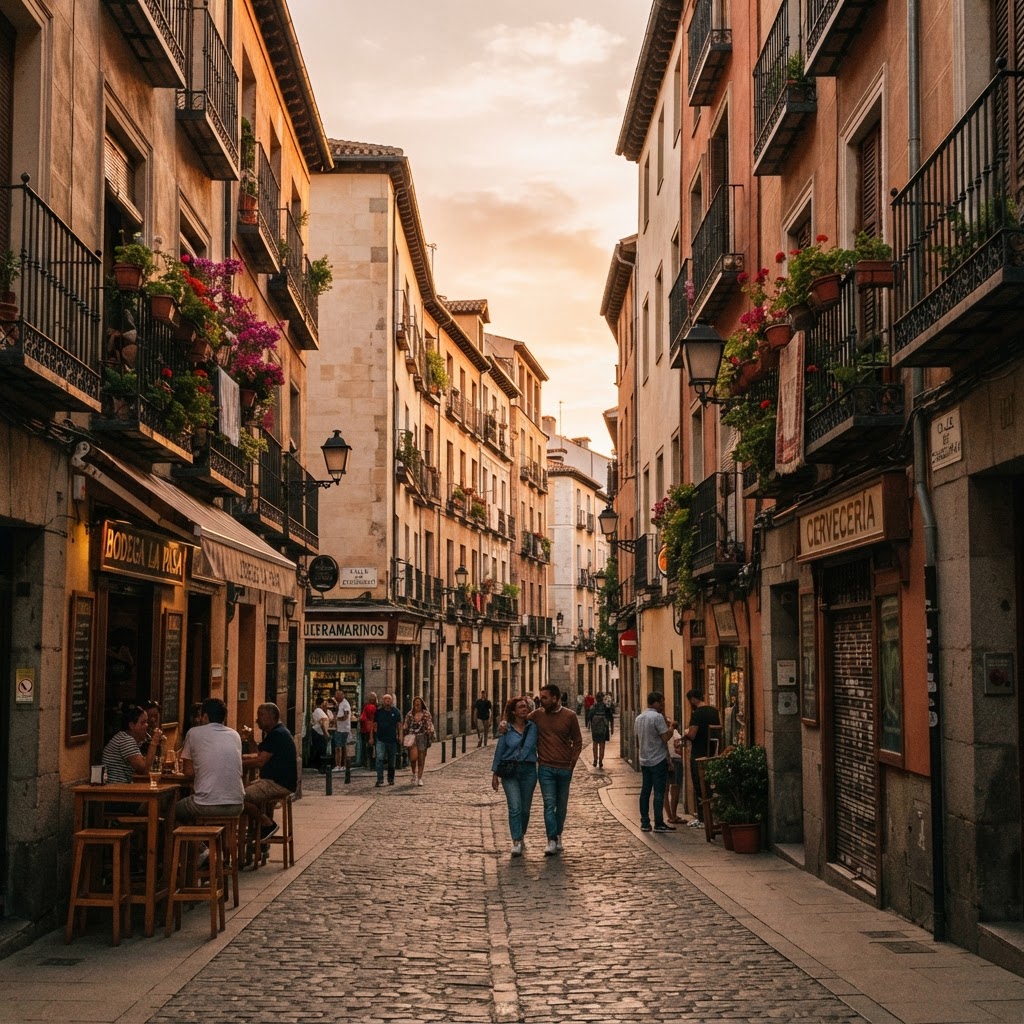
There is a specific rhythm to life in the old town, characterized by an organic, lived-in atmosphere that contrasts sharply with the manicured boulevards of the Salamanca district. When walking the narrow streets of Old Madrid, you encounter architecture that spans centuries, ranging from the austere, functional facades of 16th-century Hapsburg buildings to the delicate, whimsical wrought-iron balconies that became the standard in the 19th century. While exploring the intricate streets of Madrid provides a unique urban charm, travelers who also crave picturesque coastal scenery often look for hotels with stunning balcony views in Oia to complete their European itinerary. Unlike modern urban planning, these streets were designed for pedestrians and carriages, resulting in a layout that prioritizes shade, intimacy, and protection from the elements.
Navigating these lanes is best done without a strict map to allow for serendipitous discovery. While you might want to head toward landmarks like Plaza Mayor or the Royal Palace, the true joy lies in the unexpected corners. Every turn reveals a new layer of history, such as a plaque commemorating a famous writer or a centuries-old shop selling traditional handmade espadrilles. When exploring, keep an eye out for small “placas de calle,” the traditional blue-and-white ceramic street signs that often feature historical illustrations describing the street’s namesake.
Barrio de las Letras: A Literary Journey
One of the most captivating areas to explore is the Barrio de las Letras, a district that was once the intellectual stomping ground for the giants of Spanish literature, including Miguel de Cervantes and Lope de Vega. As you wander, look down; you will notice golden brass letters embedded in the pavement that feature quotes from famous literary works, effectively turning the ground beneath your feet into an open-air library. This neighborhood, centered around Calle de las Huertas, breathes history at every turn.
The Golden Age Connection
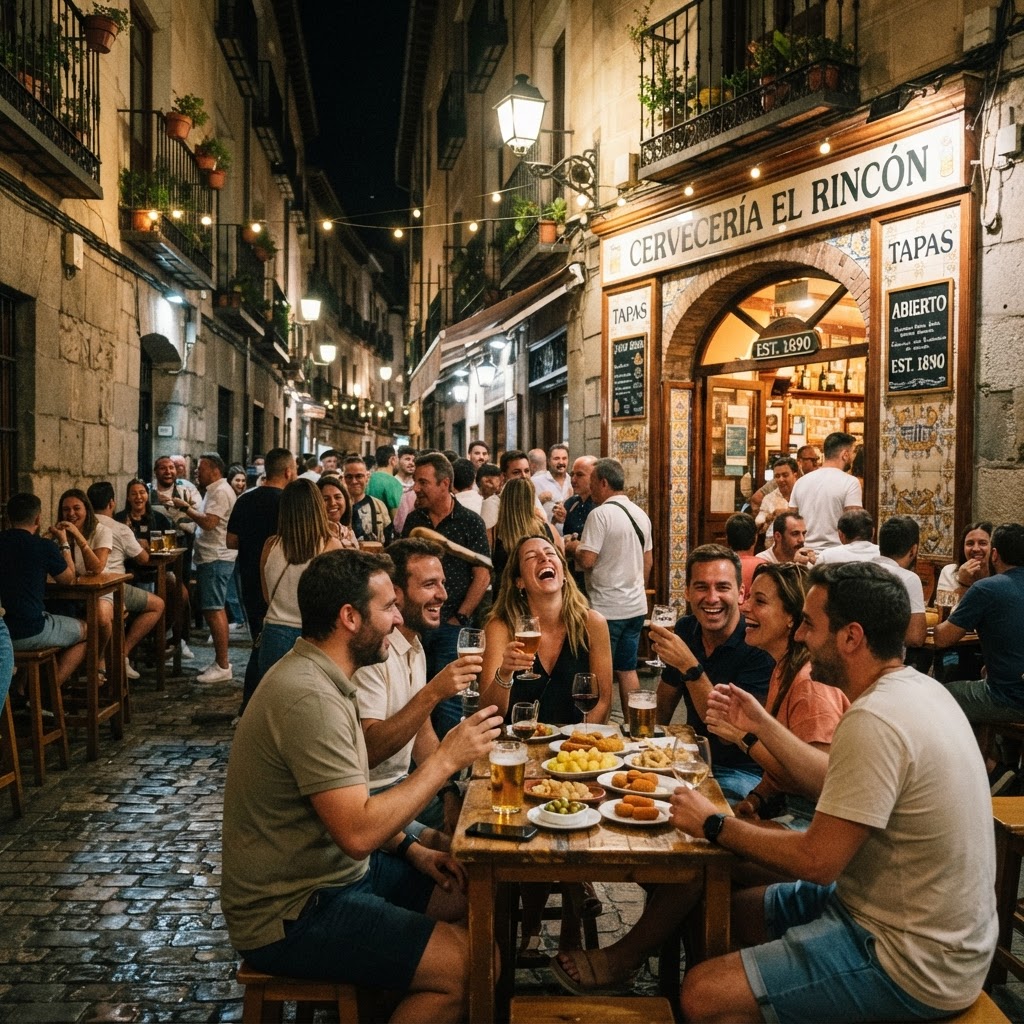
This neighborhood serves as a living museum of the Spanish Golden Age. The narrow streets are lined with taverns and tapas bars, some of which have been serving locals since the 1800s. It is the perfect place to pause, order a “vermut de grifo” (tap vermouth), and soak in the atmosphere that inspired literary masterpieces like Don Quixote. Walking the narrow streets of Old Madrid in this area feels like stepping onto a movie set where the past is preserved through community tradition. Today, the area remains a creative hub, hosting regular art markets and small galleries that showcase the works of local contemporary poets and painters, bridging the gap between the 17th century and the modern day.
Essential Stops on Your Walking Tour
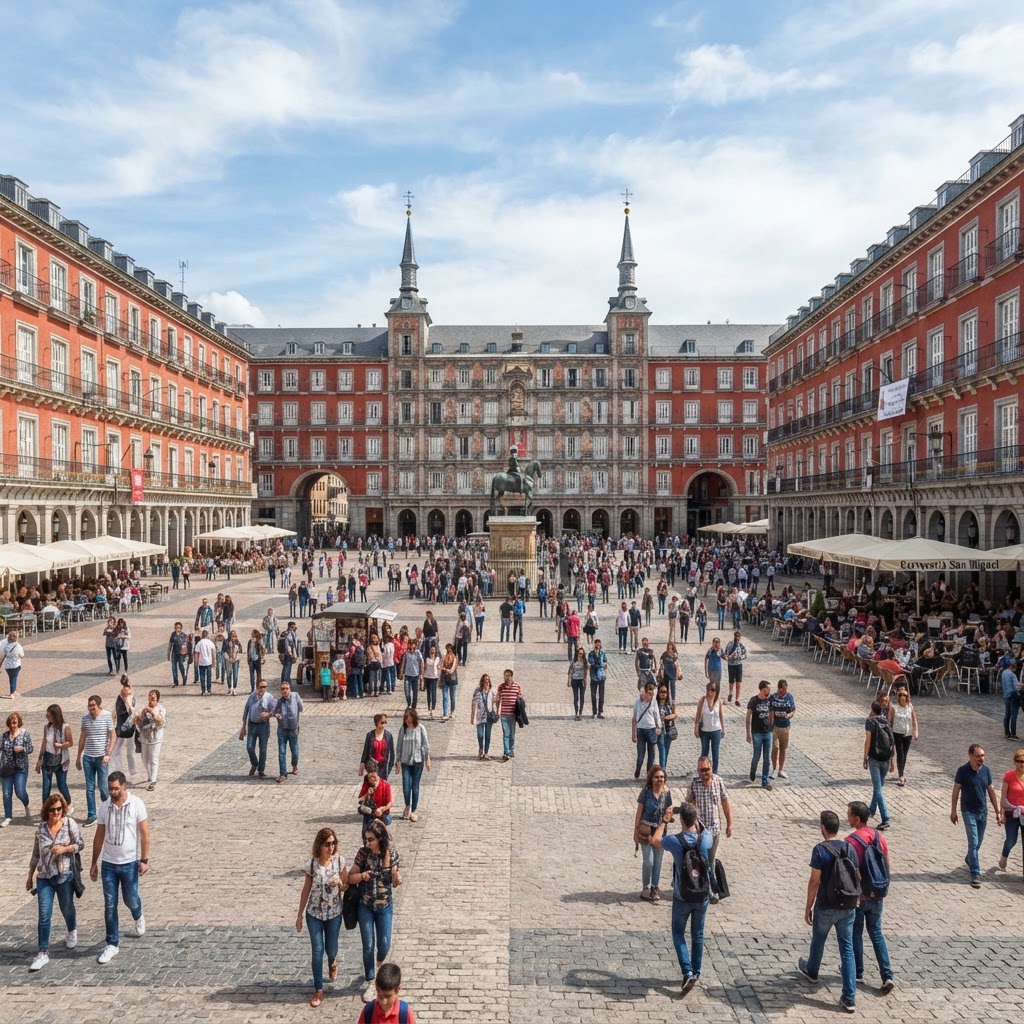
To make the most of your excursion, consider creating a rough itinerary, as having anchor points helps you manage the vast historical scale of the district. Here are the must-see spots for your walking tour:
- Plaza Mayor: The beating heart of the city, surrounded by three-story residential buildings with 237 iconic red balconies.
- Mercado de San Miguel: A historic 1916 iron-structure market perfect for sampling gourmet Spanish delicacies and fine wines.
- Puerta del Sol: The symbolic center of Spain and the location of the famous ‘Bear and the Strawberry Tree’ statue (El Oso y el Madroño).
- Plaza de la Villa: One of the oldest squares in the city, showcasing pre-18th-century architecture, including the Casa de la Villa.
Beyond these sites, ensure your route includes the Plaza de la Paja, once the main market square of medieval Madrid, which remains significantly quieter and more authentic than the major tourist thoroughfares.
Uncovering Hidden Gems
Beyond the major squares lie the true treasures of Madrid, often found in quiet, sun-drenched plazas where time seems to stand still. Walking the narrow streets of Old Madrid frequently leads to hidden gems that most tourists overlook, such as the Convento de las Carboneras, where you can buy traditional homemade sweets from cloistered nuns through a rotating wooden turnstile. If you are planning to continue your European adventure with a change of pace, you might also consider how to do the Cotswolds by train from London for a quintessentially British countryside experience. You might also stumble upon the Plaza del Cordón or ancient courtyards draped in lush bougainvillea that provide a necessary, serene respite from the high-energy atmosphere of the nearby busy thoroughfares. These micro-locations are where the true local character of the city resides, away from the digital maps and crowds.
Authentic Tapas and Culinary Traditions
No trip to Madrid is complete without engaging in the local custom of “tapeo,” which involves moving between taverns to sample various small plates. The narrow streets are packed with century-old taverns that have maintained their traditional recipes for generations. When hunting for the best spots, ignore venues with photo-laden menus; instead, look for the bars crowded with locals, where discarded paper napkins on the floor are often a sign of high turnover and freshness.
Ordering a tapa typically involves choosing a small bite to accompany your drink of choice. The social aspect of moving from one bar to another is the quintessential Madrid experience that binds the community together in the evenings.
Practical Tips for Your Walking Adventure
Since you will be covering significant ground, prioritize comfort, as the terrain in the old town consists of uneven cobblestones and frequent, steep inclines. Always choose supportive, broken-in footwear; flat, sturdy shoes are essential for navigating the steep slope of Cava Baja. Additionally, remember that Madrid operates on a later schedule than much of Europe. Lunch typically begins at 2:00 PM, and dinner reservations are rarely made before 9:00 PM. Adopting this local rhythm allows you to avoid the “tourist rushes” at popular landmarks and dine when the restaurants are at their most vibrant.
FAQ
Q: What is the best time of day to walk through Old Madrid?
Early morning, between 8:00 AM and 10:00 AM, is the best time to explore if you want to avoid crowds and photograph the architecture in soft, natural light. Most shops and cafes in the old center don’t reach peak bustle until after midday.
Q: Is the historic center of Madrid safe for pedestrians?
Yes, the historic center is generally very safe for pedestrians, though you should exercise the standard caution regarding pickpockets in crowded tourist areas like Puerta del Sol and Plaza Mayor. Always keep your belongings secured in front of you while walking through dense crowds.
Q: How much should I expect to pay for a typical tapa?
In a local, non-touristy tavern, a typical tapa served with a drink usually costs between 3 and 6 euros. Prices fluctuate based on the ingredients, with seafood or premium Iberian ham options often costing slightly more.
Q: Can I navigate the old town with a stroller or wheelchair?
Navigating with a stroller or wheelchair can be challenging due to the uneven cobblestones and frequent steep inclines. If you have mobility concerns, stick to the main plazas like Plaza Mayor, which are more accessible, and avoid the smaller, narrower side streets with heavy pedestrian congestion.
Practical Logistics for Your Walking Tour
Timing your walk is crucial for avoiding the crushing midday heat during summer. Start your stroll by 9:00 AM to enjoy the cool, empty streets before the tourists arrive. Most shops in the center do not open until 10:30 AM, but the bars serving breakfast are bustling early. Avoid walking between 2:00 PM and 5:00 PM during the peak of summer, as temperatures frequently exceed 35 degrees Celsius.
What You Will Spend
Exploring the historic streets costs nothing, but your budget will disappear in local taverns. A glass of vermouth and a small tapa will cost you between 4 and 7 euros. Skip the tourist-trap restaurants near Plaza Mayor that offer large photo menus on the sidewalk. You will save money and eat better by turning into the smaller, quieter side streets where menus are written on chalkboards.
Common Mistakes to Avoid
- Ignoring the Siesta: Many family-owned shops close for a long break in the afternoon. Do not plan your primary souvenir shopping between 2:30 PM and 5:00 PM.
- Strict Itineraries: Trying to hit every major landmark on a list ruins the experience. The beauty of these streets lies in the detour, not the destination.
- Ignoring Footwear: Madrid’s old center is paved with uneven stone. Leave the heels or thin-soled dress shoes at the hotel and wear broken-in sneakers.
The Ideal Itinerary: A Three-Hour Route
Begin your morning at the Puerta del Sol, the symbolic center of the city. Walk south toward the Plaza Mayor, entering through the iconic Arco de Cuchilleros. From there, weave your way toward the Plaza de la Villa to see some of the city’s oldest civic architecture. Follow the narrow Calle del Rollo and eventually filter into the Barrio de las Letras via the Calle de las Huertas. Spend your final hour here browsing the local bookstores and finding a bench to watch the neighborhood rhythm.
Checklist for a Successful Walk
- Download an offline map, but try to keep your phone in your pocket.
- Carry a reusable water bottle; Madrid has excellent tap water and many public fountains.
- Bring a small bag for your jacket or belongings, as pickpockets operate in crowded squares like Sol and Plaza Mayor.
- Pack a portable charger, as heavy use of GPS drains battery quickly.
Frequently Asked Questions
Is it safe to walk through the old town at night?
Yes, the area is very safe and remains lively well past midnight. You will see families, elderly residents, and groups of friends enjoying the streets late into the evening. Keep your belongings close in crowded areas near the center, but enjoy the vibrant nightlife without worry.
Should I book a guided walking tour?
A guided tour is excellent for your first day if you want to understand the complex political history of the Hapsburgs. However, if you prefer personal discovery, use a mobile app or a guidebook to provide context while you wander. Do not feel obligated to spend money on a group tour if you value your own pace.
When is the best time of year to visit?
Visit in May or October. The weather is perfect for long, multi-hour walks without the extreme heat of July or the damp chill of January. The evening light during these months makes the golden stone of the old buildings glow beautifully.
Leave a Reply