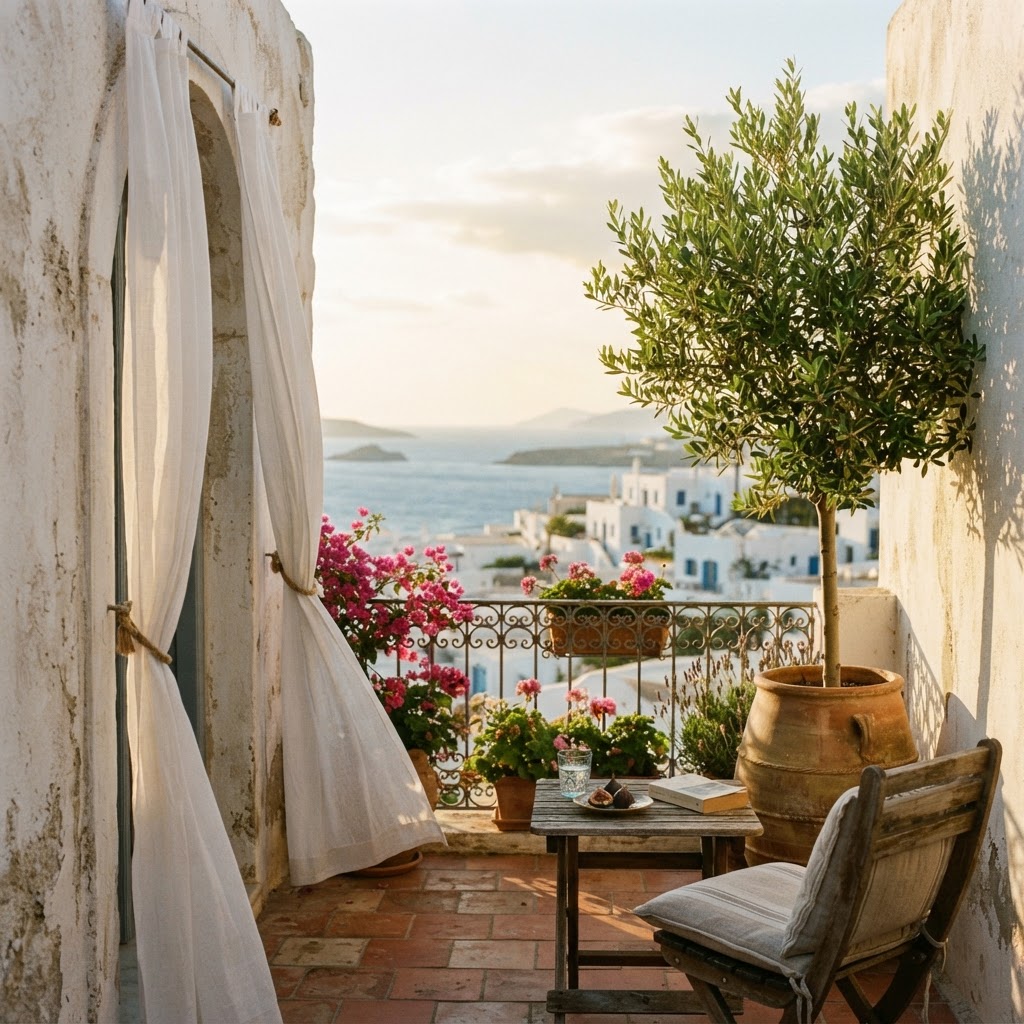
The Spanish summer aesthetic is a lifestyle and design philosophy defined by sun-drenched, rustic interiors, a slow-paced daily rhythm inspired by the siesta, and a color palette of ochre, terracotta, and chalky white. It centers on capturing the ‘golden hour’ light, utilizing natural materials, and embracing artisanal, Mediterranean-inspired culinary traditions.
The Essence of Mediterranean Light
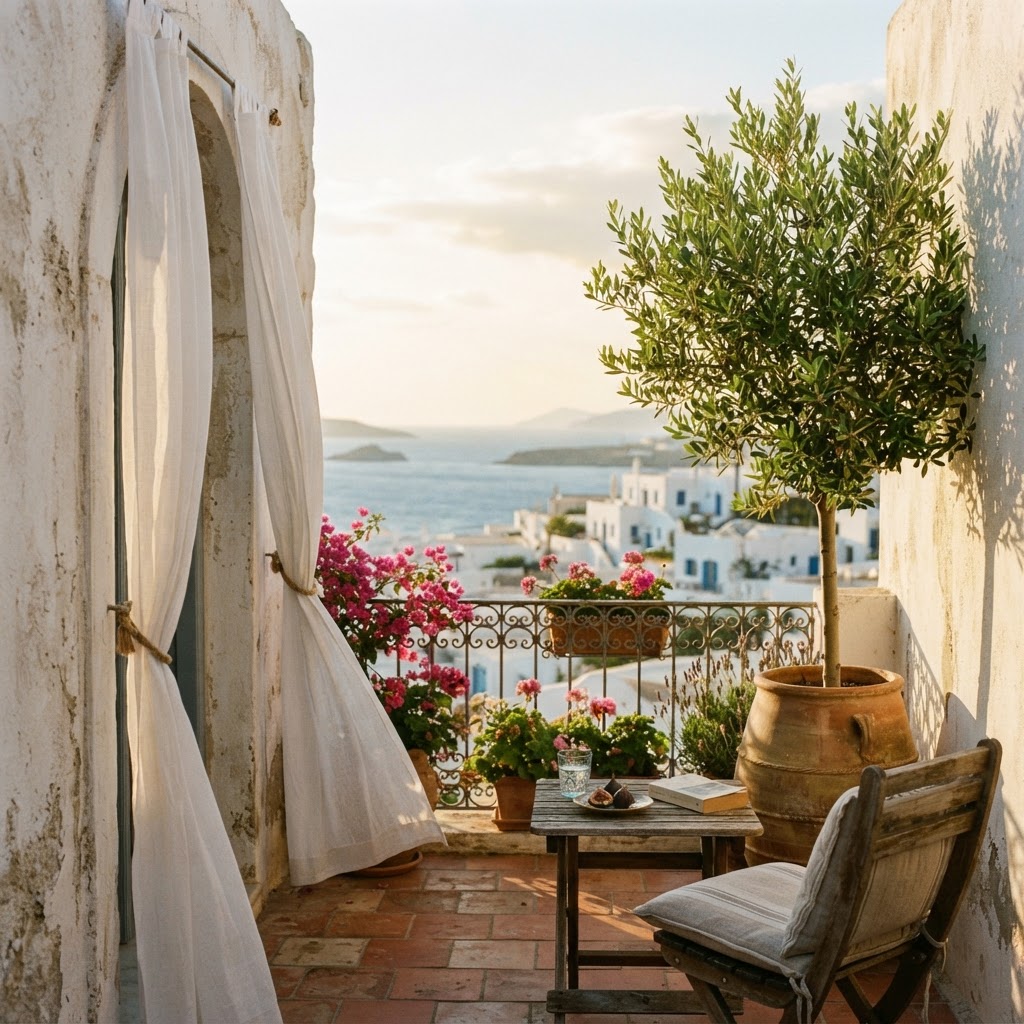
At the heart of the Spanish summer aesthetic is the unique quality of Iberian light, which acts as a natural, cinematic filter throughout the day. In regions like Andalusia, the sun creates long, dramatic shadows and high-contrast highlights that define the visual landscape. To replicate this aesthetic in your photography, you must master the timeline of Mediterranean light. The best time for soft, golden tones is the first hour after sunrise (approx. 6:30 AM to 7:30 AM in July) or the hour immediately preceding sunset. Avoid the midday glare between 1:00 PM and 4:00 PM, as the high-noon sun flattens textures and creates unflattering, harsh light. Instead, utilize side-lighting to emphasize architectural details like terracotta roof tiles or the intricate organic shapes of bougainvillea. By shooting during these specific “golden” windows, you capture the warmth and depth synonymous with a Spanish summer. When editing, aim to increase the warmth by 10-15% on the temperature slider while lowering the contrast by 5-10% to mimic the atmospheric haze of the Iberian coast. Focus your lens on candid, fleeting moments, such as a hand resting on a rustic wooden table or the play of shadows across a whitewashed facade, to ground your photography in reality rather than staged perfection.
How to Capture the Golden Glow
Camera Settings for Warmth
Earthy Palettes and Textures
Bringing the Spanish summer aesthetic into your home requires a focus on historically functional, earthy palettes and raw, organic textures that mirror the Spanish landscape. The signature color scheme—ochre, burnt orange, chalky white, and deep sea-foam green—serves a dual purpose: it creates a visually cohesive space while historically helping homes remain cool during the intense Mediterranean summer heat of 30°C to 40°C. To achieve this look, swap out modern synthetics for authentic materials. Use heavy-weight linen curtains to filter sunlight, introduce hand-woven esparto grass rugs for tactile depth, and place porous, unglazed terracotta pottery throughout your living space. These materials are chosen specifically for their “breathability” and ability to ground a room, preventing it from appearing sterile or overly curated. By incorporating items that have been weathered by time, you infuse your home with an lived-in, honest atmosphere that reflects the heritage of rural Spanish living. When styling a room, aim for balance: pair a sleek, white-washed wall with a rugged, dark-wood beam or a hand-woven textile to create the essential tension between refinement and rustic charm.
Incorporating Natural Materials
The Philosophy of Slow Living
Beyond aesthetics, the Spanish summer is defined by the practice of ‘slow living,’ rooted in the siesta culture which honors the body’s natural rhythm during the hottest parts of the day. This is not an act of laziness, but a deliberate choice to prioritize well-being and social connection over constant productivity. To truly embody this, restructure your day to include extended, multi-course dinners that often stretch from 9:00 PM until midnight, fostering conversation rather than rushing through tasks. If you find yourself craving a similar shift in pace, planning a best day trip from Rome to Tuscany is a perfect way to extend your Mediterranean journey beyond the Spanish borders. Cultivate these ‘slow’ rituals by removing digital distractions; for example, dedicate one hour every afternoon to sit on a balcony with a cool beverage, observing your surroundings without the use of headphones or mobile devices. This practice creates the mental space necessary to appreciate the beauty of the Spanish aesthetic in your own life. By consciously reducing your pace, you allow yourself to notice the way light shifts across a wall or the ambient sounds of your neighborhood. This intentional slowdown acts as the anchor for the entire aesthetic, transforming it from a mere design style into a sustainable, restorative way of living that can be maintained year-round.
Cultivating Your Own Summer Routine
Coastal Decor and Architectural Influence
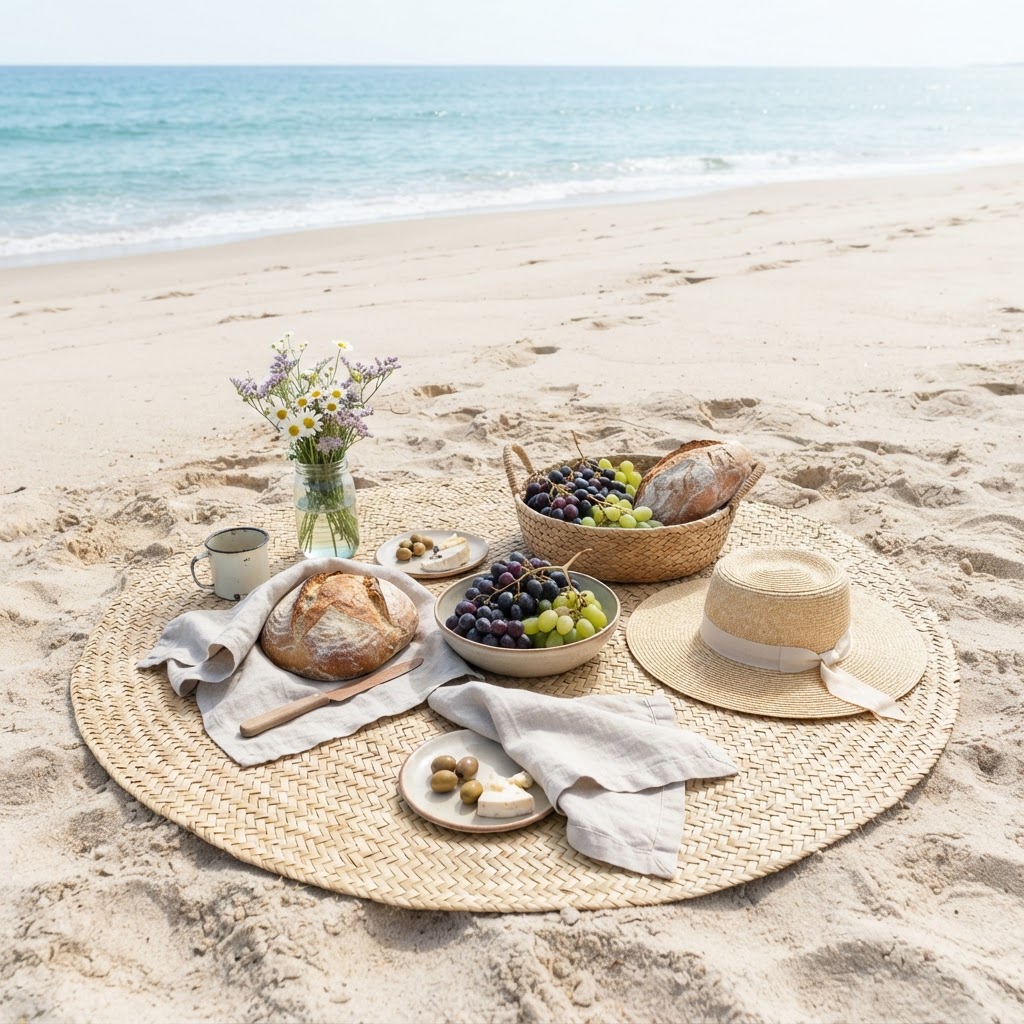
Spanish coastal style is defined by its rugged, sun-bleached, and rustic character, differing significantly from the polished, navy-and-white nautical styles found elsewhere. In villages along the Costa Brava or in the cliff-side homes of Mallorca, architectural integrity is the star of the show. Focus on highlighting elements like arched doorways, exposed wooden ceiling beams, and thick, plaster-rendered walls that keep interior temperatures stable. To refresh your own space using these principles, start by replacing harsh overhead LEDs with warm-toned, low-hanging pendant lights crafted from natural rattan or seagrass, which cast soft, diffuse light across the room. Integrate greenery by selecting drought-tolerant plants such as potted olive trees, lavender, or rosemary, which thrive in sun-drenched environments and add vibrant, organic color. Finally, curate your dining area with mismatched, hand-painted ceramic plates and bowls. This imperfection is intentional, adding an artisanal, “wabi-sabi” touch that celebrates craftsmanship over mass production. Draping a sheer, cream-colored linen throw over a sofa provides a final, airy layer that suggests comfort and relaxation, rounding out the coastal influence without overwhelming the room’s natural architectural features.
Simple Ways to Refresh Your Space
- Replace harsh overhead lighting with warm, low-hanging pendant lights made of rattan or seagrass.
- Introduce greenery that thrives in sun, such as potted olive trees or drought-resistant lavender.
- Use mismatched, hand-painted ceramics for your dinnerware to add an artisanal touch.
- Drape a sheer, cream-colored linen throw over your sofa to create a relaxed, airy atmosphere.
Culinary Artistry as Aesthetics
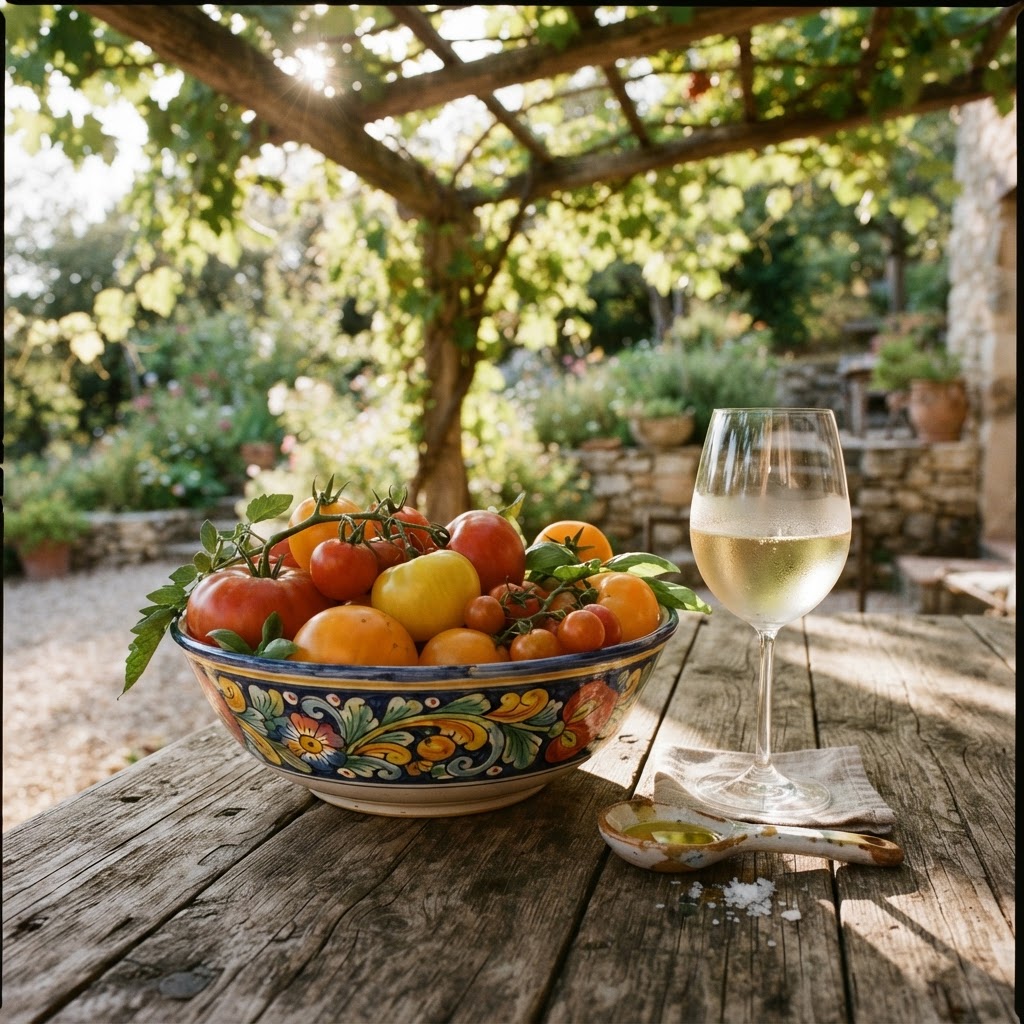
In Spain, the kitchen serves as the home’s emotional center, where the visual presentation of food—known as ‘food as decoration’—is as important as the flavor profile. A typical summer table in Spain features high-contrast, fresh ingredients like vibrant red vine tomatoes, golden virgin olive oil, and crusty artisanal bread. To recreate this, prioritize organic, rustic plating: avoid over-styling and instead let the natural, often irregular shapes of your produce tell a story of freshness. For example, leaving a loaf of sourdough in its rustic, uneven state or serving gazpacho in hand-thrown clay bowls emphasizes the tactile, grounded nature of the diet. This aesthetic relies on high-quality, seasonal ingredients that provide a sensory experience through their colors, textures, and scents. When hosting, use a centerpiece of fresh citrus or herbs to add a natural pop of color, ensuring the table remains functional yet visually evocative of the Iberian countryside.
Capturing the Joy of Summer Travel
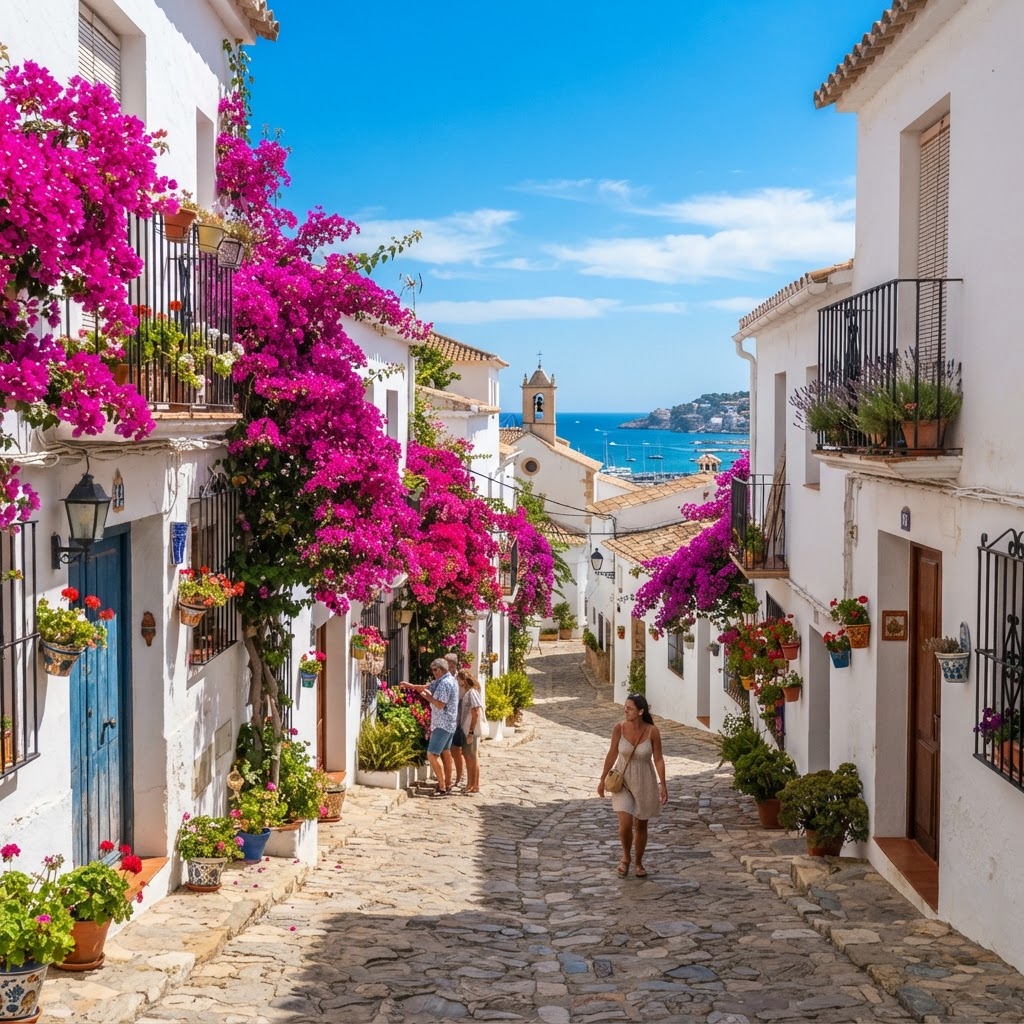
Travel photography within the Spanish summer aesthetic is about discovery and focus on the small, overlooked details rather than just the major tourist landmarks. Seek out hidden coves or the quiet plazas of small inland towns where the pace of life remains slow, then capture the specific architectural “frames within frames” such as an aged archway or a flower-draped balcony. When you encounter these scenes, resist the urge to only use your camera; carry a small sketchbook to jot down observations about the play of light or the specific scent of jasmine in the air, which helps you recall the moment’s emotional tone. For those winding through crowded markets, keep your gear lightweight, such as a single prime lens camera, to remain agile. Embrace the midday shadows as graphic, high-contrast elements that add personality to your shots, rather than trying to avoid them. By anchoring your compositions with natural elements like peeling blue paint or weathered cobblestones, your travel photos will capture the authentic essence of the Iberian experience.
Tips for Travel Photography
- Always carry a small notebook to sketch or jot down observations, not just your camera.
- Keep your kit lightweight so you can move easily through crowded markets or winding alleys.
- Look for ‘frames within frames’—a window, an archway, or a cluster of branches that can anchor your composition.
- Don’t fear the midday shadow; use it to create bold, graphic compositions that contrast with the lightness of the walls.
FAQ
What are the key colors of the Spanish summer aesthetic?
The Spanish summer aesthetic is defined by an earthy palette including ochre, burnt orange, chalky white, and deep sea-foam green. These colors are chosen to mimic the natural landscape of the Iberian Peninsula and provide a cooling visual effect during the intense heat of the summer months.
How can I achieve the Spanish ‘golden hour’ glow in my photos?
You achieve the Spanish glow by shooting during the early morning or the hour before sunset when the light is at its softest. Edit your photos by slightly increasing the warmth temperature and dropping the contrast to simulate the cinematic haze common in Mediterranean regions.
What is ‘siesta culture’ and how do I apply it to my life?
Siesta culture is the practice of resting or slowing down during the hottest hours of the day to respect the body’s natural rhythm. You can apply this by intentionally scheduling periods of low activity in the afternoon and prioritizing late, long-form social dinners.
Which materials are essential for Spanish-inspired decor?
Essential materials include heavy linen fabrics, hand-woven esparto grass, porous terracotta pottery, and light woods like oak or pine. These raw, natural materials provide texture and breathability, making a space feel grounded and authentic rather than sterile.
Why is the kitchen considered the soul of the Spanish home?
The kitchen is central to Spanish life because it is where the “food as decoration” philosophy comes to life through fresh, seasonal produce. Using artisanal, mismatched ceramics and displaying natural ingredients like tomatoes and olive oil transforms the culinary space into a decorative element.
Leave a Reply