Hidden gems in the heart of Seville include the tranquil Plaza de Doña Elvira, the traditional ‘yemas’ sweets at Convento de San Leandro, and the historic atmosphere of Casa Morales tavern. These lesser-known locations offer travelers a quieter, more authentic experience away from the primary tourist crowds of the Alcázar and Giralda.## Uncovering the Soul of Barrio Santa Cruz
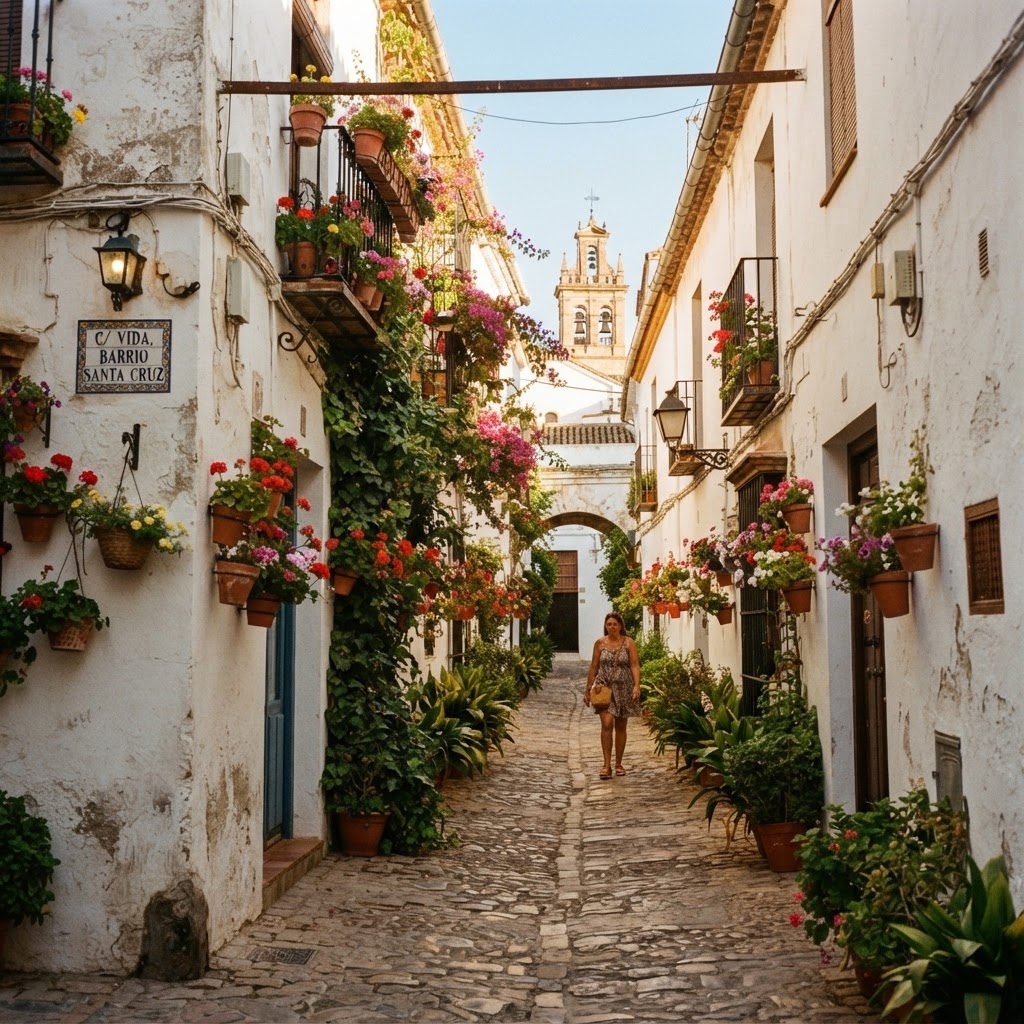
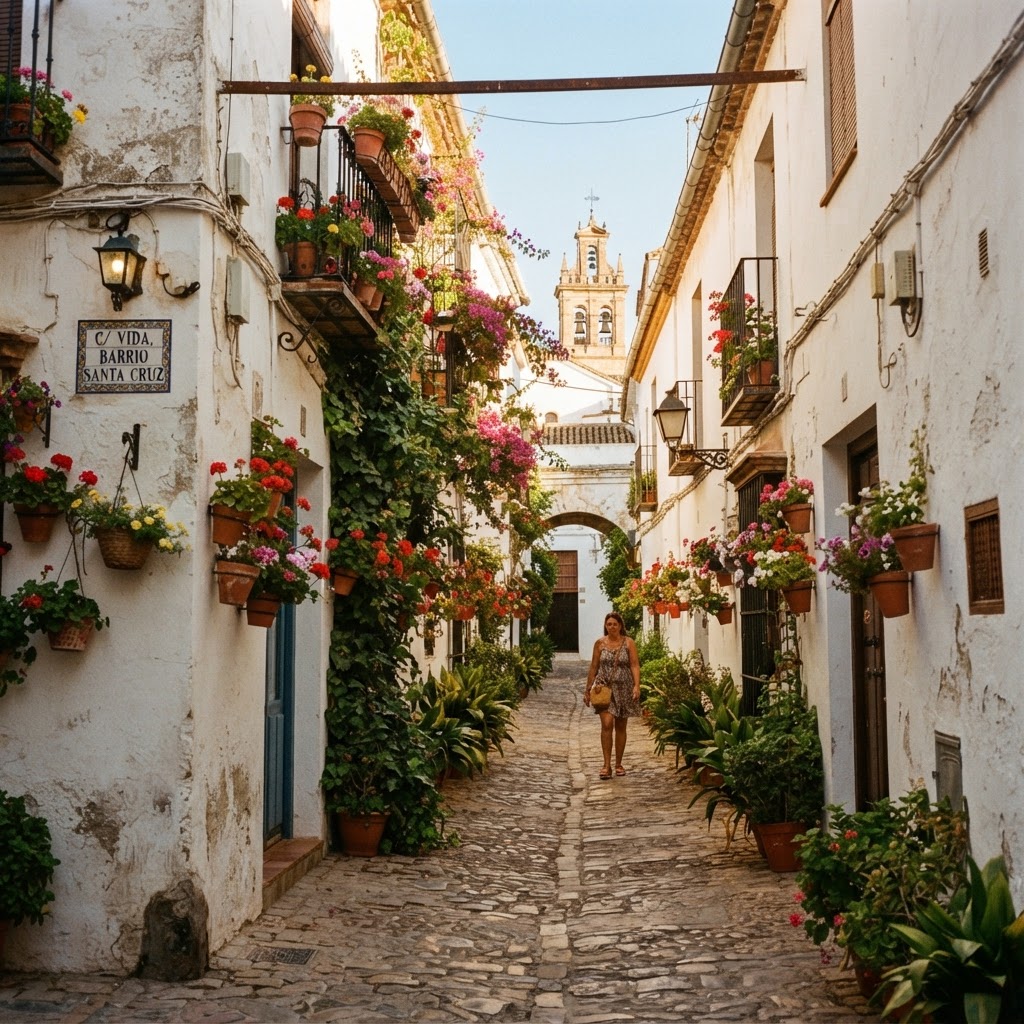
While the Santa Cruz neighborhood is well-known, it is also a labyrinth of tiny alleys that most tourists never fully explore. To truly find the hidden gems in the heart of Seville, you must abandon your map and embrace the art of getting lost. Much like the process of planning a getaway in Italy for the best day trip from Rome to Tuscany, the key to navigating this district is to look for the narrower passages, such as the Callejón del Agua, which follows the old medieval wall and offers a refreshing escape from the summer heat. By wandering away from the Plaza del Triunfo, you will discover that the true soul of the barrio exists in its residential corners where local life remains untouched by souvenir shops and large tour groups.### The Secret Plazas of Santa Cruz
Beyond the crowded main squares lie quiet, whitewashed plazas where the only sound is the fountain’s trickle and the occasional chatter of local residents. Plaza de Doña Elvira is one such sanctuary. Surrounded by colorful tiles and covered in climbing ivy, it offers a perfect spot to pause and soak in the atmosphere. These squares are the heart of the neighborhood, acting as outdoor living rooms for the community. Visitors often overlook the nearby Plaza de los Venerables, which provides a similar sense of seclusion and architectural beauty, characterized by the 17th-century Hospital de los Venerables Sacerdotes facade that looms over the peaceful square.
The Artistic Enclave of San Lorenzo
If you want to experience the authentic daily life of Sevillanos, head to the San Lorenzo district. This area feels like a village within the city, characterized by its traditional architecture and absence of souvenir shops. It is here that you find the true character of Seville, reflected in the slow pace of life and the genuine hospitality of the local cafe owners. San Lorenzo is defined by the Basílica del Gran Poder, a site of immense local devotion, yet the surrounding streets maintain a residential quietude that allows visitors to witness genuine Spanish routines, such as neighbors conversing on benches and families shopping at local markets rather than tourist-facing eateries.
The Convento de San Leandro
One of the most remarkable hidden gems in the heart of Seville is the Convento de San Leandro. Behind the heavy wooden doors, cloistered nuns prepare the city’s most famous “yemas”—a traditional sweet made from egg yolks. You purchase these treats through a rotating wooden turntable, a silent, centuries-old tradition that connects you directly to the history of the city’s religious life. A box of these artisanal treats typically costs between 10 and 15 euros, and all proceeds support the maintenance of the convent. It is a rare opportunity to engage with a living, cloistered tradition that has survived virtually unchanged since the 16th century.
Exploring the Riverside Charms of Triana
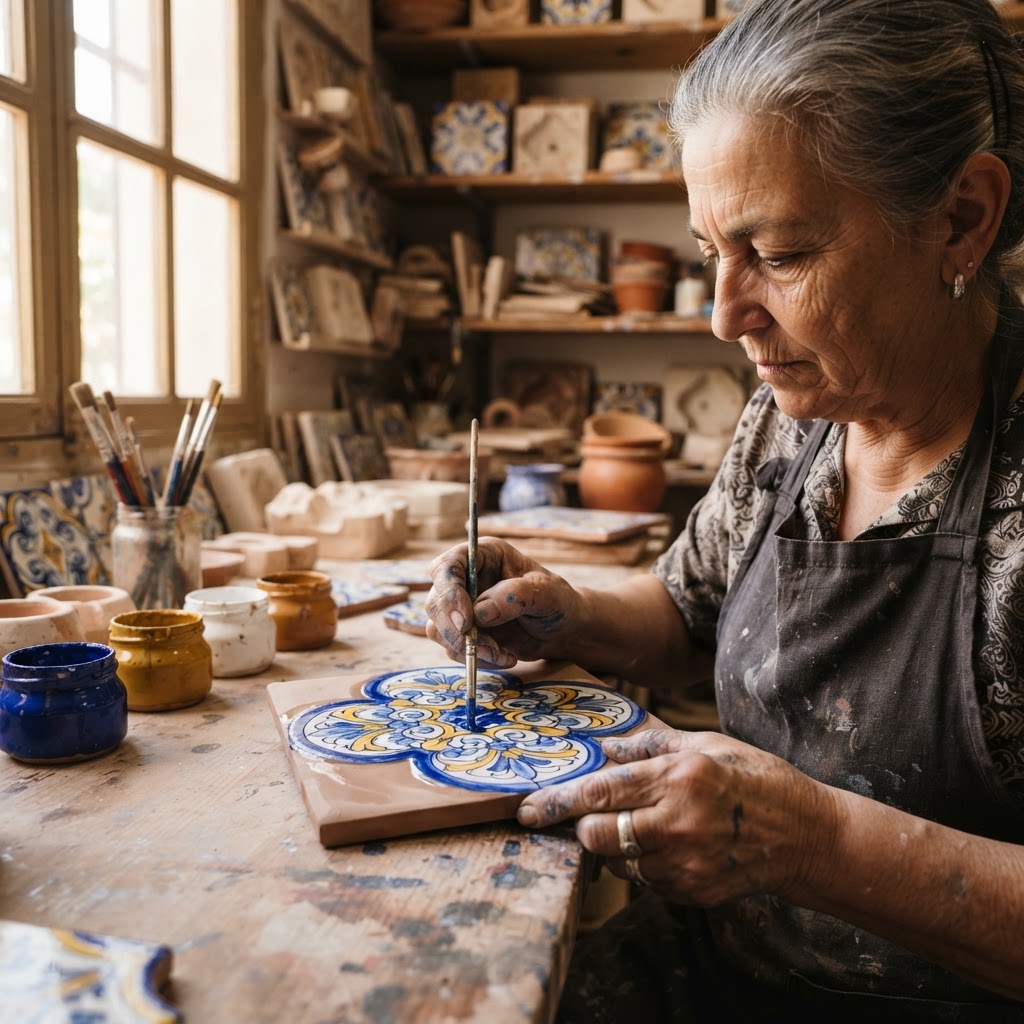
Across the Guadalquivir River lies the neighborhood of Triana, historically known for its pottery, sailors, and flamenco dancers. While travelers often visit for the sunset views, they frequently miss the smaller workshops where master craftsmen still practice their trade. Triana has a distinct identity, one that is proud, earthy, and fiercely independent. Unlike the historic center, Triana’s character is forged in its history as the ‘Barrio de los Alfareros’ (Potters’ Quarter). Walking along Calle Alfarería, one can still find the remnants of old kilns and workshops that provided the decorative tiles seen throughout Seville’s most famous monuments.
Traditional Ceramics Workshops
Take a walk down the streets surrounding the Centro Cerámica Triana to find small, family-owned studios. These artisans continue to produce the intricate tiles that define the city’s aesthetic. Watching a master painter work on a single azulejo is a meditative experience that highlights the preservation of traditional crafts in an era of mass production. Prices for these authentic, hand-painted tiles range from 5 euros for small coasters to over 200 euros for elaborate wall panels, offering a tangible connection to Seville’s artistic legacy that mass-produced souvenirs simply cannot replicate.
Hidden Culinary Delights: The Taverna Culture
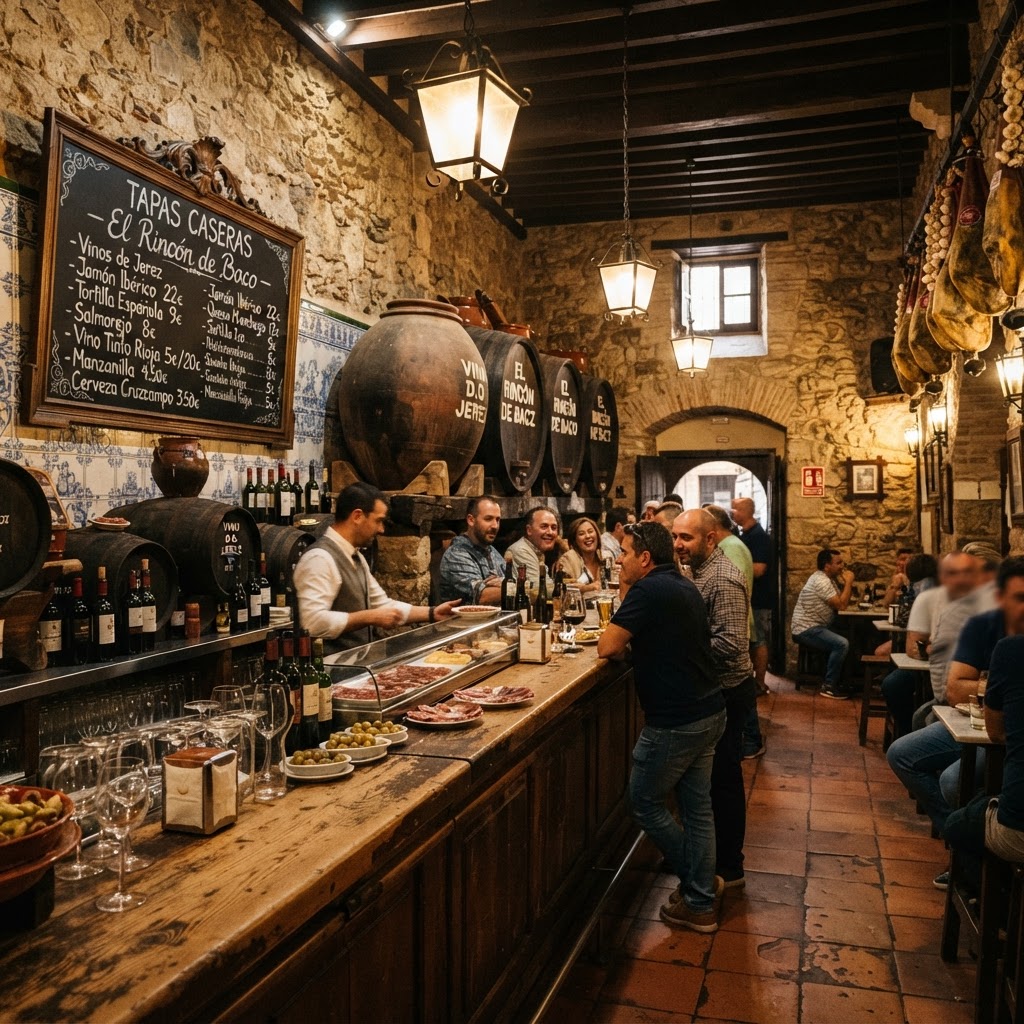
Food is the language of Seville, and you haven’t truly arrived until you’ve sat at a marble-topped bar in a historic bodega. Many of the best spots are not the ones with menus in five languages, but those where the walls are lined with wine barrels and the daily specials are scribbled in chalk on a blackboard. These taverns, or ‘tabernas’, operate on a cash-only basis in many instances and prioritize local ingredients like ‘manzanilla’ sherry from nearby Sanlúcar de Barrameda. The culture here is centered on standing at the bar, enjoying small plates, and participating in the lively, often loud, social atmosphere that defines Andalusian nightlife.
Where to Find Authentic Tapas
Avoid the tourist-heavy plazas and seek out the “freidurías” or local taverns. These places often serve simple, high-quality fare like crispy fried fish (pescaíto frito), Iberian ham, and local sherries. Consider these spots for an authentic experience:
- Bodeguita Romero – Renowned for their pringá montadito.
- Casa Morales – A historic bar with massive clay wine vats dating back to 1850.
- El Rinconcillo – While famous, it remains an essential stop for the oldest tapas experience in the city.
The Secret Gardens and Hidden Courtyards
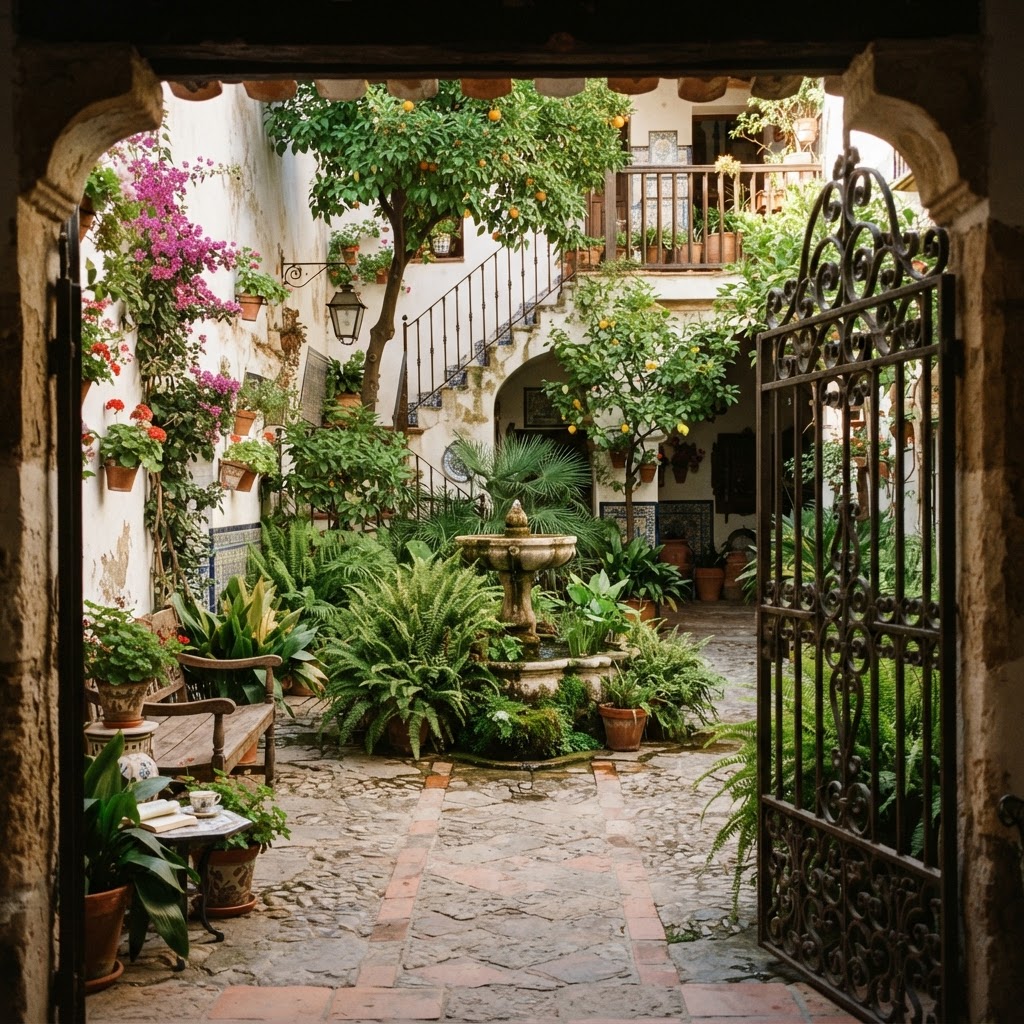
Seville is a city of “patios,” or internal courtyards, which serve as private cooling oases during the sweltering summer months. While many are private, some are visible through ornate iron gates that invite a curious glance. These spaces are often adorned with lush ferns, bougainvillea, and ceramic pots, showcasing the blend of Moorish and Christian design influences. The architecture of these patios is designed to capture humidity and circulate air, a legacy of Al-Andalus that remains the most sustainable method of cooling in the intense southern Spanish heat.
Palacio de las Dueñas
While gaining popularity, the Palacio de las Dueñas remains a serene alternative to the bustling Alcázar. This noble residence features a stunning series of interconnected gardens and courtyards that seem worlds away from the noise of the city. Walking through these spaces allows you to imagine the lives of the aristocracy who once called this palace home, surrounded by rare plants and ancient statues. The palace, which dates back to the 15th century, is filled with art and personal family collections, offering a much more intimate, human-scale experience than the vast, crowded halls of the royal Alcázar.
The Historic Echoes of San Luis de los Franceses
Often overlooked in favor of the nearby Basilica de la Macarena, the church of San Luis de los Franceses is a masterpiece of Baroque architecture. Its interior is a breathtaking display of gold, marble, and intricate frescoes. Because it is slightly removed from the primary path, visitors can often explore the nave and the crypts in complete silence, allowing for a deep appreciation of the artistry. This church represents the peak of Sevillian Baroque design, featuring a central dome that is one of the most sophisticated examples of 18th-century religious architecture in all of Spain, far less crowded than the Cathedral.
Planning Your Off-The-Beaten-Path Seville Adventure
To maximize your exploration of these hidden spots, adopt a flexible schedule. The best experiences in Seville are rarely planned; they happen when you turn a corner and stumble upon a quiet street festival or a local choir rehearsal. Remember that in Spain, the afternoon is for resting. Shops may close between 2:00 PM and 5:00 PM, which is the perfect time to find a cool courtyard or enjoy a long, lazy lunch. By adapting your schedule to the local ‘siesta’ and ‘horario’ (timetable), you ensure that you are eating when the food is freshest and exploring when the streets are quietest.
Essential Travel Tips for the Conscious Explorer
- Walk whenever possible: The city center is dense and packed with architectural surprises.
- Learn the timing: Locals eat late, starting dinner around 9:00 PM or 10:00 PM.
- Engage with the history: Take the time to read the plaques on historical buildings, as they reveal stories of the city’s transformation over the centuries.
- Support local businesses: Buying crafts from local artisans helps keep these historic neighborhoods alive and vibrant.
FAQ
Q: What is the best time of year to visit Seville to avoid crowds?
Late autumn (October to November) or early spring (March) are the best times to visit to avoid the peak summer heat and massive tourist crowds. During these months, temperatures are pleasant, and the city’s hidden courtyards are in full bloom or lush with greenery.
Q: Are there hidden spots in Seville that are free to visit?
Yes, many hidden gems like the winding streets of Barrio Santa Cruz, the quiet plazas, and the exteriors of historic churches like San Luis de los Franceses are completely free. You can enjoy the city’s atmosphere and architectural beauty without needing an entrance ticket.
Q: Do I need a car to visit these hidden locations in Seville?
No, you do not need a car; in fact, a car is a burden in the city center due to narrow, pedestrian-only streets and lack of parking. All of the mentioned hidden gems are accessible on foot or by using the efficient city bus network and tram system.
Q: What should I wear when visiting religious sites in Seville?
It is recommended to dress modestly, ensuring that shoulders and knees are covered when entering churches and convents. While casual wear is accepted in the streets, showing respect by covering up is expected inside sacred spaces like the Convento de San Leandro or San Luis de los Franceses.
Q: Can I buy authentic souvenirs in the Triana neighborhood?
Yes, the Triana district is the best place to buy authentic hand-painted ceramics directly from local artisans. Look for workshops along Calle Alfarería, where you can watch the pottery being made and ensure you are supporting local craftsmanship rather than imported factory-made goods.
Leave a Reply