The Soft Side of Spanish Coastal Towns: A Slow Travel Guide
Slow travel in Spanish coastal towns involves immersing yourself in local rhythms by choosing smaller, lesser-known villages for extended stays, prioritizing authentic cultural interactions, and following the natural schedule of the community. This approach allows travelers to escape crowded resorts and experience the authentic, serene lifestyle inherent to Spain’s Mediterranean and Atlantic coasts.
The Philosophy of Slow Travel on the Coast
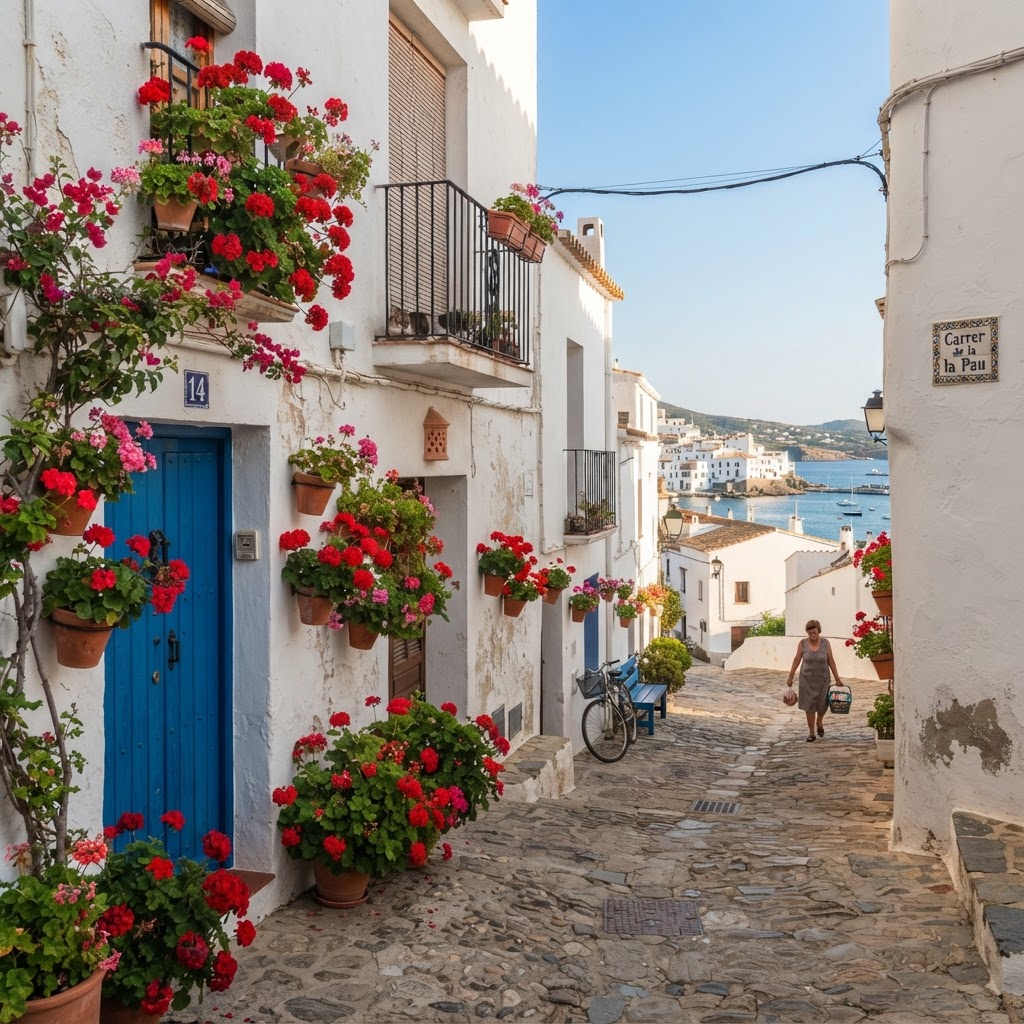
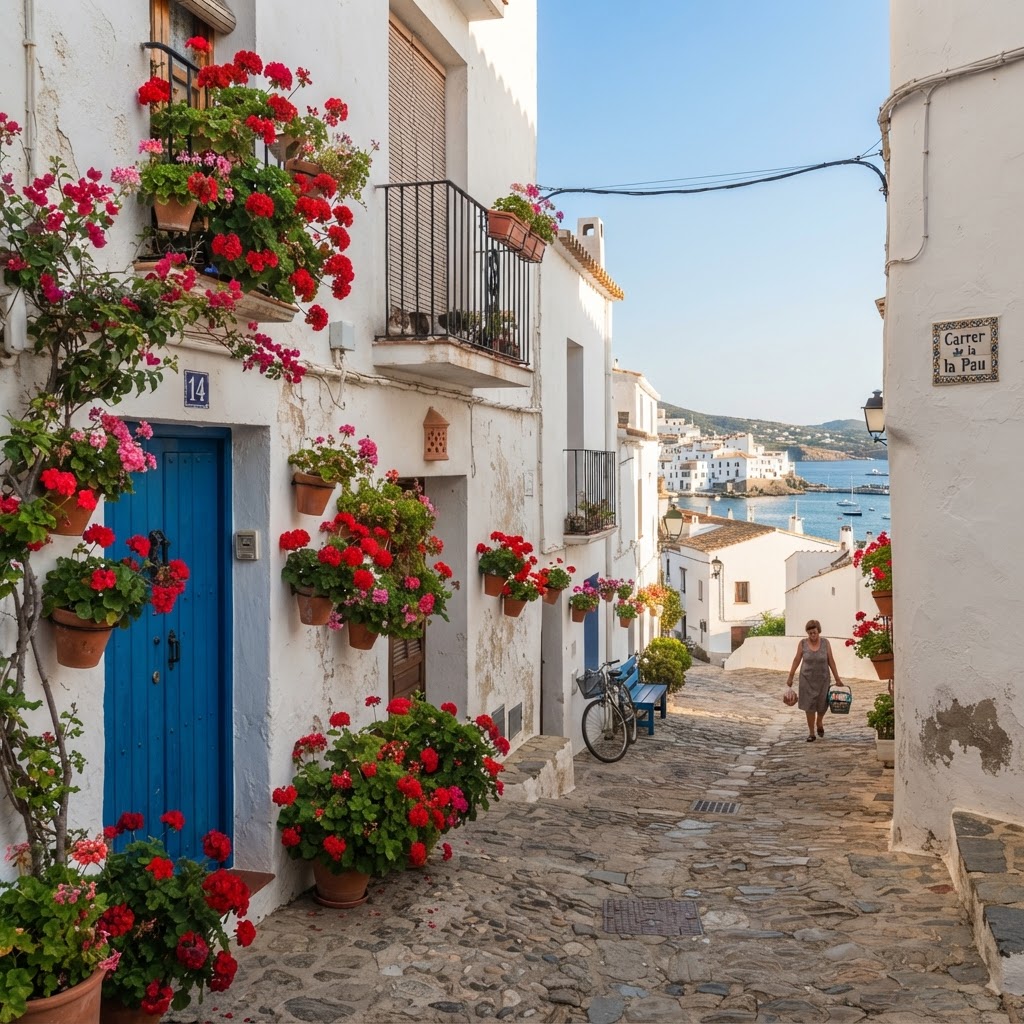
Slow travel is a deliberate shift from consumption to connection, fundamentally changing how you interact with Spain’s geography. Instead of rushing between major tourist hubs like Barcelona or Malaga, slow travel invites you to base yourself in a single village for at least 7 to 10 days, allowing you to move beyond the superficial layer of tourism. This method relies on the “resident mindset,” where you prioritize learning the local routine, identifying the best bakeries by smell rather than Google Maps, and forming brief but meaningful bonds with shopkeepers. By dedicating more time to fewer locations, you reduce your carbon footprint and stimulate the local economy, often spending your euros in family-run businesses rather than multinational chains. The “soft side” of the coast is not a location on a map but a state of mind achieved by waking up to the sounds of local fishermen docking their boats at 6:00 AM and spending afternoons wandering through centuries-old alleyways without a digital itinerary. This practice turns a standard vacation into a transformative experience where you become an active participant in the regional culture rather than a passing observer.
Authentic Culinary Traditions in Seaside Villages
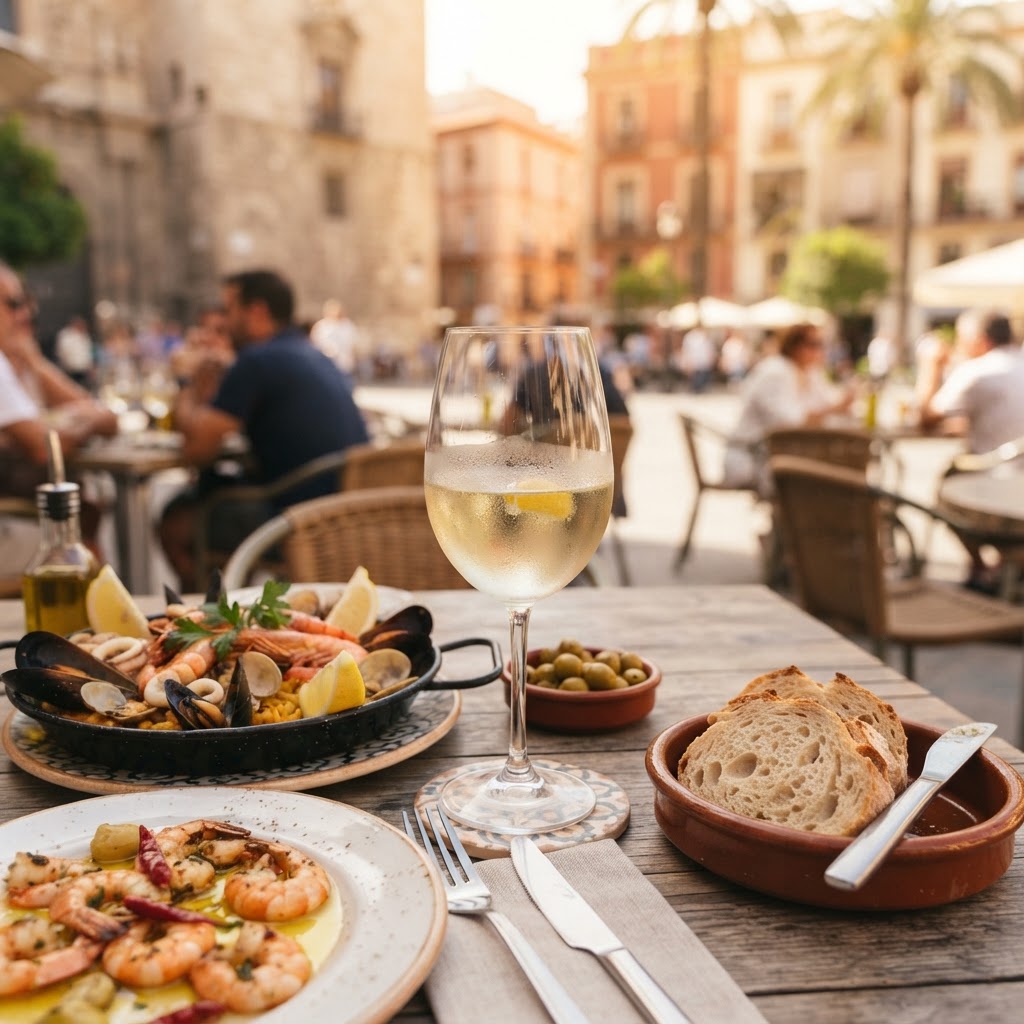
Culinary authenticity in Spanish coastal villages is defined by hyper-local sourcing and a seasonal approach that prioritizes freshness over variety. In these smaller communities, menus are dictated by the daily haul of local fishing boats and the seasonal availability of produce from nearby orchards, ensuring you experience the true terroir of the region. If your European travels extend beyond the Spanish coast, you might consider booking the best day trip from Rome to Tuscany to continue experiencing authentic rural landscapes and local culinary traditions.
The Ritual of the Daily Market
In these small towns, the daily market serves as the social and economic heartbeat of the community. You can witness residents selecting ingredients with surgical precision, often engaging in 10-minute conversations with vendors about the quality of the latest shipment of boquerones or the ripeness of tomatoes grown in the local valley. For a visitor, this is the optimal space to source high-quality artisanal goods like local Manchego or goat cheeses for an average of €15-€20 per kilo, significantly cheaper and fresher than urban supermarket offerings.
Why Local Produce Matters
Choosing local is a commitment to flavor profiles that have been refined over generations. Tomatoes grown in the nutrient-rich, salt-kissed coastal soil possess a higher acidity and sweetness balance, vastly superior to the mass-produced, hydroponic varieties found in international supermarket chains. Engaging with these local markets provides an unfiltered look at the domestic side of Spanish culture, offering a sensory education on regional identity that is impossible to replicate in a hotel buffet.
Hidden Gems Away from the Crowds
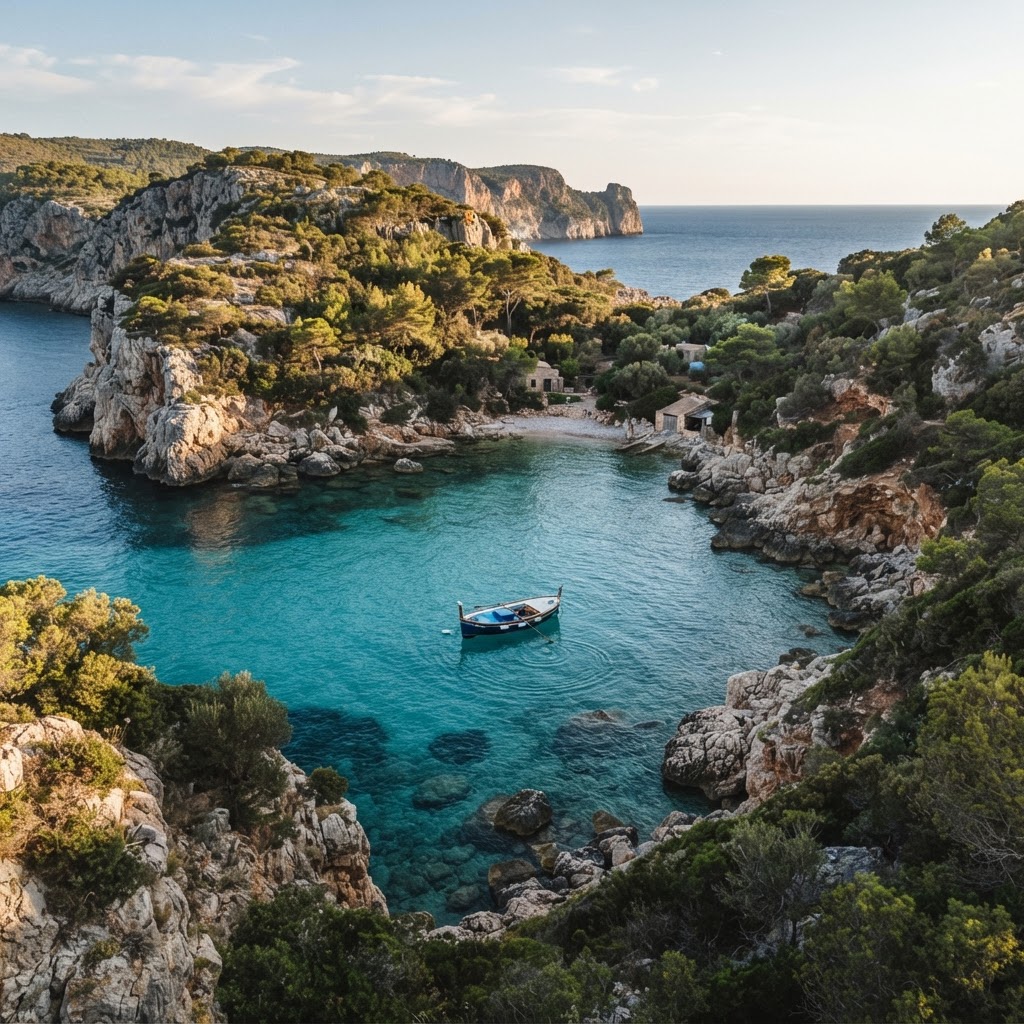
Exploring the hidden stretches of the Spanish coast requires moving beyond the over-saturated Costa del Sol and toward the rugged, often cooler, northern regions. The northern coast of Spain, stretching from Galicia to Asturias, offers a stark, refreshing alternative characterized by dramatic cliffside vistas and a lack of mass-market commercialism, where serenity is the default state rather than a luxury.
Consider the fishing villages of Galicia, where towns like Muxía or Fisterra provide a refuge for those seeking the “softness” of nature. Here, the landscape is defined by the Atlantic breeze, the smell of eucalyptus and pine, and the rolling mist over granite cliffs. These locations offer a profound sense of isolation, with quiet coastal trails where the only sound is the rhythmic crashing of the ocean. By choosing these less-traveled areas, you support rural tourism and ensure your presence contributes to the preservation of traditional lifeways that are currently under pressure from urban migration.
The Importance of Architecture and Design
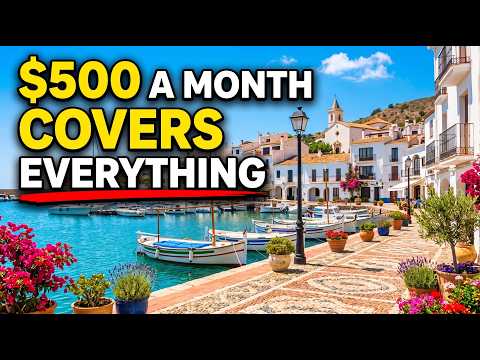
Architecture in Spanish coastal towns acts as a physical manifestation of the region’s environmental adaptation, utilizing design strategies perfected over centuries to maintain comfort without modern energy consumption. Traditional whitewashed buildings with thick stone walls and central courtyards function as natural thermal regulators, keeping interiors cool during the peak heat of the afternoon without the need for air conditioning.
Preserving the Historical Fabric
Many of these coastal towns enforce strict architectural heritage guidelines, preventing the encroachment of “concrete block” tourism that has damaged larger cities. When walking these streets, you are traversing layers of history; notice the Moorish aljibe (water cistern) features, Roman-era stonework foundations, and medieval Christian balconies. This architectural vernacular is more than aesthetic—it is a functional legacy. The town planners have recognized that by maintaining the historical integrity of their streets, they preserve the unique, slow-paced atmosphere that keeps the local population integrated and the tourism experience authentic. Protecting these facades ensures that the town remains a living, breathing environment rather than a theme park for tourists.
Engaging with the Local Rhythm
To bridge the gap between tourist and guest, you must actively synchronize your schedule with the local Spanish clock. The day is structured around natural cycles of energy, centered on the main meal and the social imperative of the evening promenade.
Participating in these rituals is the fastest way to earn social capital. For instance, joining the paseo (evening walk) at 8:00 PM shows that you respect local social customs. It is during these hours that neighborhood news is exchanged and children play in the plaza. By participating, you move from being an outsider to a recognized face in the community, gaining access to recommendations and experiences that are never shared with tourists who remain on the “fast-travel” circuit.
Embracing Nature and Coastal Landscapes
Nature acts as the ultimate restorative force within the Spanish coastal experience, offering extensive networks of protected areas and caminos de costa (coastal paths) that connect village to village. Being in these environments—far from the noise of tourist buses—allows for a sensory reset, forcing you to slow down your walking pace to match the rugged terrain and the natural beauty of the shoreline.
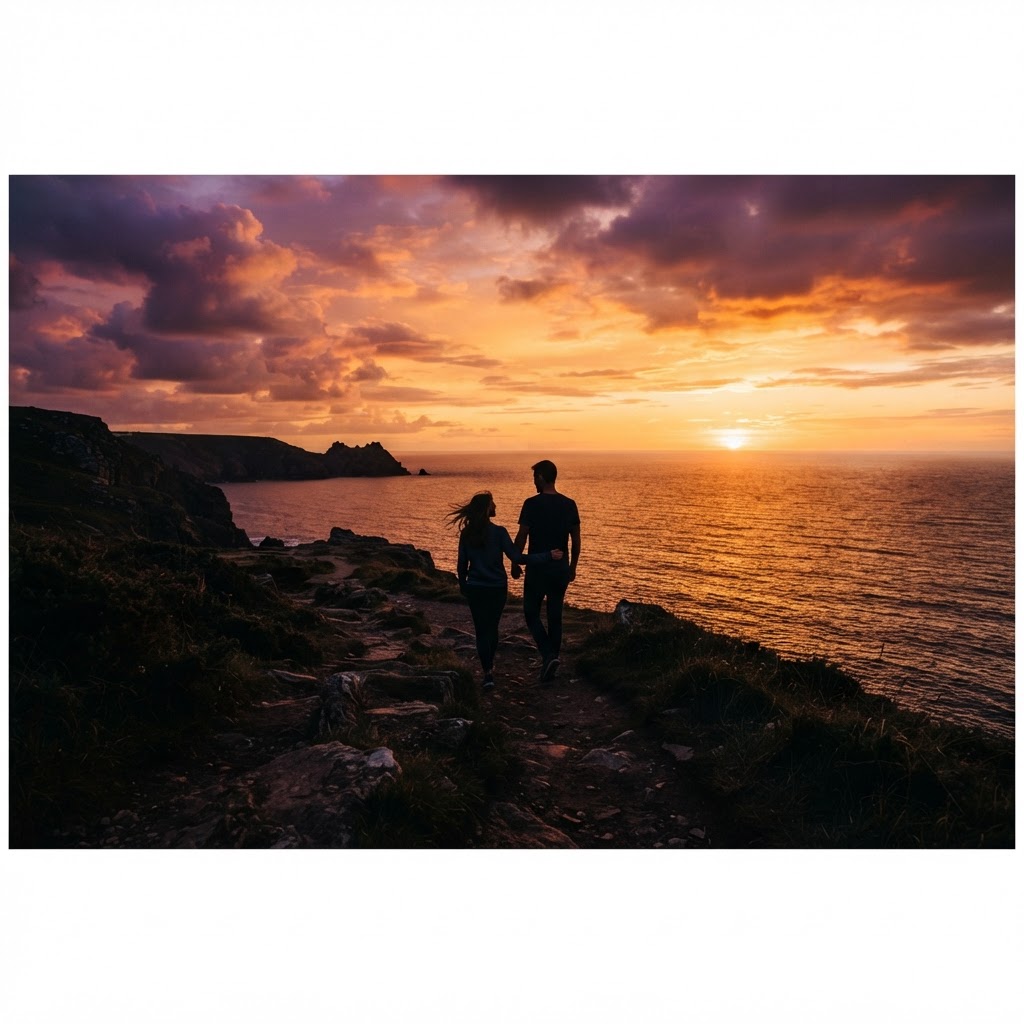
Whether you are hiking through protected wetlands or traversing the northern clifftops, these landscapes encourage mindfulness. Take time to sit by the water for at least 30 minutes to observe the tidal changes; this practice is not just leisure, it is an essential part of the slow travel philosophy. By observing the natural ecosystem, you cultivate a sense of place that reminds you of your role as a temporary guest in a fragile, ancient, and beautiful environment.
Practical Tips for Your Slow Travel Journey
Maximizing your slow travel experience requires strategic planning that prioritizes low-density windows and local transit systems. Aim to visit during the shoulder seasons—specifically late April to early June or late September to October—when weather remains pleasant (usually 20°C – 25°C) and tourist density drops by approximately 60% compared to August.
Packing for the Coastal Lifestyle
Pack light with a focus on breathable natural fabrics like linen and cotton, which handle the coastal humidity better than synthetic alternatives. Bring a maximum of one carry-on bag to facilitate using regional train networks, which are often more reliable and scenic than driving. Most importantly, carry a physical journal; the best memories of your trip will occur during unstructured time, such as when you stumble upon a local square for a mid-morning coffee or a quiet, unplanned hike at sunset.
FAQ
Which months are best to avoid crowds in Spanish coastal towns?
Visit in May or October to avoid the peak crowds of July and August. These months offer mild temperatures, fully operational local services, and a significant reduction in accommodation prices compared to the high-season summer rates.
How does the Spanish ‘Siesta’ affect my travel planning?
Expect most local shops and businesses to close between 2:00 PM and 5:00 PM for the siesta. Plan your sightseeing or shopping during the morning or evening hours and use the early afternoon for resting or dining at a traditional restaurant.
Is it necessary to rent a car for a slow travel trip?
While cars provide freedom, many Spanish coastal regions are well-connected by RENFE train or local bus networks. Check the specific region’s transit map first; utilizing local trains often allows for a more relaxed and immersive journey between neighboring villages.
How can I participate in the ‘Paseo’ without feeling like an intruder?
The paseo is a public, social event, so your presence is welcomed if you are respectful. Simply walk at a moderate pace, observe local families, and smile or offer a polite “Buenas tardes” if you make eye contact with fellow walkers.
What should I prioritize when packing for a coastal trip?
Prioritize natural fibers like linen and comfortable walking shoes. Since you are staying in one place longer, you can do laundry locally, so pack for one week regardless of your total trip length to keep your travel footprint light.
Leave a Reply