
Lofoten Cabins That Look Like a Painting: A Traveler’s Guide
Lofoten cabins, historically known as Rorbuer, are iconic red or yellow fisherman’s shacks converted into luxury guest accommodations perched on wooden stilts over the Arctic sea. These structures offer a unique blend of authentic 19th-century maritime heritage and modern comfort, set against the backdrop of Norway’s most dramatic, snow-dusted jagged mountain peaks.
The History Behind the Iconic Rorbuer
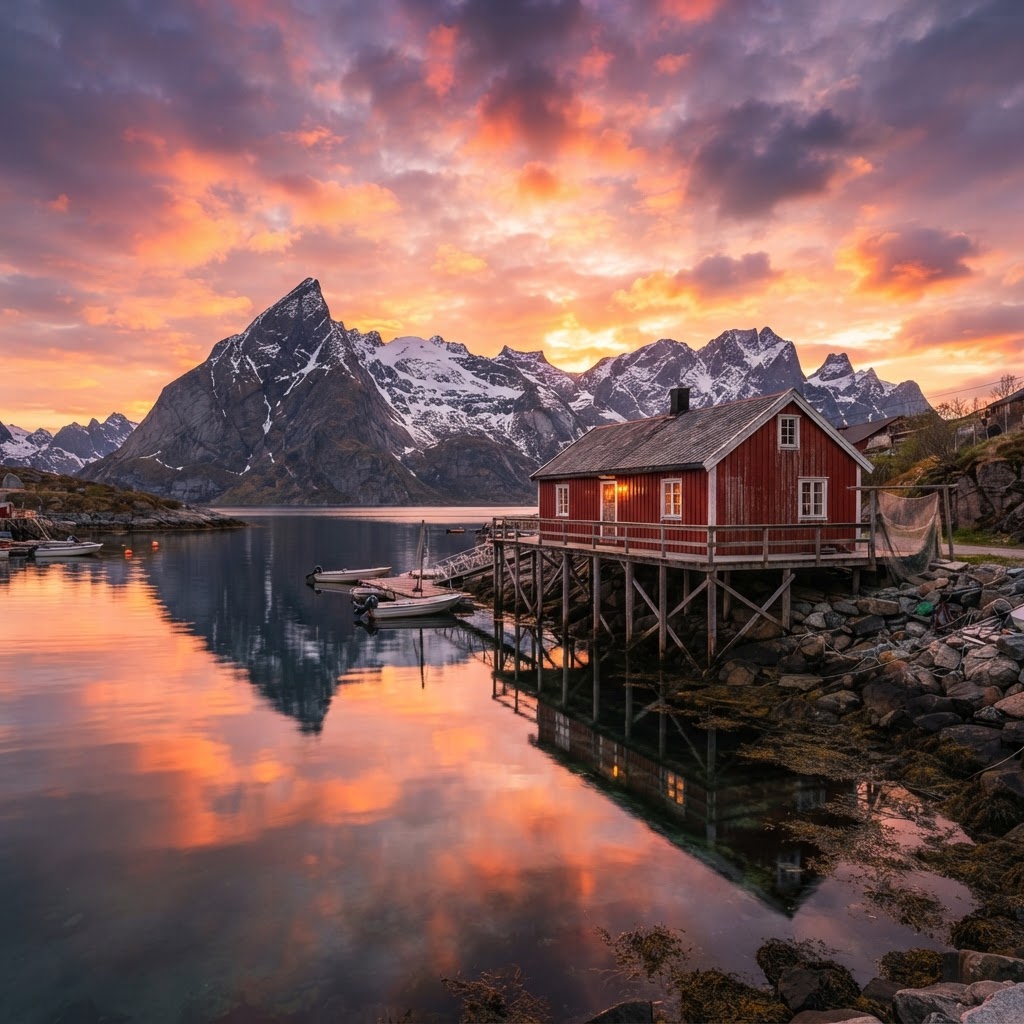
The Rorbu is a traditional, specialized Norwegian cabin originally constructed to house fishermen during the lucrative Lofoten winter cod season, which peaks between January and April. These structures were built on sturdy wooden pilings, allowing the living quarters to extend directly over the water, providing immediate access to fishing vessels and reducing travel time. The signature red color was historically chosen because it was the cheapest paint available, derived from fish oil and ochre pigments. Today, these cabins serve as a living link to the archipelago’s fishing past, having been repurposed into high-end accommodation that retains the authentic “rorbu” charm. Modern restoration efforts strictly maintain the original exterior silhouette while upgrading the insulation and interior living spaces to accommodate year-round visitors. By staying in a restored Rorbu, you are essentially residing in a protected cultural site, as many villages like Nusfjord are classified as open-air museums. These structures endure the harsh salt-spray of the Norwegian Sea, requiring constant maintenance that preserves the aesthetic integrity of the coastal landscape for future generations.
Why Architecture Matters in the Arctic
The construction of these cabins is a testament to resilience, utilizing low-profile designs to withstand wind speeds often exceeding 100 km/h. Architects designed the base to be hunkered down, ensuring the structure remains stable even during the most severe winter storms while creating an intimate, cozy interior volume. The walls are traditionally made from slow-growing Arctic pine, which acts as a superior thermal insulator compared to modern materials, keeping the indoor environment comfortable even when external temperatures plummet below freezing. This specific architectural approach maximizes the “hygge” experience, allowing travelers to feel safely enclosed while viewing the volatile, breathtaking Arctic weather patterns from behind thick, double-glazed windows.
Choosing the Perfect Cabin Location
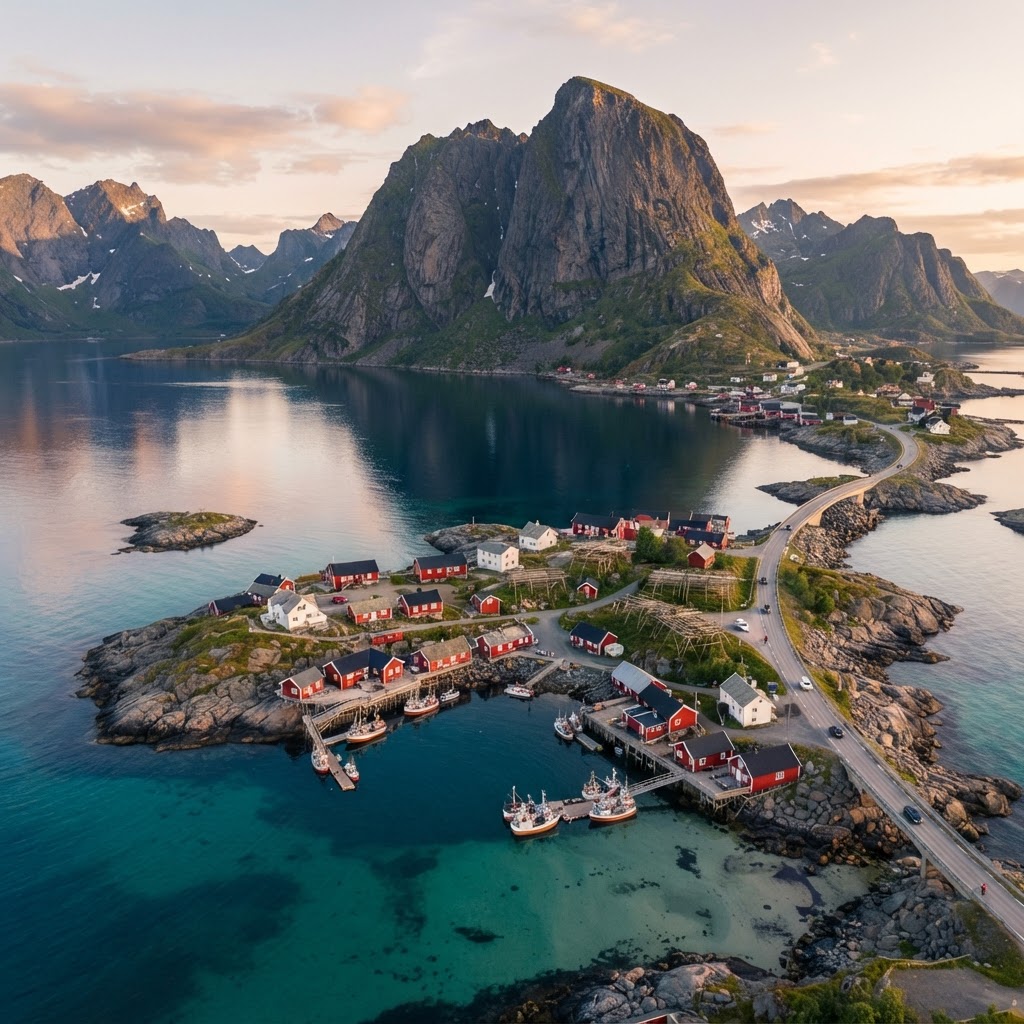
Selecting the right village in the Lofoten archipelago depends on your personal travel goals, as each location offers distinct geographic and aesthetic advantages. Reine and Hamnøy are globally recognized for their iconic, dramatic mountain-to-sea profiles, making them ideal for photographers seeking the “perfect” postcard shot. In contrast, staying in towns like Svolvær offers a more urbanized experience with access to grocery stores, restaurants, and whale-watching tours, whereas southern villages like Å provide a quieter, more solitary experience at the end of the E10 highway. Travelers should consider proximity to major attractions; for instance, the famous Kvalvika Beach is best accessed from the southern regions. Utilizing the table below can help determine which village best fits your logistical and visual requirements for your stay.
Modern Amenities in Traditional Settings
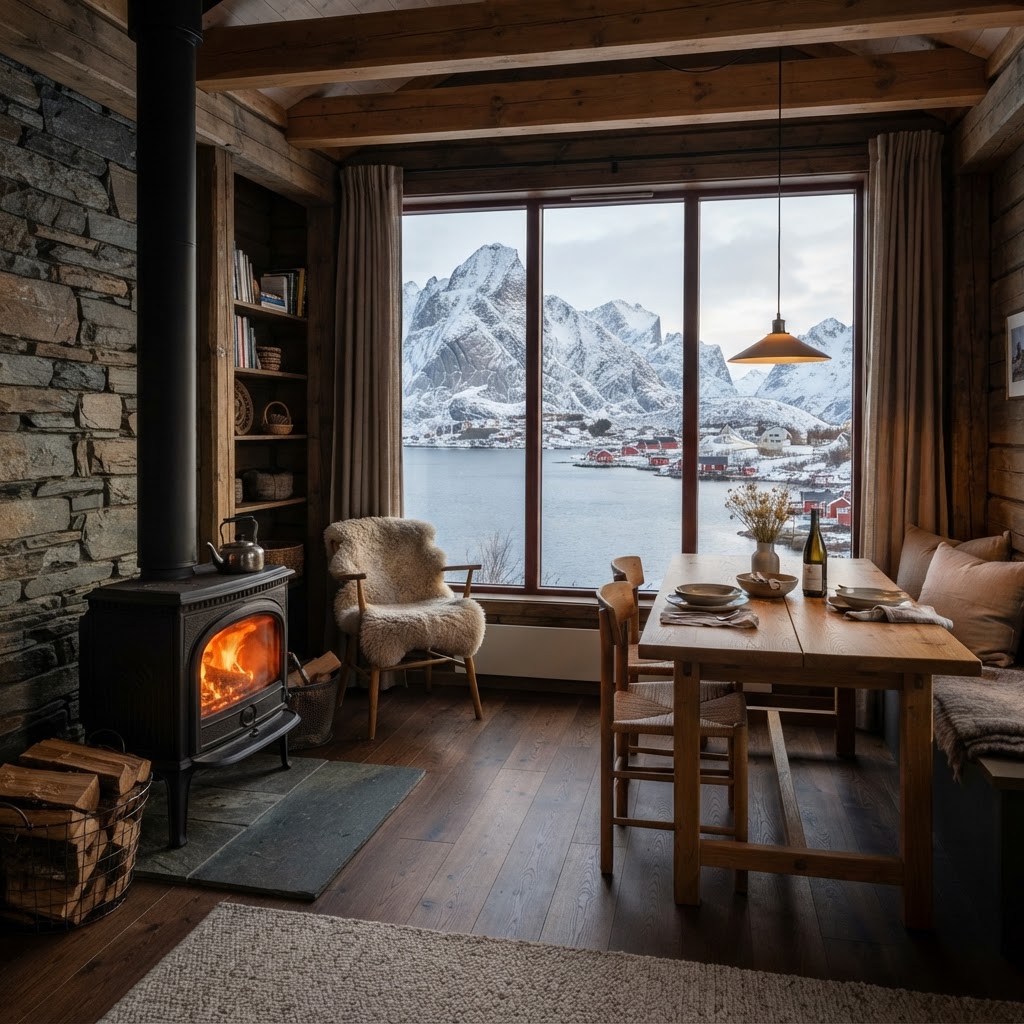
While the exterior of your cabin may look like something out of the 19th century, the interiors have evolved to meet contemporary needs. Many of the most sought-after Lofoten cabins that look like a painting now feature high-speed internet, modern kitchen appliances, and designer bathrooms. This marriage of old-world charm and modern convenience is exactly what makes these rentals so popular among international travelers.
What to Expect During Your Stay
Most high-quality cabin rentals provide a full kitchen, which is crucial in Norway. Eating out every night can be quite expensive, and having the ability to cook fresh, local seafood you bought at the pier is a quintessential part of the experience. Imagine preparing a warm meal while watching the Northern Lights dance across the sky through your panoramic window.
Capturing the Beauty: A Photographer’s Perspective
The primary reason people search for Lofoten cabins is the sheer visual potential. If you are an amateur or professional photographer, these cabins serve as the perfect focal point for your compositions. The contrast between the saturated red paint of the wood and the deep blue of the ocean or the stark white of the snow is a dream for any artist.
To capture the best shots, focus on the golden hour. In the summer, the midnight sun creates a soft, warm glow that lasts for hours, while in the winter, the low angle of the sun casts long, dramatic shadows. Don’t be afraid to experiment with long exposures to capture the movement of the clouds or the gentle motion of the boats tied to the docks.
When to Visit for the Best Views
Determining the ideal time to visit depends heavily on whether you prioritize the endless light of the summer or the elusive, vibrant displays of the Aurora Borealis in the winter. Summer visits provide 24-hour daylight, which is essential for hiking the Reinebringen trail or exploring the beaches like Haukland, while the winter months turn the cabins into cozy, isolated refuges for Northern Lights hunters.
The Midnight Sun (June to August)
The summer months are perfect for those who want to hike, fish, and explore under the endless glow of the midnight sun. The temperatures are mild, the grass is vibrant green, and the fjords are crystal clear. This is the best time for social activities and late-night cabin gatherings.
The Northern Lights (September to March)
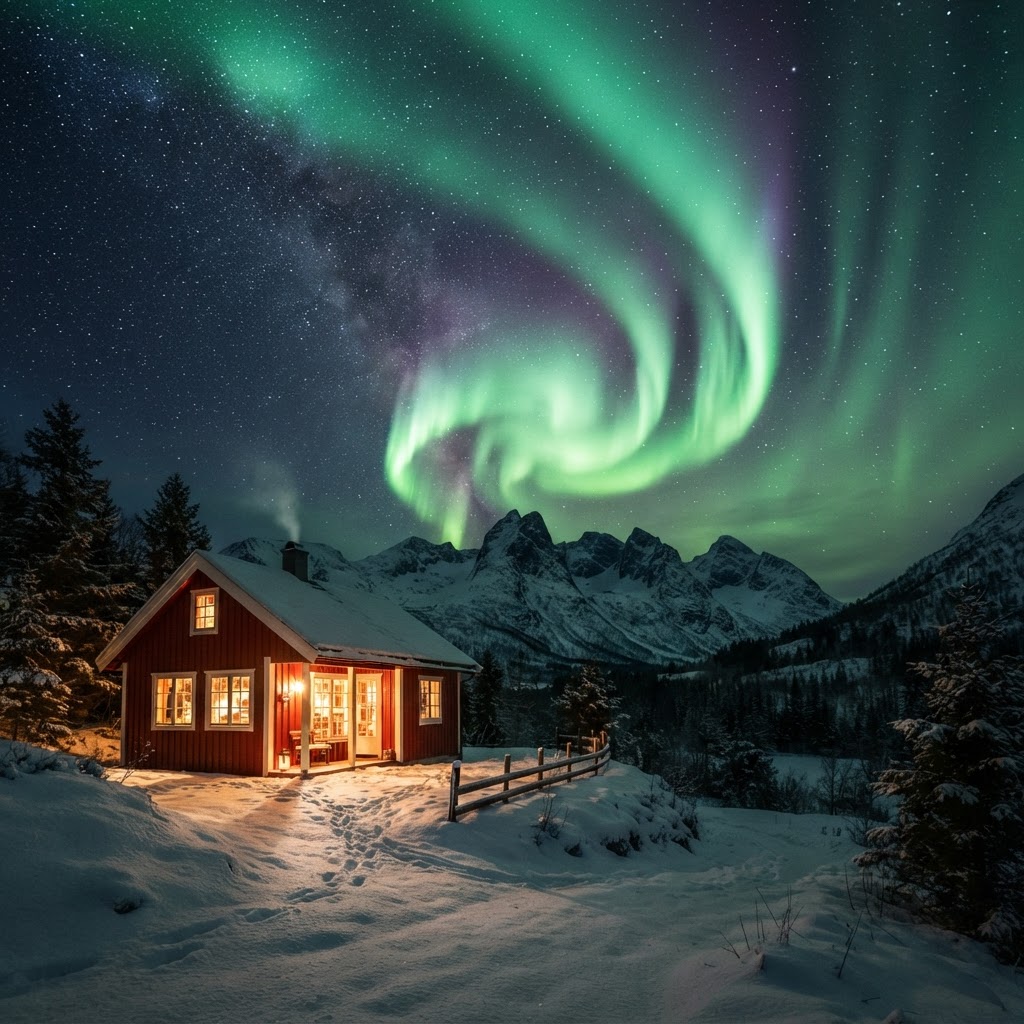
If you want the quintessential “Arctic painting” experience, visit during the autumn or winter. Watching the Aurora Borealis from your cabin deck is a life-changing event. The dark nights provide the perfect backdrop for the sky to light up in greens, purples, and pinks. Just ensure your cabin has a good view of the northern sky.
Essential Tips for Booking Your Stay
Because the most desirable cabins are often booked out months or even years in advance, planning ahead is mandatory. Many of the authentic Rorbuer are managed by local cooperatives, which ensure the funds go back into the maintenance of the village. Always try to book directly through the provider rather than third-party sites if possible.
Also, consider the logistics. Renting a car is almost essential to explore the archipelago properly. While there are buses, they won’t give you the freedom to chase the light or pull over at every stunning viewpoint along the E10 highway. Pack layers, as the weather in the Arctic can shift from sunshine to hail in a matter of minutes.
Sustainability and Responsible Tourism
As you enjoy these stunning locations, remember that you are a guest in a fragile ecosystem. Norway takes its environmental regulations seriously. Always dispose of trash correctly, avoid walking on protected flora, and respect the privacy of the local fishing communities who still work in these villages. Supporting locally-owned cabin businesses is the best way to ensure these beautiful heritage sites are preserved for future generations.
FAQ
Q: What is a Rorbu cabin?
A Rorbu is a traditional Norwegian seasonal fishing hut, typically painted red, built on stilts over the water. Originally used by fishermen during the cod fishing season, they are now popular, historically significant vacation rentals across the Lofoten Islands.
Q: Is it expensive to stay in a Lofoten cabin?
Yes, staying in a Lofoten cabin is generally expensive, with prices typically ranging from $200 to over $500 per night depending on the season and luxury level. Booking well in advance or visiting during the shoulder season can sometimes yield more competitive pricing.
Q: Do I need a rental car to visit the Lofoten cabins?
Yes, renting a car is highly recommended as public transport in the archipelago is limited and infrequent. Having a vehicle provides the necessary flexibility to reach remote villages and scenic photography viewpoints along the E10 highway at your own pace.
Q: What is the best month to see the Northern Lights in Lofoten?
The best months to see the Northern Lights in Lofoten are from late September to late March. During this period, the nights are dark enough to allow the Aurora Borealis to be clearly visible against the Arctic sky.
Q: Are the cabins heated during the winter?
Yes, all modernly restored Rorbuer are fully winterized with efficient heating systems, often including electric radiators or wood-burning stoves. They are designed to be warm and comfortable even when outside temperatures drop well below freezing.
Practical Logistics for Your Lofoten Escape
When to Book and When to Visit
Avoid the crowded peak of mid-July unless you enjoy tour buses blocking your view. Instead, target late September for the best compromise between accessible roads and the chance to see the Northern Lights. If your primary goal is midnight sun photography, aim for June, but be prepared for high prices and limited availability.
Book your cabin at least six to eight months in advance. The best-positioned units in Hamnøy often sell out a year ahead of time. Use sites like Booking.com for efficiency, but always cross-check directly on the hotel’s own website for better cancellation policies or loyalty perks.
Getting Around the Archipelago
Renting a car is non-negotiable for a genuine experience. Public transport exists, but it limits you to main roads and infrequent bus schedules. A small economy car is perfectly adequate for the E10 highway, which is well-maintained even in winter. Just remember that parking at major viewpoints like Reinebringen requires payment via apps like EasyPark, so keep your phone charged and your data plan active.
Common Pitfalls to Avoid
- Ignoring the grocery reality: Restaurants are expensive and often close early. Buy your provisions in larger towns like Leknes or Svolvær before driving to remote cabins.
- Underestimating the weather: Even in summer, pack high-quality waterproof layers and sturdy hiking boots. The wind can change from calm to gale-force in fifteen minutes.
- Chasing every sunrise: You will burn out quickly. Pick one or two locations to explore deeply rather than driving the entire length of the archipelago in a single day.
Budgeting for Your Arctic Stay
Expect to pay between $200 and $450 USD per night for a well-maintained waterfront rorbu. Budget an additional $60 per person per day for food if you plan to eat out occasionally and shop at local supermarkets. Alcohol is exceptionally expensive in Norway, so if you enjoy a glass of wine with dinner, buy it at the tax-free shop in the airport upon arrival.
Essential Traveler Checklist
- Download offline maps for the entire region to combat spotty cell service.
- Bring a portable power bank, as cold temperatures drain smartphone batteries significantly faster.
- Carry a physical credit card with a chip and PIN; some smaller, independent gas stations do not accept mobile wallets.
- Pack a high-quality eye mask for sleeping during the midnight sun period.
Frequently Asked Questions
Do I really need a rental car to enjoy these cabins?
Yes. While you can reach major villages by bus, the best viewpoints and secluded trailheads are inaccessible without a vehicle. You will spend your entire trip waiting for schedules rather than exploring the dramatic coastline.
Are these cabins cold at night?
Not at all. Most restored cabins feature modern electric heating or wood-burning stoves. You will likely find yourself opening a window to cool down the room after the heaters have been running for a few hours. Always pack slippers, however, as the wooden floorboards can be chilly in the morning.
Can I hike directly from my cabin door?
In many villages, yes. Paths to local peaks are often marked nearby. Always check the local trail status signs before heading out, as conditions can change rapidly and trails may be closed due to erosion or extreme weather risks.
Leave a Reply