Is Berlin Overrated? I Spent a Week to Find Out
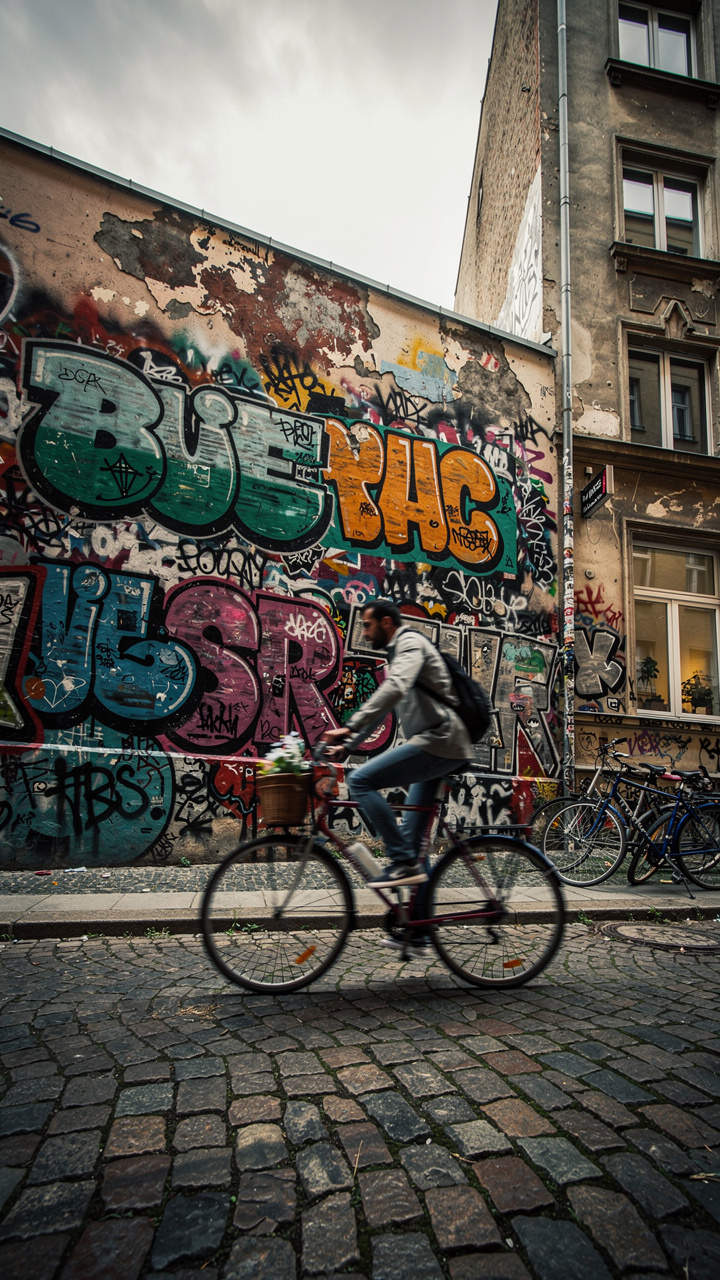
Berlin is not overrated; it is a misunderstood, gritty urban center that trades traditional European elegance for historical depth and a raw, subcultural edge. While tourists expecting the pristine aesthetic of Paris or Munich often leave disappointed, those who embrace the city’s unfinished landscape discover a dynamic capital defined by its relentless creativity.
How to Actually Experience Berlin Without the Tourist Traps
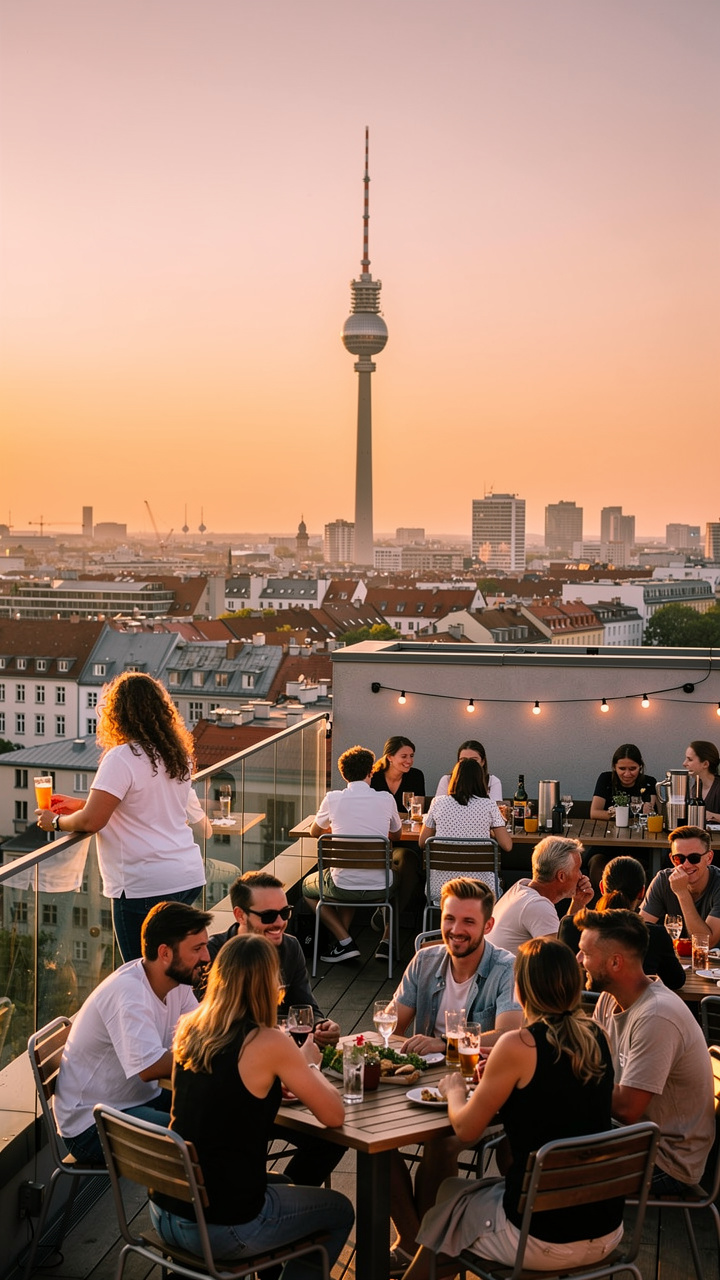
Most travelers waste their first two days navigating the overcrowded, sterile tourist corridors of Checkpoint Charlie and the Brandenburg Gate. While historically significant, these locations offer little insight into the living, breathing city that locals actually inhabit. To experience the authentic Berlin, head to residential hubs like Wedding or Neukölln, where multicultural street markets and affordable, non-touristy eateries provide a genuine glimpse into modern urban life. Instead of waiting hours for standard observation decks, visit Klunkerkranich, a repurposed parking garage in Neukölln. This vibrant rooftop bar offers the city’s best panoramic skyline views for approximately 5 Euros—the price of a local beer—providing a far more immersive atmosphere than the overpriced tourist traps in Mitte. For those seeking historical depth, bypass the crowded museums and book a tour with the Berlin Underworlds Association. They offer expert-led explorations of Cold War bunkers and forgotten tunnel systems, delivering an impact that exceeds any static museum placard. By avoiding the typical “postcard” path, you gain access to the real Berlin, which is built on community-driven spaces rather than mass-market attractions.
Common Mistakes Visitors Make When Planning a Trip
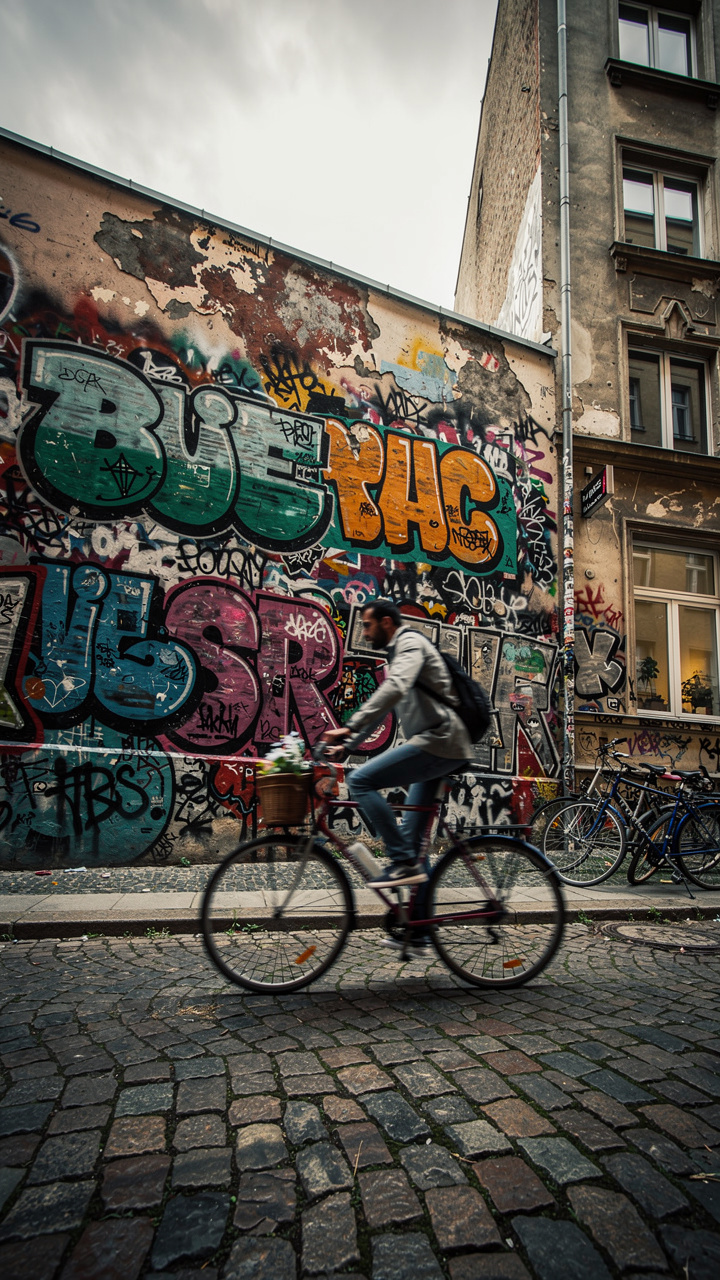
Success in Berlin depends on strategic planning, as the city is vast and demands a focused approach to avoid exhaustion. Many visitors attempt to traverse five distinct neighborhoods in a single day, leading to logistical burnout; instead, dedicate at least one full day to a single district, such as Kreuzberg, to fully appreciate its unique street art, independent galleries, and rich culinary scene. A critical tactical error is relying exclusively on digital payments, as Berlin remains a city that runs on cash. You will frequently encounter “Cash Only” signs at independent cafes, local kiosks, and bars; always carry at least 50 Euros in a mix of coins and small bills to avoid the frustration of hunting for an ATM mid-transaction. Additionally, if you plan to visit the city’s legendary nightlife, adjust your attire accordingly. Bouncers at world-famous clubs like Berghain or Tresor value an authentic, understated aesthetic; avoid flashy designer brands and opt for comfortable, dark clothing to increase your chances of admission. Finally, master the public transport etiquette: prioritize efficiency, stand clear of the bike lanes, and understand that Berlin’s transit system is extensive but operates best when you allow ample travel time between your selected neighborhood hubs.
Berlin Trip Planning: Key Comparisons
The Myth of the Unfriendly Berliner
Contrary to the persistent stereotype that Berliners are rude, the local “coldness” is actually a cultural preference for efficiency and direct communication. Berliners are famously busy and prioritize functionality, particularly in public spaces; standing in a cycle lane while checking your phone is considered a major social error, as it disrupts the flow of a fast-moving city. When interacting with locals, recognize that their bluntness is not a personal insult but a form of sincerity that avoids unnecessary social fluff. You will find that residents are incredibly helpful if you make a genuine effort to engage. A polite “Entschuldigung” (Excuse me) or a basic “Danke” goes a long way in breaking the ice. While most service workers speak excellent English, acknowledging the local culture by using basic German phrases fundamentally changes the quality of your interactions. Treat the city’s social norms as a “direct access” system rather than a barrier, and you will find Berlin to be an remarkably open and welcoming place for those who respect its internal rhythm.
Real-World Example:
The Sunday Flea Market Strategy Every visitor hears about the Mauerpark flea market on Sundays. It is chaotic, loud, and can easily overwhelm someone looking for a quiet morning. If you go, arrive by 9:00 AM to browse the stalls before the massive crowds show up.
After 1:00 PM, it becomes a claustrophobic mess of tourists and street performers. If you want a more authentic experience, try the flea market at Boxhagener Platz instead. It is smaller, neighborhood-focused, and filled with local treasures rather than cheap souvenirs.
You can buy anything from vintage furniture to handmade jewelry from local artisans. It is a great way to spend a Sunday morning like a resident rather than a spectator.
FAQ
Is Berlin safe for solo travelers?
Yes, Berlin is highly safe for solo travelers, provided you practice standard urban vigilance. Maintain awareness of your surroundings in high-traffic tourist areas like Alexanderplatz, where pickpockets may target distracted visitors, and avoid unlit or isolated areas in the outskirts during late-night hours.
When is the best time to visit?
The ideal window for visiting Berlin is between May and September, which offers pleasant weather for outdoor markets, canal-side lounging, and open-air events. While winter is significantly colder and grey, it provides a unique opportunity to explore the city’s world-class indoor art scene, cozy cafes, and museums without the summer peak-season crowds.
Do I need to learn German to visit?
Fluency in German is not required, as English is widely spoken in the service industry and hospitality sectors. However, learning basic polite phrases such as “Guten Tag” or “Entschuldigung” is highly recommended, as it demonstrates respect and fosters more positive interactions with local residents.
How much cash should I carry daily?
Always carry at least 50 Euros in a mix of small bills and coins to manage daily expenses. Many independent cafes, local kiosks, and smaller boutiques continue to operate on a “cash-only” basis, so having physical currency ensures you won’t be inconvenienced during your trip.
How should I dress for Berlin nightlife?
For Berlin’s famous techno clubs, adopt a “less is more” approach by wearing comfortable, dark, and nondescript clothing. Avoid flashy designer labels or “clubbing” attire, as bouncers generally favor patrons who appear to be part of the local scene and value an authentic, minimalist style.
Leave a Reply