
Where the mountains meet the sea, you will find dramatic geological landforms known as orogenic belts where tectonic subduction or glacial erosion creates sharp, vertical cliffs that drop directly into oceanic waters. These regions, such as Norway’s fjords and Canada’s Coast Mountains, are characterized by high-altitude ecosystems and unique microclimates.
The Geological Magic of Coastal Mountains
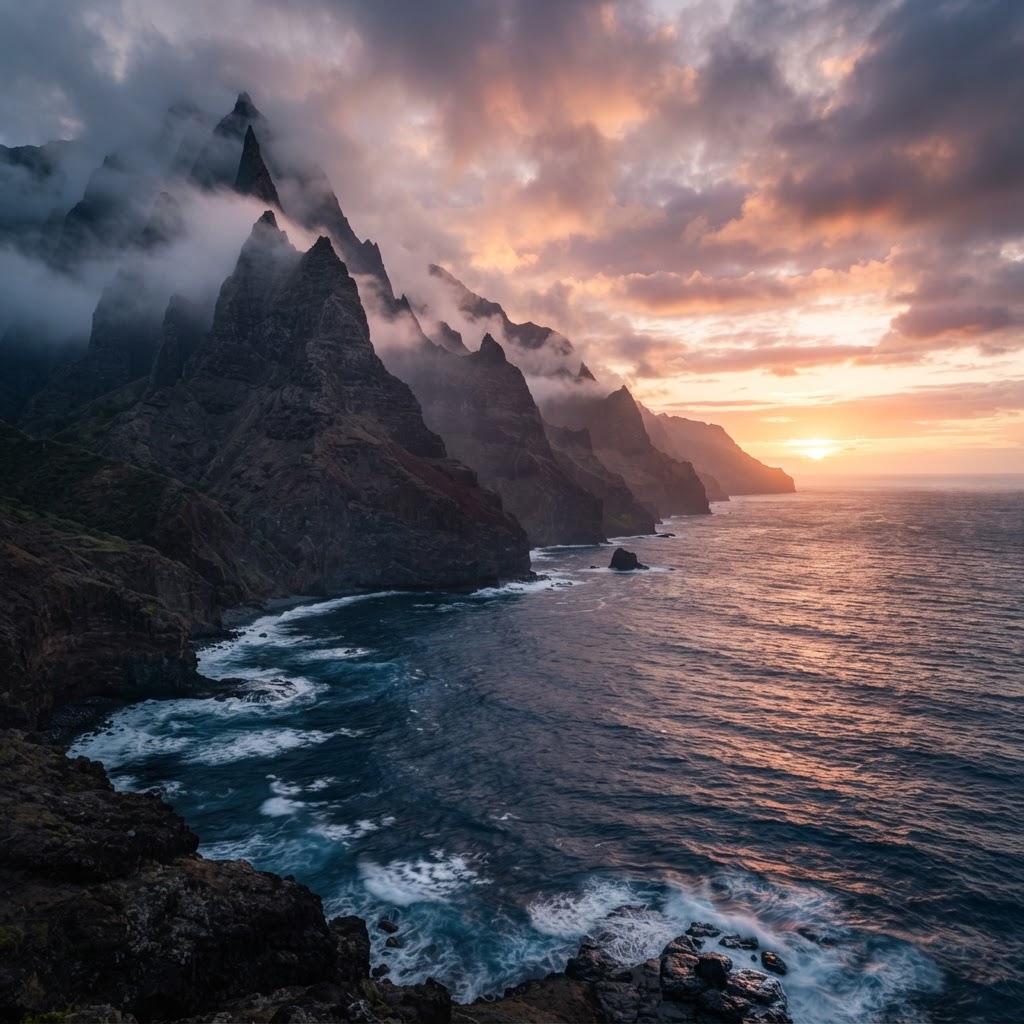
Coastal mountains are primarily formed through intense tectonic activity or extreme glacial sculpting, resulting in landforms that possess extreme vertical relief. When an oceanic plate slides beneath a continental plate, the process of subduction forces lighter crustal rock upward, creating coastal ranges that can reach elevations over 10,000 feet within just a few miles of the shoreline. This creates a vertical topography where granite monoliths and volcanic peaks rise abruptly from the sea. In colder regions, historical glaciation played a critical role; as massive ice sheets retreated, they carved deep U-shaped valleys known as fjords. These valleys were subsequently flooded by rising sea levels, creating the deep, icy waterways synonymous with the Norwegian and Alaskan coastlines. Scientists note that these geological structures are some of the most dynamic environments on Earth, constantly being reshaped by the abrasive, rhythmic force of tidal erosion and mountain weathering.
Tectonic Collisions
Most iconic coastal mountains are products of subduction zones. When an oceanic plate slides beneath a continental one, it forces the lighter rock upward, creating coastal ranges that can reach thousands of feet in height within just a few miles of the shoreline. This creates a vertical topography that is as unforgiving as it is magnificent.
The Sculpting of Glaciers
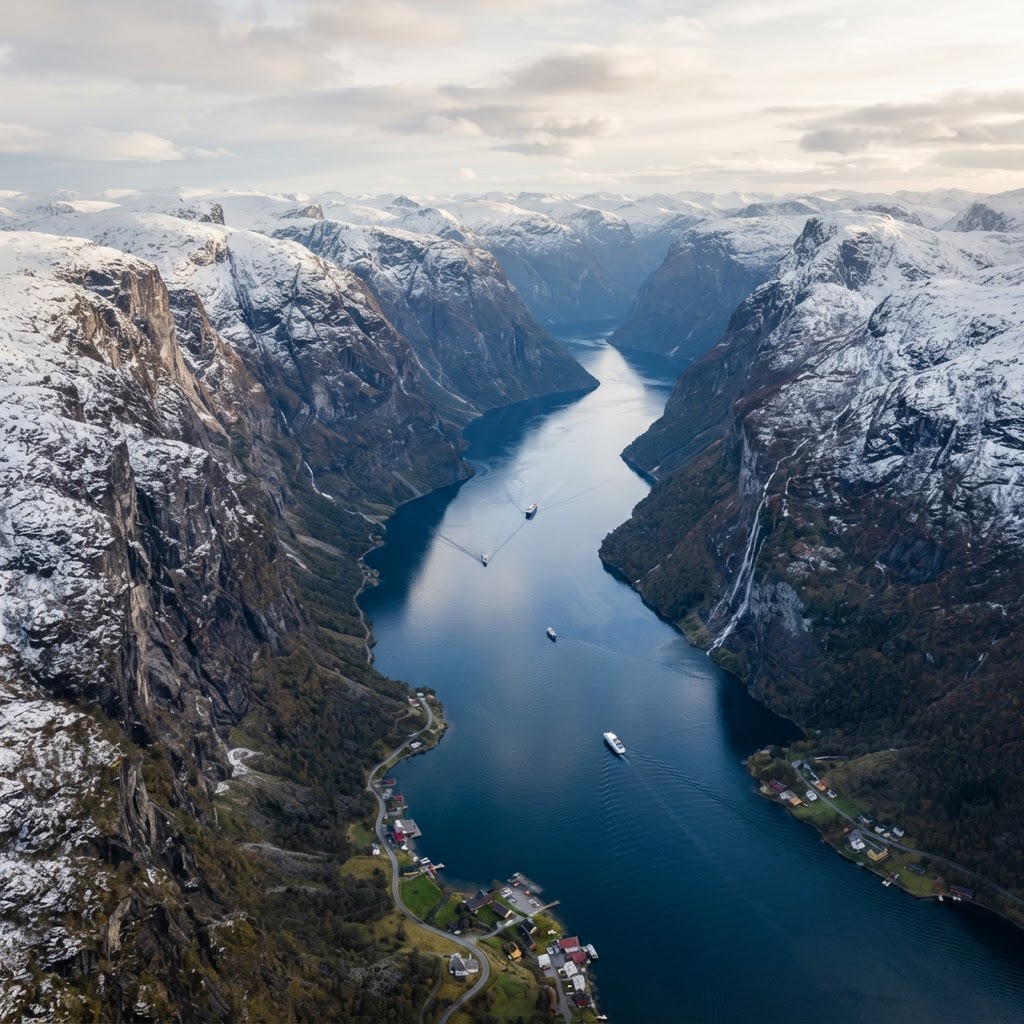
In colder latitudes, glaciers have played a massive role in shaping the coast. As ice sheets retreated toward the ocean, they carved U-shaped valleys that were eventually flooded by the rising sea. This gives us the classic image of the Norwegian fjords or the Alaskan coastline, where granite walls drop thousands of feet straight into icy, deep-water channels.
Iconic Destinations Around the World
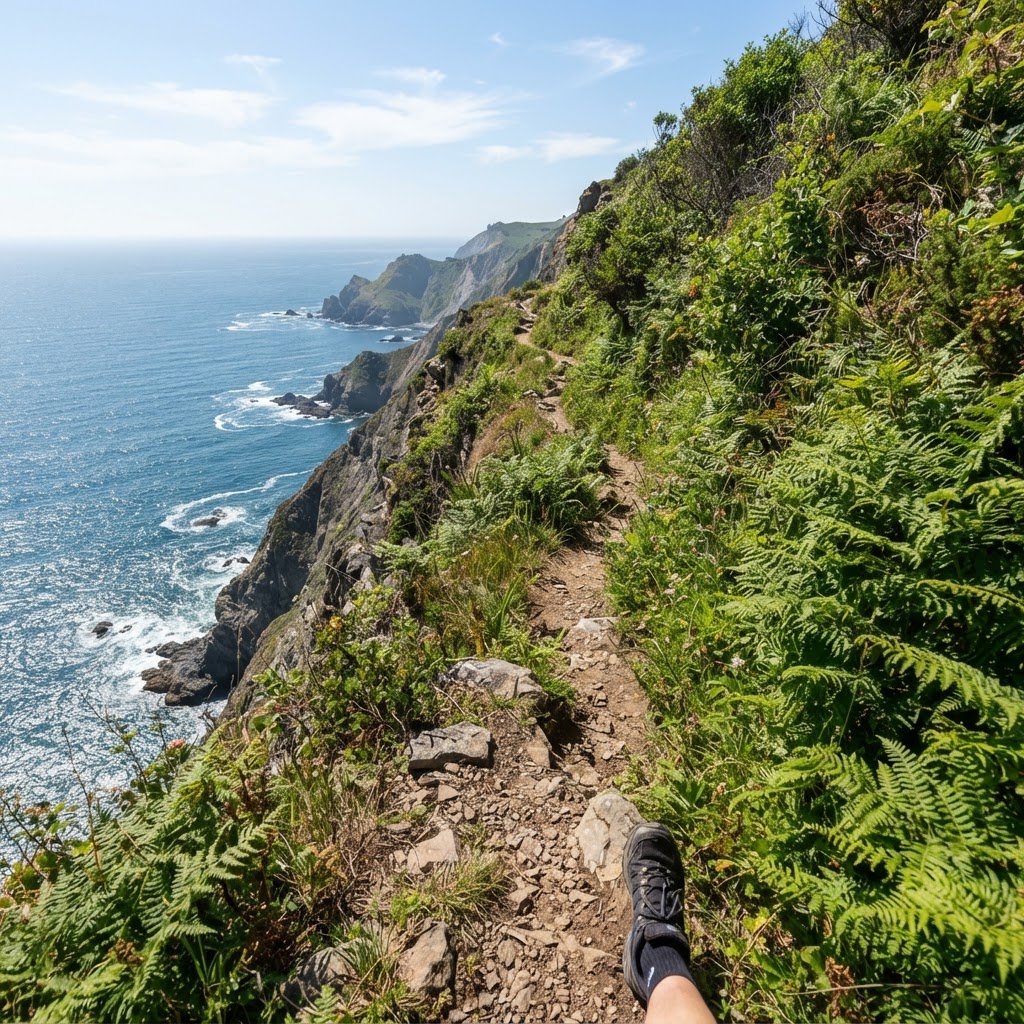
Selecting a destination where mountains meet the sea depends on your preference for climate, ranging from sub-arctic fjords to sun-drenched Mediterranean cliffs. Norway is globally recognized for its deep fjords and precipitous waterfalls, while Italy’s Amalfi Coast offers a more temperate, cultural experience. Canada’s Coast Mountains are preferred by those seeking rugged, temperate rainforest trails with high elevation gains. Comparing these regions requires understanding the distinct environmental conditions and accessibility levels for travelers interested in exploration or photography.
Norway’s Fjord Country
Norway is arguably the global standard for coastal mountain beauty. The Geirangerfjord and Nærøyfjord areas feature waterfalls that cascade from snow-capped summits into deep blue waters, offering a landscape that feels almost prehistoric.
The Amalfi Coast, Italy
For those who prefer a mediterranean climate, the Amalfi Coast provides a stunning contrast. Here, the Lattari Mountains fall steeply into the Tyrrhenian Sea, with colorful villages built directly into the cliff faces, proving that human settlements can thrive in even the most dramatic vertical terrain.
The Coast Mountains of British Columbia, Canada
Stretching from the Alaska panhandle down into Washington State, these mountains are characterized by their ruggedness, density of forest, and proximity to the Pacific Ocean. Trails like the Stawamus Chief offer hikers a dizzying view of the Howe Sound, where the mountains seem to plunge directly into the ocean depths.
Biodiversity in Vertical Ecosystems
Regions where mountains meet the sea host incredible biodiversity due to a phenomenon called altitudinal zonation, which compresses multiple climate zones into a small footprint. Within a few miles, an area can transition from a coastal maritime climate, which is mild and humid, to an alpine tundra characterized by extreme winds and temperatures. This rapid environmental gradient requires flora and fauna to adapt quickly, resulting in high levels of endemism where certain species are found only in these specific coastal mountain fringes. Furthermore, the nutrient-rich runoff from mountain streams flows directly into the ocean, fueling highly productive marine ecosystems. These estuaries and tidal zones support complex food webs, from salmon spawning runs in mountain creeks to coastal predators like grizzly bears and diverse intertidal invertebrates such as sea stars and anemones.
The Influence of Altitudinal Zonation
Within just a few miles, you can move from a coastal maritime climate—characterized by mild temperatures and high moisture—to an alpine tundra environment. This rapid change in altitude means that plants and animals have to adapt quickly to different conditions, leading to high levels of endemism in many of these coastal ranges.
The Marine Connection
It is not just about the land. The nutrient-rich runoff from these mountains often flows into the sea, feeding the coastal ecosystems. The intersection of mountain streams and ocean bays creates tidal zones that are incredibly productive, supporting everything from salmon runs to coastal grizzly bear populations and diverse intertidal life like starfish and anemones.
Planning Your Coastal Mountain Adventure
Visiting coastal mountains requires meticulous preparation because the proximity of the ocean and high-relief terrain creates volatile, unpredictable microclimates. Hikers and travelers should prioritize safety by monitoring marine forecasts, which are often more accurate for these regions than standard inland weather apps. The following gear is essential for mitigating risks associated with rapid weather shifts, such as sudden fog or temperature drops of 10-15 degrees Fahrenheit in minutes. Beyond clothing and navigation, hikers should prepare for significant energy expenditure due to the vertical nature of the terrain, where elevation gain often exceeds 2,000 feet per trip. Travelers should also research local conservation regulations and specific permit requirements, which can change seasonally in protected areas like the Dolomites or Pacific Northwest parks.
Weather Considerations
Coastal mountains are often the first points of contact for storms coming off the ocean. Expect sudden fog, rain, and rapid temperature shifts. Always check local meteorological reports for “marine forecasts” in addition to standard mountain weather, as the combination of high-pressure peaks and low-pressure ocean winds creates microclimates that standard apps often miss.
Essential Gear Checklist
- Sturdy hiking boots with ankle support for steep, rocky terrain.
- Moisture-wicking base layers to manage the constant humidity.
- A high-quality shell jacket that is both waterproof and breathable.
- Detailed topographical maps, as GPS signals can be spotty in deep canyons.
- High-calorie snacks and ample water, as vertical climbs are more demanding than flat trails.
The Photography of Vertical Landscapes
Capturing the sheer scale of coastal mountains requires a thoughtful approach to composition, as the grandiosity of these landscapes often appears flattened in two-dimensional images. The most effective technique is to include a point of reference—such as a person, a boat, or a distinct rock structure—to illustrate the vastness of the cliffs or mountain faces. Professional photographers recommend utilizing the “golden hour” during sunrise or sunset, when the sun is at a low angle. This creates dramatic side-lighting that highlights the texture, ridges, and complex valleys of the mountain terrain while casting vibrant, reflective light onto the water. Additionally, mornings are ideal for capturing low-hanging mist, which can add a sense of depth and mystery to the scene, bridging the gap between the dark, imposing mountain bases and the serene ocean surface.
Using Foreground Elements
Try to include a person, a boat, or a distinct rock formation in the foreground. This helps the viewer understand the sheer scale of the cliff or mountain behind it. Without a frame of reference, a massive mountain can often look like a small hill in a photograph.
Lighting the Landscape
Golden hour is critical. When the sun is low on the horizon, it rakes across the textures of the mountain faces, highlighting the ridges and valleys while the water reflects the vibrant colors of the sky. Early morning is also excellent for catching the low-hanging fog that often clings to the base of these mountains, adding a layer of mystery to your shots.
Conservation of Fragile Coastal Edges
These regions are sensitive to human impact. As tourism grows in places like the Dolomites or the Pacific Northwest, the foot traffic on trails and the pressure on local resources increase. It is essential to practice Leave No Trace principles when visiting.
FAQ
Q: Why do coastal mountains have such volatile weather?
Coastal mountains experience volatile weather because they act as a primary barrier to oceanic moisture, forcing air upward rapidly. This process, known as orographic lift, causes sudden cloud formation, fog, and precipitation that can change within minutes, unlike inland mountain ranges.
Q: What is the best season to hike in coastal mountain regions?
The best time to visit depends on the latitude, but generally, the summer months (June through September) offer the most stable conditions. In Mediterranean zones like the Amalfi Coast, spring and autumn are also ideal, while northern fjords are strictly best visited during peak summer.
Q: How can I photograph the scale of coastal peaks effectively?
You can capture the scale of coastal peaks by including a foreground subject, such as a person or a boat, to create a sense of proportion. Without a frame of reference, large features like massive cliff faces can appear small in two-dimensional images.
Q: Are coastal mountain hiking trails more difficult than inland trails?
Coastal mountain trails are often significantly more demanding because they frequently involve intense, consistent elevation gain over short horizontal distances. Furthermore, high humidity and unstable, rocky terrain caused by erosion often make these paths more physically and technically challenging than inland trails.
Leave a Reply