
Stepping into the narrow, winding streets of a historic Spanish town is akin to walking through the pages of a well-worn storybook. While the whitewashed walls and vibrant bougainvillea catch the eye, it is the Spanish doorways that truly anchor the soul of the region. These portals are far more than mere entry points; they are silent witnesses to centuries of cultural transformation, trade, and personal history. From the intricate ironwork of Seville to the rustic, sun-bleached wood of rural villages, each door serves as an architectural fingerprint of the people who reside behind them.
The Cultural Significance of the Spanish Portal
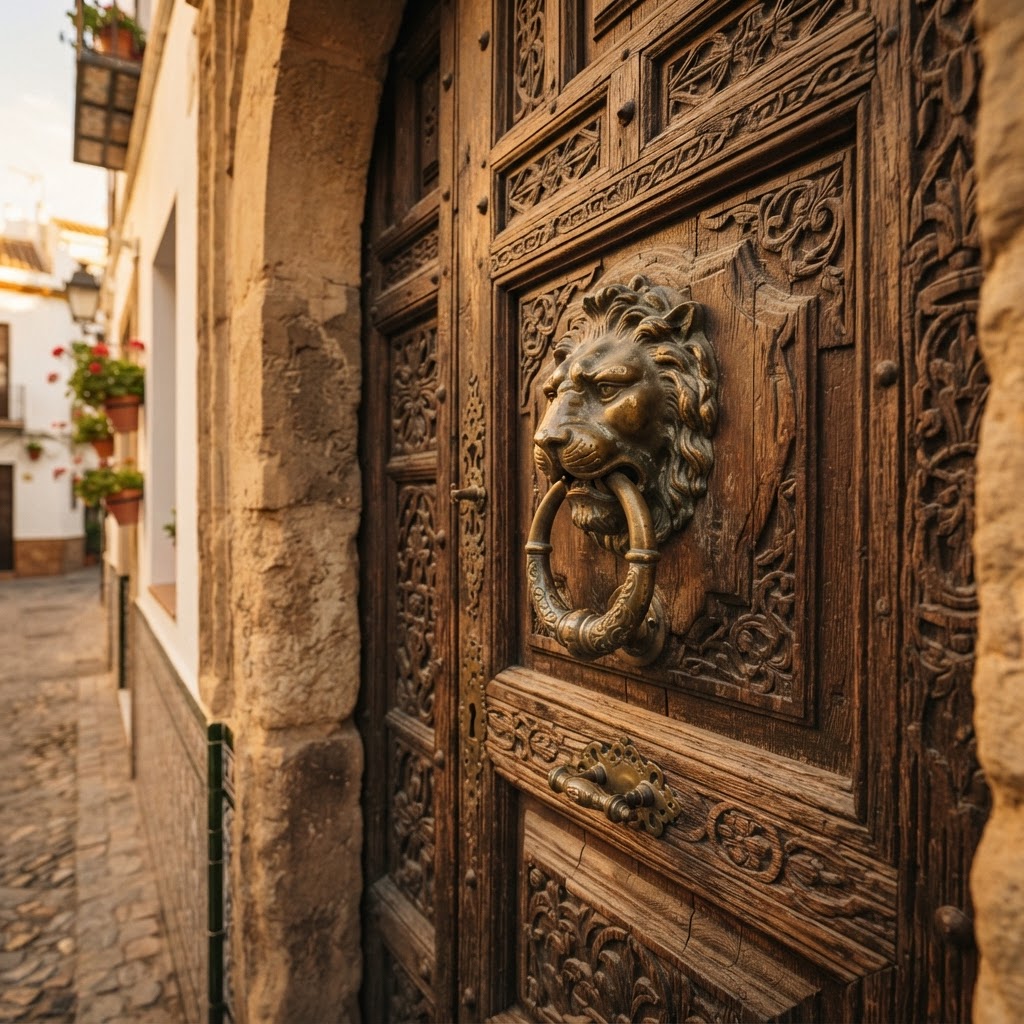
In many parts of Spain, the front door is considered the most sacred element of the home. It represents the transition between the bustling public sphere and the private sanctuary of the family. Historically, a home’s social status was often communicated through the quality and decorative complexity of its entrance. Elaborate carvings or bold colors were not just aesthetic choices; they were declarations of heritage and community standing.
Architectural Layers and Historical Influence
Spanish architecture is a complex tapestry woven from Moorish, Gothic, Renaissance, and Baroque threads. You can see this clearly in the doorways of Andalusia, where the influence of the Al-Andalus period remains profound. Archways often feature geometric patterns and horseshoe curves that hark back to North African design traditions. These features remind visitors that Spain is a crossroads of civilizations where East meets West in every stone.
Unlocking the Beauty of Andalusian Courtyards
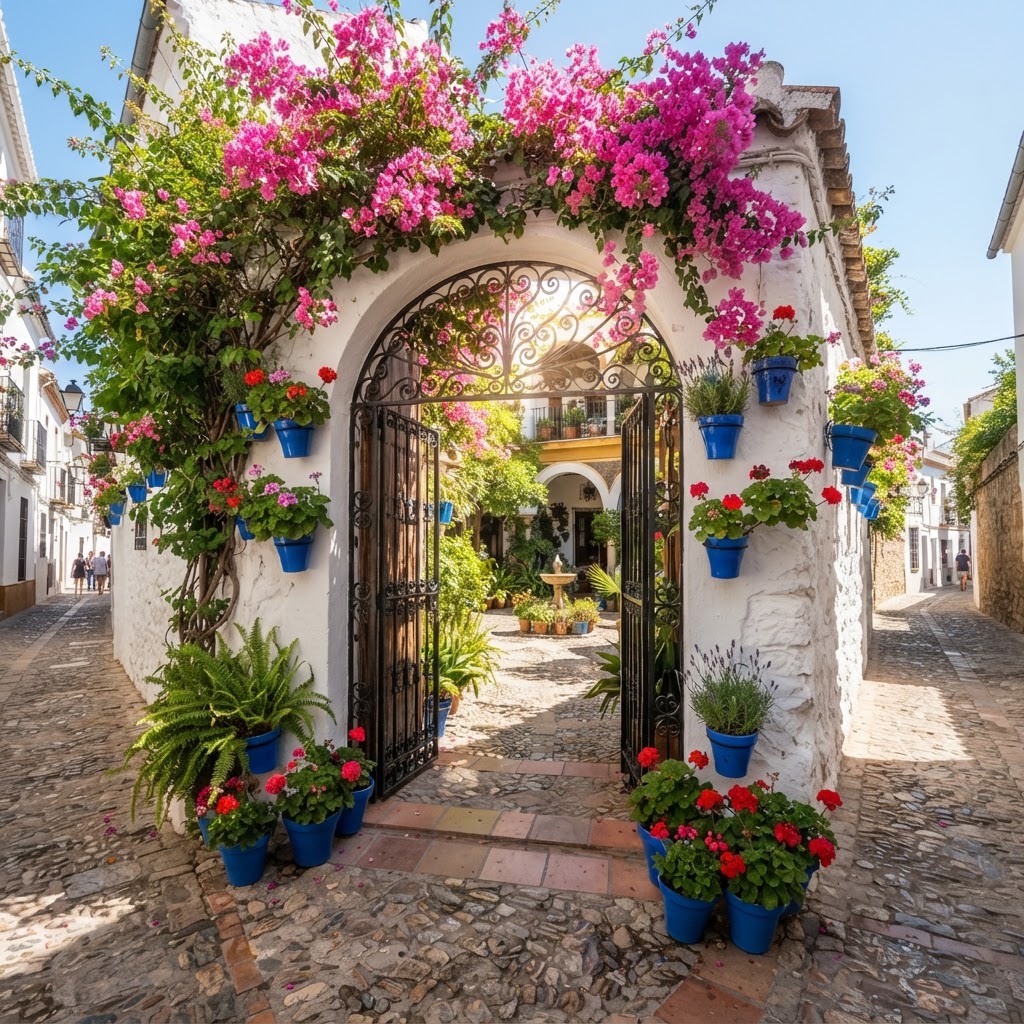
Perhaps nowhere is the artistry of the entryway more celebrated than in the patios of Cordoba. During the famous Patios de Córdoba festival, homeowners open their elaborate, wrought-iron gates to the public. These doorways are typically framed by towering geraniums and climbing ivy, acting as a threshold into a hidden, lush garden paradise. The contrast between the austere, thick exterior walls and the vibrant, floral interior creates a sensory experience that feels almost magical.
The Role of Wrought Iron in Design
Ironwork is a hallmark of the Spanish aesthetic, particularly regarding doors and window grilles. Blacksmiths throughout history have been treated as master artists, forging iron into intricate scrolls, floral motifs, and protective patterns. This craft, known as ‘rejería,’ serves a dual purpose: it offers security while maintaining a delicate, open feel that allows light and air to circulate—a necessity in the Mediterranean heat.
Symbolism in Metalwork
Often, the motifs within the ironwork tell stories of the family’s profession or their religious devotion. You might spot agricultural symbols in rural villages, suggesting a deep connection to the land, or geometric patterns that represent infinite cycles, common in historic urban centers. Each twist of metal is a frozen moment of creative labor that has stood for decades.
Regional Differences in Doorway Design
Travel north to Galicia or the Basque Country, and the aesthetic shifts dramatically. In the rainy, green north, doors are often crafted from heavy, dark oak and feature much sturdier, simpler designs meant to withstand harsh coastal winters. These structures are built to last for centuries, with thick hinges and iron studs that reflect a more rugged and maritime history compared to the airy, ornate styles of the south.
Mediterranean Minimalism
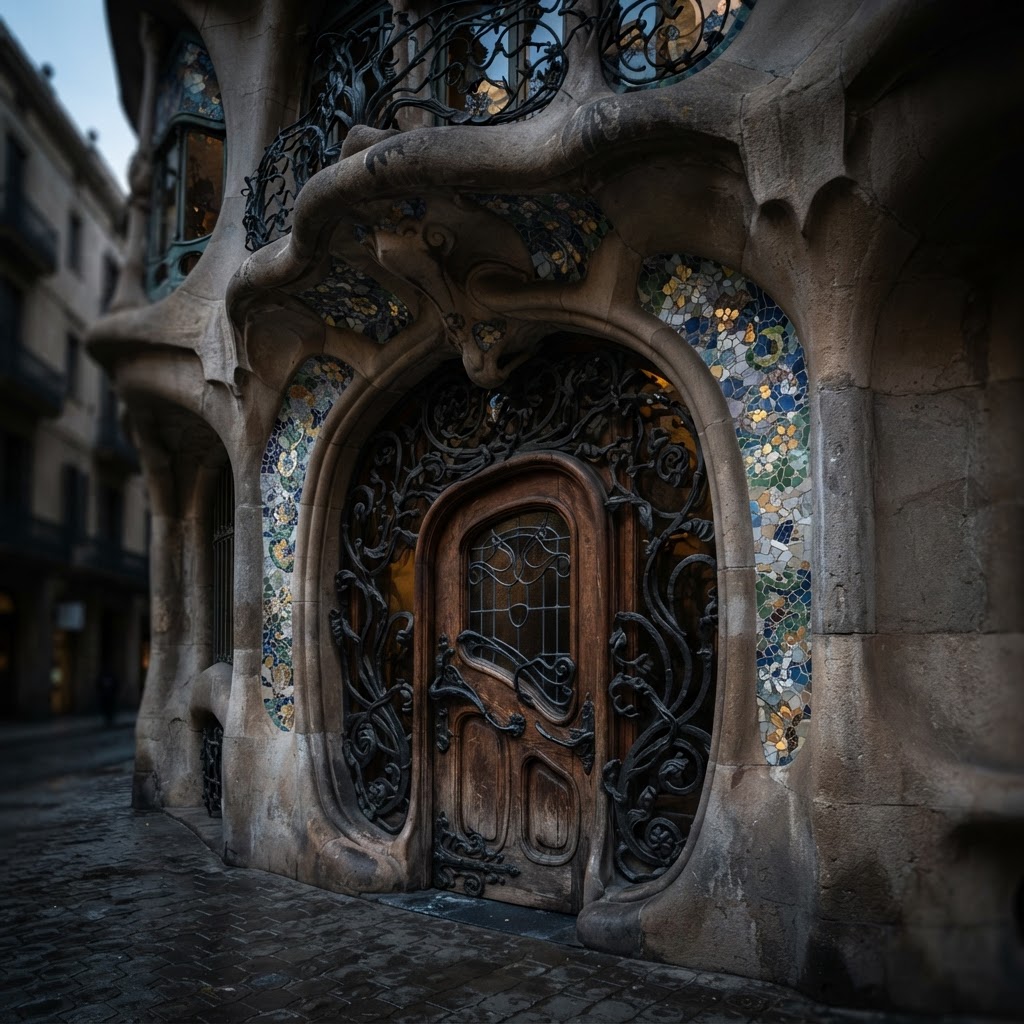
Along the Mediterranean coast, from Valencia to Barcelona, you encounter a different spirit. Here, the influence of Catalan Modernism often manifests in doorways. Architects like Antoni Gaudí transformed the concept of the door into a surrealist work of art, utilizing organic, fluid shapes that seem to grow out of the building itself. These doorways are masterpieces of curves and unconventional materials, proving that a threshold can be a sculpture in its own right.
Preserving the Legacy of Historic Entrances
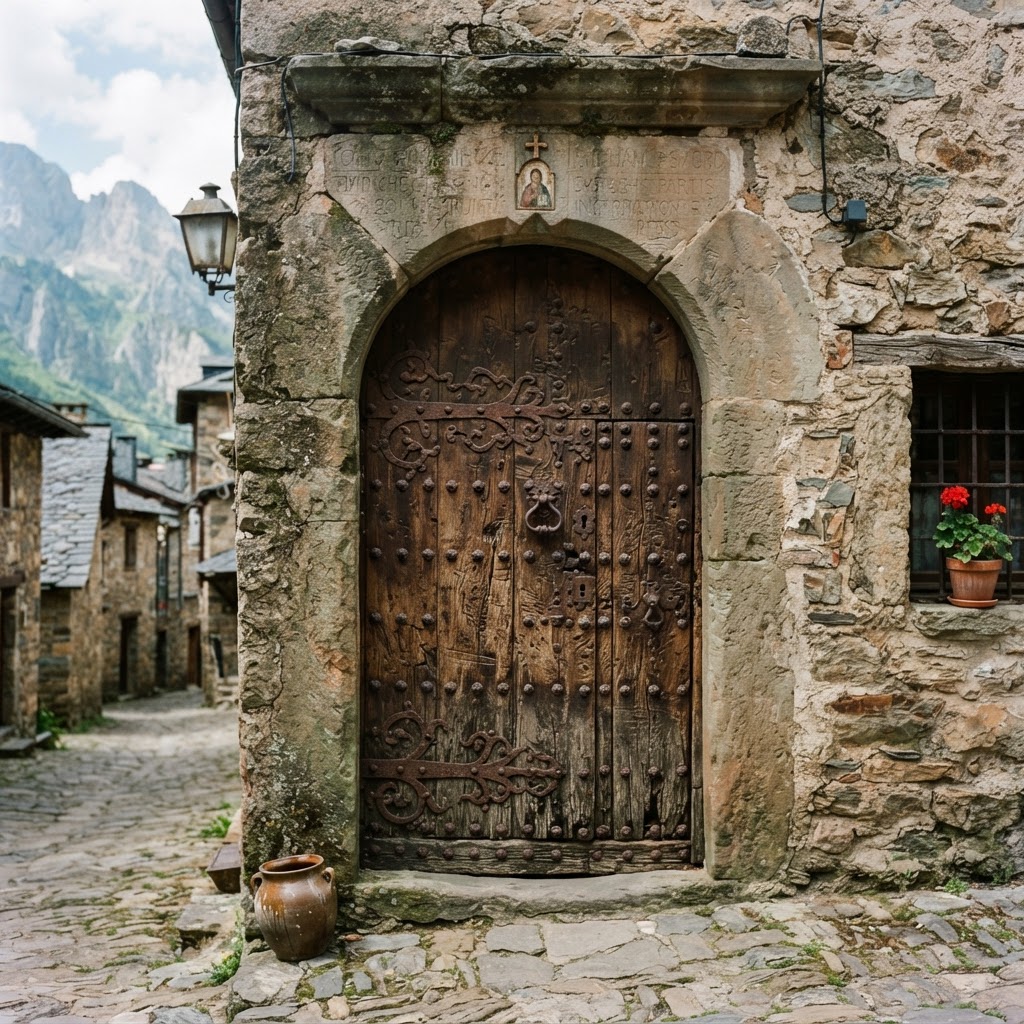
As modern construction methods take over, the preservation of traditional doorways becomes increasingly vital. Many local councils and architectural heritage societies are now working to ensure that historic doors are not simply replaced with mass-produced, industrial alternatives. Protecting these portals is about more than aesthetics; it is about maintaining the character of the town and ensuring the story of the architecture remains readable for future generations.
How to Appreciate Details as a Traveler
When exploring Spanish villages, slow your pace. Look for the brass knockers, often shaped like hands or lions, which have been polished by the touch of thousands of visitors over the years. Notice the texture of the wood—the deep grains that indicate the tree’s age and the specific region it came from. Paying attention to these details connects you to the artisan’s vision and the homeowner’s pride.
Elements That Define a Classic Spanish Doorway
If you are looking to identify the hallmark features of these historic pieces, keep this guide in mind:
- Materiality: Look for solid timber or heavy, hand-forged iron.
- Archways: Note whether the frame is a traditional semi-circle, a pointed Gothic arch, or a Moorish horseshoe.
- Color Palettes: Mediterranean blues, terracotta oranges, and stark whites dominate the color schemes.
- Hardware: Keep an eye out for intricate, oversized brass or iron knockers (llamadores) and heavy drop-hinges.
The Psychology of the Threshold
There is a psychological comfort in the solidity of a traditional Spanish doorway. It provides a sense of permanence in an ever-changing world. Entering through such a door feels like an initiation, a ritualistic transition that shifts your focus from the external world to the inner sanctum. This feeling is intentionally cultivated by the design choices, which prioritize privacy and quietude, allowing the home to function as a true refuge.
Conclusion
Spanish doorways are far more than architectural necessities. They are silent storytellers, guarding the histories of generations while inviting us to look closer at the world around us. Whether you find yourself mesmerized by the delicate ironwork of a Cordoban patio or the rugged oak of a Galician farmhouse, remember that each doorway holds a unique narrative waiting to be appreciated. As you continue your travels, challenge yourself to stop, look, and listen—because every door has a story to tell if you are willing to pause and listen. Which doorway captured your imagination on your last trip to Spain? Share your favorite experiences in the comments below, and let’s keep the conversation about architectural history alive!
Leave a Reply