
Discovering the Warm Colors of Southern Spain
The warm colors of Southern Spain, characterized by deep terra-cotta, golden ochre, and sun-baked brick, are a sensory reflection of the region’s Moorish heritage and intense Mediterranean climate. These iconic hues are most visible in the architectural brilliance of Andalusia, where natural pigments integrate seamlessly into the arid landscape and sun-drenched horizon.
The Ochre Palette of Moorish Heritage
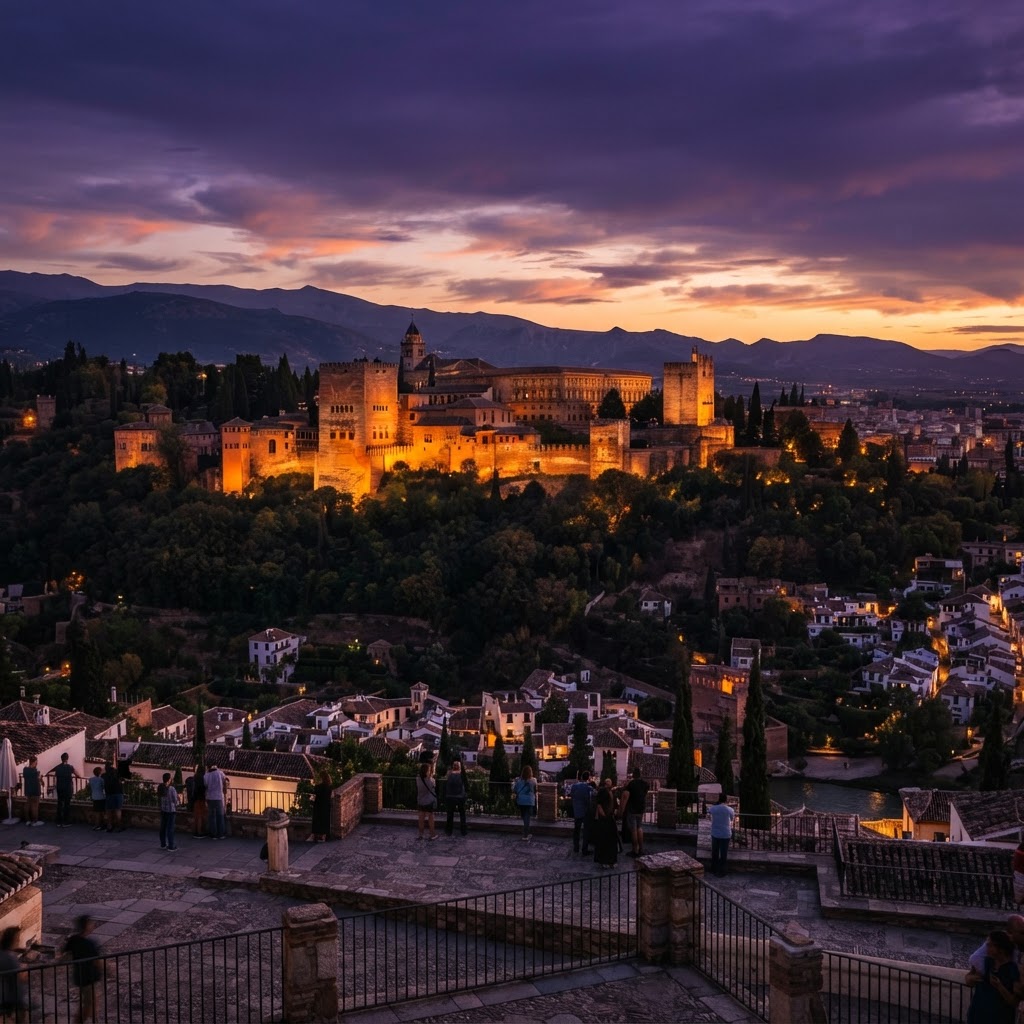
Deeply rooted in the Moorish period, the architectural soul of Southern Spain relies on a spectrum of earth tones that remain dominant in modern construction. By utilizing natural pigments in brickwork, plaster, and tiles, builders created structures that rise organically from the dry, sun-baked earth. The Alhambra in Granada serves as the premier example of this philosophy, where the transition from salmon-colored stone to the surrounding dusty hills demonstrates a deliberate design choice emphasizing harmony with the natural environment. Research indicates that the use of these specific natural clay-based pigments was not merely aesthetic but served to provide thermal mass, cooling interiors during the intense heat of the Andalusian summers. Visitors to the Generalife gardens can observe how the transition from deep red to pale ocher captures light, making the massive fortification appear as if it is glowing from within as the sun shifts.
The Allure of Terra Cotta and Brick
In cities like Granada and Córdoba, the reliance on fired clay and brick gives the historic centers an eternal, glowing quality. These materials capture the afternoon sun, reflecting a distinct amber hue that characterizes late-afternoon walks through narrow medieval alleyways. The thermal properties of these traditional bricks, often manufactured in local ovens for centuries, allow the buildings to absorb heat during the day and radiate a warm glow at night, maintaining an inviting aesthetic. This persistent design choice defines the “warm” identity of these cities, effectively bridging the gap between ancient Roman construction techniques and Islamic architectural geometry.
The Contrast of Whitewashed Villages
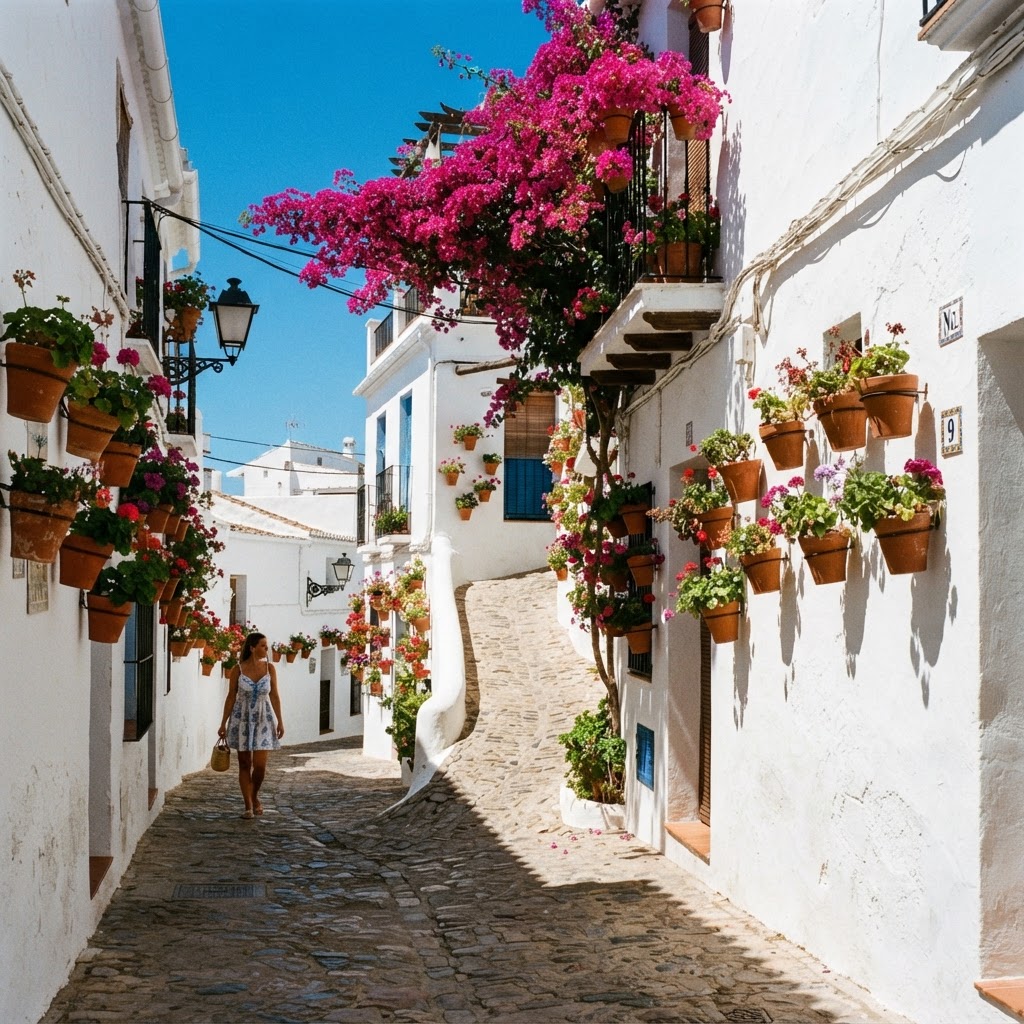
The iconic whitewashed villages, known as pueblos blancos, provide a brilliant, necessary visual contrast to the deep ochre and gold mountains of the Andalusian countryside. These structures are coated in lime wash, a traditional practice that serves two distinct functions: it reflects up to 80% of solar radiation to keep homes cool and acts as a natural disinfectant. Against the deep, earthy tones of the Sierra de Grazalema or the Alpujarras, these stark white walls act as canvases that amplify the color of the surrounding environment. As the sun moves, the lime-washed surfaces absorb ambient light, turning from blinding white at noon to soft lilac and pale pink during the transition to dusk. This interplay creates a dynamic visual topography that makes the Andalusian landscape unique in the Mediterranean.
Why White is Actually Warm
While white is technically a neutral color, in Southern Spain, it functions as a dynamic ambient light receptor. During the “Golden Hour,” white walls effectively mirror the intense oranges and deep purples of the horizon, allowing the entire village to glow in harmony with the sunset. This phenomenon explains why these villages never feel cold or sterile; they are active participants in the region’s color shifts, transforming into architectural landmarks that seem to change hue based on the angle and intensity of the sun.
Capturing the Golden Hour in Seville
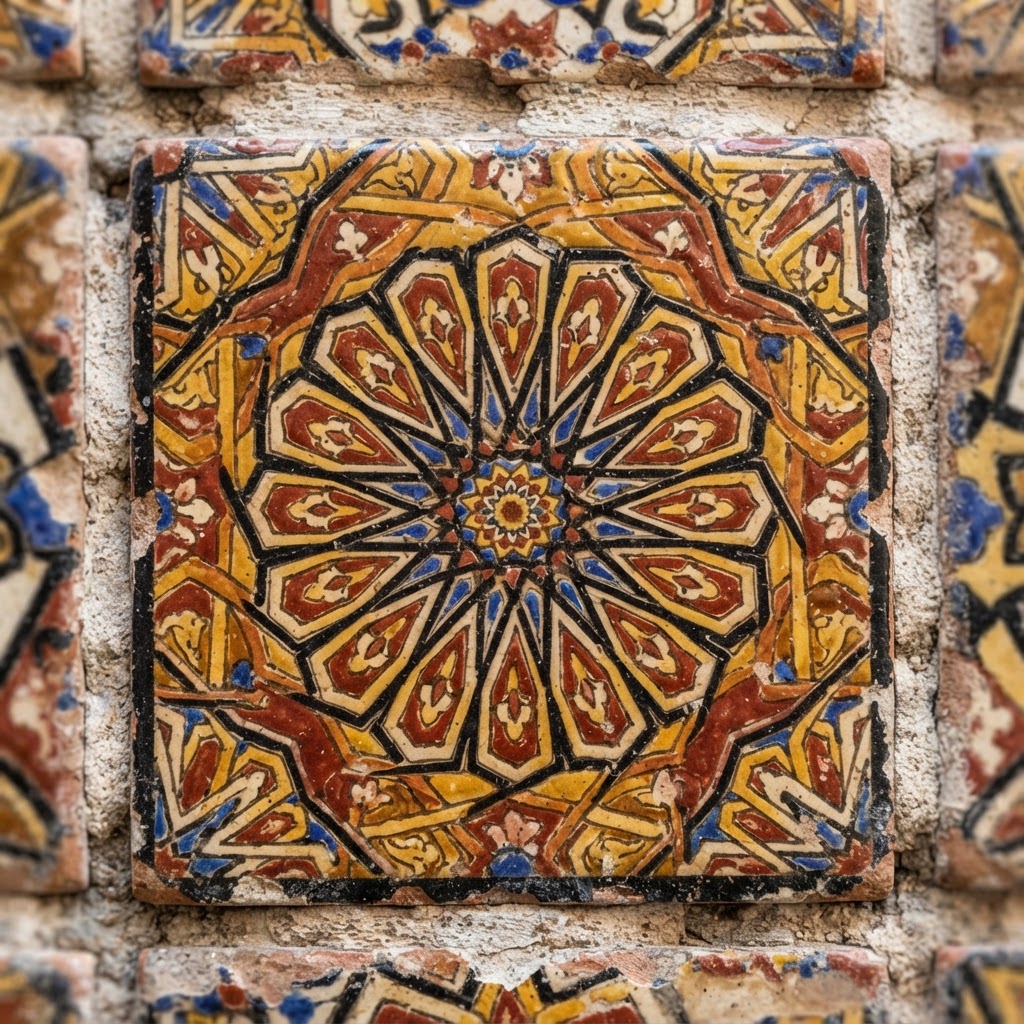
Seville serves as the definitive location to experience the peak expression of Southern Spain’s warm color palette, particularly around the Giralda and the Cathedral. The city’s historic core is built from stone that possesses high iron content, which triggers a “glowing” effect when struck by the low-angle light of the sunset. This architectural feature is intentional; builders centuries ago selected stone types specifically for their ability to hold the warmth of the sun, creating an atmosphere that feels almost supernatural to observers. For the best experience, photographers should position themselves by the riverbanks between 7:30 PM and 8:30 PM in the summer months to catch the light at its most intense, amber-soaked point.
Photogenic Spots in Seville
- Plaza de España: Featuring iconic yellow-and-orange ceramic tiles, this space offers the highest concentration of warm-hued artisan work in the city.
- The Royal Alcázar: The intricate Mudejar plasterwork and tiles create a complex mosaic that glows under interior lighting conditions.
- Triana District: Offers the quintessential riverfront view, where the Guadalquivir reflects the city’s golden facades, copper-hued bridges, and terracotta rooftops.
The Natural Landscape: A Sea of Sun-Baked Earth
Natural colors in Southern Spain extend far beyond man-made structures into the vast wilderness of the Sierra Nevada and the arid Tabernas Desert. The regional palette is cyclical, dictated by the Mediterranean climate; the landscape shifts from the vibrant, lush emerald greens of the spring rainy season to the deep, scorched golden browns of mid-summer. This transition is not merely visual but affects the entire ecosystem, determining everything from the timing of the olive harvest to the local festival calendars. The stark contrast between the red-tinged volcanic rocks of Almería and the endless groves of silvery-green olive trees creates a color spectrum that feels otherworldly, a reality underscored by the area’s frequent use as a filming location for science-fiction blockbusters.
Geological Wonders and Color Palettes
Travelers should look beyond the cities to understand the region’s true depth. The volcanic landscapes of Almería, for instance, display high concentrations of iron oxide, which contributes to the dramatic, deep-red color profiles found in the soil. These arid zones offer a stark, powerful beauty that feels millions of years removed from the manicured, ornate gardens of the coastal palaces.
Culinary Colors of the South
Andalusian gastronomy serves as an edible extension of the region’s color palette, focusing on ingredients that reflect the land’s heat and vibrancy. The deep reds of tomatoes, the brilliant orange of Seville citrus, and the liquid gold of high-quality extra virgin olive oil are staples found in every local kitchen. These ingredients are rarely accidental; they are a byproduct of the same intense sun and iron-rich soil that dictate the region’s architecture and landscape. Dining in a local plaza often feels like sitting inside a painting, where the colors on your plate match the ochre walls and the golden glow of the setting sun.
Seasonal Ingredients
- Gazpacho: Relies on sun-ripened tomatoes and peppers, creating a signature deep-red hue.
- Saffron-infused Paella: The yellow-gold coloring is derived from premium saffron, a spice traditionally cultivated in the nearby regions.
- Citrus: Seville’s iconic orange trees provide a constant, vibrant pop of color against the tan, earthy walls of the city center.
Embracing the Warmth Through Photography
Mastering photography in Southern Spain requires a tactical approach to managing the region’s intense, high-contrast sunlight. Shadows in the south are exceptionally deep and sharp due to the high intensity of the Mediterranean sun; these should be used to emphasize the geometric textures of Moorish archways rather than avoided. A high-quality circular polarizing filter is an essential tool for photographers, as it cuts the glare off white lime-washed walls and deepens the blue of the sky, allowing the orange and terra-cotta tones to pop with maximum saturation.
Tips for Better Travel Photos
Play with Shadows
Look for the dramatic, geometric shadows cast by late-afternoon sunlight against white walls or stone arches. This contrast highlights the architectural details and adds a sense of depth and mystery to your images that direct sunlight obscures.
Shoot During Twilight
After the sun disappears, the “blue hour” provides a perfect color balance. The artificial, warm amber streetlights illuminate the historic buildings against a cooling indigo sky, creating an ideal contrast that emphasizes the gold tones of the city’s stone.
Planning Your Trip to Andalusia
Suggested Itinerary Highlights
- Start in Seville to witness the urban architectural glow during the golden hour.
- Move to Córdoba to see the Mezquita’s historic red-and-white stone arches.
- End in Granada to witness the sunset over the Alhambra for the world’s most iconic ‘warm color’ experience.
FAQ
Q: What is the best month to photograph the warm colors of Southern Spain?
April or October are the best months for photography. During these shoulder seasons, the sunlight is lower in the sky for a longer duration, providing a softer, more golden light that accentuates the terracotta and ochre buildings without the harsh, washed-out glare of summer.
Q: Why are the villages in Southern Spain painted white?
Villages are painted white with lime wash because it is a highly effective, natural reflective cooling agent. This coating reflects up to 80% of sunlight, preventing the thick stone and masonry walls from absorbing excessive heat during the intense, multi-month Mediterranean summer.
Q: Is there a specific architectural style that defines the region’s colors?
Moorish-influenced Mudejar architecture is the primary influence. This style emphasizes the use of locally sourced clay, brick, and natural lime, which creates the earthy, warm, and white aesthetic that has remained consistent throughout the region for centuries.
Q: What are the best locations to see the ‘golden hour’ glow in Andalusia?
The Plaza de España in Seville, the Alhambra in Granada, and the historic Mezquita district in Córdoba offer the best conditions. These sites feature specific stone and tile materials engineered to catch and amplify the orange-yellow spectrum of the late afternoon sun.
Q: Do I need special gear to capture these colors?
A circular polarizing filter is highly recommended to manage the intensity of the Mediterranean sun. It reduces surface glare from white walls and ceramic tiles, which significantly improves color saturation and contrast in your travel photos.
Leave a Reply