
Living in England balances romanticized aesthetic charm—cobblestone streets, historic architecture, and tea culture—with the pragmatic reality of modern life, characterized by a high cost of living, unpredictable weather, and a deep-rooted emphasis on community. While the “aesthetic” highlights slow-living in villages, the actual experience involves navigating urban density, managing historical home maintenance, and thriving amidst the stoic British approach to daily routines.
The Dual Reality of City and Country
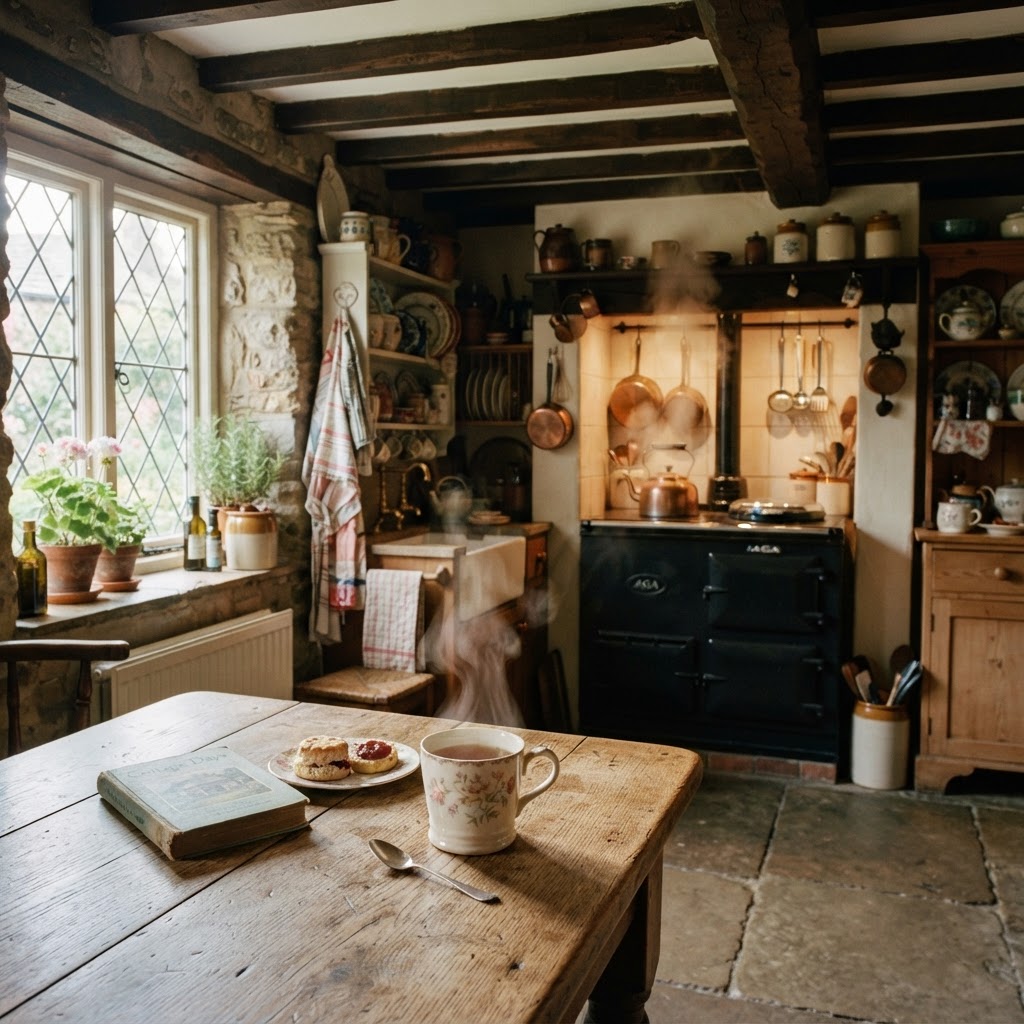
One of the defining features of the United Kingdom is its incredible density of contrasts, requiring residents to balance high-speed urban professional life with the tranquil pace of rural existence. You can spend your morning navigating the frantic, high-energy pulse of London—where average rent for a one-bedroom apartment in Zone 1 can exceed £2,200 per month—and by the afternoon, find yourself walking through a sleepy village that feels untouched by time. The living in England aesthetic usually favors the latter, focusing on the slow-living aspect of village life. However, for many, the reality is a mix of both worlds, often necessitating a “commuter belt” lifestyle where the average commute time into central hubs is approximately 55 minutes. Understanding these regional disparities is crucial for anyone seeking to align their lifestyle with their budget. Whether choosing the Victorian terrace house in a city suburb or a detached cottage in the Cotswolds, residents must weigh proximity to London’s employment market against the isolation of rural tranquility.
Life in the Bustling Urban Centers
Urban life in England is characterized by its accessibility and rich history. Public transport is the lifeline of the city dweller, and while it may be subject to the occasional delay, the connectivity it provides is unparalleled. Living in a terrace house with a small, manicured garden in a city suburb offers a middle ground, allowing for a community feel while keeping the amenities of the metropolis within reach.
Embracing the Famous British Weather

The climate is perhaps the most discussed element of the British experience, requiring a shift in mindset to accept that rainfall is a constant, year-round factor rather than a seasonal inconvenience. Average annual rainfall in the UK is approximately 885mm, though this figure can spike to over 3,000mm in parts of the Lake District. The aesthetic view of weather involves soft grey skies and a sense of ‘cozy’ indoors, but the reality is more varied. The weather is notoriously unpredictable, often changing from bright sunshine to a sudden shower in the span of an hour. This climate has fostered a culture of resilience and a deep appreciation for the sun, which averages roughly 1,400 to 1,500 hours of bright sunshine per year across the country. Residents learn that “bad weather” is rarely a reason to cancel plans; instead, it is a cue to adjust clothing choices and embrace indoor social activities.
Preparing for the Elements
To live in England comfortably, you must master the art of layering. A high-quality raincoat is not just a fashion statement; it is a vital tool for survival. When you stop fighting the rain and start dressing for it, you begin to understand the local mentality of carrying on regardless of the forecast. This stoicism is a cornerstone of the British personality, where social plans are rarely cancelled simply because of a bit of water falling from the sky.
The Culinary and Social Landscape
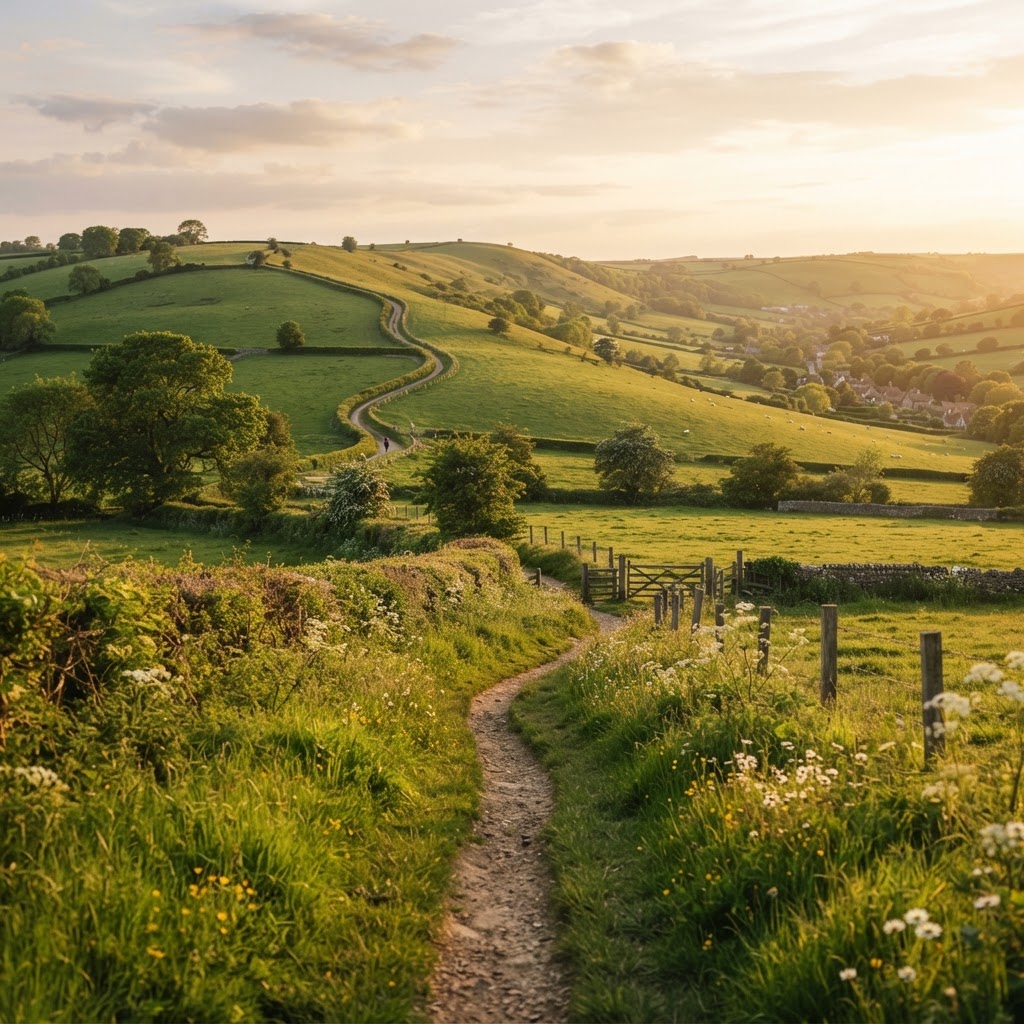
Modern British culinary culture is a vibrant, multicultural mosaic that balances historical tavern traditions with a growing focus on farm-to-table sustainability. Visiting a local gastropub on a Sunday for a roast dinner remains a non-negotiable social institution, with thousands of independent pubs serving as the bedrock of community interaction. While traditional dishes like beef wellington and shepherd’s pie are staples, the UK food scene now boasts one of the highest densities of international cuisines in the world, with London alone hosting over 6,000 restaurants. The economic footprint of this sector is massive, contributing billions to the GDP. Whether it is an artisanal coffee shop in Manchester or a centuries-old pub in a tiny village, the focus is on communal dining. Families, friends, and even pets (dog-friendly venues are the norm in most rural areas) congregate here to share a meal, cementing the social fabric that defines life in the UK.
The Ritual of the Daily Brew
Tea is far more than just a drink in England; it is a social lubricant and a psychological comfort. Whether it is a builder’s brew at a construction site or a sophisticated afternoon tea in a grand hotel, the ritual provides a pause in the day. It is in these small, quiet moments that the aesthetic of British life truly shines, turning a simple break into a meditative practice.
Architectural Beauty and Historical Depth

Living in England means constantly walking through layers of history, as the country boasts some of the oldest continuously inhabited structures in Europe. It is not uncommon for residents to live in homes constructed before the Industrial Revolution, with stone walls often exceeding 50cm in thickness and uneven floorboards that require specific preservation techniques. This architectural legacy anchors the resident in a sense of longevity, though it presents unique challenges: approximately 25% of the UK housing stock was built before 1919, often resulting in lower energy efficiency ratings (EPC bands D or E are common). Maintenance is a reality; homeowners must frequently manage issues like rising damp or roof slate repair, which are common for historic properties. However, most residents would agree that the charm—characterized by exposed timber beams, inglenook fireplaces, and historical tax benefits associated with listed building status—far outweighs the drafts. This commitment to maintaining the past creates a permanent, grounded atmosphere that is central to the “British aesthetic.”
The Work-Life Balance and Leisure Time
There is a notable shift toward prioritizing mental well-being and leisure time in the UK. Many people emphasize the importance of getting outdoors, whether it is for a long walk in the Peak District, a cycle through the Cotswolds, or simply visiting a National Trust property on a weekend. The access to public footpaths is a democratic right that allows everyone, regardless of background, to enjoy the rolling hills that make up the English landscape.
The Importance of the Local Community
Community is the glue that holds life in the UK together. From local charity shops and village fetes to the pub quiz culture, there is a strong emphasis on knowing your neighbors and participating in local events. This localized focus creates a sense of belonging that can be difficult to replicate in larger, less connected societies.
Navigating the Costs and Practicalities
Living in England is not just about the picturesque views; it is also about managing the cost of living. Housing costs in major hubs can be high, and the tax structure is distinct. Understanding the nuances of council tax, utilities, and transportation costs is a necessary part of the settling-in process. While these practical matters are less glamorous, they are the reality of the daily grind for most residents.
Tips for Those Considering a Move
If you are enamored with the aesthetic and considering making the move, here are a few practical pointers to help you transition smoothly:
- Rent before you buy to get a feel for different neighborhoods.
- Embrace public transport to reduce the stress of city driving.
- Invest in good heating and proper insulation for your home.
- Join local clubs or societies to build your social network quickly.
- Keep an open mind about the weather and plan for all conditions.
FAQ
Q: Is the cost of living in England expensive?
Yes, the cost of living in England is relatively high, particularly in London and the South East where housing costs are among the highest in Europe. Beyond rent, residents should budget for council tax, which averages between £1,200 and £2,000 annually depending on the property band.
Q: How often does it actually rain in England?
While often stereotyped as constantly rainy, England receives an average of 100 to 150 days of rainfall annually depending on the region. The rain is typically characterized by frequent, light drizzles rather than heavy, sustained tropical downpours, making it a constant factor in daily life.
Q: Is a car necessary to live in England?
A car is essential for rural living in the English countryside, but it is often a burden in major cities like London or Manchester. Most urban centers feature extensive rail and bus networks that make public transportation more efficient and cost-effective than private vehicle ownership.
Q: What is the best way to integrate into a British community?
The most effective way to integrate is by participating in local “third places” like neighborhood pubs, village fete committees, or local sports clubs. Engagement in these community-run groups is the primary way locals build social networks and establish a sense of belonging.
Q: Are British homes cold?
Many older British homes, particularly Victorian-era terraced houses, are known for poor insulation compared to newer builds. Residents often prioritize retrofitting with modern double-glazing and high-efficiency central heating systems to improve thermal comfort during the winter months.
Leave a Reply