
10 Best Photo Spots in Seville: Capture the Magic
The top photo spots in Seville are the Plaza de España, Seville Cathedral, Barrio Santa Cruz, Real Alcázar Gardens, and Las Setas. These locations offer the best mix of iconic Andalusian architecture, historic depth, and vibrant, colorful aesthetics perfect for professional photography or social media content creation.
The Iconic Plaza de España
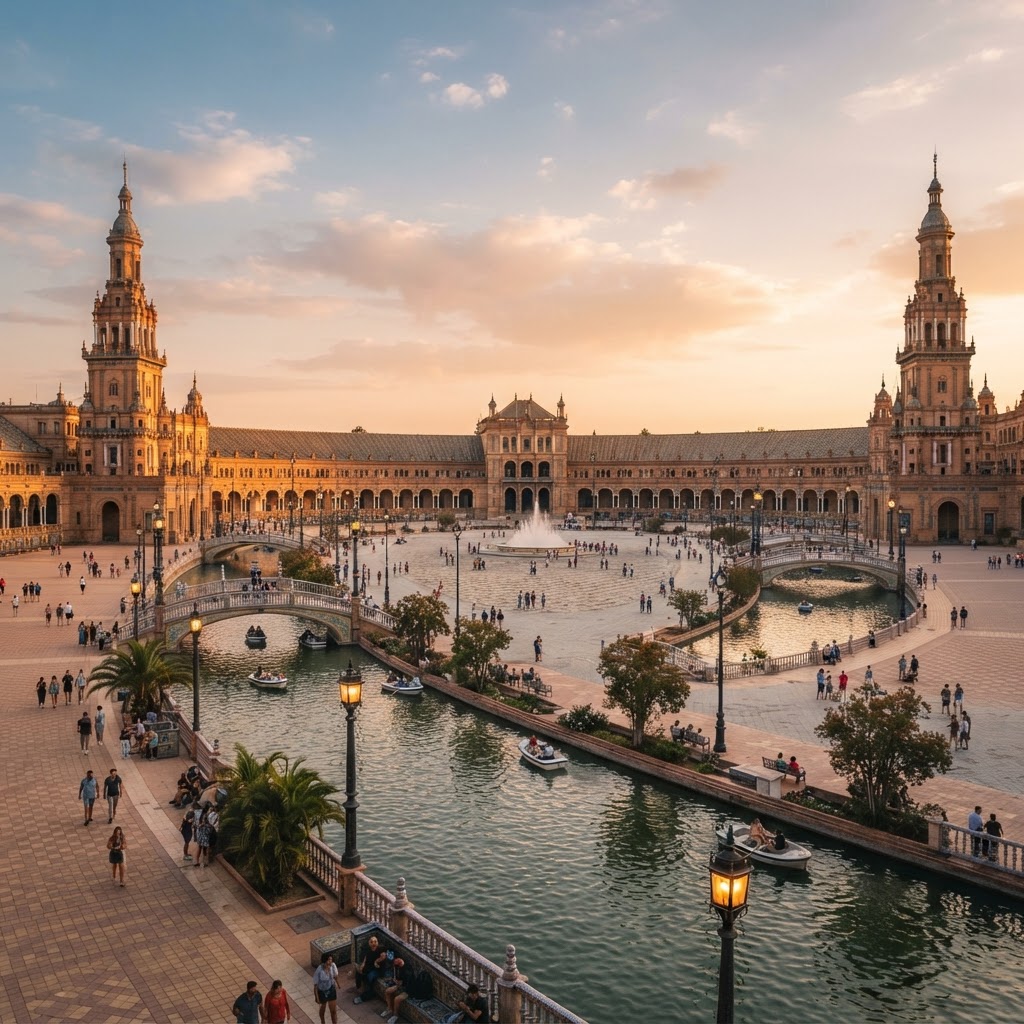
No list of the best photo spots in Seville is complete without mentioning the Plaza de España. Designed for the 1929 Ibero-American Exposition, this monumental space is a masterpiece of Renaissance Revival architecture. The semi-circular building, the moat, and the beautiful bridges create endless opportunities for stunning shots.
To capture this spot without the crowds, you must arrive at sunrise. The golden morning light hitting the tiled bridges creates a magical atmosphere. Consider using a wide-angle lens to capture the entire sweep of the plaza, or focus on the intricate ceramic tiles of the alcoves representing Spain’s provinces for a detailed portrait shot. Pro tip: The tiles are best photographed in the morning to avoid harsh midday shadows that can obscure the fine detail of the painted ceramic work.
The Grandeur of the Seville Cathedral
As the largest Gothic cathedral in the world, this structure is a marvel of scale and detail. While the exterior is impressive, the best photo opportunities are found from a distance. The Giralda bell tower provides a perfect anchor for your composition, especially when framed by the palm trees of the nearby streets.
For a different perspective, head to the roof terrace access if available, or find a rooftop bar in the Barrio Santa Cruz. The juxtaposition of the ancient stone against the modern city skyline provides a high-contrast aesthetic that is very popular for travel photography. Remember to check the lighting in the late afternoon to capture the golden hour glow on the stone facades. At approximately 105 meters high, the Giralda dominates the skyline, making it the perfect focal point for long-exposure shots taken from across the city center just after sunset.
The Enchanting Barrio Santa Cruz
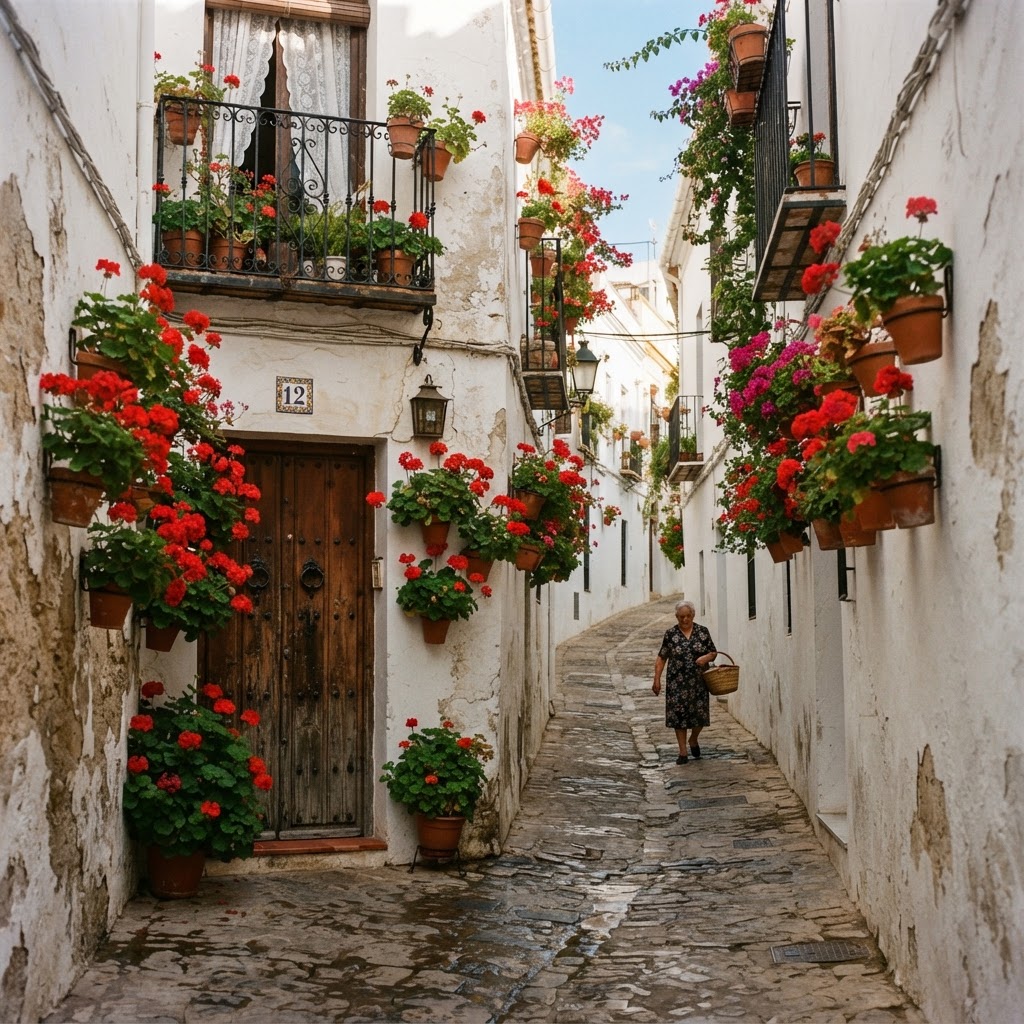
This former Jewish quarter is a labyrinth of narrow, winding streets and whitewashed houses adorned with flower pots. It is arguably the most photogenic neighborhood in the city. The play of light and shadow in these tight corridors, combined with the vibrant colors of the blooming geraniums, makes for authentic street photography.
Spend your time wandering without a map. Look for doorways that have been left slightly ajar, showcasing traditional patios, or find a quiet street corner where the morning sun filters through the greenery. These candid shots define the true heart of Seville. Capture the contrast between the stark white walls and the deep green potted plants using a prime lens with a wide aperture to create a beautiful bokeh effect behind your subjects.
The Royal Alcázar Gardens
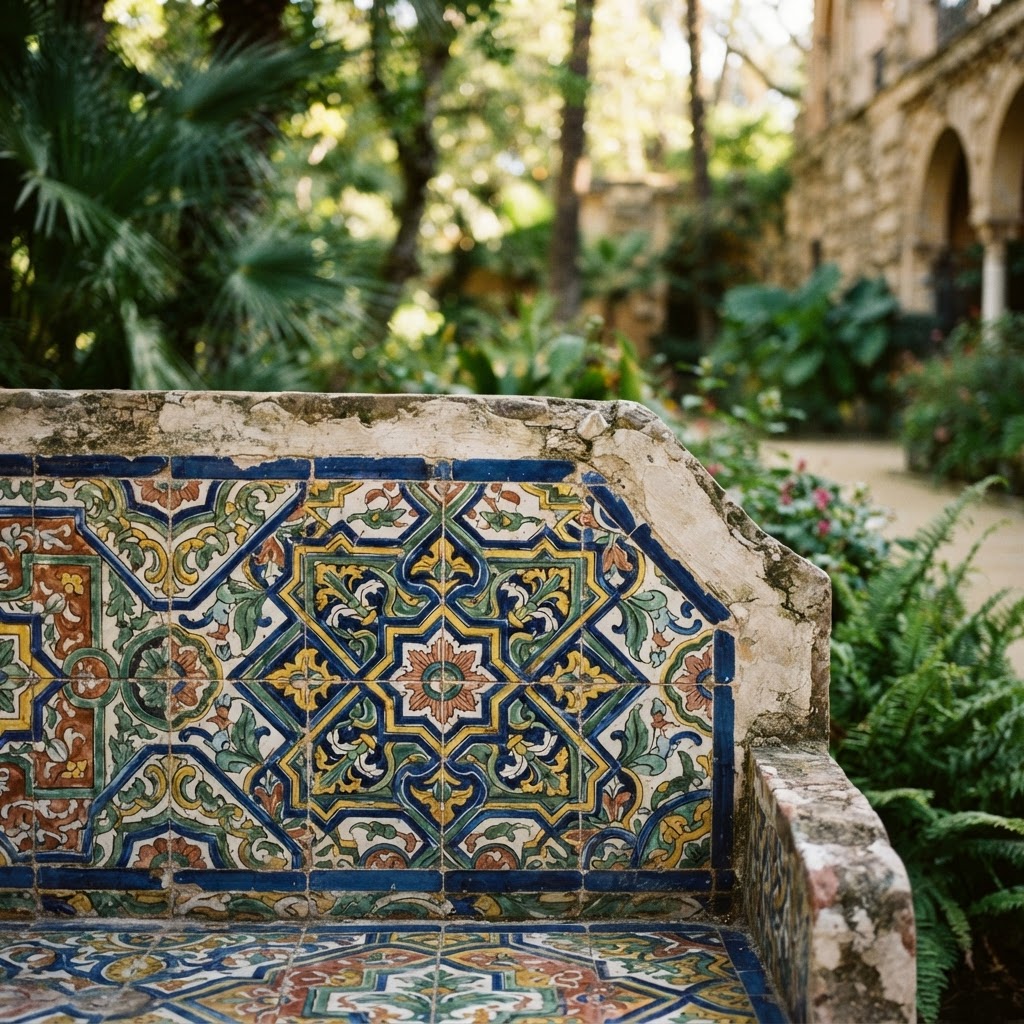
If you want to feel like royalty, the Real Alcázar is your destination. While the palace rooms are beautiful, the gardens are where the real photographic potential lies. The mix of Islamic and Christian garden styles provides an incredible variety of textures, from manicured hedges to intricate fountains and reflecting pools.
Focus on the symmetry of the gardens to create balanced, visually appealing images. The Mercury Pond, with its bronze statue and dragon, is a fantastic focal point. Because of the popularity of this location, bring a polarizing filter to reduce glare on the water and make the deep greens of the vegetation pop. Entrance fees vary by age and residency, typically starting around 13.50€ for general admission; booking tickets online 2-4 weeks in advance is essential during peak spring season.
Las Setas de Sevilla
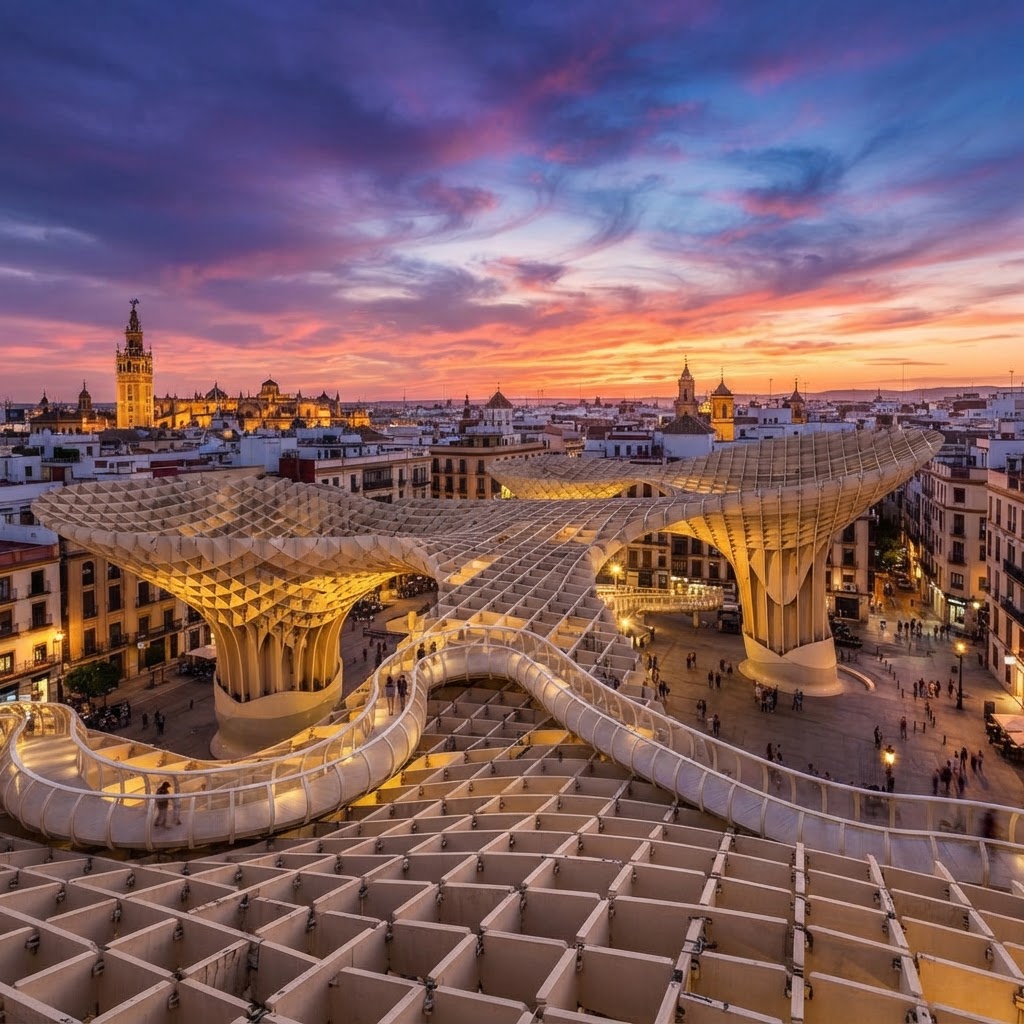
For those who love modern architecture, the Metropol Parasol, known locally as Las Setas (The Mushrooms), offers a striking contrast to the rest of the city. This massive wooden structure is best captured at sunset when the lights begin to twinkle against the darkening sky.
Walk the winding pathway on top of the structure to get a panoramic view of the Seville skyline. The curves of the wooden canopy create excellent leading lines for your composition. This is one of the best photo spots in Seville for those who want a futuristic edge to their travel collection. The structure stands 26 meters tall and covers a footprint of roughly 150 by 70 meters, providing ample space for photographers to find unique angles without tripping over other tourists.
The Banks of the Guadalquivir River
Walking along the riverbank near the Torre del Oro offers a different vibe entirely. The historic tower reflects beautifully in the water, especially during the blue hour just after sunset. This area is much more relaxed and provides plenty of space to set up a tripod if you are aiming for long-exposure water shots.
Try to frame your shot including the Triana bridge in the background. The contrast between the historic tower and the ironwork of the bridge is quintessentially Sevillian. It is a fantastic location to capture the evening life of the city as locals begin their nightly strolls along the water. Use a neutral density (ND) filter if you plan to shoot during the day to blur the movement of the river boats and provide a smooth, dreamlike texture to the water surface.
Practical Photography Tips for Seville
To get the most out of your visit, keep a few technical tips in mind. First, always carry a portable battery; the high contrast of the bright sun and dark alleyways can drain your phone or camera faster than you expect. Second, be respectful of the locals. When shooting in residential areas like Barrio Santa Cruz, avoid intruding on private spaces.
Choosing Your Gear
- Use a wide-angle lens for architecture.
- Carry a prime 35mm or 50mm lens for street portraits.
- A circular polarizer is essential for bright midday sun.
FAQ
Q: What is the best time of year to visit Seville for photography?
Spring, specifically April and May, is the best time for photography because the orange trees are in bloom and the weather is mild. You avoid the intense 40°C+ summer heat, which can cause heat haze and limit shooting hours to early morning or late evening.
Q: Do I need a permit to take professional photos in Seville?
General travel photography is free and permitted in public areas. However, if you are planning a commercial shoot involving tripods, lighting rigs, or models in iconic locations like the Alcázar, you may need a permit from the city council or venue management.
Q: Is it safe to carry expensive camera gear in Seville?
Seville is generally safe, but like any major tourist destination, you should exercise standard precautions. Use a nondescript camera bag, keep your gear close to your body in crowded spots like the Cathedral, and avoid leaving equipment unattended even for a few seconds.
Q: Can I use a tripod at the Plaza de España?
Yes, you can use a tripod at the Plaza de España as it is a public space. However, ensure you do not block the movement of crowds or commercial horse-drawn carriages, as this may attract attention from local authorities or result in forced relocation of your setup.
Mastering the Real Alcázar Gardens
The Real Alcázar gardens are more complex than the palace itself. You need a dedicated camera pass if you use a tripod, but most guards allow handheld mirrorless cameras. Avoid the temptation to photograph every fountain you see. Focus instead on the symmetry of the hidden hedge mazes found in the back sections. The interplay of Moorish arches and lush citrus trees creates depth that landscape lenses capture beautifully.
Timing and Entry Strategy
Booking tickets online at least two weeks in advance is mandatory. Show up 30 minutes before your time slot to ensure you are the first through the gate. If you wait until midday, the light becomes flat and the crowds make clean compositions impossible. Aim for the early morning slot to capture the reflection of the palace in the mercury pond without hundreds of tourists in your frame.
The Modern Contrast of Las Setas
Las Setas offers the best high-altitude view of the city, but it requires patience. Most photographers crowd the main viewing platform for a sunset shot. Instead, walk the entire wooden pathway circuit. You will find cleaner lines and fewer heads in your frame by focusing on the curves of the structure itself. Use a polarizer to reduce the glare from the white wood against the deep blue Andalusian sky.
Essential Gear and Practical Logistics
Seville can be incredibly bright. Bring a neutral density filter if you plan to shoot during the day. The white walls of the city act as massive reflectors, often blowing out highlights on skin tones. Use a lens hood to prevent flare and keep your aperture at f/8 or higher for sharp architecture details. Comfortable shoes are non-negotiable because you will easily walk over 15,000 steps per day on uneven cobblestones.
Budgeting for Your Photography Trip
Expect to pay entrance fees for the major sites, ranging from 10 to 20 euros. Budget an additional 30 euros per day for light meals and water. Staying in a hotel near the center saves time but costs more. Choosing an Airbnb in Triana allows for better local street photography and saves money for gear rentals or better dining options.
Common Pitfalls for Seville Photographers
- Ignoring the siesta: Most businesses close from 2:00 PM to 5:00 PM, meaning streets are empty. Use this time to rest rather than forcing a shoot in the harsh midday light.
- Underestimating heat: During summer, temperatures exceed 40 degrees Celsius. Keep your camera gear in a shaded bag and bring extra batteries as heat drains them faster.
- Shooting only landmarks: You will miss the soul of the city. Spend half your time wandering the backstreets of Triana, where the authentic ceramic workshops provide stunning, less-cluttered visuals.
Photography Checklist
- Memory cards: Bring two 128GB cards to ensure you never run out of space.
- Cleaning kit: The city is dusty, especially in the dry summer months.
- Power bank: Your phone and mirrorless camera will need a mid-day charge.
- Reflector: A small collapsible gold-white reflector helps fill shadows in the narrow alleyways.
Frequently Asked Questions
Is a drone allowed for my photography in Seville?
No, flying drones in the city center is strictly prohibited for safety and privacy reasons. You face heavy fines if you attempt to launch one near the Cathedral or the Plaza de España.
When is the best season to visit for photography?
Visit between late March and early May. The orange trees are in bloom, the weather is mild, and the light is soft, avoiding the harsh summer glare that ruins many architectural shots.
Can I bring a tripod into public parks?
Yes, you can use a tripod in public parks like the Maria Luisa, but you may be asked to fold it if you block paths. Keep it compact to avoid any issues with local security.
Leave a Reply