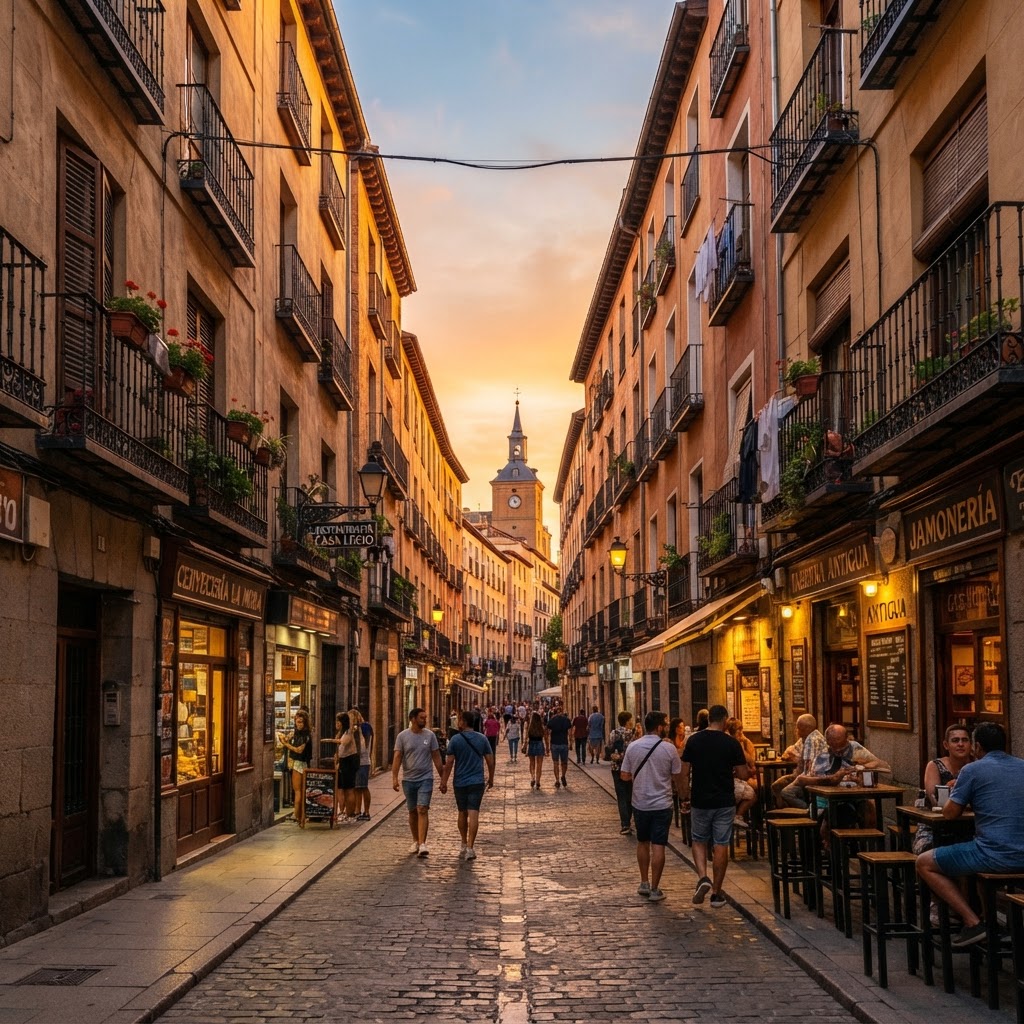
Walking the narrow streets of Old Madrid offers an immersive journey through 17th-century Habsburg architecture, authentic tapas culture, and vibrant, pedestrian-only alleyways. To navigate the city like a local, explore the Madrid de los Austrias district during early evening hours when the historic core comes alive with residents and street performers.
Unveiling the Charm of the Austrias District
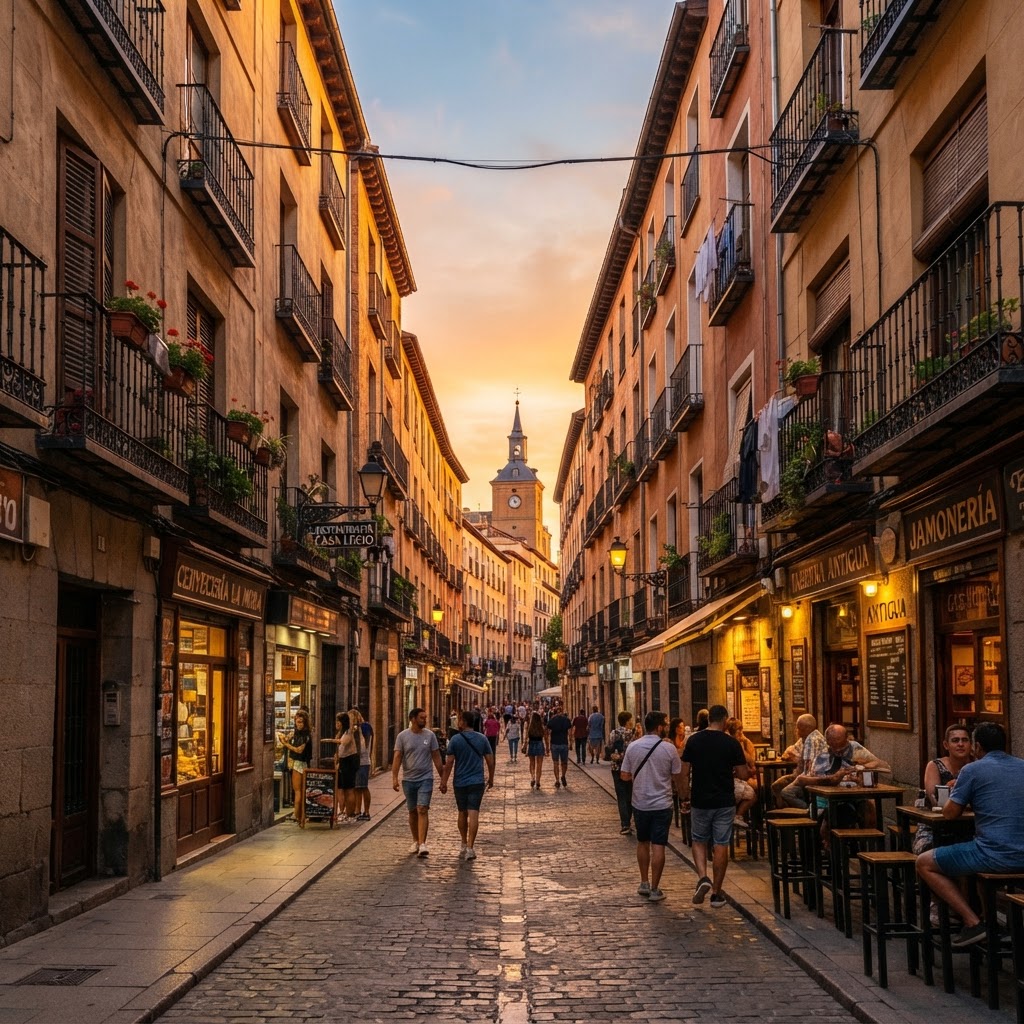
The Madrid de los Austrias serves as the historical heart of the city, defined by the distinct architectural influence of the Habsburg dynasty that ruled during the 16th and 17th centuries. When you walk through these narrow streets, you are surrounded by ochre facades, ornate wrought-iron balconies, and heavy, original wooden doors that protect centuries of urban history. The deliberate lack of modern grid planning makes getting lost a purposeful part of the experience, offering a glimpse into a layout designed before the age of the automobile.
Why Walkability Defines Madrid
Unlike many European capitals, the medieval layout of Old Madrid remained largely untouched by industrial-era renovations, preserving a unique pedestrian-centric ecosystem. This extreme urban density provides a functional cooling mechanism during Madrid’s harsh summers, as tall, historic buildings cast long shadows that keep street temperatures up to 5 degrees Celsius lower than open plazas. Pedestrian-exclusive zones like Plaza de la Villa encourage visitors to slow down, allowing for close inspection of 400-year-old stone masonry and the quiet, acoustic atmosphere of historic squares that once hosted significant political debates.
The Gastronomic Labyrinth of the City Center
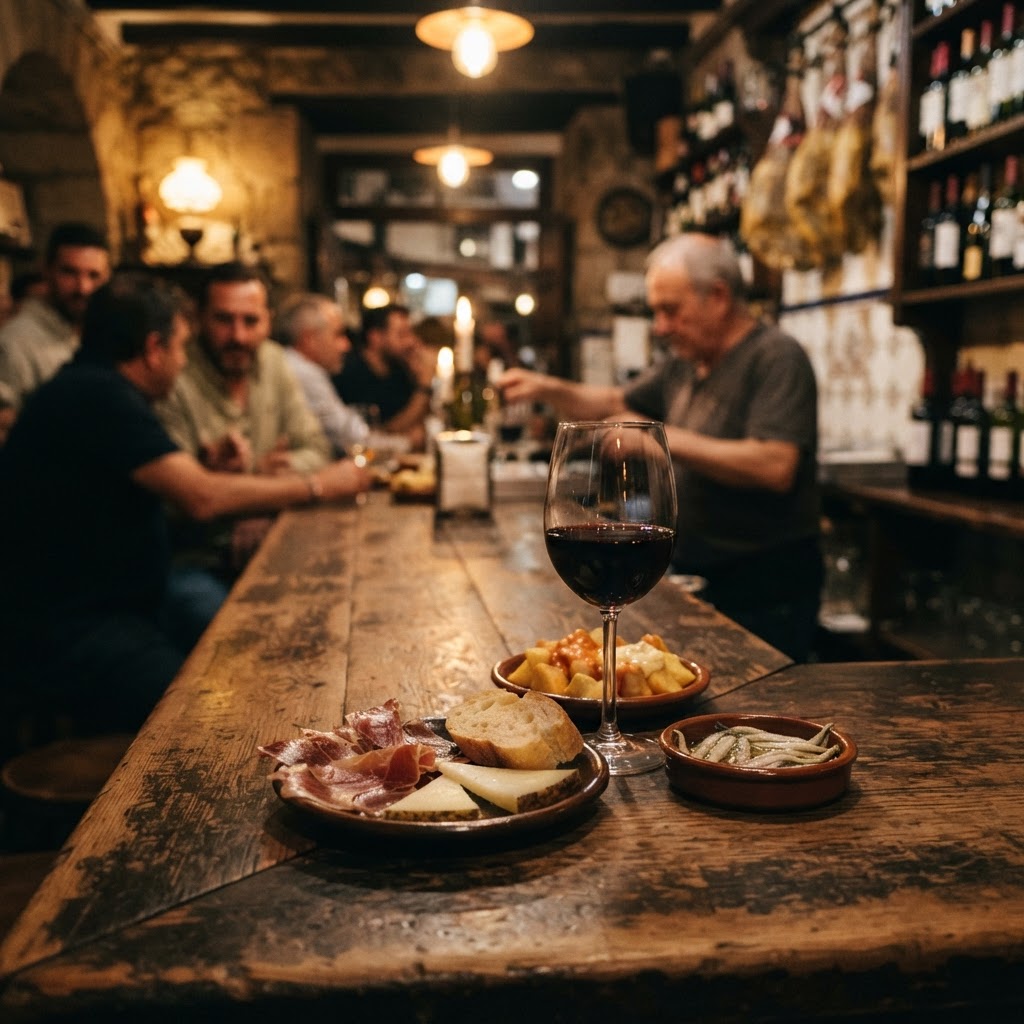
Old Madrid’s culinary scene is built into its narrow architecture, where centuries-old taverns function as intimate social hubs rather than formal dining rooms. The physical constraints of these historic buildings mean that many bars are barely three meters wide, forcing a social “stand-up” culture where patrons consume small plates, known as tapas, while standing at the counter. This creates a high-energy, authentic environment where space is shared and culinary traditions are passed down through generations of local tavern owners.
Must-Try Tapas in Hidden Alleys
Engaging in “ir de tapeo” (the tapas crawl) is the primary way to experience this culture, with a standard pace involving one drink and one tapa per location before rotating. The following table provides a quick reference for planning your visit:
Hidden Plazas and Secret Architecture
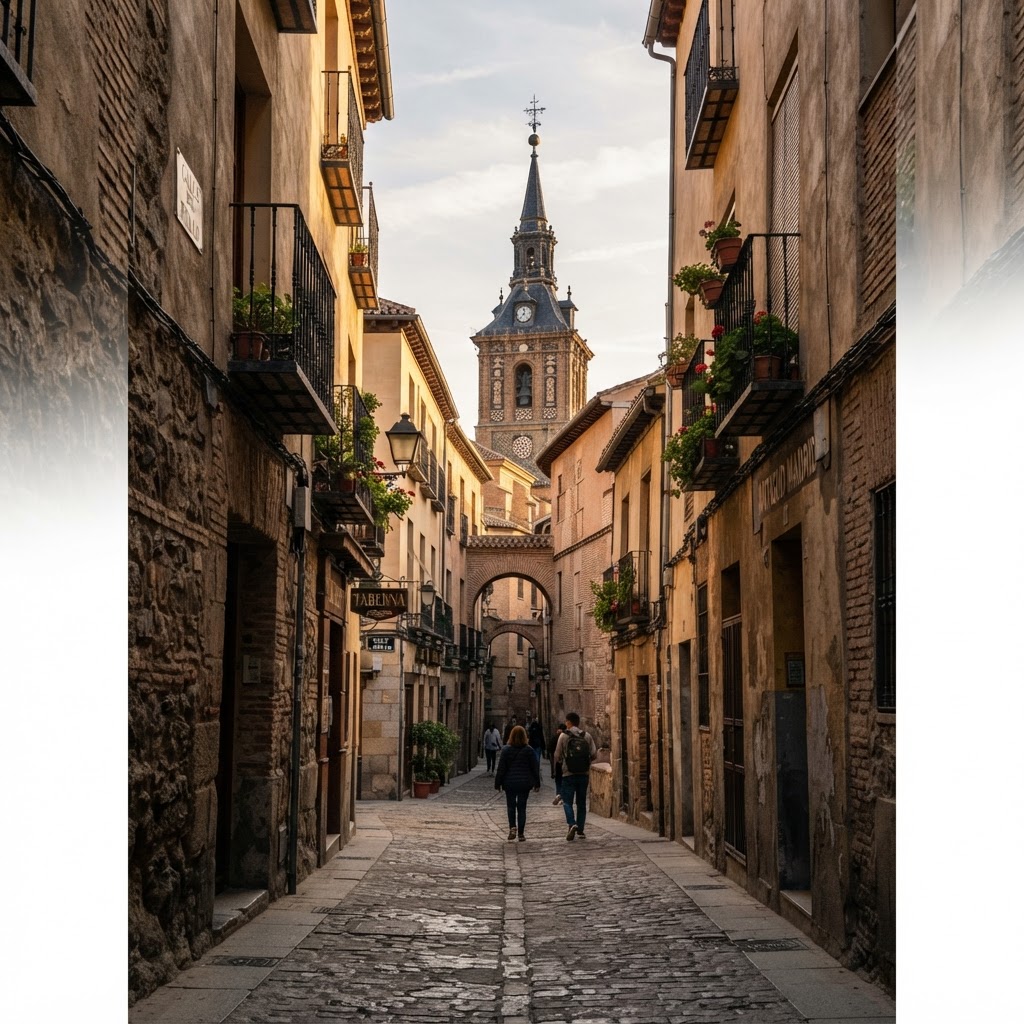
The winding network of streets beyond the famous Plaza Mayor leads to intimate, quiet squares that remain shielded from the high-traffic urban pulse. Spaces like the Plaza de Puerta Cerrada provide essential quietude and represent the original entrances to the medieval walled city, offering a stark contrast to the nearby San Miguel market. These pocket spaces are ideal for capturing the unique architectural juxtaposition of preserved stonework against the contemporary life of modern Madrileños.
The Art of Observation
Observe the details above street level to truly appreciate the history of these neighborhoods. The facades often feature intricate cornices and remnants of ancient street markers that predate modern signage. Many of these buildings are protected residential structures where laundry hangs from iron balconies, highlighting that this district is a living neighborhood rather than a curated museum. Pay attention to the varying building heights, which often indicate different historical periods of construction or local wealth status during the 18th century.
Navigating Like a Local: Practical Tips
To master Old Madrid, you must align your schedule with local rhythms, where businesses often open at 10:00 AM and dinner service does not reach peak activity until 9:30 PM or later. Aligning your transit through the alleys with these hours ensures you experience the streets at their most vibrant, rather than during the empty, quiet morning lulls.
Wear Sturdy Footwear
Cobblestone streets in Old Madrid are notoriously unforgiving due to their uneven, hand-laid nature. Leave high-heeled footwear for evening indoor galas; instead, prioritize sneakers with thick, supportive soles to manage the vertical changes and irregular stone surfaces found throughout the district.
Embrace the Labyrinth
Avoid complete reliance on GPS, as signal reflection off thick, 17th-century masonry often causes location drift. Utilize physical landmarks such as the spires of the San Ginés church or the distinct aromas emanating from local roasteries to navigate, which proves more reliable than digital mapping in these dense environments.
Historical Echoes in Every Corner
History is physically integrated into the urban fabric here, with streets leading toward the Royal Palace tracing the commercial routes established in the 1600s. Every intersection tells a story, from the remaining sections of the Moorish Wall—dating back to the 9th century—to the grand expansions of the Bourbon era. Engaging with a guided walking tour is the most efficient way to decode the specific legends associated with alleyways like the Calle del Rollo.
Architectural Styles to Identify
- Herrerian Style: Defined by strict geometric proportions and austere, minimal ornamentation, best exemplified by the iconic Plaza Mayor.
- Baroque Influences: Characterized by highly decorative, ornate stone portals and intricate religious iconography added during the 18th-century expansion.
- Mudéjar Details: Subtle, persistent influences left by medieval Islamic craftsmen, visible in specific brickwork patterns and wood carving techniques on older city walls.
Shopping for Treasures in Old Madrid
These narrow streets host a vanishing breed of artisan workshops where luthiers, leatherworkers, and tailors continue to operate using techniques passed down over multiple generations. Choosing to purchase a handmade guitar or a traditional Manila shawl from these shops supports the economic preservation of these crafts, which are currently threatened by mass-produced retail expansion.
Avoid generic souvenir shops that dominate main tourist thoroughfares. Instead, frequent the smaller, dimly lit storefronts; the shopkeepers here are often the original owners and possess deep knowledge of the neighborhood’s history, frequently sharing local insights if you express genuine curiosity about their traditional craft.
The Evening Transition: A Different World
As the sun sets, the narrow streets of Old Madrid undergo a dramatic atmospheric shift, with street lamps casting golden light on centuries-old stone. This transition from daytime commerce to nighttime leisure is when the district is at its most authentic. The narrow architecture creates natural acoustic chambers, meaning local guitarists performing in these alleys produce a high-fidelity, cinematic sound that is impossible to replicate in modern, open-concept urban spaces.
Street Performers and Atmosphere
Street performance is a core component of the evening experience in the Old Town. Musicians typically set up in small alcoves where the sound resonates off the stone walls. This environment provides the perfect, low-cost backdrop for an evening walk before settling into a local taberna for a glass of regional wine from the nearby Vinos de Madrid designation.
FAQ
Q: What is the best time of year to visit Old Madrid?
Plan your trip during the shoulder seasons of May, June, September, or October to avoid the extreme summer heat and large tourist crowds. These months offer the most comfortable temperatures for walking the city’s narrow streets, typically averaging between 20°C and 28°C during the day.
Q: Are the narrow streets of Old Madrid stroller or wheelchair accessible?
Accessibility is limited due to the prevalence of centuries-old cobblestones, narrow sidewalks, and occasional stairs found in the historic district. Visitors with mobility aids should prioritize main thoroughfares and use digital tools like Wheelmap to identify accessible routes through the area.
Q: Is it safe to wander the alleyways of Old Madrid at night?
The historic center is generally very safe and remains highly populated until the early hours of the morning due to Spanish social customs. Standard urban precautions, such as keeping personal belongings secure in crowded areas, are sufficient to ensure a trouble-free experience while exploring.
Q: How much should I budget for a daily food and drink tour in Old Madrid?
Budget between 30€ and 50€ per person for a comprehensive evening of “tapeo,” which includes multiple drinks and a variety of small plates. Costs vary significantly depending on whether you choose local taverns or more upscale, modern-fusion tapas bars located near the tourist centers.
Q: Do I need to make reservations for tapas bars in the historic district?
Reservations are rarely required for the most traditional, stand-up tapas bars, as they operate on a high-turnover, walk-in basis. However, if you plan to sit for a full, formal dinner in a historic tavern, booking at least 24 hours in advance is recommended to ensure seating.
Mastering the Tapas Crawl: A Step-by-Step Strategy
Don’t fall for the tourist traps near the Puerta del Sol. Real locals navigate the streets with a specific plan to ensure quality. Start your evening around 8:30 PM, when the kitchen staff finishes their break and fresh rations arrive. Pick a zone like Calle Cava Baja and commit to staying within a three-block radius to minimize travel time.
How to Avoid Rookie Mistakes
- Never sit down unless you absolutely must. Standing at the bar is the only way to get prompt service and witness the social energy of the tavern.
- Do not order a full plate if you want to keep moving. Ask for a ración or a media ración if you are with a group.
- Skip any place with laminated menus in five languages or photos of food on the window.
If you see a pile of paper napkins on the floor, you have found the right place. Locals treat the floor as the natural bin for their waste. It sounds messy, but it serves as an instant indicator of high turnover and fresh food.
Practical Logistics for Your Walk
Footwear is your most important travel investment for this specific district. The historic streets feature uneven cobblestones and steep inclines that will punish thin-soled shoes. Choose sneakers with a thick rubber sole to avoid fatigue after two hours of exploration. Leave the sandals at the hotel, as they offer zero protection against the grime of city streets.
Timing matters significantly here. The Madrid heat hits its peak between 3:00 PM and 5:00 PM in the summer months. Plan your heavy walking for the mornings or the cooler, late-evening hours. If you visit in the winter, be prepared for the sharp wind that whips through the narrow corridors, making the city feel significantly colder than the forecast suggests.
Budgeting for the Old City
Expect to spend roughly 25€ to 40€ per person for an evening of wandering and eating. A glass of house wine, or vino de la casa, will usually cost between 2.50€ and 4€. Most locals drink beer, known as a caña, which is often the cheapest way to hydrate while hopping between bars. Always carry coins for small payments, as some older taverns may prefer cash for orders under 10€.
Essential Pre-Walk Checklist
- Download an offline map, as the tall buildings and narrow passages often block GPS signals.
- Bring a crossbody bag to keep your belongings in front of you in crowded taverns.
- Carry a small pack of tissues, as many older bars lack paper products in their restrooms.
- Confirm the closing time of the kitchen, as many traditional spots stop serving food at midnight.
Frequently Asked Questions
Should I make reservations for taverns in Old Madrid?
No, most authentic spots do not accept reservations for tapas. The culture relies on the constant movement of patrons. If a place is full, just wait near the bar and strike up a conversation while you wait for a spot to open up.
Is it safe to walk these streets alone at night?
Yes, the area is very safe and remains active until well past 2:00 AM. Stick to the well-lit main thoroughfares if you are unfamiliar with the layout. There is almost always a crowd, which adds a layer of natural security to the district.
Are these streets accessible for people with mobility issues?
Generally, no. The severe unevenness of the cobblestones and the lack of curb cuts make navigating these alleys very difficult for wheelchairs. If mobility is a concern, stick to the main plazas like Plaza Mayor which offer flatter surfaces.
Leave a Reply