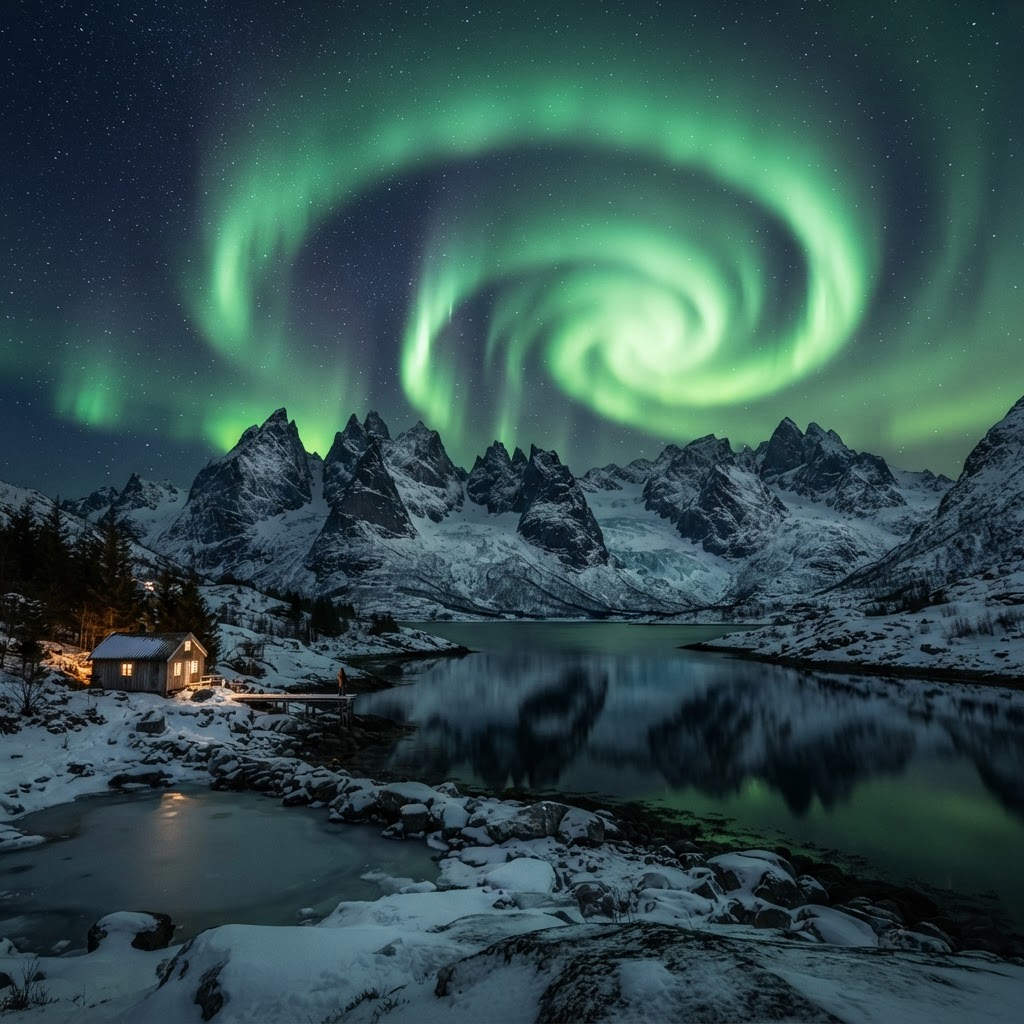
The dance of the Aurora Borealis over Arctic peaks is perhaps the most ethereal spectacle on our planet. As vibrant ribbons of emerald, violet, and crimson unfurl across the velvet darkness of the polar night, the surrounding snow-capped summits become illuminated in a ghostly, shifting glow. For travelers and dreamers alike, witnessing this celestial display is often a once-in-a-lifetime experience that transcends mere sightseeing, connecting us to the raw, untamed beauty of the High North.
Understanding the Aurora Borealis
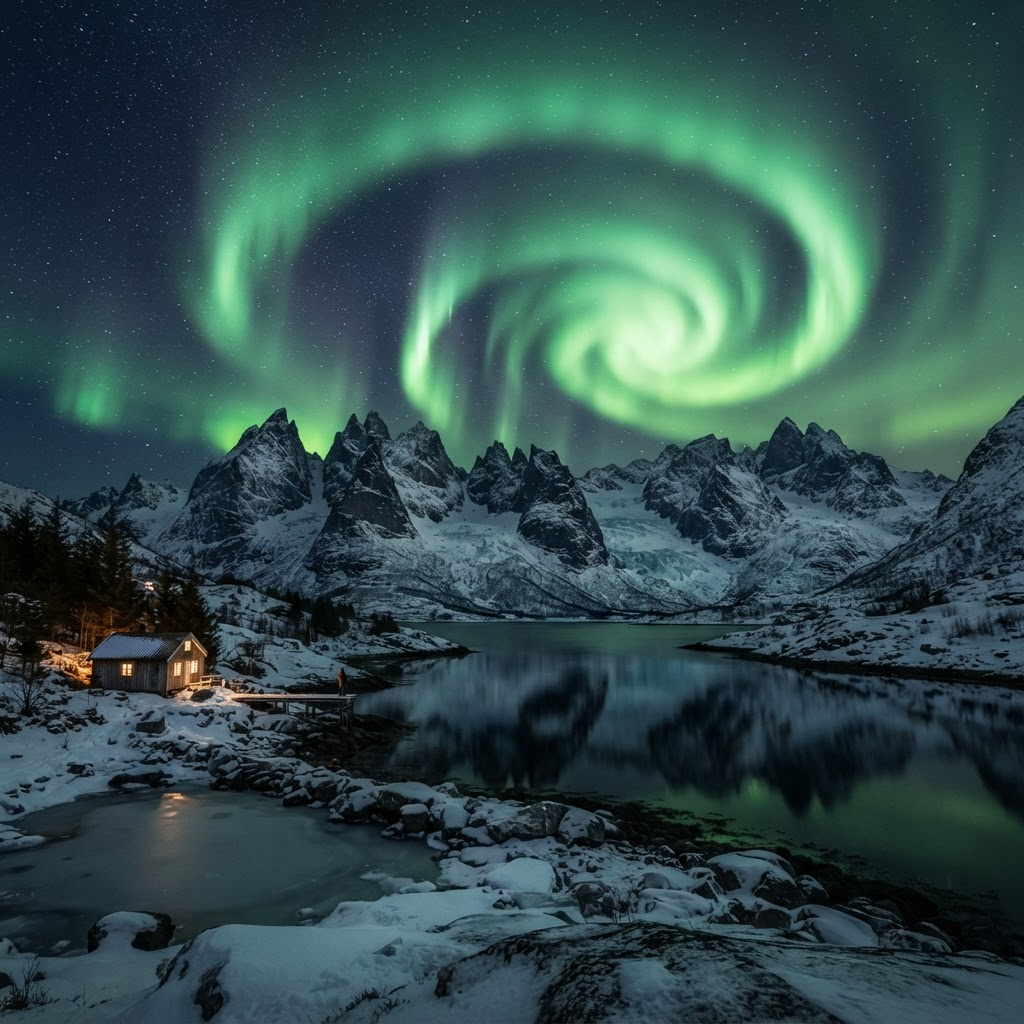
At its core, the Northern Lights are a result of a complex interplay between the sun and Earth’s magnetic field. Solar particles, ejected during solar flares or coronal mass ejections, travel across the vacuum of space and collide with the gases in our upper atmosphere. When these charged particles strike oxygen and nitrogen atoms, they excite them, causing them to emit light as they return to their ground state. This process turns the sky into a massive, natural neon sign.
The Science of Color
While we often associate the aurora with green, other colors can emerge depending on the altitude and the type of gas being excited. Oxygen atoms at lower altitudes produce the familiar yellow-green hue, while high-altitude oxygen results in rare, ethereal red displays. Nitrogen, on the other hand, is responsible for the shades of blue and purple that occasionally fringe the bottom of the aurora’s curtains.
Best Destinations for Arctic Viewing
Not all places are created equal when it comes to chasing the lights. To see the Aurora Borealis over Arctic peaks, you must position yourself within the “auroral oval,” a ring-shaped zone centered on the magnetic North Pole. Places like Tromsø in Norway, Abisko in Sweden, and the remote wilderness of Finnish Lapland offer pristine environments where the light pollution is minimal and the terrain is dramatic.
Why Terrain Matters
Mountains add a layer of depth to your viewing experience. When the aurora reflects off snow-covered valleys and peaks, the entire landscape feels alive. The elevation of these Arctic peaks can also provide a vantage point above local weather systems, sometimes allowing you to look down upon clouds that might otherwise obscure your view of the heavens.
Timing Your Arctic Expedition
The timing of your trip is as critical as your destination. While the aurora occurs throughout the year, it remains invisible during the long daylight hours of the Arctic summer. Your best chances of seeing the lights occur from late September to late March, when the nights are at their darkest.
| Season | Conditions | Suitability |
| — | — | — |
| Autumn | Mild temperatures, no snow | Good |
| Mid-Winter | Cold, dark, best contrast | Excellent |
| Spring | Longer days, stable weather | Very Good |
Monitoring Solar Activity
In addition to the season, monitor the Kp-index. This scale, ranging from 0 to 9, measures geomagnetic activity. While a low Kp-index can still produce beautiful displays in high-latitude regions, a higher index suggests a more widespread and active aurora that may be visible further south.
Essential Gear for Arctic Photographers
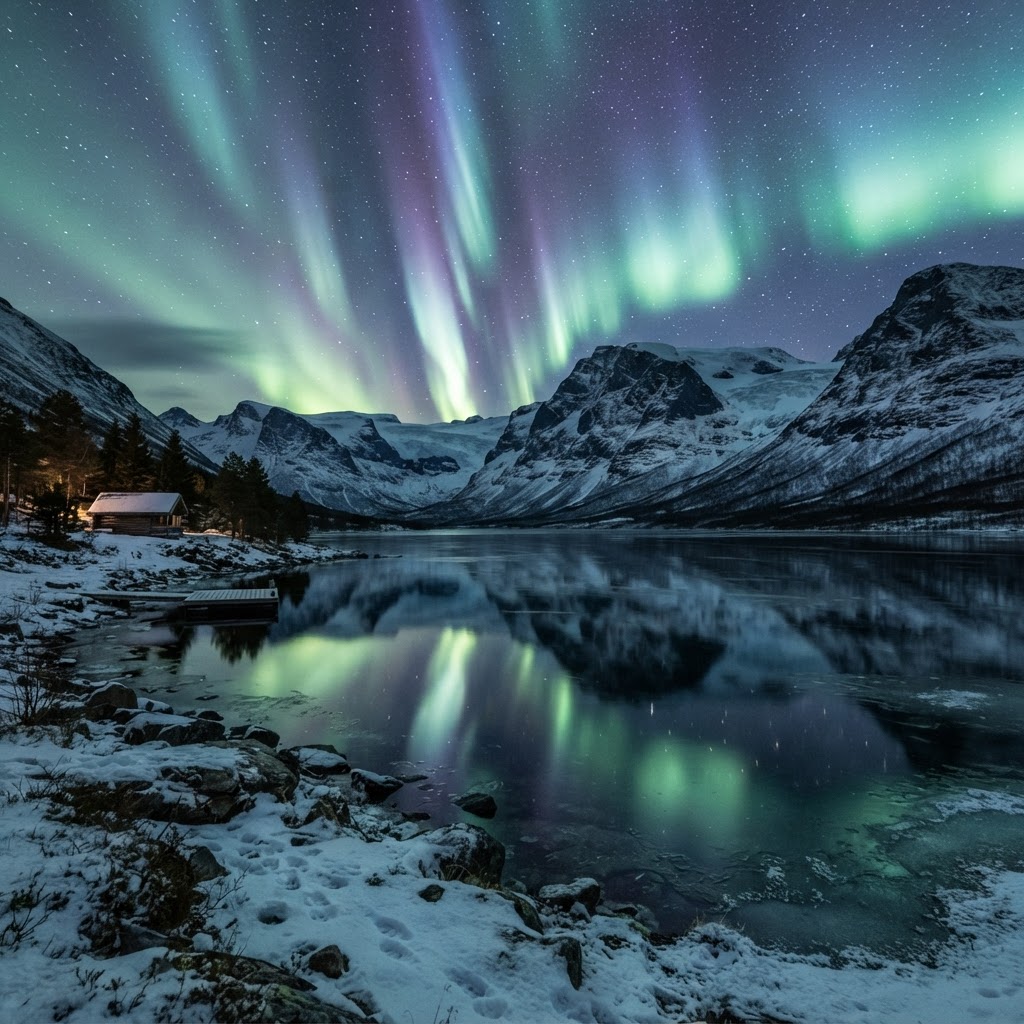
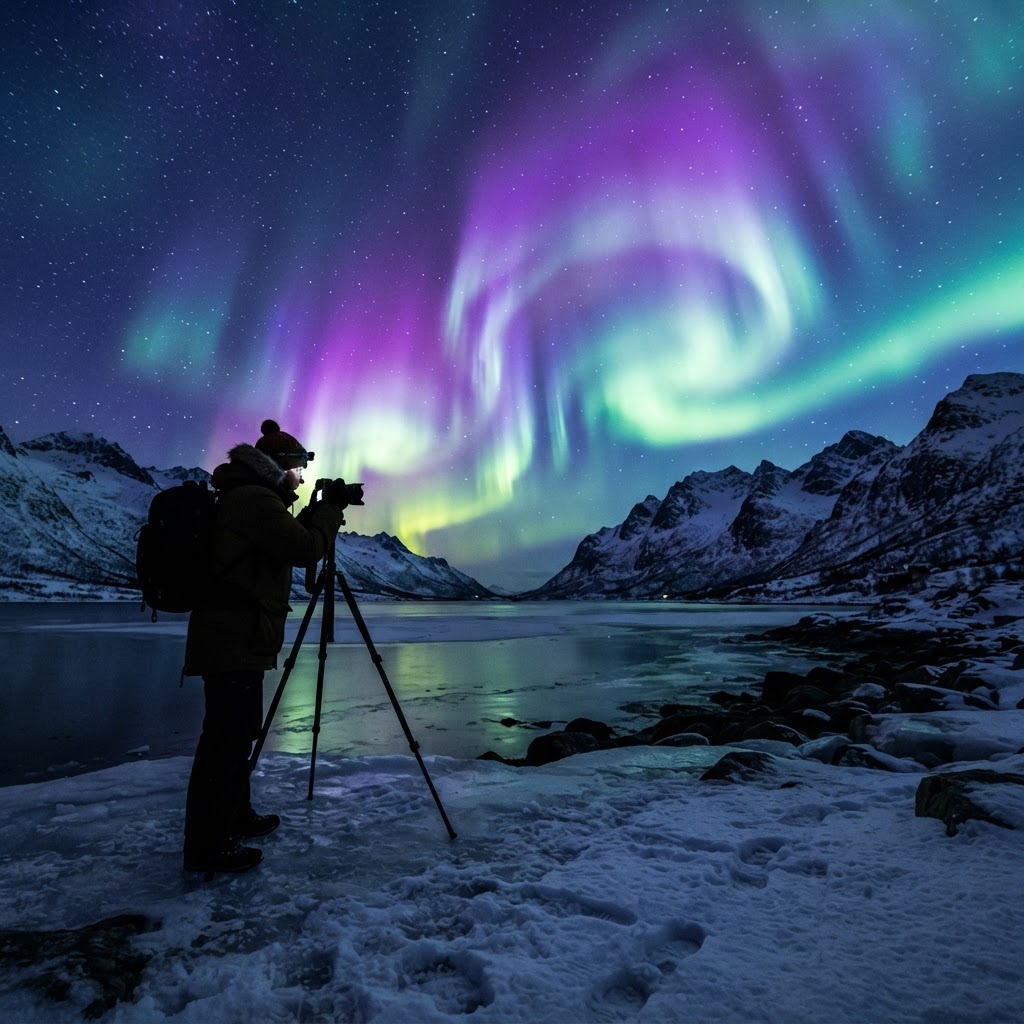
Capturing the Aurora Borealis over Arctic peaks requires more than just a camera; it requires endurance in extreme conditions. Your equipment will face rapid battery drainage due to the cold, and your steady hands will be tested by sub-zero winds. Always carry extra batteries, keeping them in an inner pocket close to your body heat.
Camera Settings for Success
To capture the lights, you need a camera capable of manual mode. Start with a wide-angle lens with a large aperture (f/2.8 or lower) to gather as much light as possible. Use a sturdy tripod, as long exposures are mandatory. Set your ISO between 800 and 3200, and experiment with exposure times ranging from 5 to 20 seconds depending on the speed of the aurora’s movement.
Safety in the Polar Wilderness
The Arctic is unforgiving, and when you are busy staring at the sky, it is easy to lose track of your surroundings. Hypothermia is a genuine risk, even if you are just stepping out for a few minutes. Always dress in layers, utilize thermal boots, and ensure that someone knows your location if you are heading into the backcountry.
Respecting the Environment
Sustainable tourism is vital in these delicate ecosystems. Avoid trampling on fragile tundra vegetation and ensure you leave no trace. The goal is to preserve the pristine nature of these Arctic peaks so that future generations can witness the aurora just as we do today.
Cultural Connections to the Sky
For the indigenous Sámi people and other Arctic cultures, the Northern Lights have long been a source of myth and reverence. Some stories describe the lights as the spirits of ancestors, while others warn of the power contained within the shifting curtains. Learning about these traditions adds a rich layer of meaning to your trip, transforming your observation from a scientific event into a cultural encounter.
Preparing for Your Journey
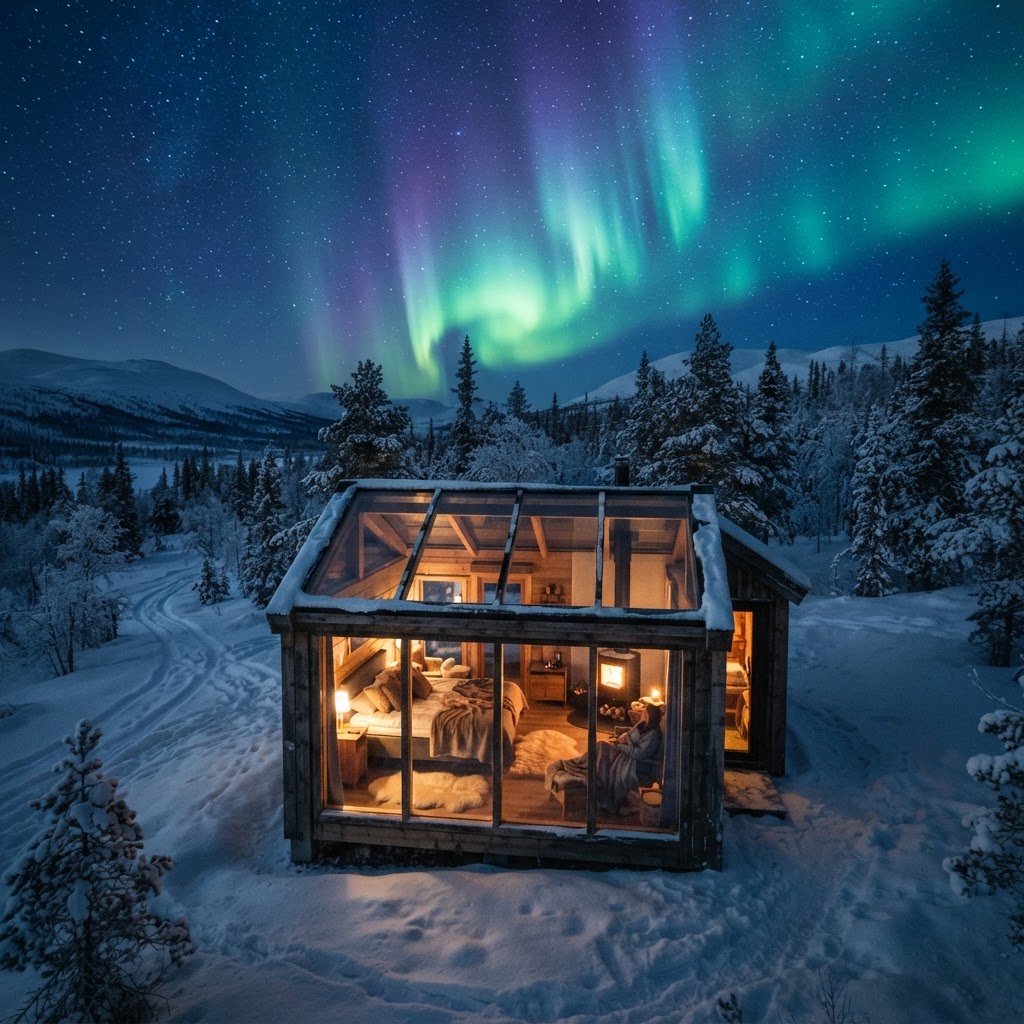
Planning an expedition to see the aurora is an investment in time and resources. Start by booking accommodations well in advance, especially if you are targeting prime locations like the Lofoten Islands. Look for “aurora lodges” that offer glass-roofed cabins, allowing you to watch the sky directly from your bed if the weather turns inclement.
The Final Checklist
Before you go, make sure you have the following essentials:
- Thermal base layers (merino wool is ideal).
- A high-quality headlamp with a red-light mode (this preserves your night vision).
- A thermos for hot tea or cocoa.
- Offline maps or GPS devices.
- A positive attitude—nature does not always follow our schedules.
Conclusion
Witnessing the Aurora Borealis over Arctic peaks is a humbling reminder of our place in the universe. It is a dance of energy, a manifestation of the sun’s power, and a testament to the beauty of our planet’s wild spaces. While the cold may be biting and the planning may be extensive, the moment the sky ignites with color, every effort becomes worth it. Are you ready to witness the lights for yourself? Start planning your Arctic adventure today and look toward the stars.
Don’t let another season pass without seeing this miracle of light. Book your trip to the Arctic circle, pack your camera, and prepare to be amazed.
Leave a Reply