
Big Ben at blue hour is best photographed from Westminster Bridge for iconic views or the South Bank for artistic reflections. To capture the perfect shot, arrive 45 minutes before sunset with a sturdy tripod, use a low ISO of 100-200, and a shutter speed between 2 to 10 seconds to balance the clock’s glow with the indigo sky.
The Magic of the Blue Hour
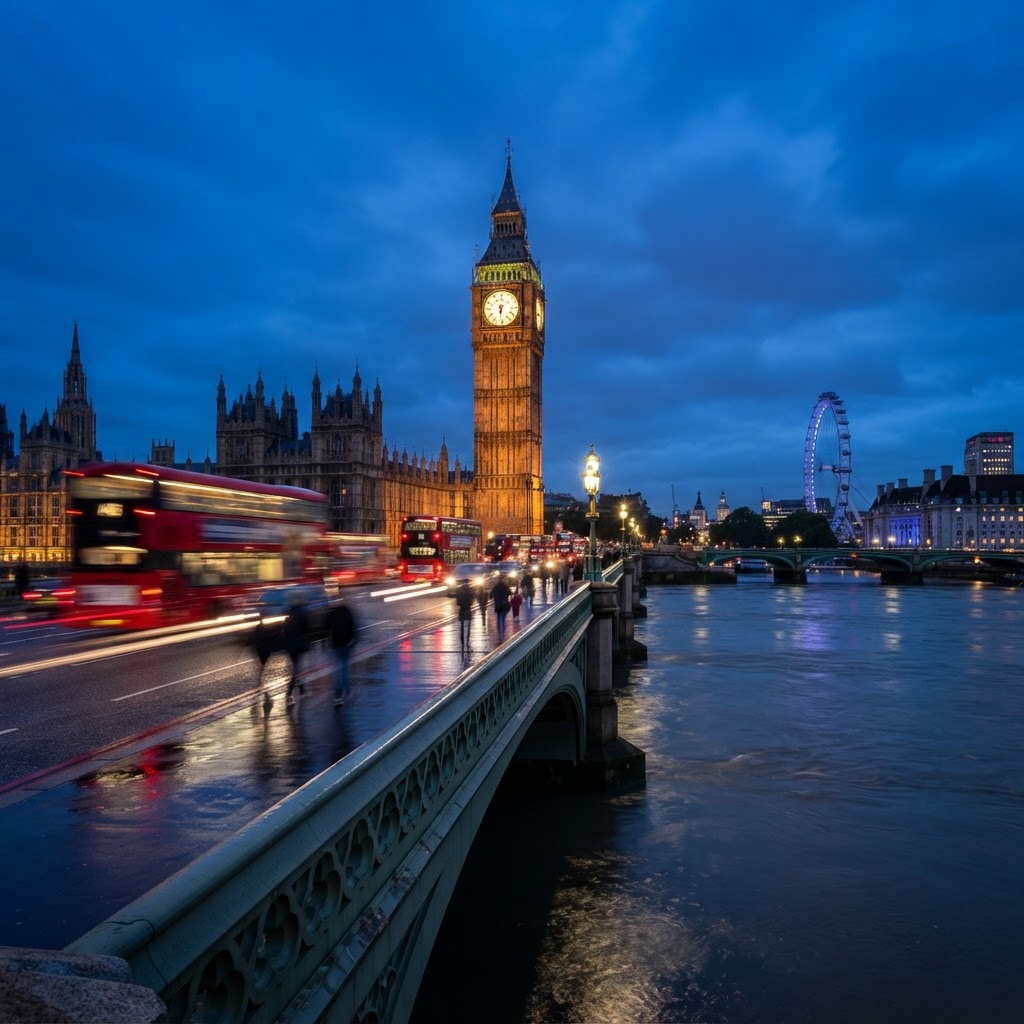
Blue hour occurs during the fleeting 20-30 minute window when the sun sits between 4 and 8 degrees below the horizon, creating a unique atmospheric quality. During this transition, Rayleigh scattering ensures the sky maintains a deep, saturated indigo that perfectly complements the warm 2700K color temperature of the Elizabeth Tower’s illumination. Unlike golden hour, which provides soft, directional light, the blue hour provides a high-contrast environment where architectural details on the Palace of Westminster are defined by a mix of ambient sky light and artificial city lighting. This is the optimal time for architectural photography in London because it minimizes the harsh shadows common in mid-day photography while ensuring the clock face does not blow out due to extreme contrast. Photographers should aim to capture their images at the exact moment the street lights flicker on, usually around 15 minutes after official sunset, to ensure the most vibrant color balance between the sky and the city’s historic stone facade.
Westminster Bridge: The Classic Vantage Point
Westminster Bridge provides the definitive “postcard” perspective of Big Ben and the Houses of Parliament, serving as the most popular location for both amateur and professional photographers. To achieve this shot, position yourself on the eastern sidewalk of the bridge, closest to the Houses of Parliament, to capture the full architectural length of the building alongside the clock tower. Frame your composition to include the iconic red London buses passing through the foreground; using a shutter speed of 2 to 5 seconds will transform these vehicles into vibrant light trails that create a sense of motion against the static, stoic stone of the tower. Due to the high foot traffic on the bridge, a tall, steady tripod is essential to prevent camera shake caused by pedestrians walking nearby. If you are struggling with crowd interference, position your tripod low and point your camera slightly upward to crop out tourists while emphasizing the verticality of the tower against the darkening sky.
The South Bank: Low Angles and Reflections
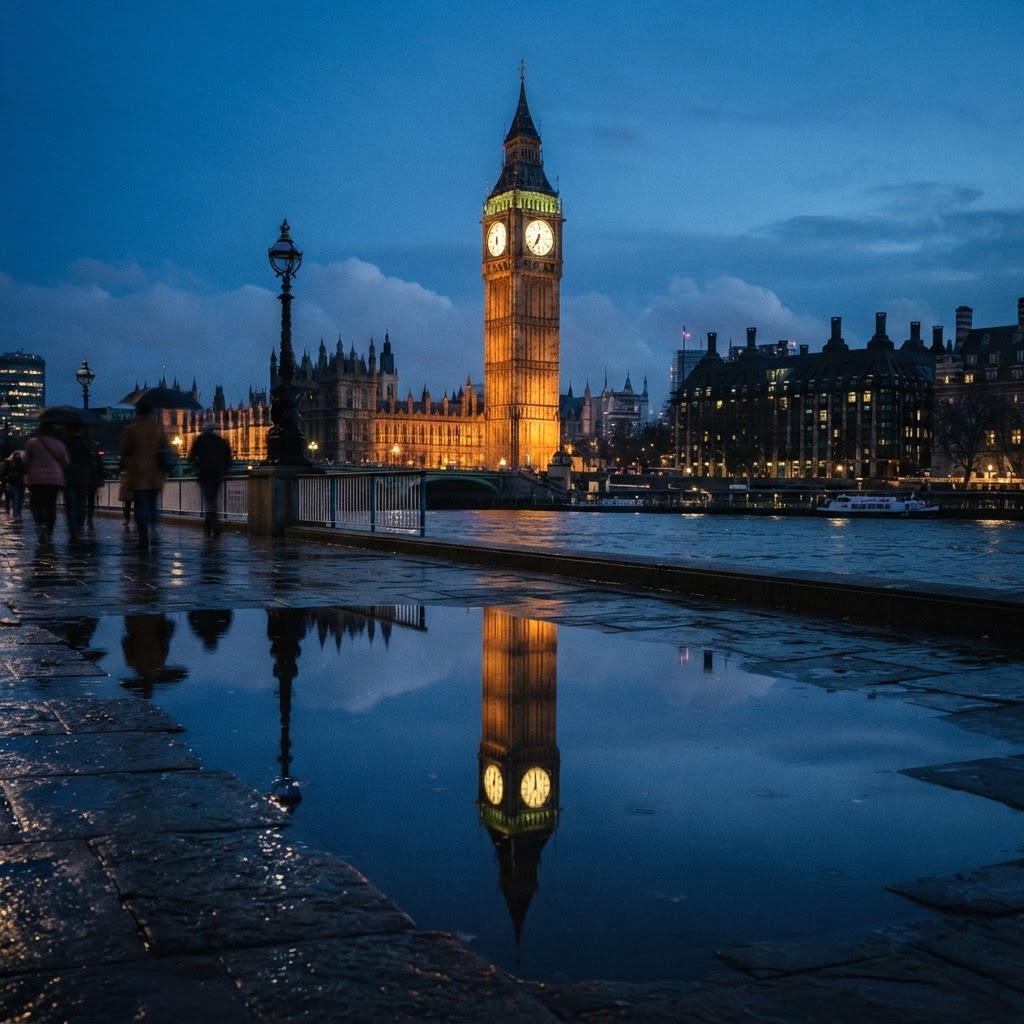
The South Bank, specifically the stretch near the London Eye and Jubilee Gardens, offers a superior, less congested vantage point for capturing the architectural scale of Big Ben through reflections. By placing your camera near ground level, you can utilize the Thames’ edge or rainwater puddles to create a symmetrical “mirror” effect that doubles the visual impact of the tower’s illumination. This location is ideal for wide-angle lenses, as it allows you to capture the entire height of the Elizabeth Tower while framing the River Thames in the bottom third of the composition for a balanced rule-of-thirds display. The South Bank also offers better protection from the high winds often felt on the bridge, making it easier to keep a tripod steady during long exposures of 10 seconds or more. Because this area is slightly farther from the main road, the ambient noise is lower, allowing for a more meditative and precise shooting experience as the sky transitions from dusk to total night.
Victoria Embankment Gardens
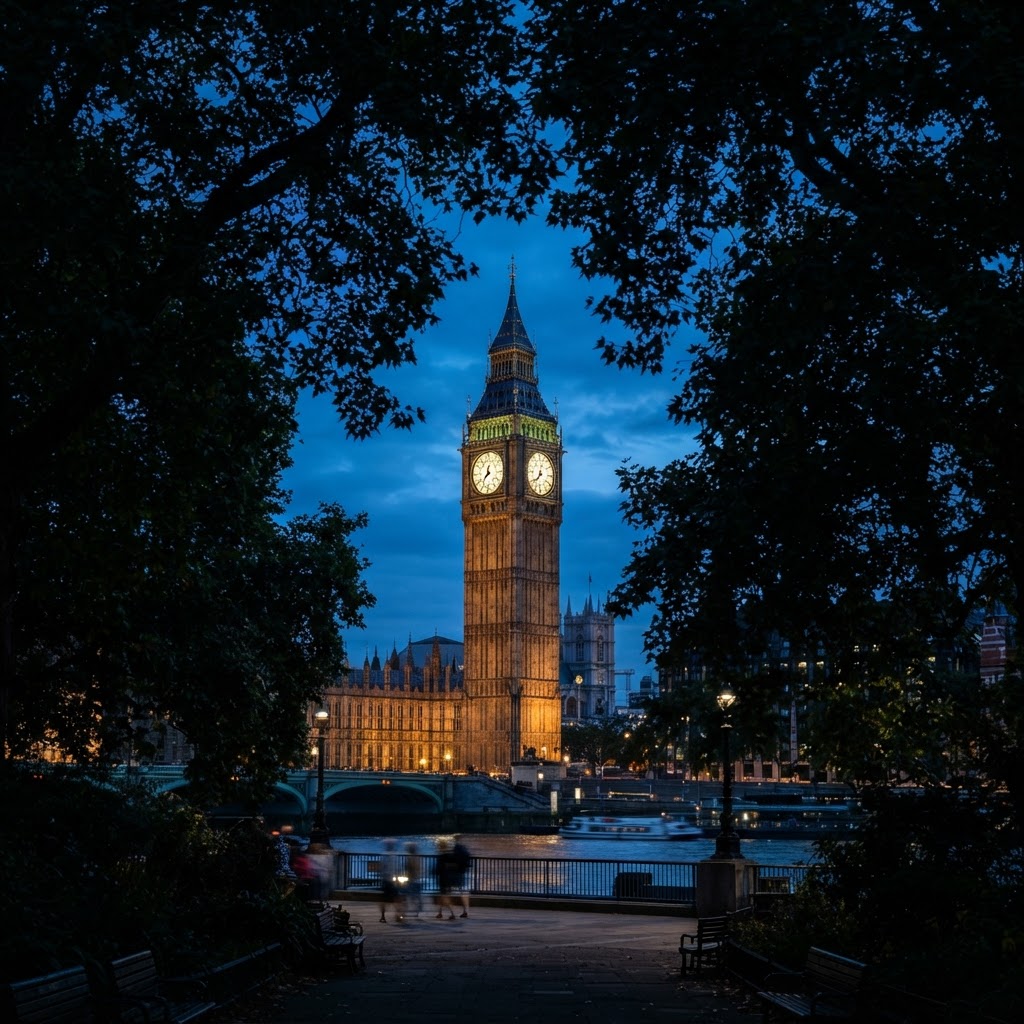
Victoria Embankment Gardens provides a unique, softened perspective by framing Big Ben through natural elements like silhouetted trees and historical statues. This location is best utilized with a slightly longer focal length, such as a 50mm or 85mm lens, to compress the scene and make the clock tower appear larger in relation to the foreground garden features. You must arrive at this location at least 45 minutes before local sunset time to secure a spot, as the garden pathways can become narrow and challenging for tripod setups during peak hours. Observe the transition of the clock face closely; when the interior lights engage, the contrast between the dark sky and the glowing face reaches its zenith for approximately 10 minutes. This spot is particularly recommended for photographers who have already captured the classic bridge shots and are looking to add an organic, atmospheric layer to their London portfolio through creative layering and foreground interest.
Technical Settings for Night Photography
Success in architectural night photography relies heavily on precise camera settings to maximize clarity while eliminating digital noise. Always shoot in RAW format to capture the full 14-bit dynamic range, which is critical for recovering details in the deep shadows of the stone architecture during post-processing. Use manual focus (or back-button focus) to ensure the clock face is tack-sharp, as autofocus systems often struggle in low-light, high-contrast conditions. When processing your images, adjust the white balance toward the ‘Tungsten’ or ‘Incandescent’ setting (around 2800K) to neutralize the artificial orange glow of the tower, or keep it closer to 4000K if you want to maintain a warmer, more romantic feeling in the final output.
Recommended Camera Settings
- Aperture: Use f/8 to f/11 for optimal depth of field and sharpness across the building.
- ISO: Lock at ISO 100 to prevent grain in the dark sky areas.
- Shutter Speed: Use a 2 to 15-second exposure depending on the available light.
- White Balance: Tungsten/Incandescent (2800K-3200K) to control the warm tower light.
Essential Gear for the Perfect Shot
High-quality night photography requires a robust support system because even a microscopic tremor will ruin the sharpness of the clock’s intricate features. A carbon-fiber tripod is the gold standard for travel photographers, as it provides the necessary weight to remain stable in the wind without being overly burdensome to carry between locations. Always hang your camera bag from the tripod’s center column hook to add ballast if the riverside wind gusts increase. Furthermore, using a remote shutter release or the camera’s 2-second timer is non-negotiable; this delay allows the vibrations from your finger pressing the button to dissipate before the shutter actually opens. Consider carrying a microfiber cloth to wipe the lens frequently, as the humidity from the River Thames can cause fogging on glass elements during long, multi-hour shoots in the cool evening air.
Avoiding the Crowds
Navigating the area around Westminster requires a strategic approach, as it remains one of the world’s most visited tourist hubs. Mid-week, specifically Tuesday and Wednesday evenings, offers the lowest pedestrian density compared to the heavy footfall of Friday nights and weekends. If you are committed to achieving a clean, crowd-free frame, the absolute best strategy is to visit during the ‘morning blue hour’ occurring just before sunrise. The light quality is technically identical to the evening, but the streets are significantly emptier, and you are far less likely to have your tripod setup blocked by tourists or commuters. Additionally, local security and Metropolitan Police are generally more accommodating to photographers in the early morning hours, provided you are not obstructing public access routes or creating a safety hazard for pedestrians.
FAQ
Q: What is the best time to photograph Big Ben?
The best time is during the blue hour, which occurs for 20-30 minutes immediately after sunset. Arriving 45 minutes before sunset ensures you have enough time to scout the location, set up your gear, and test your exposure before the ambient light drops.
Q: Do I need a tripod to shoot Big Ben at night?
Yes, a sturdy tripod is essential for night photography at Big Ben. Because you need to use a low ISO and a narrow aperture (f/8-f/11) to maintain image quality and focus, your shutter speed will likely be too slow for handheld shooting.
Q: Can I use a flash to photograph Big Ben?
No, do not use a flash. The flash will only illuminate objects within a few meters of your camera and will have no effect on the distant clock tower, while also potentially annoying other tourists and ruining the atmospheric, natural light of the blue hour.
Q: What is the best lens for Big Ben photography?
A wide-angle lens (16mm to 35mm) is best for capturing the full scale of the building from the bridge or South Bank. If you are shooting from Victoria Embankment Gardens, a medium zoom lens (24mm to 70mm) provides more flexibility to frame the tower through trees.
Q: Are there legal restrictions for tripod photography in London?
Generally, tripod use is permitted in public spaces like Westminster Bridge and the South Bank. However, avoid blocking pedestrian walkways or emergency access points, as local security may ask you to move if you are deemed a nuisance to the flow of traffic.
Mastering the Logistics: Beyond the Camera Settings
Getting the shot requires more than technical skill; it requires patience with London’s unpredictable reality. The weather is your biggest variable, as cloud cover can turn a vibrant blue hour into a flat, gray disappointment. Always check the Met Office app specifically for wind speeds; gusts above 15 mph make long exposures difficult even with a heavy tripod. You should also pack a microfiber cloth, as the mist from the Thames frequently coats lenses in a fine layer of moisture.
The Best Time of Year to Visit
Timing your visit depends heavily on the sunset. In summer, the sun sets quite late, often after 9:00 PM, which puts you in the middle of a bustling crowd. Winter provides the best opportunity for photography, as the sun drops as early as 4:00 PM. This earlier hour means the city lights are fully active and the commute traffic is at its peak, providing more consistent motion for light trails. You also avoid the intense summer humidity that can soften the clarity of the clock face.
Common Pitfalls and How to Sidestep Them
- Ignoring the Tide: The Thames is a tidal river. If you want those perfect reflections on the South Bank, visit during high tide. Low tide reveals muddy embankments that distract from the aesthetic. Check a local tide table before setting your tripod legs.
- The Red Bus Trap: Everyone wants a blurred red bus in their frame, but timing is everything. Do not trigger your shutter when the bus is right in front of the tower; it will obscure the architecture. Wait until the bus enters the frame from the side to create a lead-in line toward the clock.
- Over-processing the Blues: Beginners often crank the saturation slider to make the sky look electric. This creates an unnatural, plastic appearance. Keep your sky slightly desaturated to maintain the moody, metallic finish of London’s evening atmosphere.
A Photographer’s Essential Checklist
- Tripod Stability: Ensure your tripod has a hook for your camera bag to lower the center of gravity.
- Cable Release: Use a remote shutter release or the camera’s two-second self-timer to eliminate vibration from your finger pressing the button.
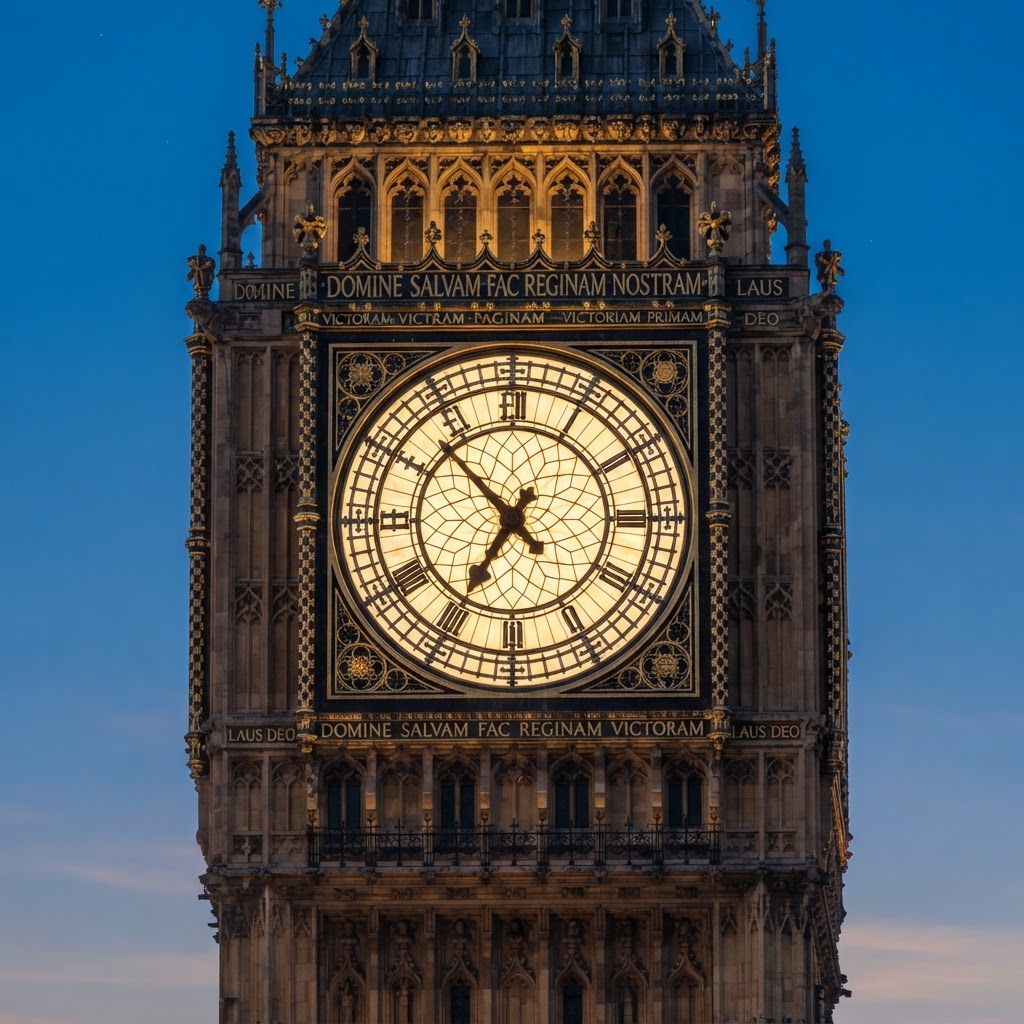
- Lens Choice: A 24-70mm lens is perfect. Use 24mm for wide shots from the bridge and 70mm for tight, clean compositions of the clock face.
- Battery Power: Long exposures drain batteries rapidly. Carry two fully charged spares, especially in winter when the cold shortens battery life.
Frequently Asked Questions
Do I need a permit to take photos of Big Ben?
No, you do not need a permit for personal photography. You are standing on public land and shooting from a public vantage point. However, if you plan to set up professional lighting equipment or block a significant portion of the walkway, police may ask you to move for public safety reasons.
Is it safe to photograph at night in this area?
Yes, the area around Westminster Bridge and the South Bank is well-lit and heavily monitored. You will be surrounded by tourists and commuters even at night. Still, keep your camera bag zipped and positioned in front of you, as pickpockets do target distracted photographers in crowded areas.
Can I get a good shot with a smartphone?
Yes, but you need a steady hand or a small smartphone tripod. Use a long-exposure or night mode setting. If your phone allows manual controls, lock your focus on the tower and drop your exposure compensation by half a stop to prevent the lights from flaring.
Leave a Reply