
A British countryside road trip through the Cotswolds is best enjoyed over a 4-day itinerary, focusing on the honey-colored limestone villages of Castle Combe, Bibury, and Bourton-on-the-Water. To maximize your experience, visit during the shoulder months of May or September to balance mild weather with manageable visitor crowds.
Planning Your Cotswolds Adventure
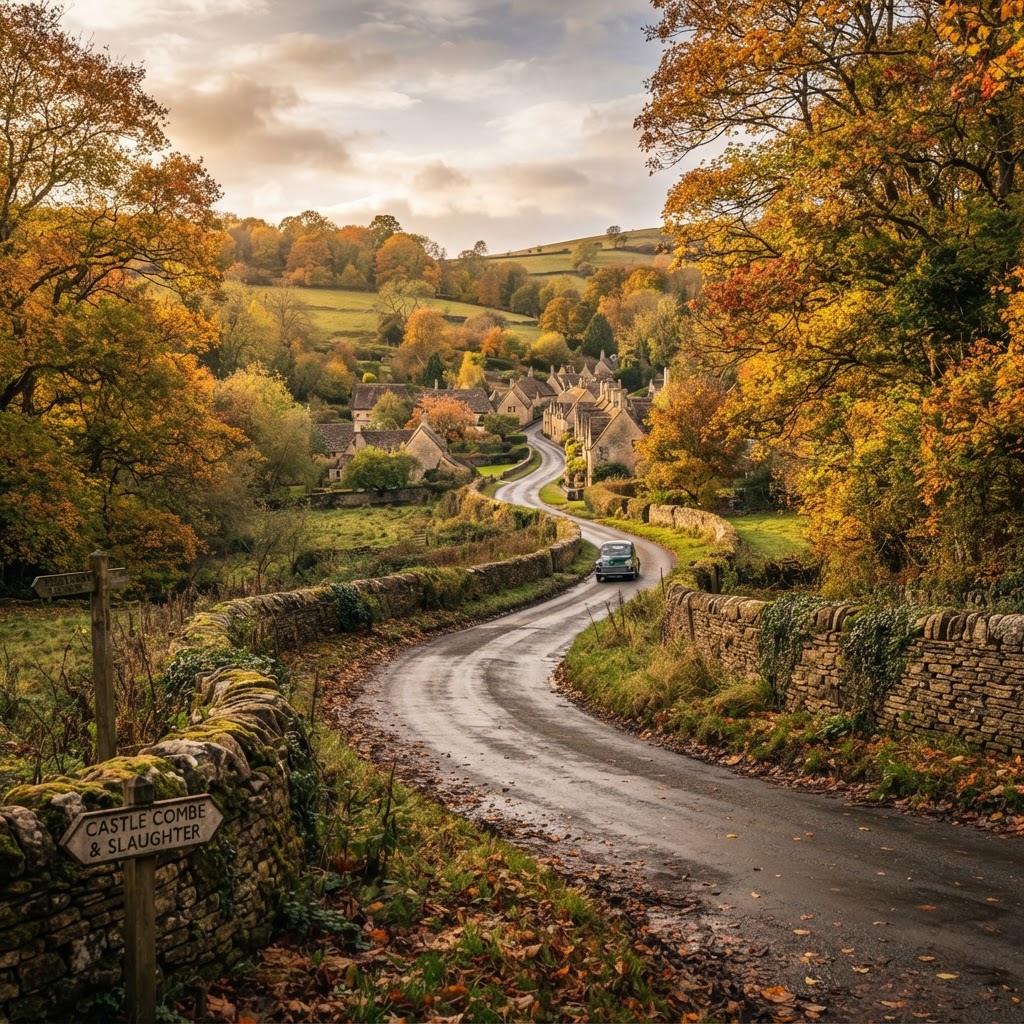
Planning your Cotswolds adventure requires acknowledging that the region spans nearly 800 square miles across five counties, necessitating at least 3 to 4 days to avoid rushing. A structured itinerary is essential to navigate this Area of Outstanding Natural Beauty effectively, allowing you to prioritize specific villages without feeling overwhelmed by the sheer density of historic sites. By mapping out your route in advance, you can ensure you spend less time driving and more time exploring the local culture.
Essential Items to Pack
Regardless of the season, British weather is notoriously unpredictable; you should pack layers and a high-quality waterproof jacket as standard gear. Comfortable walking shoes are non-negotiable, as most of the charm of the Cotswolds is found by wandering off the main road and exploring the cobblestone pathways that define these historic settlements. Finally, remember to pack a camera and spare batteries, as the unique golden-hour light hitting the limestone cottages creates postcard-worthy scenes at every turn.
Navigating the Scenic Routes
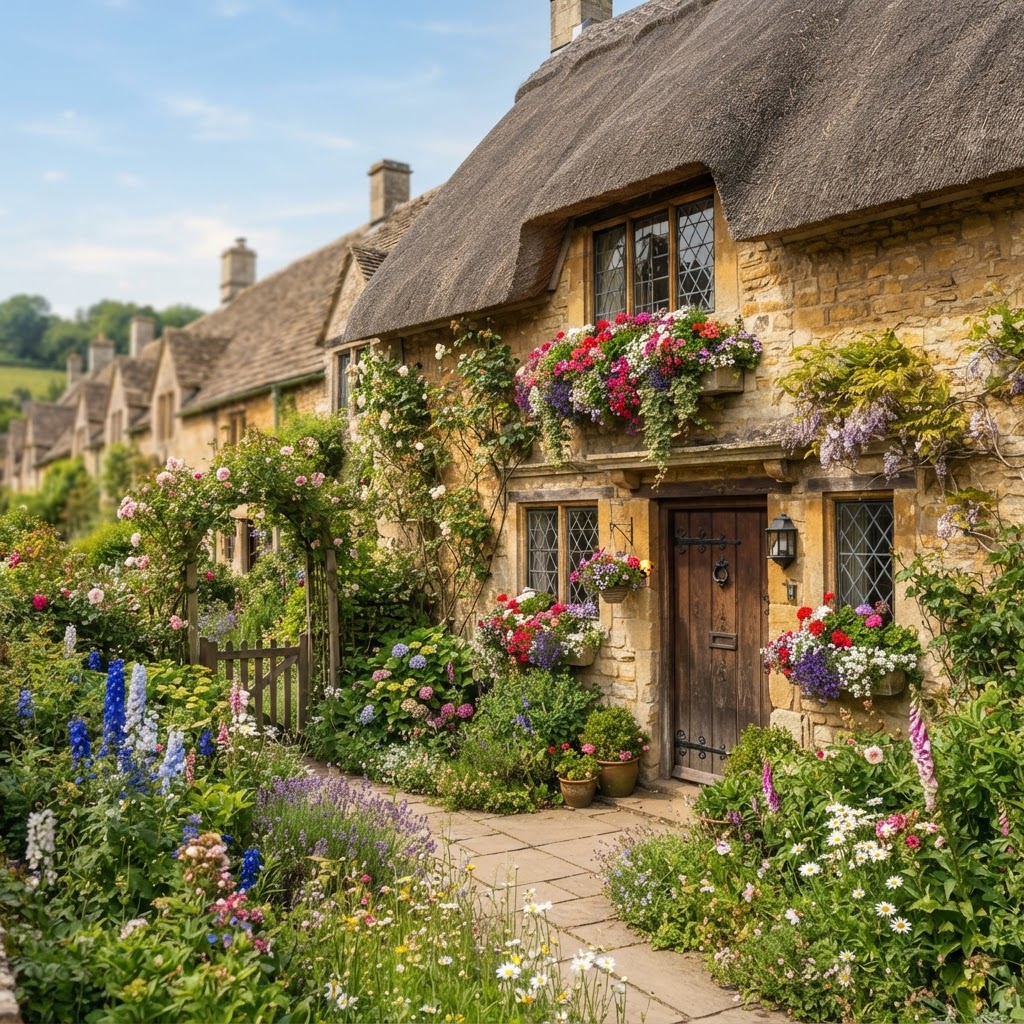
Navigating the scenic routes of the Cotswolds requires a blend of modern GPS tools and a patient, observant driving style suited for ancient, narrow lanes. Many of the region’s most picturesque paths are ‘single-track’ roads lined with centuries-old dry-stone walls, requiring drivers to utilize designated passing places to yield to oncoming traffic. This rural driving etiquette is a vital skill, as it forces you to slow down and appreciate the undulating landscape, which is often the most memorable part of the trip.
The Must-Visit Villages
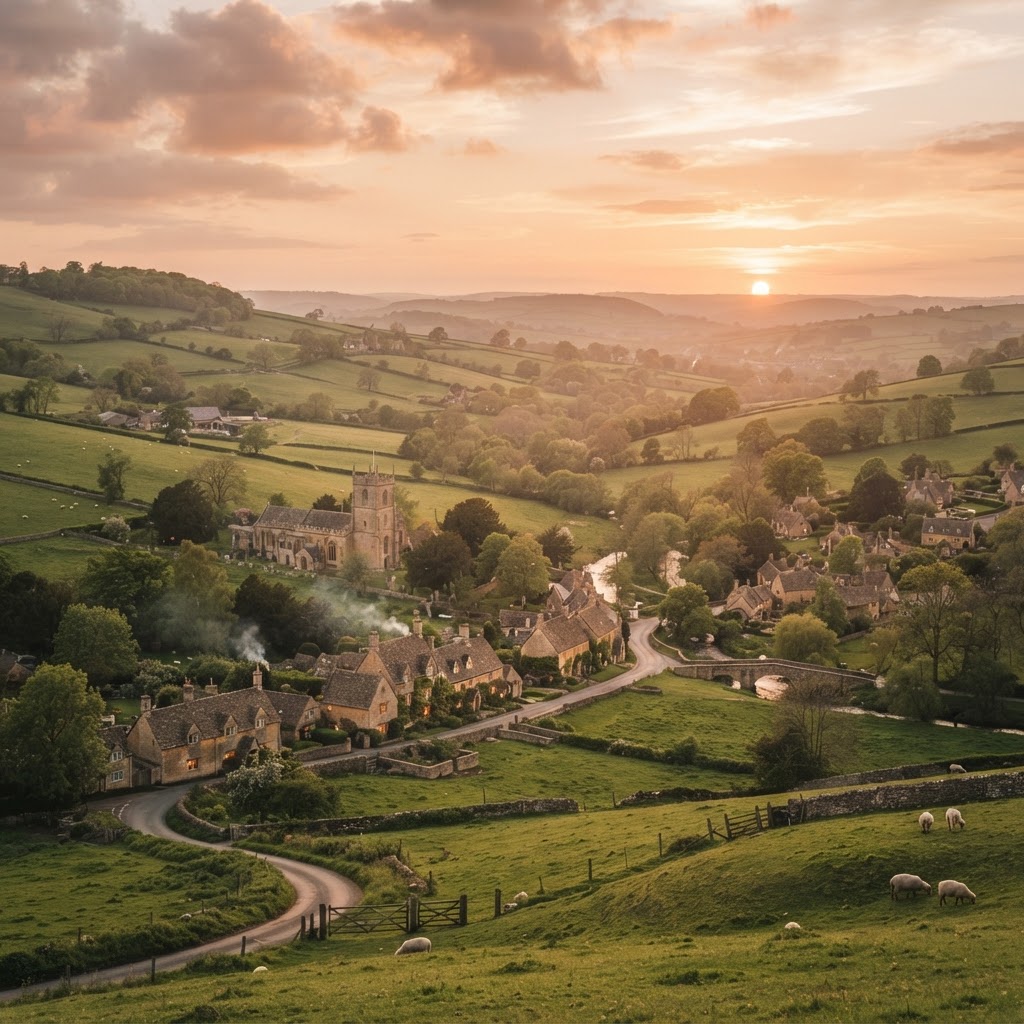
Exploring the quintessential villages of the Cotswolds reveals the region’s unique architectural character, with each town offering a distinct historical narrative. From the bustling, high-market energy of Stow-on-the-Wold to the serene, water-laced streets of Bourton-on-the-Water, these destinations form the backbone of your itinerary. You should allocate at least two to three hours per village to fully explore the local shops, historic churches, and hidden alleys that define their individual appeal.
- Castle Combe: Frequently ranked as one of England’s prettiest villages, it offers a preserved medieval experience with no modern streetlights to mar the view.
- Bibury: Home to the iconic Arlington Row, a collection of 14th-century weaver’s cottages that remain one of the most photographed spots in the UK.
- Broadway: Often called the ‘Jewel of the Cotswolds,’ this village features a wide, chestnut-tree-lined street and a thriving local arts and antiques scene.
- Chipping Campden: Renowned for its historic 17th-century Market Hall and its role as the center of the Arts and Crafts movement in the early 20th century.
- Painswick: Known as the ‘Queen of the Cotswolds,’ this village is famous for its churchyard containing 99 traditional clipped yew trees.
Culinary Delights and Local Flavors
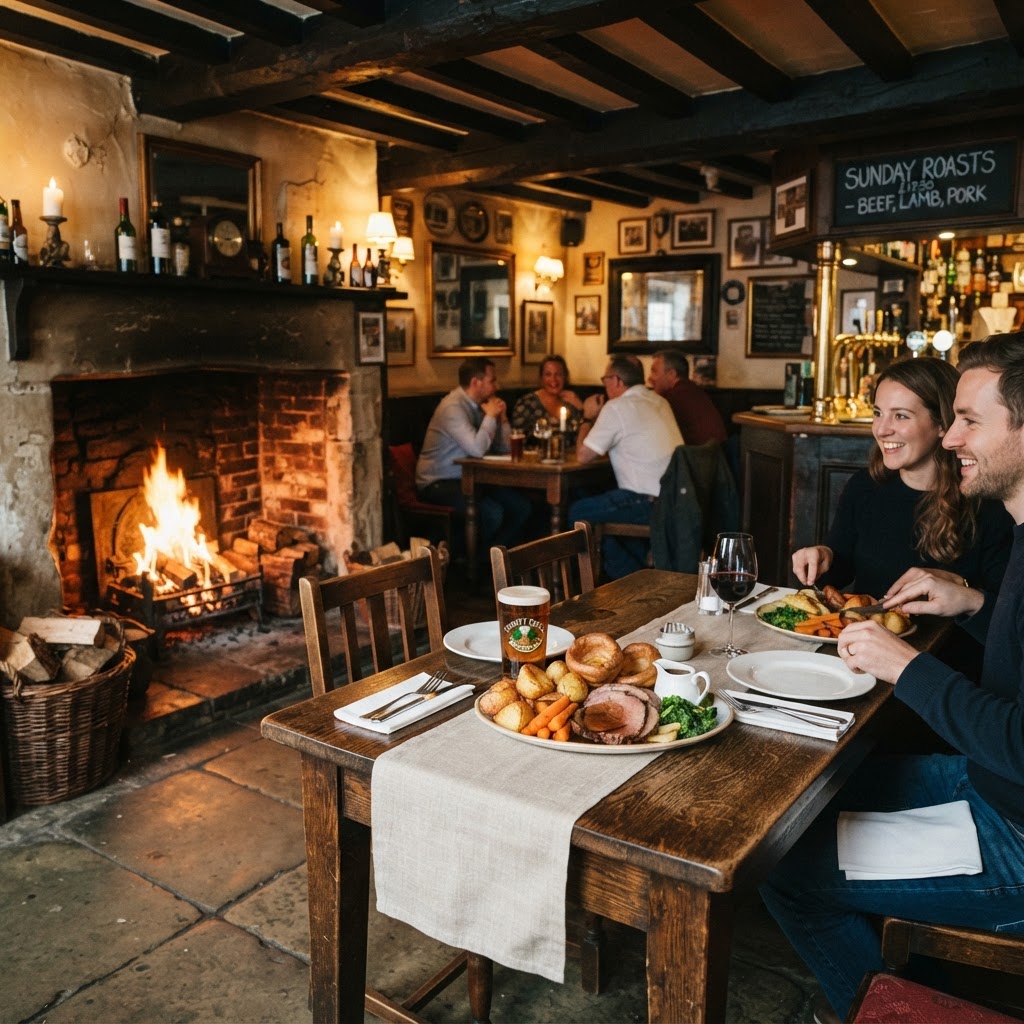
Cotswolds culinary culture centers on a thriving farm-to-table movement, where gastropubs and tea rooms prioritize locally sourced produce and traditional English recipes. A proper Sunday roast, featuring locally raised beef or lamb, is the regional gold standard and often requires reservations at least 48 hours in advance due to high local demand. Do not skip the regional cream tea; traditionally served with scones, clotted cream, and strawberry jam, it is best enjoyed in tea rooms housed in 16th-century buildings to fully immerse yourself in the authentic atmosphere.
Historical Landmarks and Hidden Gems
Beyond village centers, the Cotswolds landscape is punctuated by grand estates and ancient monuments that provide deep context to the region’s long history. Blenheim Palace in Woodstock is the standout destination, being a UNESCO World Heritage site and the grand birthplace of Winston Churchill, representing the height of English Baroque architecture. Beyond these major sites, smaller, less-crowded gems like Hidcote Manor Garden and Sudeley Castle offer intimate glimpses into the lives of English royalty and world-class horticultural design.
Practical Tips for the Road
Driving the English countryside requires a different mindset than motorway travel, primarily focusing on strict adherence to speed limits and vigilance regarding local hazards. You must keep left at all times and remain alert for wandering livestock and agricultural vehicles on narrow lanes, particularly in remote areas. Regarding logistics, parking in major villages can be highly congested on weekends, so prioritizing public car parks located on the town peripheries is a strategic move that saves time and stress.
Budgeting Your Trip
While the Cotswolds can be an upscale destination, budget-conscious travelers can manage costs by opting for independent bed-and-breakfasts instead of luxury hotel chains. You can significantly lower your daily expenditure by utilizing free public hiking trails and village parks, which offer high-value outdoor experiences without the entry fees associated with private estates or manicured gardens.
Sustainability and Responsible Tourism
Responsible tourism in the Cotswolds focuses on protecting the delicate natural environment and the integrity of historic structures for future generations. You should strictly adhere to marked footpaths to prevent soil erosion and avoid disturbing agricultural land, which is the lifeblood of the regional economy. Furthermore, your choice to patronize independent pubs and local markets ensures that tourism revenue stays within the local community rather than flowing toward large, non-local corporations.
FAQ
Q: How many days do you need for a Cotswolds road trip?
You should plan for a minimum of 3 to 4 days to properly experience the Cotswolds without feeling rushed. This duration allows enough time to visit the major villages, explore a few historic estates, and enjoy local dining without spending your entire vacation behind the wheel.
Q: Is it difficult to drive in the Cotswolds?
Driving in the Cotswolds is generally manageable but requires patience due to narrow, winding single-track roads. If you are not accustomed to driving on the left side of the road or handling rural lane etiquette, take it slow and utilize the designated passing places to yield to oncoming traffic.
Q: What is the best month to visit the Cotswolds?
May and September are the optimal months to visit the Cotswolds for the best balance of pleasant weather and lower visitor volumes. During these shoulder months, you can avoid the heavy crowds of mid-summer while still enjoying accessible outdoor activities and beautiful seasonal landscapes.
Q: Are the Cotswolds expensive to visit?
While the region has a reputation for being an upscale destination, it can be budget-friendly if you choose B&Bs over luxury hotels. Many of the region’s best experiences, such as public footpaths and historic village walking tours, are completely free to enjoy.
Q: Do I need a car to visit the Cotswolds?
Yes, having a car is highly recommended as public transport in the more rural parts of the Cotswolds is infrequent and limited. A private vehicle provides the flexibility needed to reach the most remote, picturesque villages that are not serviced by regular bus routes.
Common Mistakes and How to Avoid Them
Many first-time visitors try to pack five or six villages into a single day. This results in spending four hours behind the wheel and only thirty minutes enjoying the actual scenery. Instead, limit your exploration to two neighboring villages per day to truly soak in the atmosphere. Another classic error is relying solely on your GPS without checking local road alerts. Narrow lanes often close for essential maintenance or due to overgrown hedges during the harvest season. Always keep a physical map in your glove box as a reliable backup.
The Parking Trap
Avoid parking on the main street of popular spots like Bourton-on-the-Water. These areas fill up by 9:30 AM during summer months, leading to frustrating traffic jams. Use the designated public car parks located on the edge of each town. They are clearly marked and usually cost under five pounds for four hours of parking. You will save time and avoid the stress of navigating tight turns while looking for a nonexistent roadside spot.
Mastering the Cotswolds Culinary Scene
A true road trip is incomplete without stopping at the right local eateries. Do not be fooled by the generic tearooms that advertise cream teas right on the high street. Venture a few streets away to find the smaller, family-run cafes that bake their own scones fresh every morning. For dinner, look for pubs that explicitly state they source ingredients from nearby farms. You should always book your dinner table at least two weeks in advance if you are visiting on a weekend.
Budgeting Your Cotswolds Escape
The Cotswolds can be as affordable or as expensive as you decide. You should budget roughly 150 to 200 pounds per day for two people, excluding your accommodation. Fuel costs add up quickly on winding rural roads, so factor in an extra 40 pounds for a four-day trip. Admission to most heritage sites ranges from 10 to 20 pounds, but walking the public footpaths is entirely free. If you want to save money, pack a picnic lunch rather than dining out for every meal.
Road Trip Preparation Checklist
- Check your tire pressure and oil levels before departing from your base.
- Download offline maps for the entire Gloucestershire area to avoid signal drops.
- Carry a small supply of physical coins for pay-and-display parking machines.
- Pack a portable power bank to keep your camera and phone charged all day.
- Bring a sturdy umbrella that can withstand sudden gusts of wind.
Frequently Asked Questions
Should I skip any of the major tourist hubs?
Yes, consider skipping the most famous spots on Saturdays during July and August. The crushing crowds take away from the historical charm of villages like Bibury. Instead, seek out nearby gems like Minster Lovell or Great Tew for a much quieter, more authentic experience.
Is public transport a viable alternative to driving?
It is possible, but highly limiting for a short trip. Buses in the region are infrequent and rarely reach the smaller, hidden villages that make the Cotswolds special. You will miss the freedom to stop at scenic viewpoints if you rely on public transit. Renting a car is the single best investment you can make for this specific itinerary.
Leave a Reply