
Italian Riviera hidden coastal gems like Tellaro, Moneglia, Camogli, Sestri Levante, and Bonassola offer travelers an authentic escape from the crowded Cinque Terre. These charming villages provide visitors with pristine beaches, secluded hiking trails, local Ligurian culinary traditions, and a slower pace of life far from the typical cruise ship crowds.
The Allure of Liguria Beyond the Famous Stops
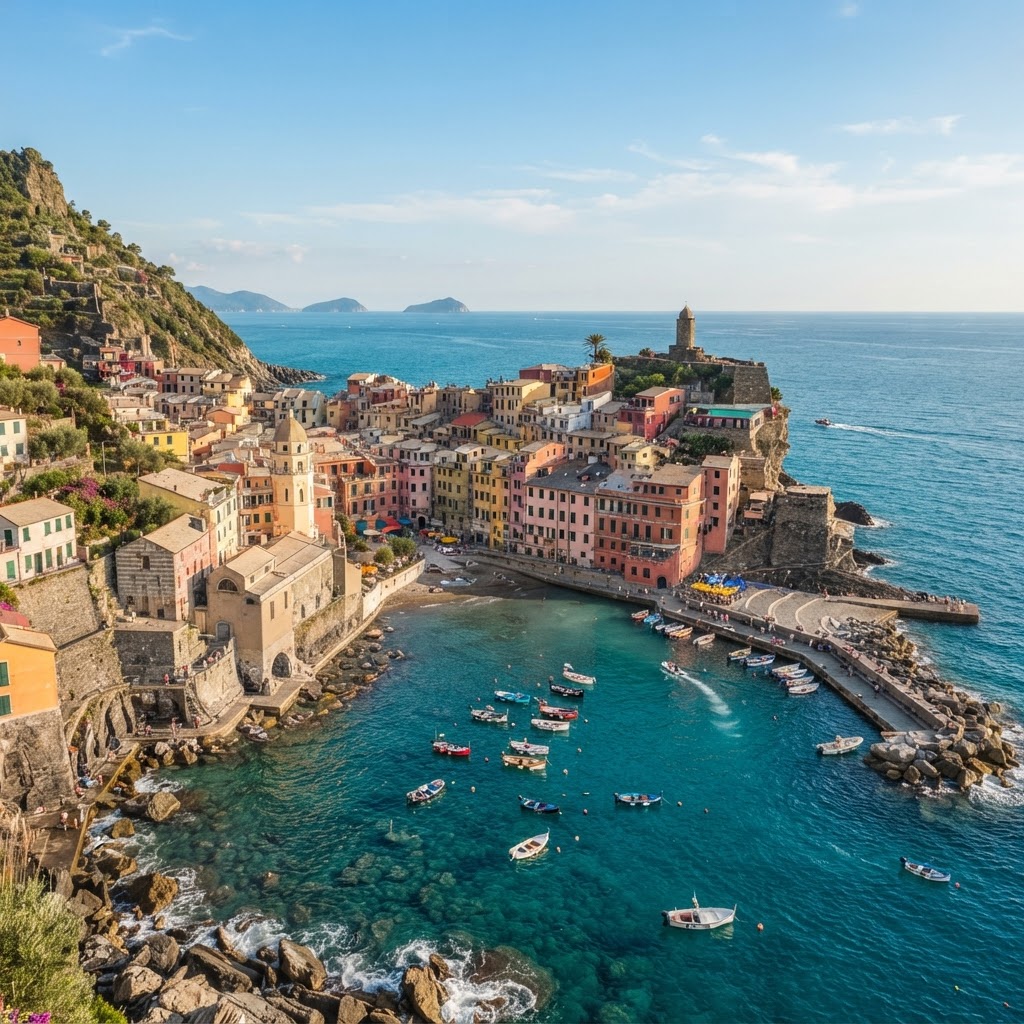
The Ligurian coast features a dramatic landscape where rugged mountains plunge directly into the deep blue Mediterranean Sea. While tourism has boomed in Portofino and Vernazza, the region remains dotted with dozens of tiny hamlets that capture the authentic spirit of the Mediterranean. These hidden gems serve as a reminder of what travel felt like decades ago: intimate, personal, and profoundly beautiful. Because these towns are not primary cruise ports, they maintain a local rhythm of life that is increasingly rare. By bypassing the big-ticket stops, you gain access to family-run trattorias where the menu is dictated by the morning catch rather than tourist demand. Furthermore, the logistical challenge of reaching these spots, such as navigating narrow mountain roads or restricted rail tunnels, inherently discourages mass tourism, ensuring that the tranquility of the coastline remains protected for those willing to seek it out. Travelers who prioritize these off-the-beaten-path locations often find lower accommodation prices, often ranging between 120-180 EUR per night in peak season compared to 300+ EUR in the Cinque Terre.
Tellaro: The Poet’s Secret Haven
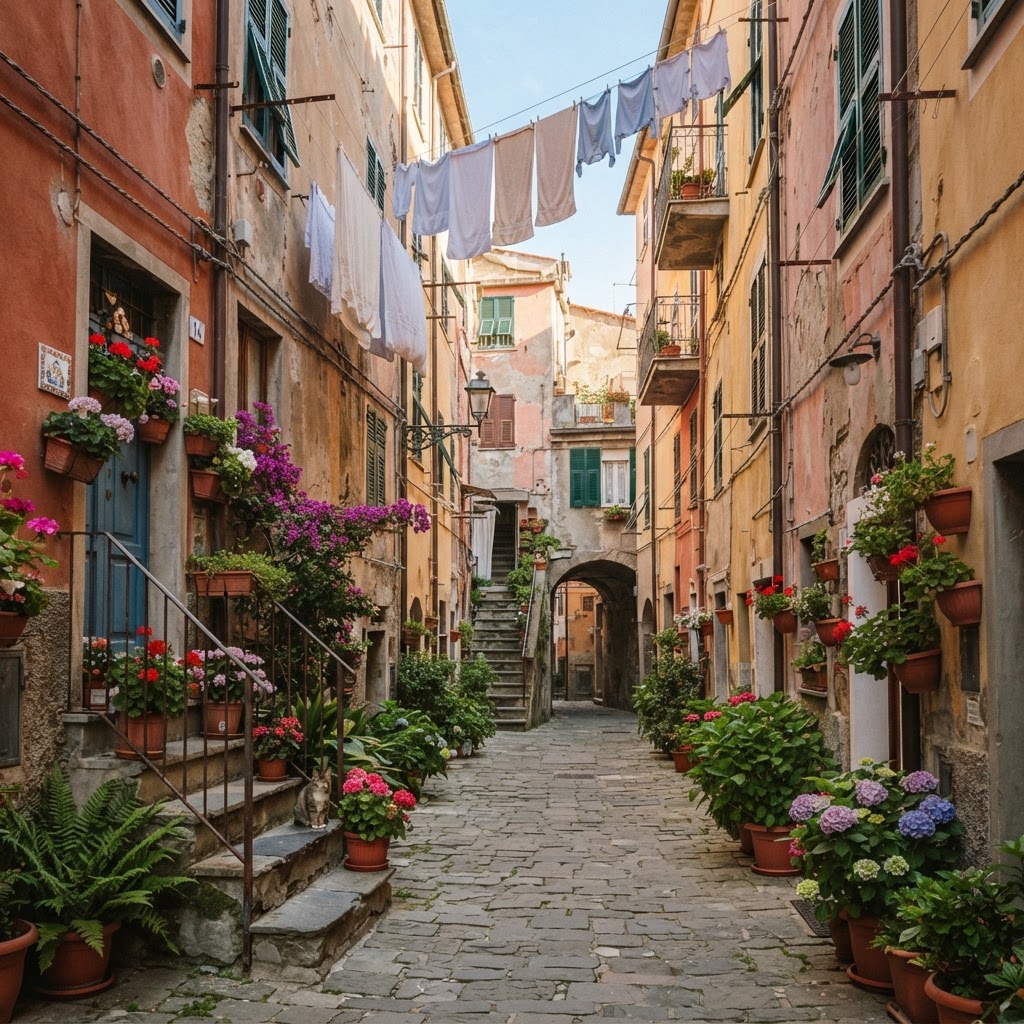
Perched on a dramatic rocky promontory, Tellaro is officially recognized as one of the most beautiful villages in Italy and remains a quiet sanctuary for artists and writers. Unlike its more famous northern neighbors, it lacks a large sandy beach, a geographical feature that keeps large day-tripper crowds at bay. Instead, visitors discover a labyrinth of steep, winding carruggi—narrow medieval alleys—that lead down to a tiny, picturesque harbor filled with traditional wooden boats. Spend your afternoon wandering through these maze-like streets where houses are stacked vertically, painted in vibrant shades of terracotta, ochre, and pale rose. A mandatory stop is the Church of St. George, which sits precariously on the edge of the sea; local lore states that a giant octopus saved the village from pirates by ringing the church bells in the middle of the night. Because of its remote location at the end of the Gulf of Poets, Tellaro is best accessed via a 20-minute bus ride from Lerici, ensuring it stays blissfully peaceful even during the high season of August.
Moneglia: The Gateway to Hidden Coves
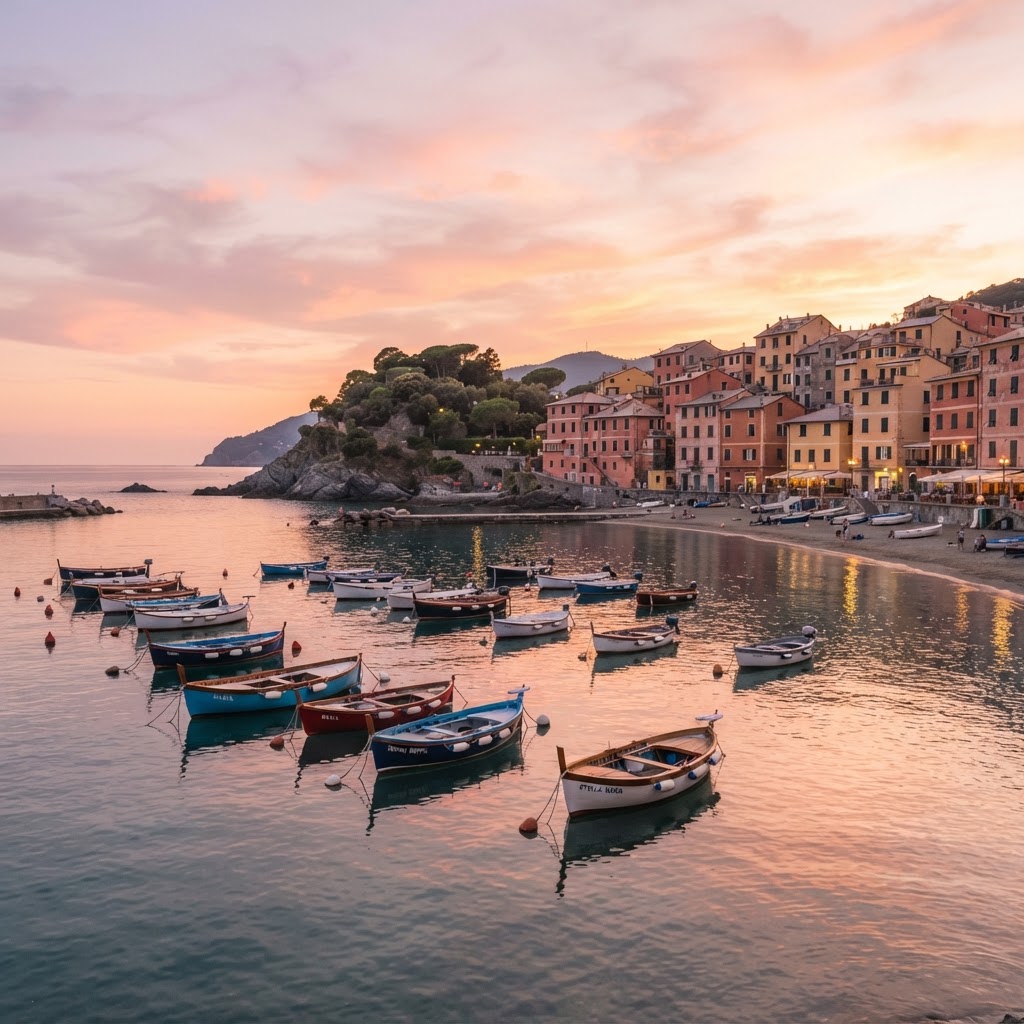
Moneglia serves as an excellent base for travelers who desire a perfect blend of accessible convenience and genuine coastal seclusion. Located strategically between Sestri Levante and Levanto, this town features a rare, long sandy beach that is highly coveted in the predominantly rocky Ligurian landscape. Because the town is accessed through a series of converted old railway tunnels that now function as one-way traffic lights, it remains somewhat isolated from the heavier flow of regional automotive traffic. For those preferring active travel, the hiking trails leading out of town toward the Punta Moneglia protected marine area provide breathtaking panoramic views, often without another hiker in sight. Families particularly enjoy the soft, golden sand that stretches for nearly 500 meters, a significant contrast to the narrow, crowded strips found elsewhere. To make the most of your stay, consider renting a sunbed at one of the private “stabilimenti” which typically cost 20-30 EUR per day, offering showers and changing facilities that enhance the beach experience for a full day of sunbathing.
Camogli: The Forgotten Port of Fishermen
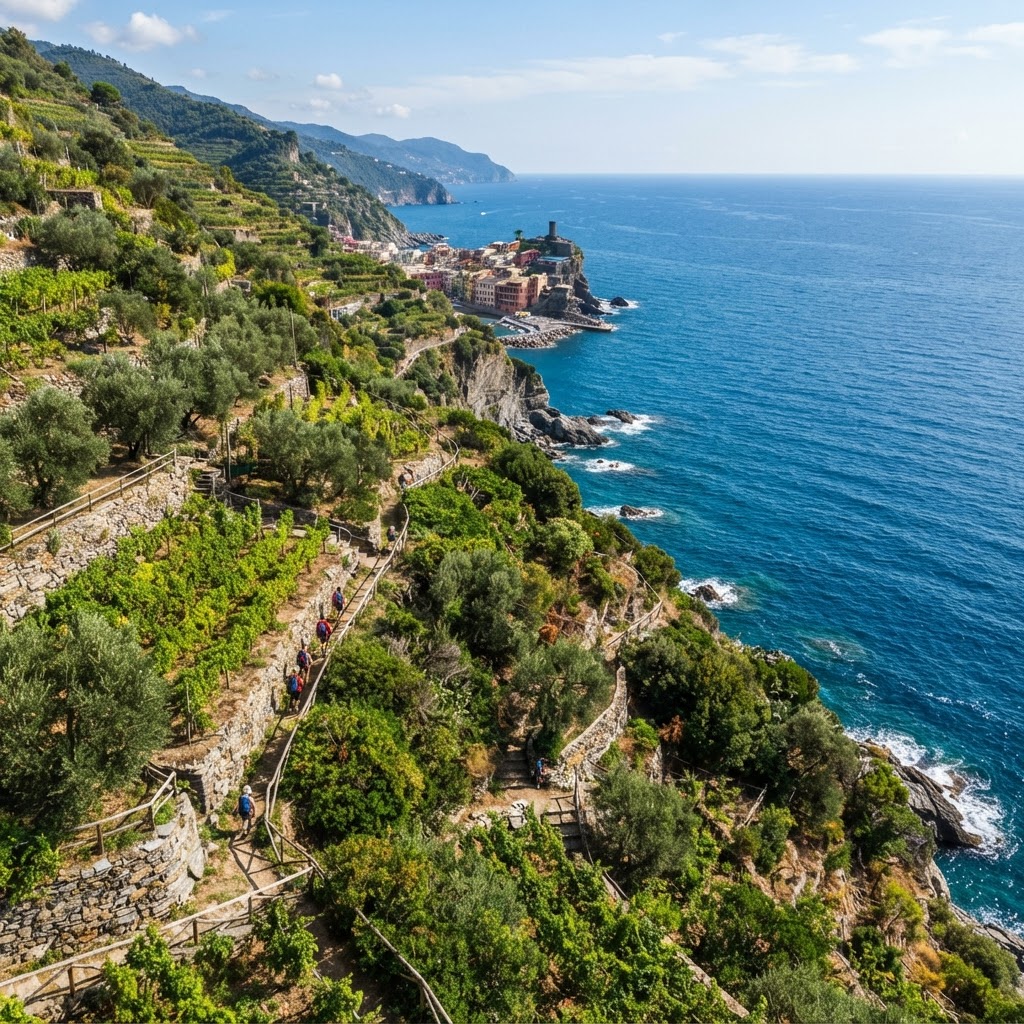
Camogli, known as the city of a thousand white sails, retains its authentic identity as a working fishing village while offering a more rugged charm than the polished veneer of nearby Portofino. The tall, brightly colored buildings that line the waterfront serve as vital visual markers for sailors returning from the sea, creating a stunning architectural backdrop for the pebble beach below. The local culinary scene is defined by the focaccia di Recco, a regional masterpiece that must be tasted here; unlike standard focaccia, this version is paper-thin, unleavened, and filled with melting crescenza cheese. Visitors should expect to pay roughly 8-12 EUR for a portion at local bakeries like Revello. Enjoy your snack while sitting on the pebbly shore during sunset, which is a quintessential Italian Riviera experience. While it is gaining popularity, Camogli remains firmly grounded in its maritime history, with local fishermen still setting out at dawn. For a unique perspective, take the local ferry that runs from the harbor to the San Fruttuoso Abbey, a 10th-century monastery accessible only by sea or an arduous mountain hike.
Sestri Levante: Two Bays for the Price of One
Sestri Levante is geographically unique because it sits on a narrow isthmus separating two distinct bays: the tranquil Bay of Silence and the expansive Bay of Fables. The Bay of Silence is a postcard-perfect, protected cove surrounded by historic pastel buildings, while the Bay of Fables offers a more active, vibrant beach scene with wider sandy stretches and various water sports rentals. The town itself remains lively year-round, offering an authentic glimpse into local life that doesn’t shut down in the off-season. If you visit between October and March, you can often find the Bay of Silence almost entirely to yourself, allowing the gentle lapping of the water against the fishing boats to be the only sound you hear. This is an ideal destination for those who want to be close to the train lines for easy day trips to Genoa or Portofino while having a permanent, relaxing home base. Prices in town for local Ligurian specialties like trofie al pesto hover around 14-18 EUR, providing an affordable alternative to the overpriced tourist traps found in more commercialized coastal hubs.
Bonassola: Quiet Serenity Near the Hubs
Bonassola is the premier choice for travelers who want to be close to the Cinque Terre but prioritize a peaceful, quiet place to sleep. Located just one train stop—a mere 5-minute journey—from the busy hub of Levanto, it feels like a different universe altogether. The valley here opens up significantly, allowing for gentle breezes and a sense of space that is hard to find elsewhere on the rugged coast. It features a long, beautiful beach that is rarely overcrowded, even in the middle of July. When visiting, adhere to these sustainable travel tips: use the efficient regional train system instead of renting a car to save on significant parking costs; bring a reusable water bottle, as the public fountains in these villages provide clean, chilled mountain water; and always purchase fresh produce and olive oil at the local village markets to support the regional micro-economy.
Best Time to Explore the Riviera
Timing your visit is the most crucial factor for experiencing the Italian Riviera’s hidden coastal gems without the overwhelming stress of peak-season crowds. While July and August are undeniably beautiful, they represent the absolute peak of tourism; the “sweet spot” for visiting is late May to early June or late September to October. During these shoulder-season months, the water temperature remains pleasant enough for swimming, yet the ambient air temperature is far more manageable, and local accommodation prices drop by 30-40% compared to July rates. Spring is particularly ideal for outdoor activities, as the hills are lush and green, with wildflowers blanketing the terraced cliffs. It is the perfect time for extensive hiking along the Sentiero Azzurro or the less-trodden paths around Bonassola. Conversely, Autumn is preferred by food enthusiasts. The sea retains the warmth accumulated throughout the summer, making September one of the best times to jump into the Mediterranean. Furthermore, the autumn harvest season brings local food festivals and wine events that celebrate the region’s rich agricultural heritage.
FAQ
Q: What is the best way to get around the Italian Riviera?
The most efficient way to travel between villages is the regional Trenitalia train system, which connects almost every coastal town with frequent, inexpensive service. Avoid renting a car, as parking is extremely limited, very expensive, and the narrow coastal roads can be challenging for inexperienced drivers.
Q: Are the hidden coastal gems of Liguria safe for solo travelers?
Yes, the Italian Riviera is exceptionally safe for solo travelers, including those traveling alone at night in village centers. The region relies heavily on tourism, and locals are generally very helpful and accustomed to independent travelers navigating the train and bus networks.
Q: Do I need to make restaurant reservations in these smaller towns?
During the peak months of July and August, it is highly recommended to book dinner reservations at least 24 hours in advance, especially for popular local trattorias. Outside of peak season, you can often secure a table by calling just a few hours ahead or simply walking in.
Q: Can you swim in the ocean at these hidden gems?
Yes, almost all the hidden gems mentioned, including Moneglia, Bonassola, and Sestri Levante, feature excellent swimming beaches. While some, like Tellaro, have more rocky entries, they still provide beautiful, clear water that is perfect for swimming, snorkeling, and cooling off in the Mediterranean heat.
Q: Is English widely spoken in these non-touristy Italian villages?
While English is commonly spoken by younger generations and staff in hotels and major cafes, it is not universal in smaller, more remote hamlets. Learning basic Italian phrases, such as greeting people with “Buongiorno” or “Buonasera,” is greatly appreciated by locals and will enhance your experience.
Leave a Reply