
Coastal Villages Along the Costa Brava: A Travel Guide
The most picturesque coastal villages along the Costa Brava include Cadaqués, Tossa de Mar, and Calella de Palafrugell, each offering a distinct blend of medieval history, surrealist art, and pristine Mediterranean coves. Located in northeastern Spain, this region provides an authentic alternative to mass-market resorts, featuring accessible hiking paths and preserved maritime heritage.
The Allure of the Costa Brava
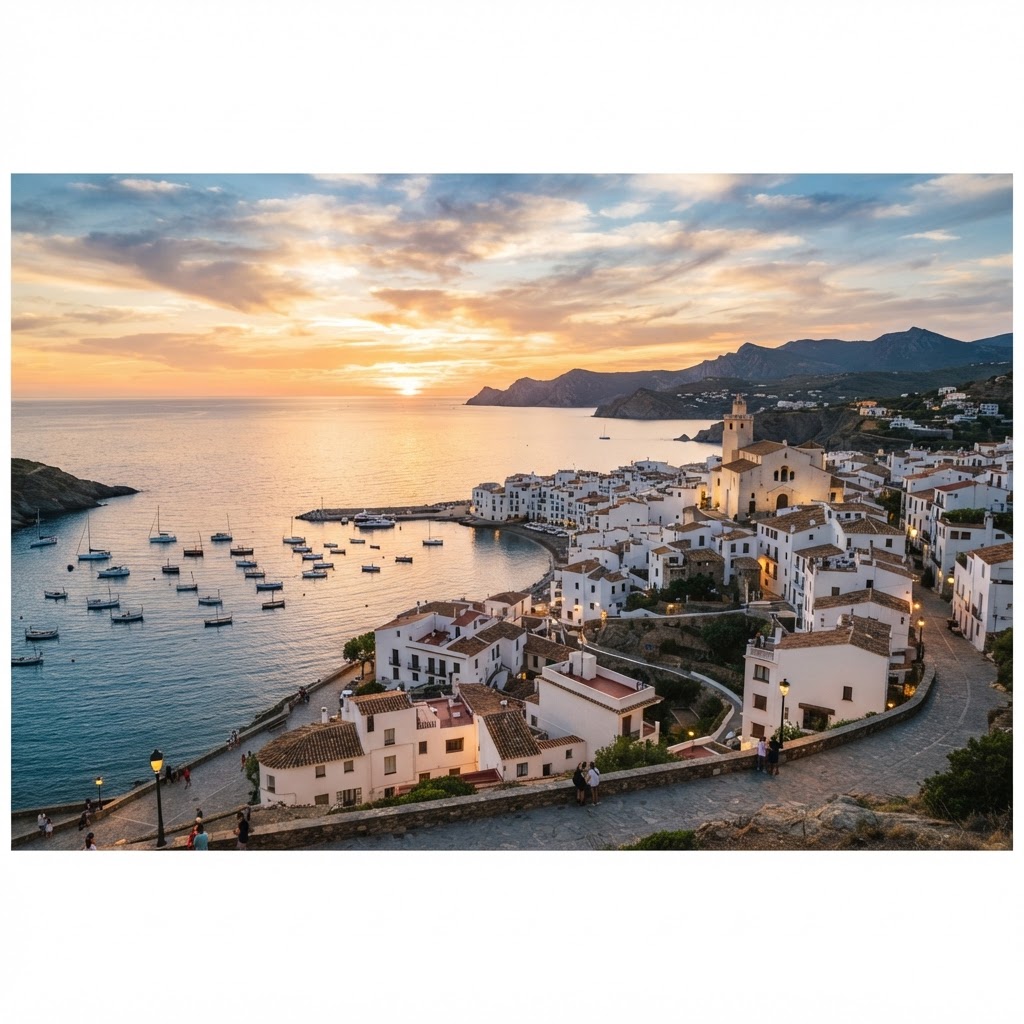
The Costa Brava, or “Wild Coast,” represents a unique 160-kilometer stretch of coastline that prioritizes historical preservation over high-density commercial development. Much like planning a trip to the Cotswolds by train from London to experience the quintessential charm of English village life, exploring the Costa Brava via its accessible hiking networks and coastal roads offers a similarly immersive way to discover authentic regional beauty. Unlike the tourist-heavy southern Spanish coasts, this region thrives on small-scale hospitality, where local “suquet de peix” (fish stew) and centuries-old architecture define the visitor experience. The geography is characterized by dramatic cliffs, granite rock formations, and micro-climates that support diverse Mediterranean flora. Travelers are drawn here for the “Cami de Ronda” hiking network, which connects secluded turquoise coves and offers a level of physical immersion impossible by car. Authentic Catalan culture is the backbone of the region, visible in the quiet plazas and the absence of high-rise hotel chains, creating a sanctuary for those who value slow-paced, intentional travel. Data indicates that travelers to this region stay an average of 5-7 days to fully explore both the inland medieval towns and the coastal maritime hubs.
Why Choose the Costa Brava for Your Next Trip?
Choosing the coastal villages along the Costa Brava for your vacation guarantees a blend of relaxation and adventure. Whether you are a fan of snorkeling in secluded turquoise bays, hiking the scenic Cami de Ronda trails, or simply indulging in fine local wines at a terrace overlooking the harbor, there is something here for every traveler. The region remains a sanctuary for those who value authenticity over mass tourism.
Cadaqués: The Jewel of the Coast
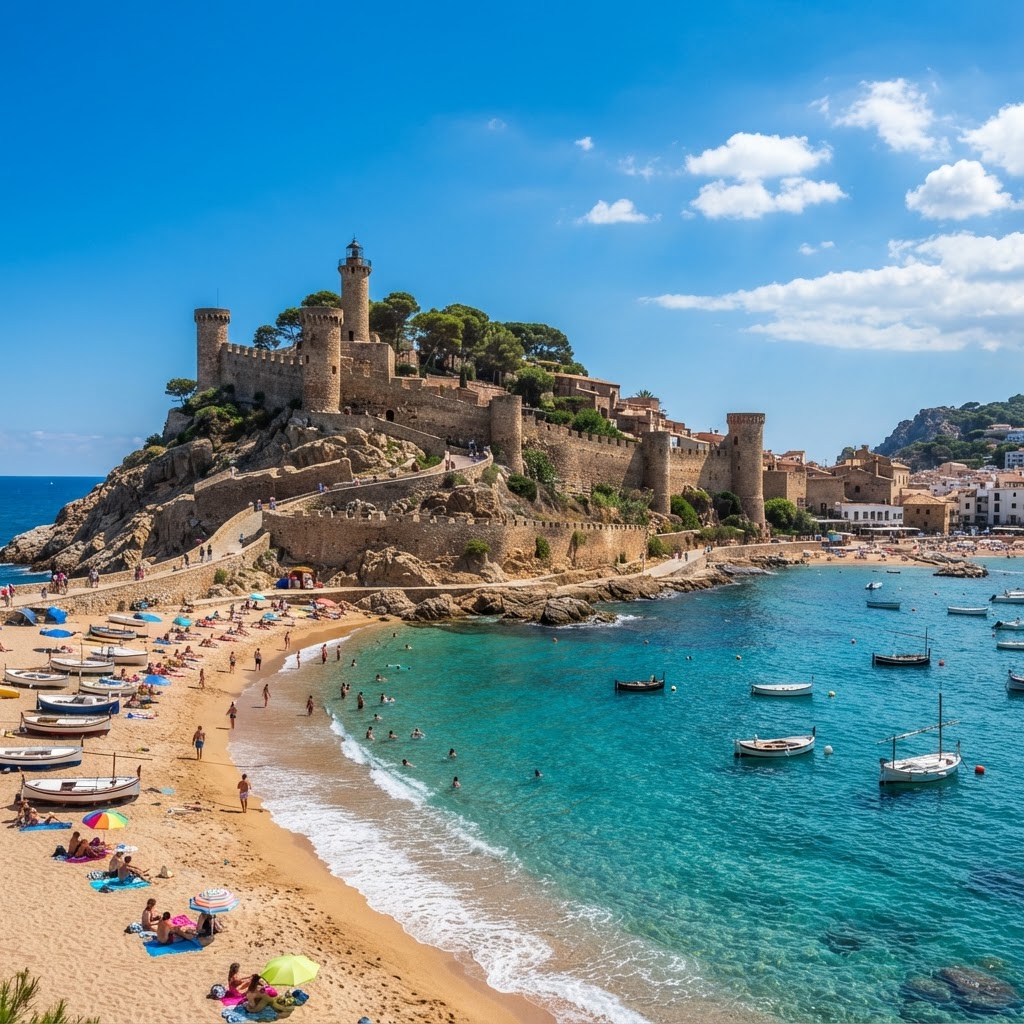
Cadaqués is widely considered the most aesthetic village on the Costa Brava, preserved by its relative geographical isolation behind the Puig de Paní mountain range. For decades, the difficult road access discouraged mass tourism, allowing the town’s iconic white-painted, slate-roofed architecture to remain untouched. Today, it serves as an artistic pilgrimage site. The town’s layout is intentionally labyrinthine, designed to confuse pirates in the 16th and 17th centuries, but today provides an enchanting experience for photographers and art enthusiasts. It is essential to note that during July and August, the town implements strict vehicle entry restrictions, often requiring visitors to use municipal parking lots on the outskirts. The economy of the town has shifted from traditional lobster fishing to specialized boutique tourism, yet it retains a local character that feels miles away from the busier hubs like Lloret de Mar. Visitors typically spend full days exploring the narrow alleys before dining at harborside establishments that have been in the same families for generations.
Salvador Dalí and the Artistic Legacy
The town is inextricably linked to Salvador Dalí, whose home in nearby Portlligat is now a popular museum. His presence remains felt in the surreal light that hits the white walls and the jagged rocks surrounding the bay. Visitors flock here to experience the same inspiration that turned this sleepy fishing village into a center for the global avant-garde movement.
Calella de Palafrugell: A Maritime Haven
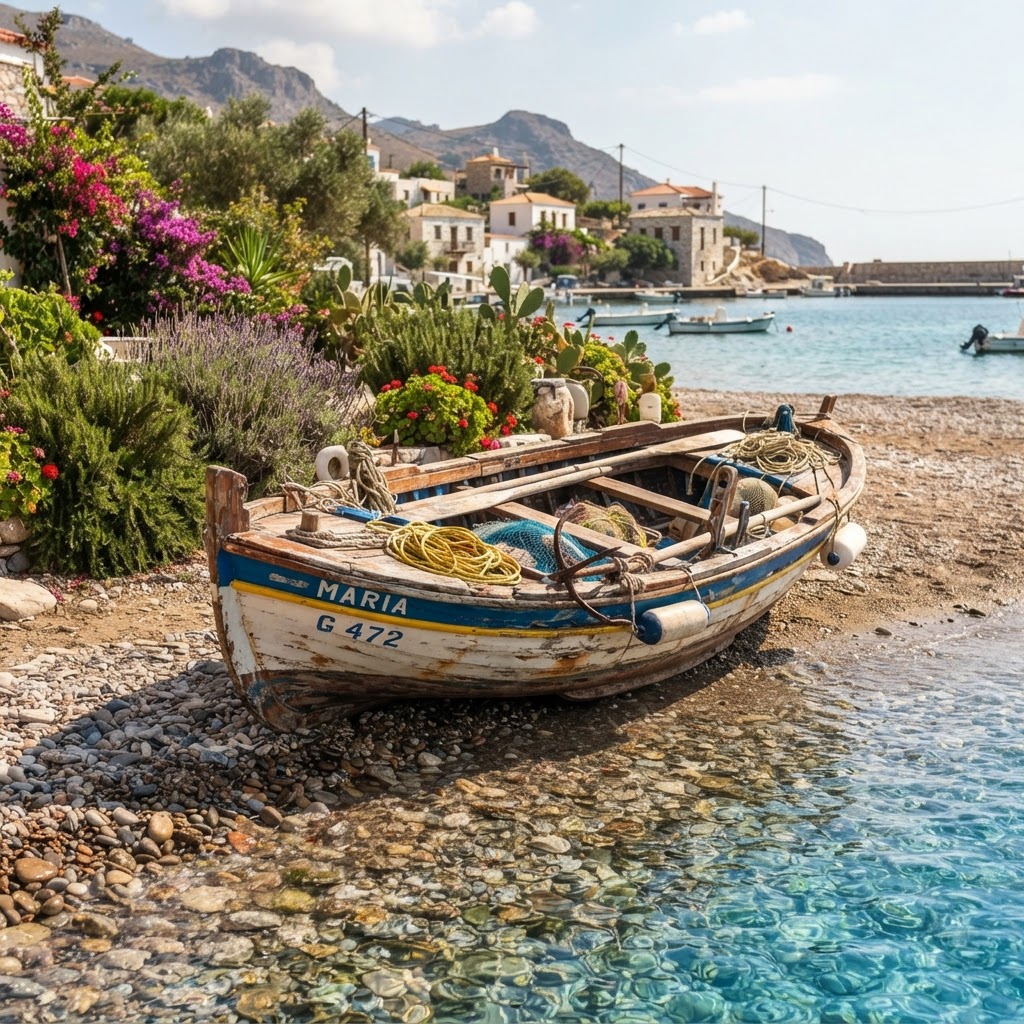
Calella de Palafrugell functions as the most authentic representation of traditional Mediterranean maritime life, characterized by its “voltes” (vaulted porches) and direct beach access for local fishermen. Unlike modernized resorts, the village has maintained its low-rise, traditional structure, with wooden “llaüt” boats still pulled onto the sands of Platja del Canadell. This village is particularly notable for its family-friendly environment and its deep-rooted musical history, specifically the “Cantada d’Habaneres,” an annual event held in July that draws thousands to celebrate the historical trade ties between Catalonia and Cuba. The water quality here is consistently rated high, with several coves qualifying for Blue Flag status due to stringent local environmental protections. The village serves as a vital access point for the Cap Roig botanical gardens, which host a world-renowned summer music festival. For travelers, the village offers a slower pace of life, where the primary “activities” are morning swimming, coastal walking, and evening seafood dining. It is recommended to book accommodations at least 4-6 months in advance for the summer season, as the boutique hotels are small and highly sought after by European travelers.
Things to do in Calella de Palafrugell
- Take a morning swim at the Platja del Canadell.
- Hike the coastal path toward the Cap Roig Botanical Garden.
- Enjoy fresh prawns at one of the harborside restaurants during the annual Cantada d’Habaneres festival.
Tossa de Mar: Where History Meets the Sea
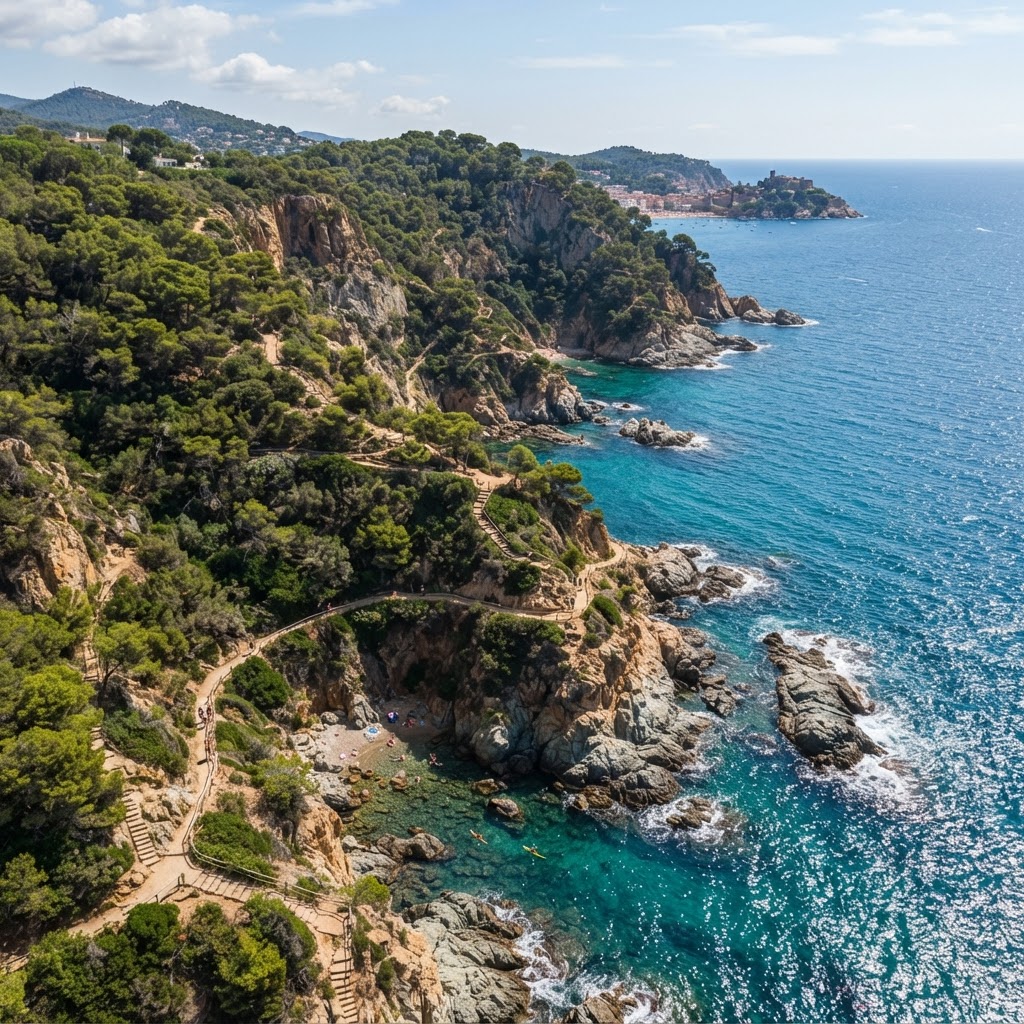
Tossa de Mar is unique in the region for being the only remaining example of a fortified medieval town on the Catalan coast, centered around the 12th-century “Vila Vella.” This historic site, protected by massive stone walls and seven defensive towers, provides a tangible link to a time when piracy threatened the Mediterranean coastline. The fortress structure, combined with its sandy beaches, makes it a hybrid destination where travelers can spend the morning studying historical architecture and the afternoon swimming in the crystalline waters of Platja Gran. The town is physically divided between the modern commercial center and the historic hilltop village, providing guests with a comprehensive variety of services and authentic experiences. It is worth noting that Tossa de Mar is the only town in Europe that has officially banned bullfighting, reflecting a forward-thinking social culture that complements its deep historical roots. The panoramic views from the lighthouse (Far de Tossa) are widely considered the best sunset viewing spots on the entire coastline, offering a vantage point that encompasses both the northern cliffs and the southern beach bays.
The Vila Vella Experience
The medieval walls, known as the ‘Murallas,’ served as a defense against pirates for centuries. Today, the interior of the old town is filled with cozy boutiques, art galleries, and restaurants tucked into centuries-old stone structures. It is a rare experience to walk within such well-preserved historical fortifications while hearing the sound of crashing waves below.
Begur and Its Hidden Coves
Begur acts as the strategic gateway to the most elite, hidden coves of the Costa Brava, functioning as an inland hilltop sanctuary just minutes from the sea. The village itself is famous for its 19th-century “Indianos” architecture—grand mansions built by local residents who returned wealthy from business ventures in the Americas. While the town center offers boutiques and history, the real draw is its proximity to Sa Tuna, Aiguablava, and Sa Riera, which are accessible via winding, scenic mountain roads. These coves are characterized by their pebble or fine-sand beaches and turquoise water, which can reach temperatures of 24°C (75°F) in August. Visitors often rent villa-style accommodations in the Begur hills, which provide privacy and views of the Mediterranean, unlike the denser hotel districts in larger nearby towns. The village is an essential stop for culinary tourists, as it is famous for its annual “Rice Route” festival, where local restaurants compete to produce the finest variations of traditional Catalan rice dishes. Because of its location on higher ground, Begur remains slightly cooler and less humid than the immediate beachfront towns during the peak heat of summer. While the Costa Brava offers dramatic cliffs and sea vistas, those seeking the iconic allure of stunning caldera balcony views will find that the architectural charm and elevation of places like Begur offer a similar, albeit uniquely Catalan, sense of place.
Discovering Sa Tuna
Sa Tuna is perhaps the most picturesque cove in the area, characterized by its narrow beach and small, brightly colored fishermen’s houses. It is less a village and more a quiet sanctuary, ideal for those who want to spend their days swimming, reading, or enjoying a long, slow lunch of paella by the water’s edge.
Walking the Cami de Ronda
The Cami de Ronda is a 200-kilometer historic footpath network that originally served as a surveillance trail for customs officials to spot smugglers, but now represents the finest way to experience the coastal villages along the Costa Brava. The trail ranges from easy, paved sections near town centers to rugged, cliff-side rock scrambles that require sturdy hiking shoes and a moderate fitness level. Following the GR-92 markers, hikers can move between villages like Calella de Palafrugell and Llafranc in under an hour, or embark on full-day journeys through pine forests and hidden beach access points. It is highly recommended to carry a physical map or an offline GPS app, as some sections of the trail pass through dense woodland where mobile signals can be unreliable. Water and sun protection are mandatory even for short walks, as the Mediterranean sun can be intense even in the shoulder seasons. The trail provides unique perspectives on the coastline that are impossible to achieve via main roads, often leading to “secret” swimming spots that remain empty even during the busiest weekends in August. For those tackling longer segments, many local shuttle services offer return transport to your starting village, making the hike convenient for non-circular planning.
Planning Your Hike
The beauty of the Cami de Ronda is that you can tackle it in small, manageable segments. Some sections are paved and easy for beginners, while others offer more challenging terrain. Always pack plenty of water, a camera, and a swimsuit for those inevitable ‘must-swim’ moments in hidden coves accessible only by foot.
Practical Tips for Your Visit
FAQ
Q: What is the best way to get to the Costa Brava?
The most efficient way to reach the Costa Brava is by flying into Girona-Costa Brava Airport (GRO) for direct access, or Barcelona-El Prat (BCN), which offers a wider range of international connections and is roughly a 90-minute drive from the heart of the region.
Q: Can I visit the Costa Brava without a car?
While public transport exists via the Sarfa bus lines, renting a car is strongly recommended for those wanting to explore the smaller, more isolated coves and hilltop villages that are not well-served by regional bus schedules.
Q: Is the Costa Brava suitable for families with children?
The region is excellent for families because many of the coastal towns feature shallow, calm-water beaches like Platja del Canadell and offer a wide array of apartment rentals with kitchen facilities, making it easy to accommodate children’s schedules.
Q: How many days do I need to explore the Costa Brava?
For a comprehensive experience, plan for a minimum of 5 to 7 days, which allows you to split your time between the northern artistic towns like Cadaqués and the southern historical hubs like Tossa de Mar without feeling rushed.
Q: When is the best time to avoid crowds in the Costa Brava?
The best time to visit is during the shoulder months of late May to June or September to early October, when the water is warm enough for swimming, but the massive influx of July and August tourists has subsided.
Leave a Reply