
Colorful Facades of Southern Spain: A Visual Guide
Andalusia’s iconic facades define the region’s architectural identity, ranging from the heat-reflecting white lime-wash of mountain villages to the warm ochre and terracotta earth tones found in historic urban centers like Seville and Cordoba. This distinctive color palette functions as both a temperature-regulation strategy and a reflection of diverse Moorish, Roman, and Visigothic cultural legacies.
The Evolution of Color in Andalusian Architecture
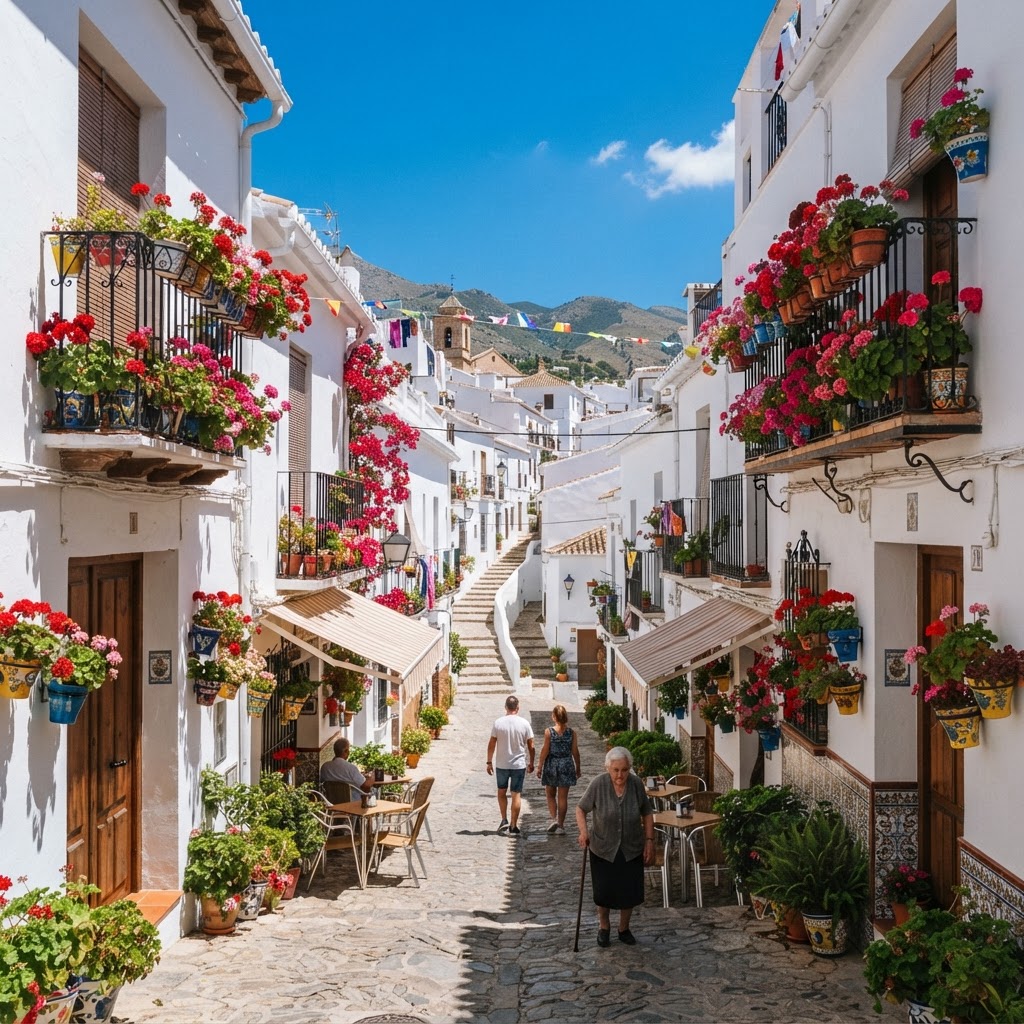
The architectural identity of Southern Spain is a direct result of centuries of thermal management requirements blended with artistic heritage. The most dominant feature is ‘cal’ (whitewash), which historically served as a critical climate control mechanism. By using lime-based coatings, residents created a reflective barrier that reduces interior temperatures by as much as 5°C to 10°C during peak summer months, when temperatures in Andalusia frequently exceed 40°C.
Beyond climate, the palette of the region is deeply rooted in available natural resources. Historically, the use of locally sourced clay deposits produced the rich ochres, burnt oranges, and terracottas that define the urban cores of major cities. These materials were not only cheap and abundant but provided structural durability against the Mediterranean salt air. As empires shifted, so did the ornamentation; the Roman influence of structural masonry evolved into the ornate, decorative tile work of the Moorish period, creating a unique visual language where color serves both utility and aesthetics.
The Significance of the White Villages
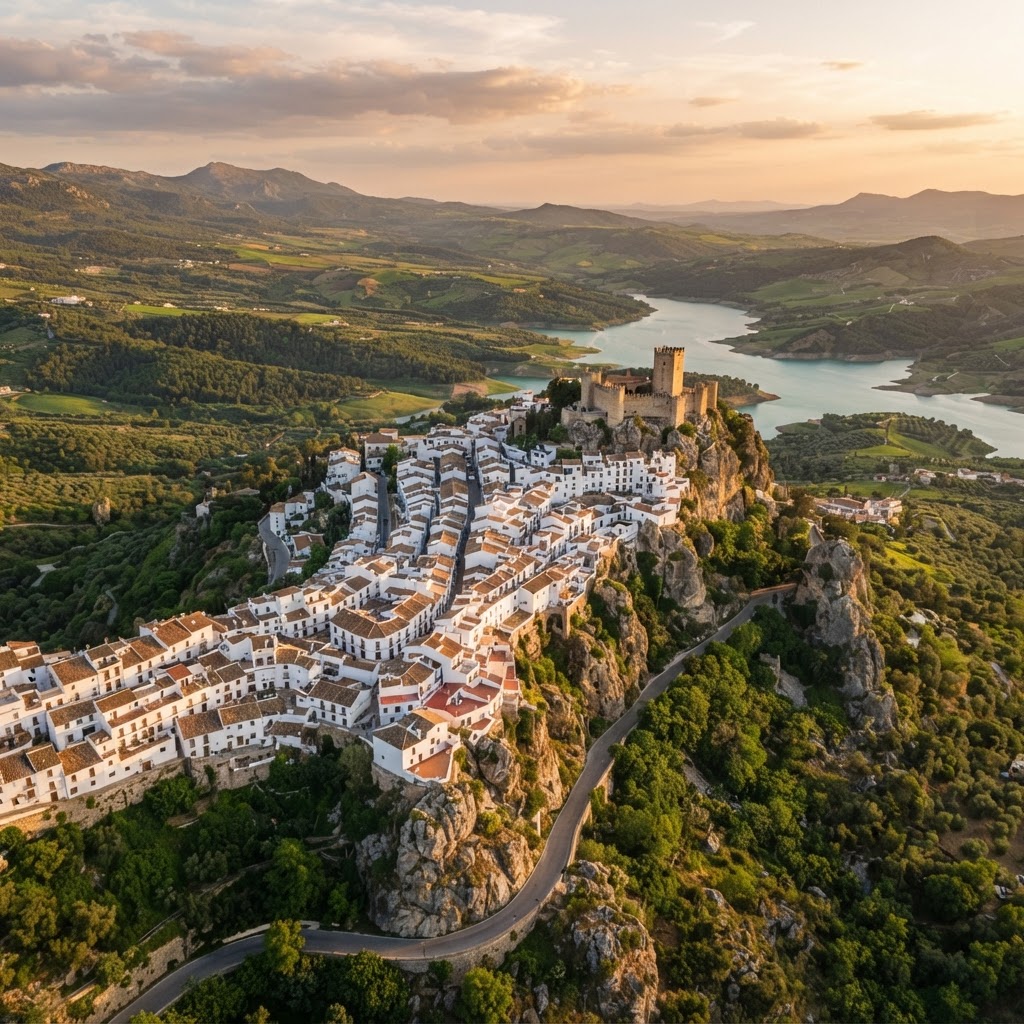
The white villages, or Pueblos Blancos, represent the quintessential image of Southern Spain, where clustered homes perched on rocky crags in the Sierra de Grazalema create a striking contrast against the Mediterranean sky. This uniformity serves a social function as much as a thermal one, as communal maintenance of white-washed walls fosters a sense of village pride and shared identity that dates back to the Reconquista era.
Why White Remains King
Beyond temperature regulation, the color white carries significant religious and social weight in Andalusia. It suggests purity and uniformity, tying the community together under a cohesive aesthetic. In many villages, municipal ordinances or local traditions still mandate an annual painting cycle, ensuring that the lime-wash remains crisp and reflective. This consistent maintenance schedule is a primary reason these villages maintain their historic aesthetic despite the pressures of modern tourism.
The Subtle Art of Variation
While they are collectively known as ‘white,’ a discerning observer will notice significant chromatic depth. Depending on the mineral composition of the local lime, facades may lean toward a cool, bluish-white or a softer, creamy tint. When combined with the high-contrast terracotta roof tiles—which are standard across the region—the depth of the urban landscape is transformed, especially during the shifting light of the day.
Beyond White: The Bold Colors of Historic Cities
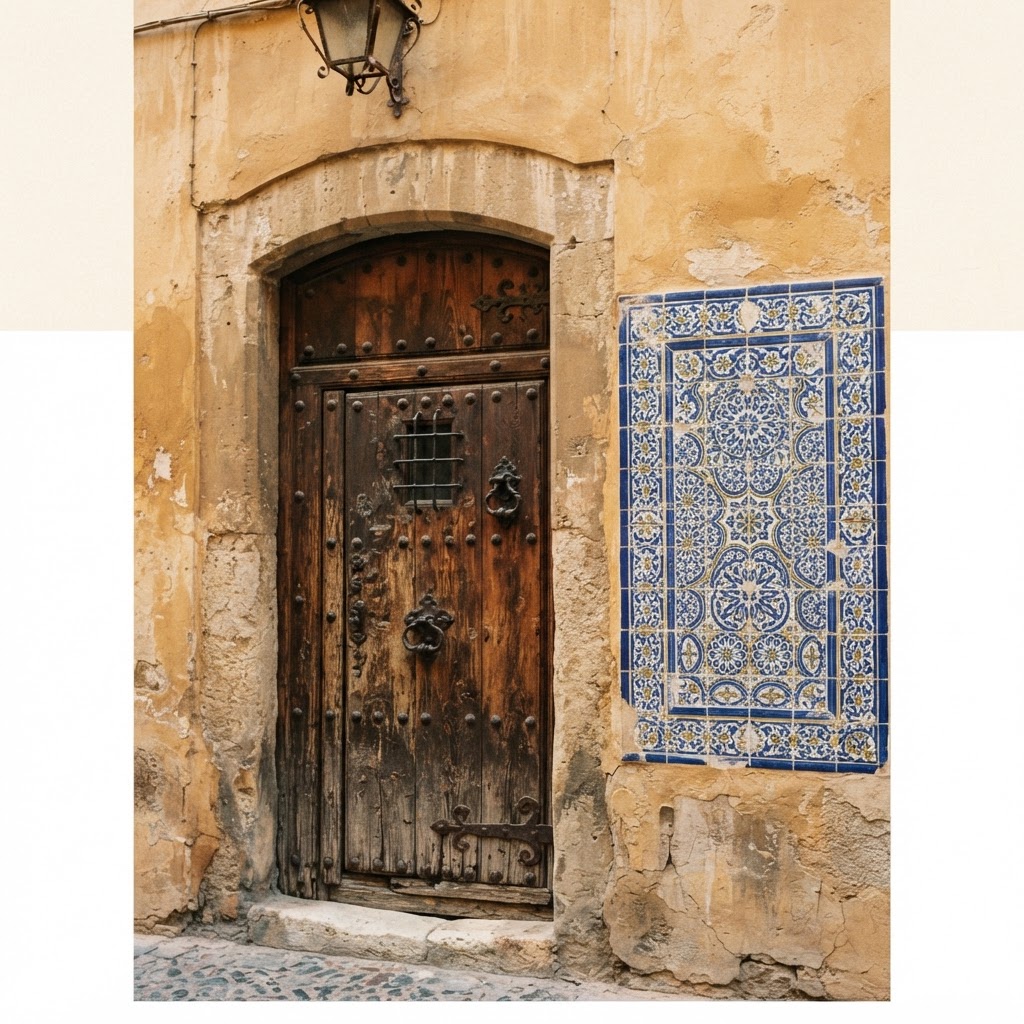
In the urban centers of Seville, Cordoba, and Cadiz, the architectural spectrum expands to include vibrant ochre, burnt orange, and deep, saturated pigments that highlight the complexities of Baroque and Renaissance design. These colors are frequently used to differentiate neighborhoods and highlight structural features such as cornices, pediments, and elaborate window frames.
Ochre and Earth Tones
Walking through the Barrio Santa Cruz in Seville, you are greeted by facades drenched in warm ochre and terracotta, colors historically sourced from local clay deposits to ground buildings within the surrounding landscape. These warm tones are not merely decorative; they provide a psychological sense of intimacy in narrow, high-density streets, effectively reducing the intensity of sunlight reflected off the building surfaces compared to bright white.
The Cultural Role of Vibrant Accents
In coastal towns like Cadiz, the application of color extends to individual architectural elements, with doors and wrought-iron balconies often finished in cobalt blue or emerald green. These accents have roots in maritime tradition and local folklore, where specific colors were thought to offer protection. Today, they serve as essential visual anchors that break the monotony of larger, uniform wall surfaces and provide aesthetic relief from the intense street-level solar glare.
Influences of Moorish Art and Design
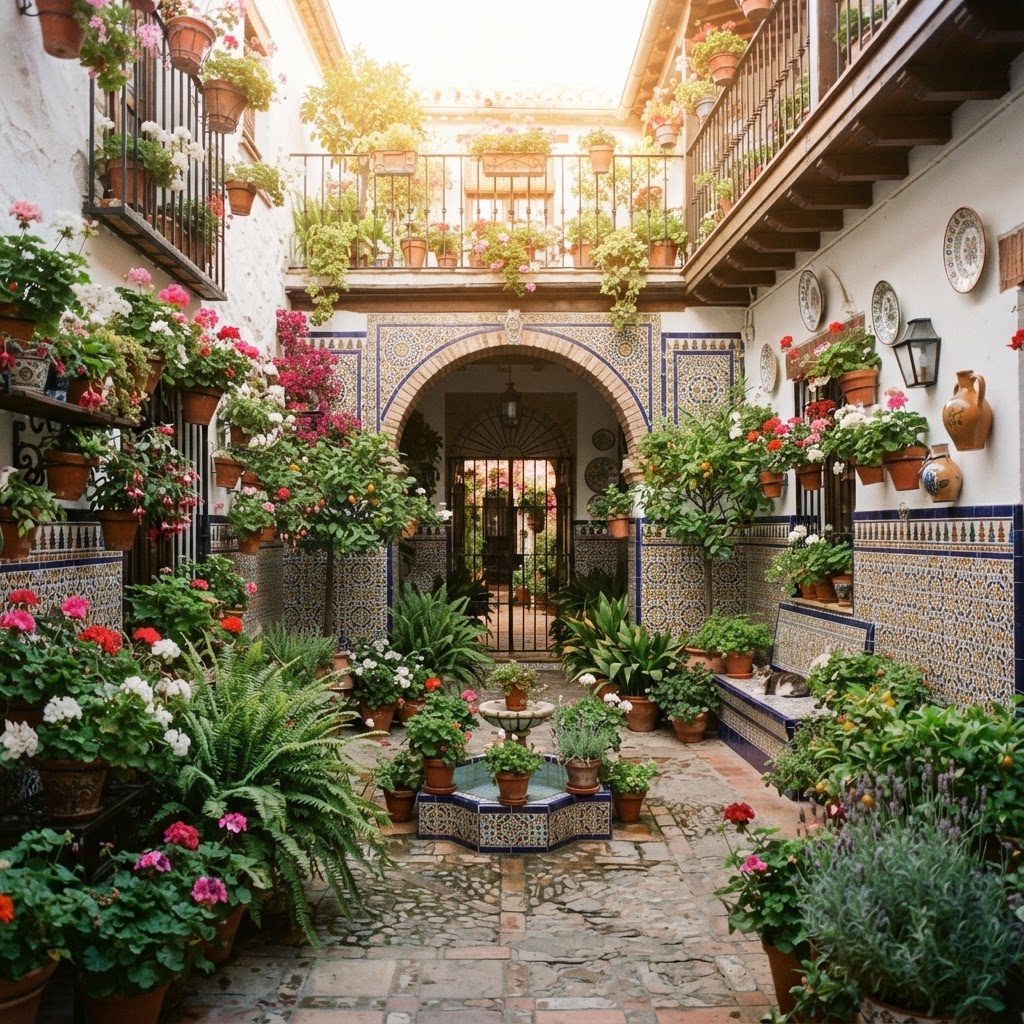
The legacy of Al-Andalus continues to dictate the exterior appearance of Andalusian homes through the strategic use of geometric patterns and ceramic tiling known as ‘azulejos.’ These tiles, often featuring intricate mathematical precision, serve as essential focal points that bridge the gap between structural utility and artistic expression.
The Role of Azulejos
Azulejos are hand-painted ceramic tiles traditionally decorated in shades of blue, yellow, and white, reflecting the aesthetic values of Islamic art. These tiles are placed around arched doorways, patios, and wainscoting, providing both decorative visual interest and a durable, easy-to-clean surface that withstands the humid coastal air and intense heat better than standard plaster.
Geometric Harmony
Even in structures that lack exterior tiles, the influence of Moorish design remains evident in the inward-facing nature of the architecture. Houses are frequently built around central courtyards, or ‘patios,’ designed to create a private, micro-climate sanctuary. While the outer facade remains plain to reflect sunlight, the interior is a vibrant, colorful, and cool sanctuary filled with water features and greenery, emphasizing the cultural value of the private interior over the public exterior.
Tips for Capturing the Perfect Photos
To effectively document the architectural beauty of Andalusia, timing and composition are critical due to the region’s high-intensity sunlight and harsh shadows. The midday sun often washes out the delicate textures of lime-wash and creates extreme contrast, making soft, directional light the most important tool for any architectural photographer.
The Golden Hour Advantage
For optimal results, shoot during the ‘Golden Hour’—the periods approximately 60 minutes after sunrise or 60 minutes before sunset. During these windows, the low-angle light enhances the depth of textured plaster walls and adds a warm, dimensional glow to ochre pigments. The softer light prevents the ‘blown-out’ highlights that often plague photography in white-washed villages.
Focus on Details
Beyond wide-angle street shots, focus on the juxtaposition of color and texture. Capturing the interplay between a brightly painted door, a textured white wall, and the intricate, dark shadows cast by wrought-iron balconies provides a more comprehensive narrative of the region’s character than an architectural overview alone.
Seasonal Changes and Local Traditions
Color in Andalusia is dynamic, shifting significantly during regional festivals such as the Feria de Abril or the Patios Festival in Cordoba. During these times, the permanent architecture is augmented by temporary decorations like vibrant paper lanterns, ribbons, and textiles that reflect the cultural vibrancy of the Spanish people.
The Power of Flowers
Throughout the year, facades are enlivened by the tradition of hanging potted geraniums and carnations on walls. In Cordoba, the Patios Festival serves as a testament to this tradition, where residents compete to display the most elaborate arrangements of red and pink blooms against pristine white walls. This organic layer of color adds a level of complexity that paint alone could not achieve.
Maintenance as Community Building
Maintaining the visual integrity of these facades is a communal activity that strengthens neighborhood bonds. Neighbors often coordinate painting schedules to ensure the street remains visually cohesive. This shared responsibility is a key driver in the preservation of the region’s architectural charm and ensures that the vibrant colors remain consistent year after year.
FAQ
Why are the houses in Southern Spain white?
Houses in Southern Spain are painted white because lime-wash acts as a highly effective, natural reflective barrier against the intense Mediterranean sun. This technique keeps interiors significantly cooler, reducing indoor temperatures by several degrees during the heat of summer.
What are ‘azulejos’ in Andalusian architecture?
‘Azulejos’ are traditional hand-painted ceramic tiles featuring geometric or floral patterns that are used to decorate walls, doorways, and courtyards. These tiles are a legacy of Moorish influence and serve both as decorative art and as a durable finish that resists heat.
When is the best time to photograph the facades of Andalusia?
The best time to photograph these facades is during the golden hour, which occurs shortly after sunrise or just before sunset. The soft, low-angle light brings out the texture of lime-washed walls and provides depth to the vibrant earth tones of city buildings.
Are the ‘white villages’ only found in one part of Spain?
While white villages (Pueblos Blancos) are found in other parts of the Mediterranean, the highest concentration is located in the mountainous region of Andalusia, particularly within the Sierra de Grazalema and the Serranía de Ronda.
How often do residents paint their homes?
In many traditional Andalusian villages, it is common practice to refresh the lime-wash at least once a year, often before major local festivals. This annual maintenance ensures that the facades remain bright, uniform, and reflective.
Practical Tips for Capturing the Perfect Hue
Lighting changes everything when photographing Andalusian facades. The midday sun creates harsh shadows that wash out the subtle textures of whitewashed walls. Plan your photography sessions for the golden hour, right after sunrise or just before sunset. The soft light makes the terracotta tones in Seville pop against the clear blue sky.
Wide-angle lenses help capture the scale of narrow village streets. However, use a prime lens around 50mm to focus on the intricate door frames and flower pots. Look for doors painted in vibrant cobalt or mustard yellow to provide a focal point in your composition.
How to Plan Your Route
Avoid trying to see every village in a single week. Focus your itinerary on one specific area, such as the Sierra de Grazalema or the Alpujarras. Renting a car is essential, as public bus schedules are infrequent and rarely align with the best photo opportunities. Park outside the town center whenever possible, as narrow streets are designed for pedestrians and local traffic only.
Common Mistakes to Avoid
Many travelers rush through these towns in the heat of the afternoon. This is a mistake because the streets are empty and the sun is blindingly bright. Experience the rhythm of the siesta instead. Plan your village exploration for the early morning or the cool evening hours when the local life comes alive.
Do not mistake a private courtyard for a public space. Many historic homes have beautiful, flower-filled patios visible through iron gates. Always ask for permission before pointing your camera inside a private doorway. Being respectful ensures that locals remain welcoming to visitors.
Budgeting and Seasonal Advice
Visiting in spring is your best choice for color. From April to June, the wildflowers are in bloom, and the bright bougainvillea vines contrast beautifully with the white walls. Expect to spend about 100 to 150 euros per day for a mid-range experience including fuel, local tapas, and boutique guesthouse accommodation.
Avoid August if you dislike extreme heat. Temperatures can easily reach 45°C, making midday walking impossible. Winter offers lower prices and smaller crowds, but the light is less dramatic. You might find the mountain villages quite chilly in January and February.
Quick Checklist for Your Visit
- Pack high-quality polarizing filters to cut glare from white-painted walls.
- Wear comfortable walking shoes with good grip for steep, cobblestone paths.
- Carry a refillable water bottle to stay hydrated during long photo walks.
- Check local festival calendars for dates when town plazas are crowded with processions.
- Bring extra camera batteries, as cold mountain air can drain power faster than expected.
Frequently Asked Questions
Should I stay in a large city or a small village?
Stay in a village for at least two nights to capture the authentic atmosphere after the day-trippers leave. Cities like Seville provide better transport hubs but lack the intimate, quiet charm of smaller mountain towns. A balanced trip includes two days in a historic city and three days exploring rural regions.
Are the white villages accessible by train?
Most mountain villages in the Sierra de Grazalema lack direct train connections. Ronda is the major exception and serves as an excellent base for rail travelers. For all other locations, rely on your own rental vehicle to maintain the freedom to stop at smaller, less documented spots.
Leave a Reply