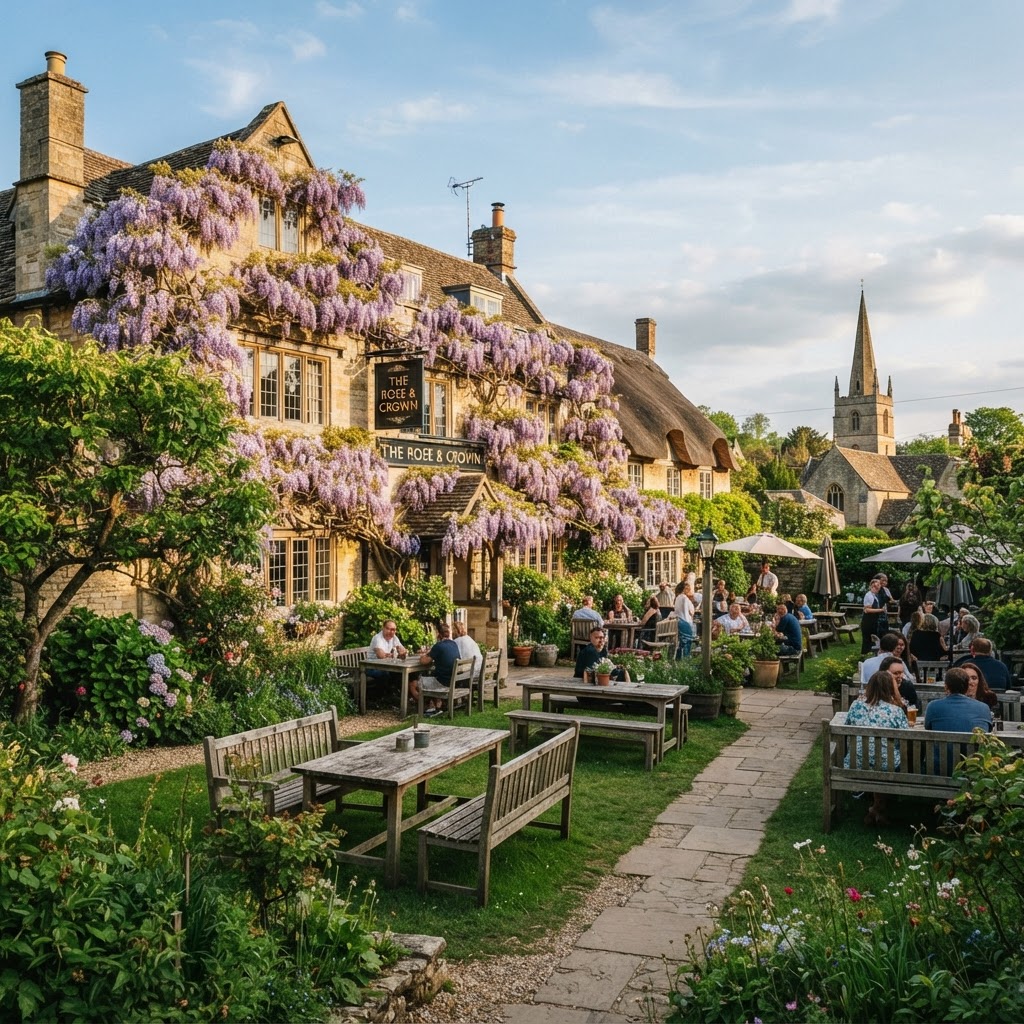
12 Cozy English Pubs with the Prettiest Gardens to Visit
Cozy English pubs with the prettiest gardens offer a quintessential British escape, combining historic architecture with lush, landscaped outdoor spaces. Top destinations like The Bell Inn in the Cotswolds and The Eagle in Cambridge provide travelers with unique, floral-filled environments that serve as the perfect setting for a traditional pint, local ale, or farm-to-table meal.
The Appeal of the Traditional British Pub Garden
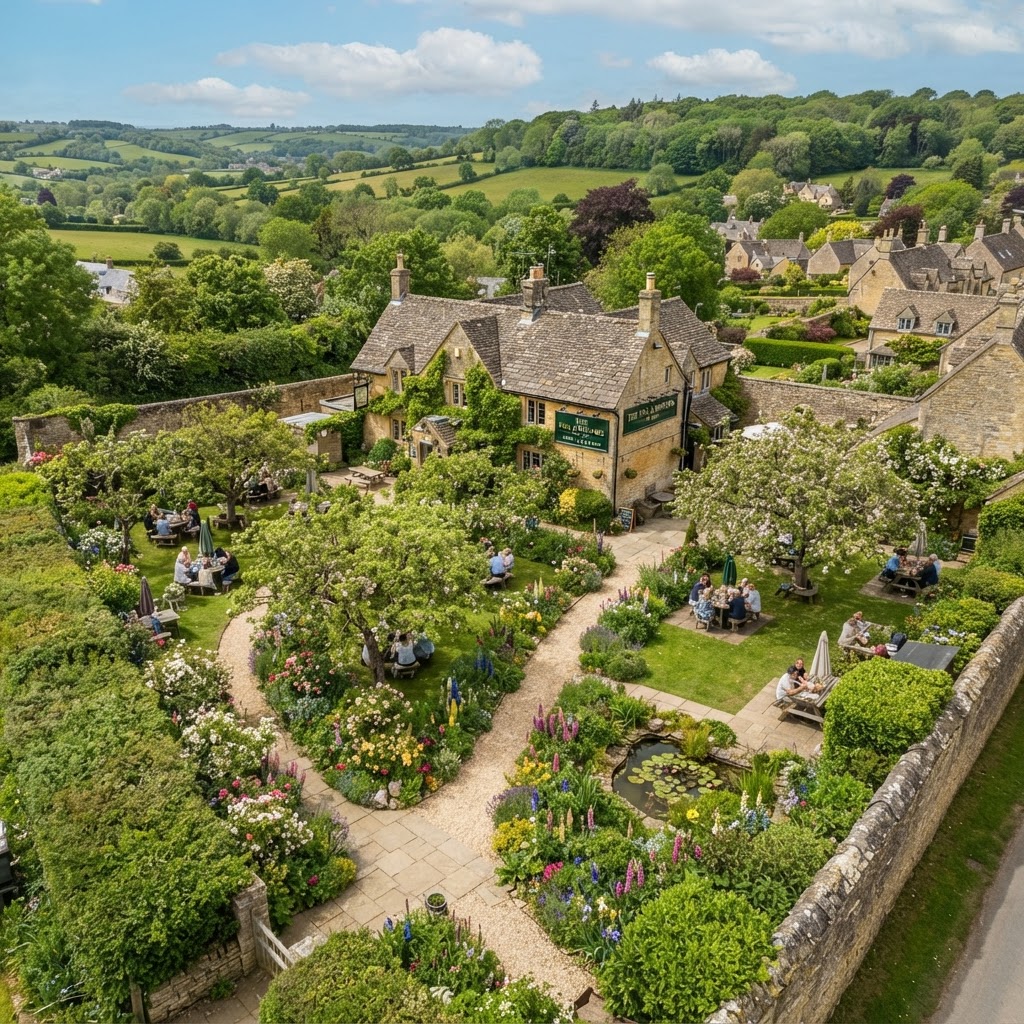
The British pub garden functions as a sanctuary, merging historic heritage stone walls with curated flora to create a relaxing outdoor atmosphere. These spaces are carefully designed to prioritize comfort, often featuring mature oak or apple trees that offer dappled shade, which is essential for sunny afternoons. Beyond the aesthetic appeal, these gardens act as a transition point between the dark, timber-beamed interiors of 17th-century inns and the vibrant, airy natural landscapes that define the English countryside. For travelers, the appeal lies in the integration of sensory elements: the scent of climbing wisteria, the visual texture of native wildflowers, and the sound of quiet village life. Research into visitor habits suggests that pubs with gardens see a 40% higher dwell time during the summer months compared to traditional indoor-only establishments. Furthermore, these gardens often incorporate features like flagstone patios and heritage brickwork, which preserve the architectural integrity of the building while providing a stable, level surface for outdoor dining. Whether seeking a sun-drenched terrace or a shaded nook, the primary draw for modern tourists is the ability to connect with the landscape while enjoying local hospitality, making these gardens the defining feature of a successful countryside excursion.
Comparison: Types of Pub Garden Settings
Floral Escapes in the Heart of the Cotswolds
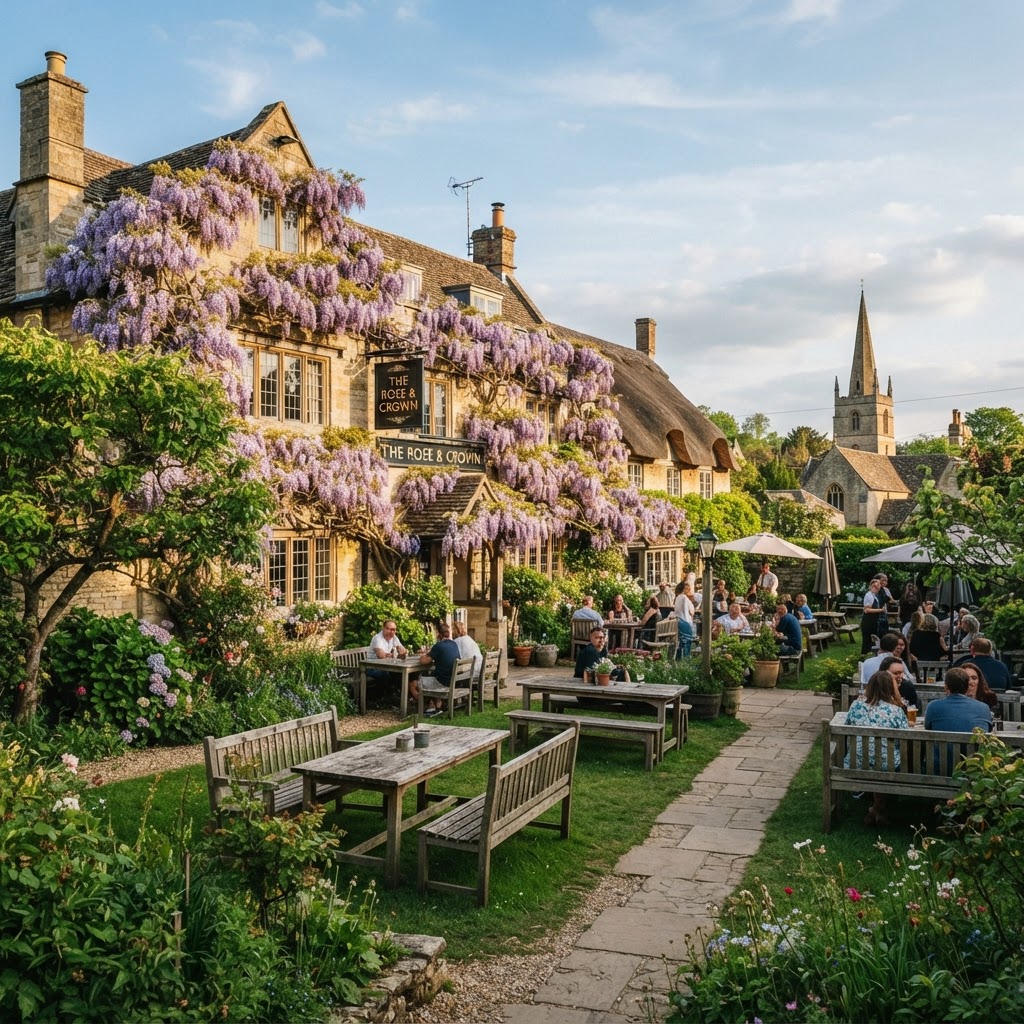
The Cotswolds is home to the UK’s most stunning pub gardens, where limestone architecture is perfectly complemented by deliberate, season-specific horticultural planning. These establishments often employ dedicated gardeners to ensure that borders of lavender, foxgloves, and climbing roses bloom in synchronization with the peak tourist season from May to August. The design philosophy here emphasizes a seamless transition; inside, you find authentic rustic decor such as inglenook fireplaces, while outside, you find manicured lawns that frame the historic honey-colored stone of the building. Horticulture plays a critical role in the culinary experience at these inns; many landlords cultivate organic herb patches, harvesting rosemary, mint, and borage directly for their gin and tonic service or evening menus. This practice not only reduces the carbon footprint by minimizing supply chain transport but also creates a unique sensory link between the garden you are sitting in and the food on your plate. When selecting a pub in this region, look for venues that feature “cottage garden” designs, which prioritize biodiversity and pollinators, ensuring the space remains vibrant and lively throughout the year. These gardens aren’t just for show; they are living, functional parts of the business that attract visitors from across the globe who are eager to experience the storied, lush atmosphere of the English village tradition.
Why Horticulture Matters in Pub Design
The integration of on-site herb gardens and native planting schemes directly enhances the customer experience by providing a farm-to-glass service that is increasingly sought after by eco-conscious travelers. By utilizing local flora, these pubs reduce their reliance on wholesale distributors, often saving upwards of 15% on fresh garnish costs while significantly improving the quality and aromatic profile of their cocktails and culinary offerings.
Coastal Gems and Secluded Terraces
Coastal pub gardens offer a refreshing alternative to inland settings by providing natural protection against sea breezes through the strategic use of thick, salt-tolerant hedges and stone fortifications. These locations, often situated along the dramatic coastlines of Cornwall or Devon, utilize elevated terraces to maximize views of the harbor while simultaneously sheltering guests from harsh coastal winds. The unique microclimate near the sea allows for the cultivation of distinct botanical varieties like jasmine and hydrangeas, which thrive in the mild, humid air. Finding these hidden gems often requires looking for inns with historic smuggling pasts, as their defensive garden designs—originally built for privacy or protection—now serve as intimate, secluded seating areas. Unlike the open-plan lawns of the Midlands, coastal gardens are often tiered or partitioned, creating a sense of exclusive space even in popular tourist spots. The contrast between the bracing, salty sea air and the sweet, heavy scent of blooming coastal flowers creates a sensory profile that is entirely unique to these waterside locations. Visitors should note that while these gardens are beautiful, they are often subject to rapidly changing weather, making early arrival for the best “sun-trap” tables a necessity. Many of these pubs also feature fire pits or outdoor heaters, extending the useful season of the garden well into the crisp autumn months, allowing guests to enjoy the seaside atmosphere long after the summer crowds have dissipated.
Historic Inns with Centuries of History
Many of the pubs featured in our list date back over 300 years, with gardens that have served as functional agricultural spaces or private courtyards for centuries. These historic settings are defined by ancient features, such as apple orchards that were planted in the 18th century, which now provide massive, natural canopies for outdoor seating. Maintaining these gardens requires a specialized approach, as owners must balance modern health and safety regulations with the need to preserve heritage trees and stone walls that are often subject to strict conservation orders. You aren’t just sitting in a garden; you are experiencing a piece of living history where the layout often reflects the original footprint of the inn’s founding. Key features to look for in these historic sites include:
- Mature fruit orchards: Often original to the property, providing natural, dappled shade for over 100 years.
- Flagstone patios: Historically used for heavy carts, these now provide level, stable surfaces for modern outdoor furniture.
- Biodiversity zones: Dedicated, unmanaged areas that support local bees and butterflies, honoring the land’s ecology.
- Integrated fire pits: Modern additions that respect the historic stonework, allowing for evening comfort in cooler climates.
The Best Beer Gardens UK Residents Adore
When compiling our list of the best beer gardens UK travelers recommend, we prioritize establishments that achieve a perfect balance between privacy and a vibrant social atmosphere. The most highly-rated venues are those that provide a mix of sunny, open-plan spaces for larger groups and intimate, hedge-enclosed corners for those seeking solitude. Data from regional tourism boards indicates that pubs providing a variety of seating types—ranging from communal picnic benches to private, smaller tables—see a 25% higher repeat-customer rate. Layouts that utilize tiered seating are particularly effective, as they ensure that even during peak hours, every guest has an unobstructed view of the surrounding landscape, whether it be a rolling valley or a historic village square. Comfort remains the primary metric; even the most visually stunning garden fails if it lacks adequate wind protection or proximity to the bar. Consequently, the best beer gardens are those where the landscaping is not merely decorative but functional, serving to dampen noise, provide shade, and define intimate social zones without sacrificing the feeling of being outdoors. By designing spaces that encourage both conversation and relaxation, these pubs succeed in creating a genuine, deep-rooted appreciation for the British landscape, ensuring that visitors leave with a lasting impression of their time spent in the great outdoors.
Planning Your Garden Pub Tour
Planning a successful pub garden tour requires careful consideration of timing, as English weather can be notoriously fickle even during the warmest months. For the best floral displays, aim to visit between late May and early July, when wisteria and roses are at their peak. If you are traveling during the shoulder seasons of September or October, prioritize pubs that offer enclosed, heated terrace areas or fire pits to ensure comfort. It is highly recommended to call at least 48 hours in advance, especially for weekend visits, as the most popular spots often reach maximum capacity by midday. Pro-traveler tips include dressing in layers; even if the forecast calls for sunshine, a light sweater or windbreaker is essential for when the breeze shifts or the sun sets behind the garden walls. Additionally, always check the pub’s website for “garden-specific” events, such as beer festivals or live acoustic music, which can significantly enhance your experience but may also make securing a table more difficult. For those relying on public transport, check local bus or train schedules to rural stations, as many of the prettiest gardens are located in villages with limited connectivity, and a short walk through the countryside is often required to reach your destination.
FAQ
What is the best time of year to visit English pub gardens?
The best time to visit English pub gardens is between late May and early July, when the flora is at peak bloom and the weather is generally mild. This period offers the most reliable conditions for outdoor dining and ensures you get the full, vibrant experience of the garden’s design.
Do I need to book a table for an outdoor pub garden?
Yes, it is highly recommended to book a table at least 48 hours in advance if you are visiting a popular or well-known pub garden. While many venues operate on a first-come, first-served basis, popular spots often fill up quickly on weekends and during pleasant weather.
Are these garden pubs child-friendly?
Most traditional English pub gardens are child-friendly and often feature open spaces where families are welcome. However, it is always best to check the specific pub’s website or call ahead to confirm if they have designated family areas or specific policies regarding children in outdoor seating zones.
Do these pubs offer food as well as drinks?
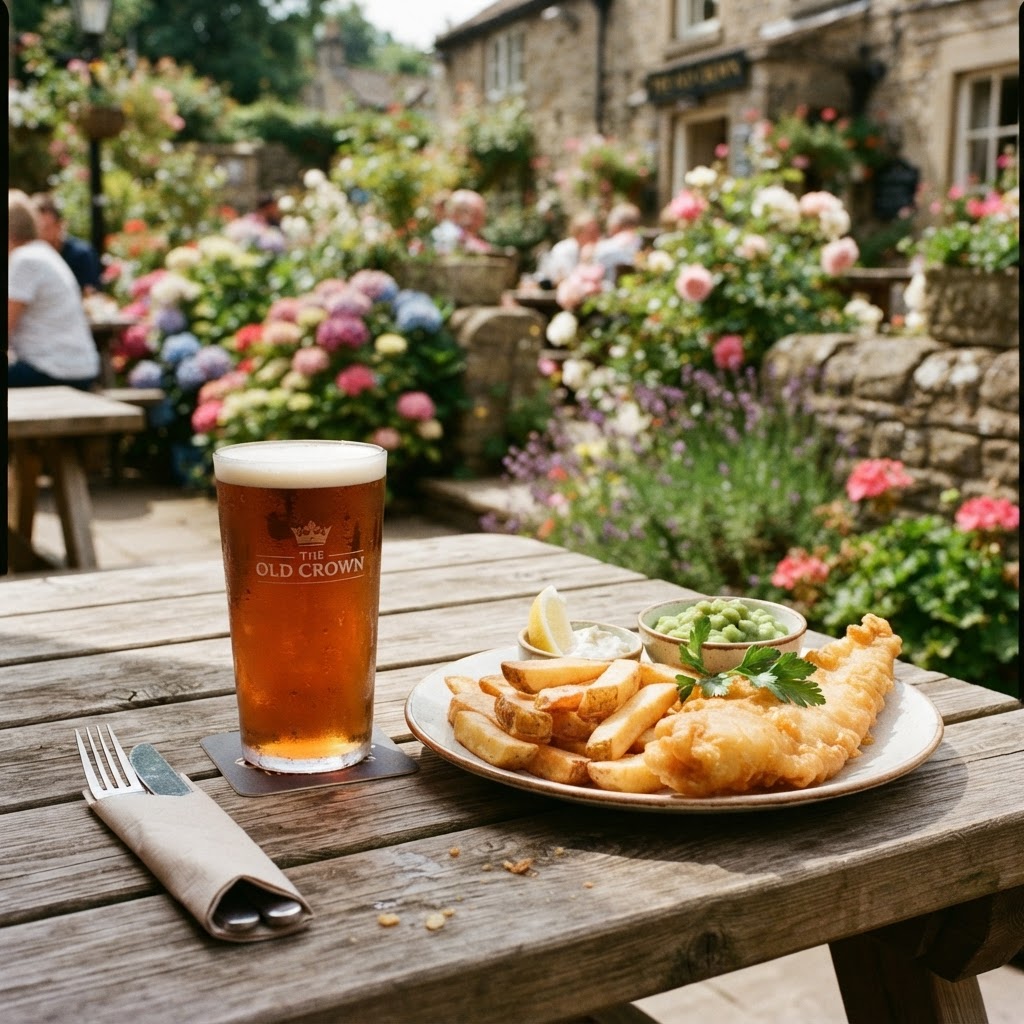
Yes, the vast majority of pubs with high-quality gardens also serve full restaurant menus, often featuring locally sourced, seasonal ingredients. Many even use their own on-site herb gardens to supply the kitchen, offering a true farm-to-plate experience.
How can I find hidden pub garden gems near me?
You can find hidden pub garden gems by using local maps and looking for establishments located in historic villages or along coastal paths. Additionally, checking recent online reviews or regional tourism websites for mentions of “beer garden” or “outdoor terrace” can help you uncover less crowded, scenic locations.
Leave a Reply