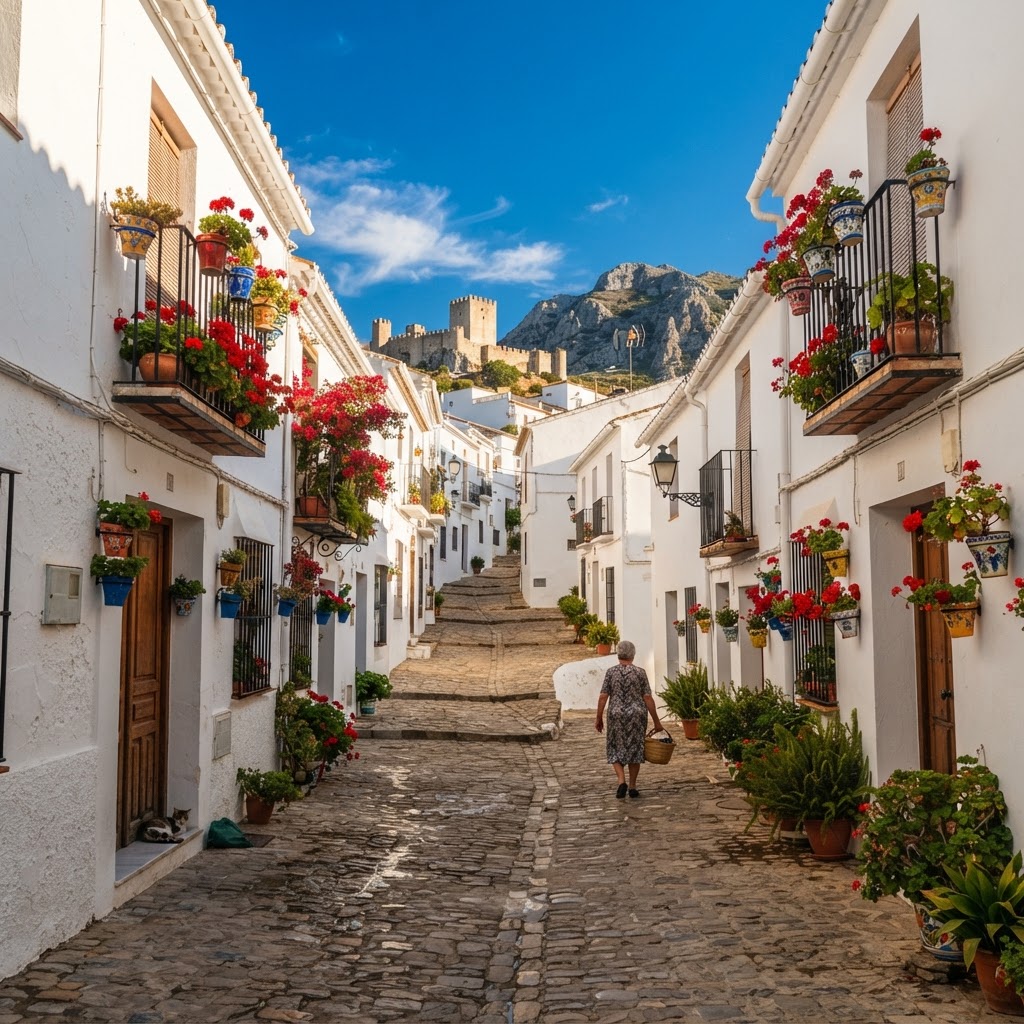
The colorful facades of Southern Spain are primarily a result of climate-adaptive architecture, where white lime-washing reflects intense solar radiation to keep interiors cool, while ochre, terracotta, and blue pigments—often derived from local minerals—serve as cultural identifiers and expressions of neighborhood pride and status within the historic Andalusian landscape.
The History Behind the Hue
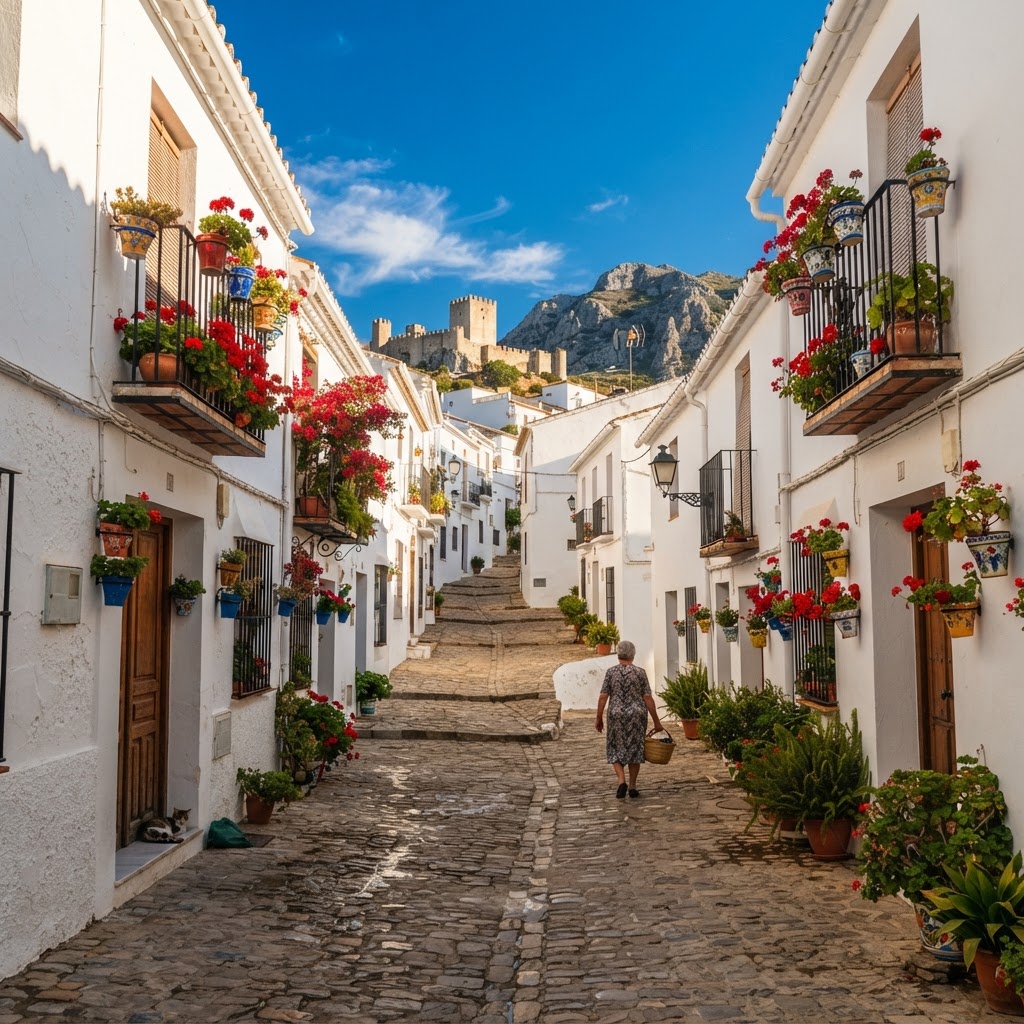
To understand why Southern Spain is so colorful, one must look back through centuries of history. The aesthetic of the region is a complex tapestry woven from Roman, Visigoth, Moorish, and Christian influences. Many of the architectural traditions still visible today date back to the Al-Andalus period, when Muslim rule brought new techniques in tile work and urban planning to the Iberian Peninsula.
Lime-washing, or painting walls with lime, was originally used for practical reasons rather than aesthetic ones. Lime is a natural disinfectant and an incredible insulator, keeping the interiors of homes cool during the blistering heat of the Andalusian summer. By painting exterior walls white, residents also reflected the intense sun, preventing the absorption of heat that would make living spaces unbearable.
Why Color Matters in Modern Andalusia
As time moved forward, these practical solutions evolved into vibrant artistic expressions. While white remains the dominant color, particularly in the famous pueblos blancos, other hues began to emerge as markers of status, neighborhood identity, and religious devotion. Families began using mineral pigments to add splashes of color, turning every street into a unique display of personality and tradition. Historically, the use of almagra—an iron-rich red clay—became a staple in cities, symbolizing prosperity and local resourcefulness.
The Iconic Pueblos Blancos
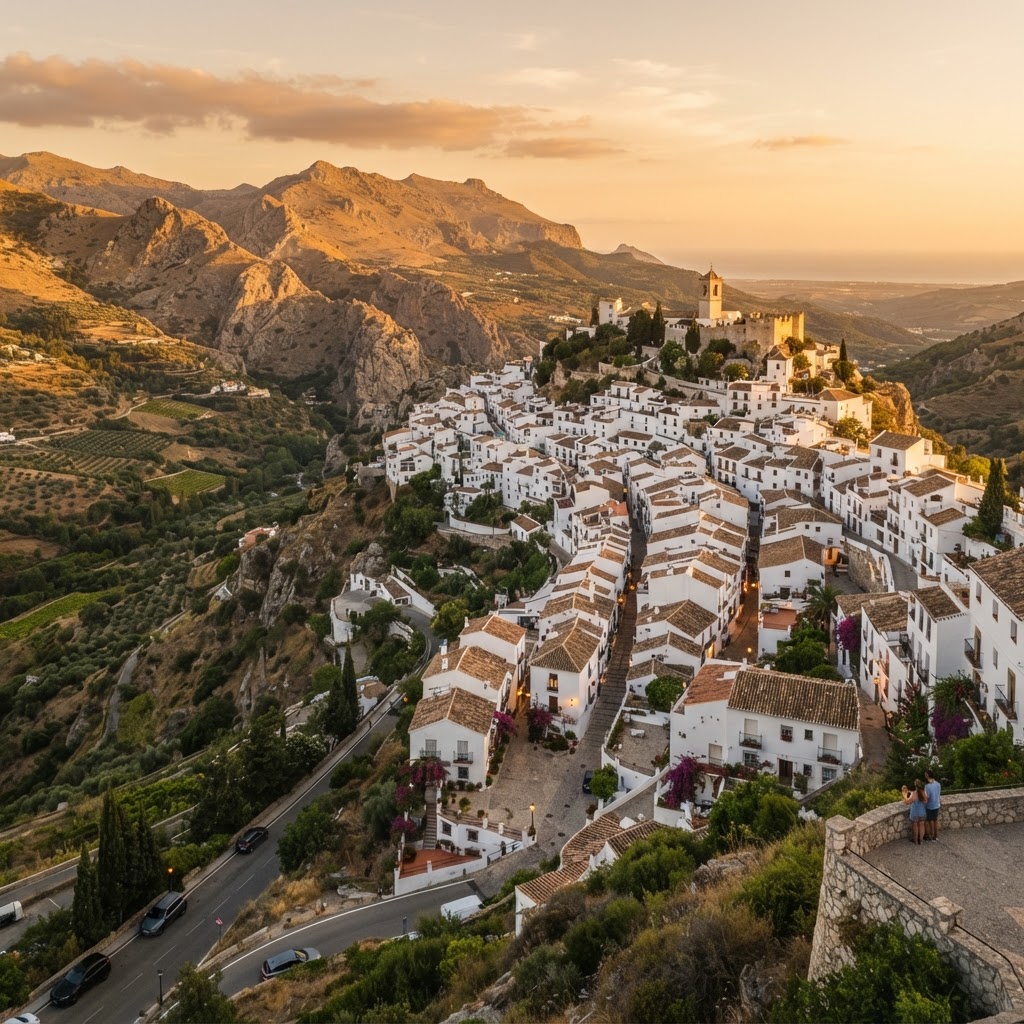
When most people think of the colorful facades of Southern Spain, the mind often drifts to the Pueblos Blancos, or “White Villages.” These stunning settlements are perched precariously on limestone cliffs, creating a striking contrast against the deep blue sky and the rugged brown mountains of the Sierra de Grazalema.
These villages are not just white; they are a masterpiece of communal maintenance. Every year, residents take pride in re-whitewashing their facades to keep them pristine. This collective effort creates a cohesive, breathtaking aesthetic that has made towns like Ronda, Zahara de la Sierra, and Setenil de las Bodegas famous worldwide. In Ronda, for example, the architecture reflects a survival strategy where houses were built directly into rock formations, necessitating the use of lime to combat moisture in deep canyon dwellings.
The Geometry of White
The Role of Light
In these villages, light is the primary architect. During the golden hour, the white walls capture the dying rays of the sun, reflecting soft pinks, oranges, and deep yellows. This dynamic light show transforms the town, making it a dream destination for photographers and travelers seeking authenticity. Photographers often find that the reflective qualities of lime-washed surfaces require an exposure compensation of -0.7 to -1.0 EV to maintain detail in the highlights during peak sunlight hours.
Vibrant Hues of Seville and Cordoba
While the mountain villages favor white, the major cities like Seville, Cordoba, and Cadiz embrace a broader palette. Here, the narrow, winding streets of the old quarters (juderias) are lined with houses painted in warm shades of ochre, burnt orange, and sun-baked yellow, which beautifully complement the intricate green foliage spilling from balconies. These color choices are not random; in neighborhoods like Santa Cruz in Seville, specific shades of yellow were historically associated with aristocratic status.
This tradition of color is often tied to the local “almagra” clay, which produces a distinct reddish hue. Combined with the blue window frames and bright potted geraniums, these facades create a kaleidoscopic urban environment that feels both historic and deeply alive. Visitors will notice that window frames are often painted in “Seville Blue” or “Triana Green,” traditions that date back to 16th-century ceramic guilds.
Decorative Elements That Complete the Look
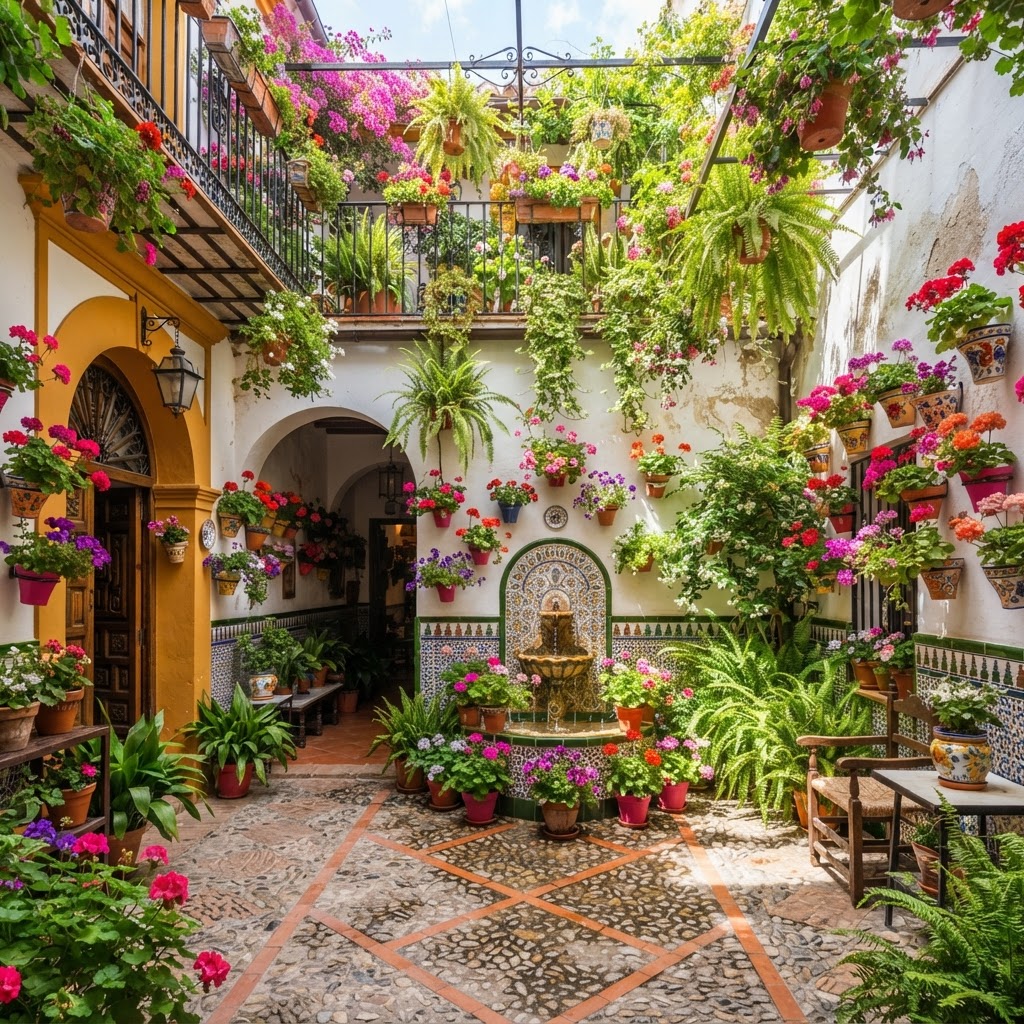
It is impossible to discuss the colorful facades of Southern Spain without mentioning the decorative elements that enhance them. These are not merely buildings; they are curated displays of home life. The Spanish tradition of decorating exterior spaces serves as an invitation for community interaction and a bridge between the private home and the public street.
Key Architectural Features
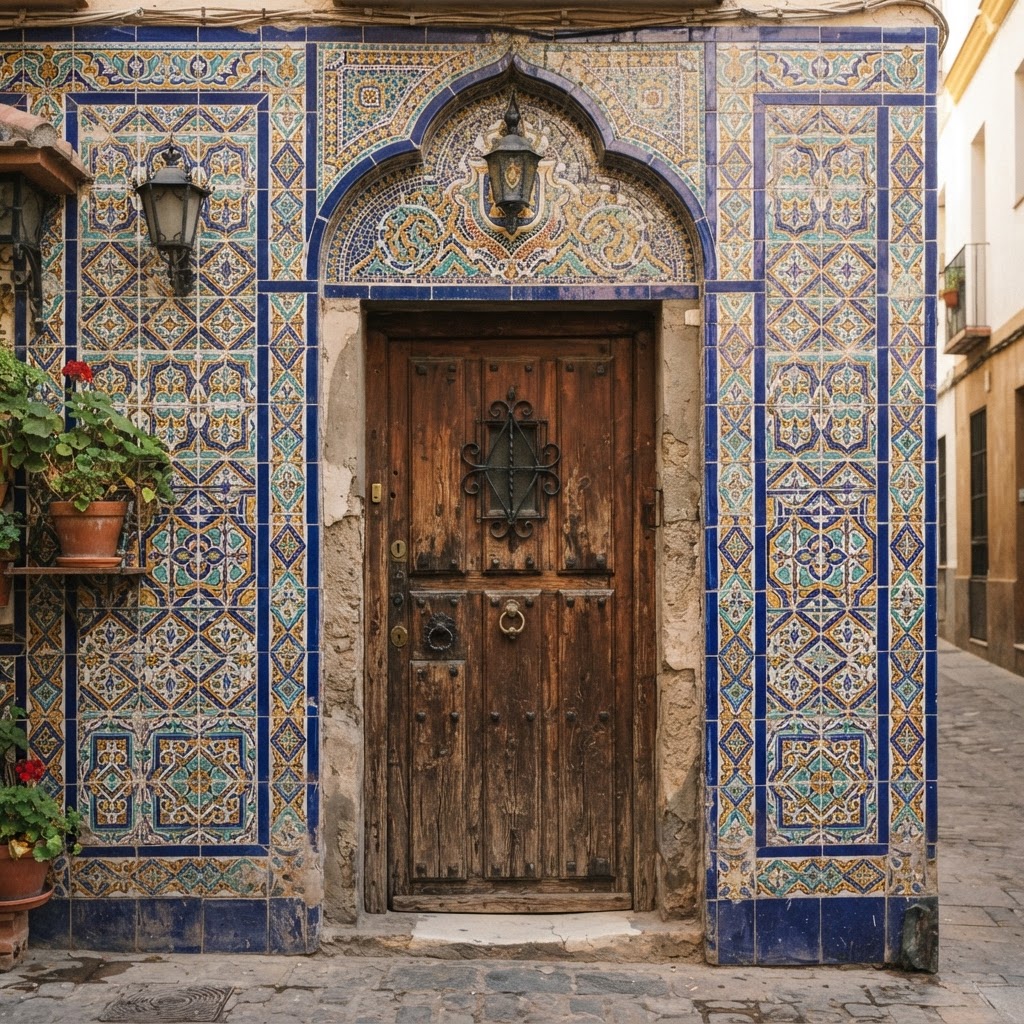
- Ceramic Tiles (Azulejos): Often used around doorways and window frames to add patterns and cool tones. These are frequently sourced from workshops that have been operating since the 18th century.
- Wrought Iron Balconies: These dark, intricate metal frames provide a sharp visual contrast to the light-colored walls.
- Potted Plants: Rows of geraniums and carnations are staples, adding bursts of red, pink, and purple to the facades. In Cordoba, the Patios Festival in May highlights these displays.
- Wooden Shutters: Usually painted in bright greens or blues to provide shade and character.
How Climate Influences Color Choices
Climate is arguably the strongest influencer of facade color in Southern Spain. The Mediterranean and semi-arid climates dictate that light colors are better for cooling, but cultural nuances allow for the introduction of darker colors to provide visual warmth during the cooler winter months. The use of natural pigments, easily sourced from the surrounding hills, ensures that the colors are harmonious with the local landscape. Average summer temperatures in this region can reach 40°C (104°F), making the high-albedo (reflectivity) of lime-washed surfaces essential for thermal regulation.
Preservation and Modern Trends
Preservation is a significant theme in Southern Spain, with many municipalities enforcing strict aesthetic codes. In historic centers like Casco Antiguo, residents must choose from a government-approved palette of earth tones to ensure that the authentic character of the neighborhoods is not lost to modern “beige-ification.” This regulatory framework is managed by local councils that oversee the maintenance of facades every 5-10 years to prevent structural decay.
Sustainable Painting Practices
Modern residents are increasingly returning to traditional lime-based paints. Unlike synthetic acrylic paints that trap moisture and lead to peeling, lime-based paints are breathable and environmentally friendly. This return to roots is not just a trend but a necessary step to maintain the integrity of historic structures in a changing climate. Lime paint absorbs CO2 during the carbonation process, effectively helping to neutralize urban pollutants.
Planning Your Photographic Journey
If you are planning a trip to capture these beautiful facades, timing is everything. The harsh midday sun can create too much contrast, causing images to blow out. Instead, aim to photograph in the early morning or late afternoon. The soft side-lighting during these hours will emphasize the textures of the stone, the depth of the window frames, and the saturation of the wall colors.
FAQ
Q: Why are the houses in Southern Spain white?
Houses are painted white primarily to reflect the intense Mediterranean sun, which helps keep interiors cool during the hot summer months. The lime-wash also acts as a natural disinfectant and helps to prevent moisture buildup in the thick stone walls characteristic of Andalusian architecture.
Q: What is the best time of year to visit the white villages?
April to June and September to October are the best times to visit for photography. During these months, the temperatures are mild, the flowers in the window boxes are in full bloom, and the light is soft enough to capture the texture of the whitewashed facades without harsh shadows.
Q: Are the colorful facades in cities like Seville regulated?
Yes, many historic districts in Seville, Cordoba, and Cadiz have strict color ordinances. Residents are often restricted to a specific palette of traditional ochre, yellow, and earth-toned mineral pigments to preserve the historic visual consistency of the streetscapes.
Q: What materials are used to decorate the exterior of Spanish homes?
Traditional decorations include hand-painted ceramic tiles known as azulejos, wrought iron balconies, and terracotta pots filled with geraniums. These elements are chosen not only for their aesthetic appeal but also for their ability to withstand the harsh UV exposure of the Andalusian climate.
Practical Tips for Photographers and Wanderers
Walking the narrow, winding alleys of Andalusia requires patience and comfortable shoes. Many of these streets are cobblestone paths that are incredibly steep. Leave your heels or dress shoes at the hotel. Wear supportive sneakers with good grip to avoid slipping on polished stones.
Timing is everything when you want that perfect shot of a white wall. Avoid shooting during midday when the sun creates harsh, blown-out highlights on the white surfaces. Aim for the “golden hour” just after sunrise or before sunset. The low light softens the textures and creates deep, beautiful shadows against the colorful window frames.
The Art of Wandering
Don’t just stick to the main plazas or popular viewpoints. The best photos often hide in the quietest residential corners. Turn off your GPS for an hour and follow the narrowest paths. You will find hidden courtyards, known as patios, draped in vibrant bougainvillea that perfectly accent the lime-washed walls.
Planning Your Andalusian Route
Most travelers try to cram too many villages into a single day. This is a common mistake that leaves you exhausted and frustrated. Pick two main villages as your base rather than checking out of a hotel every morning. Stay for at least three days to truly absorb the rhythm of life there.
- Day 1: Focus on the architectural details and local textures.
- Day 2: Take a short hike to a higher viewpoint to see the village skyline.
- Day 3: Visit the local artisans and learn about their pigment traditions.
If you have a car, avoid entering the village centers. Parking is notoriously difficult, and streets are often barely wide enough for a compact vehicle. Use the designated parking lots at the edge of town and walk the rest of the way.
When to Go and What to Budget
Spring is the best time to visit if you want to avoid the extreme heat. Between April and early June, the hills are vibrant green and wildflowers are everywhere. Avoid July and August if you are sensitive to heat. Temperatures often exceed 40 degrees Celsius, making walking tours unbearable.
For budget travelers, the off-season offers great value. In November or February, hotel prices drop significantly. You might face some rain, but the streets are empty of crowds, allowing you to photograph facades without tourists blocking your view. Expect to spend around 80 to 120 euros per day for a mid-range experience including food and lodging.
Frequently Asked Questions
Do I need to speak Spanish to explore these villages?
While locals appreciate a few words of Spanish, you can navigate easily with basic phrases. In the popular villages like Ronda, many shop owners speak decent English. If you go deeper into the Sierra de Grazalema, a translation app is very helpful for reading menus or asking for directions.
Are the Pueblos Blancos accessible by public transport?
Yes, but it requires careful planning. Buses run between major hubs, but they are infrequent in rural areas. Hiring a car is the most efficient way to see multiple villages in a single trip. If you rely solely on buses, limit yourself to one or two well-connected towns.
Is it rude to photograph people’s homes?
Residents are generally proud of their beautiful, decorated facades. However, always be respectful if someone is sitting on their porch or tending to their plants. A polite smile or a “buenos días” goes a long way before you aim your camera lens at their doorway.
Leave a Reply