
Paris Window Views: Watching the Eiffel Tower at Sunset
To secure the best Paris window views of the Eiffel Tower at sunset, book a room on the 4th to 6th floor in the 7th or 16th arrondissements, specifically requesting an unobstructed western-facing perspective. Luxury hotels like the Shangri-La or boutique apartments near the Champ de Mars offer the most direct, iconic sightlines for watching the sunset glow.
The Anatomy of the Perfect Parisian View
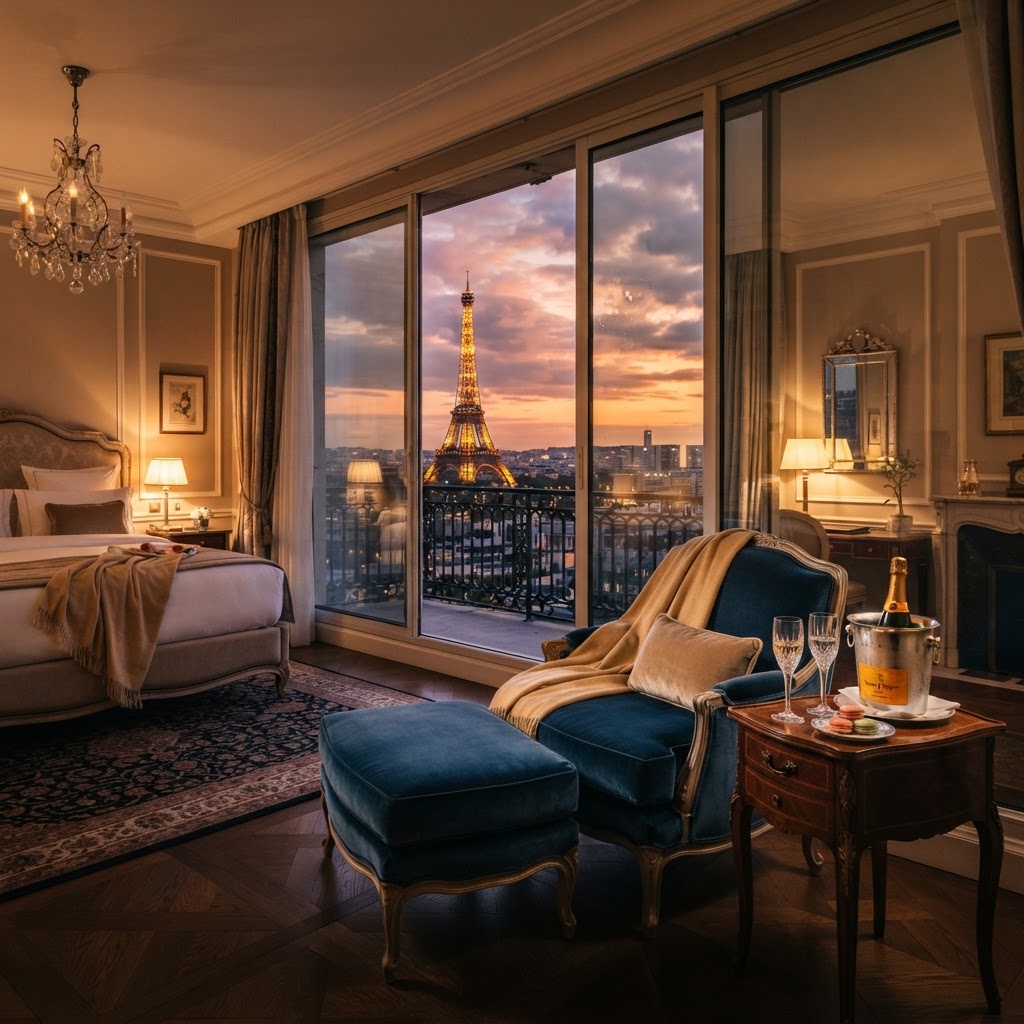
Not all views are created equal, and understanding what makes a window view exceptional is the first step in your planning process. You aren’t just looking for a sight of the tower; you are looking for composition, proximity, and perspective. The best views often involve a slight elevation, allowing you to see the tower rising above the iconic Haussmann-style zinc rooftops and leafy chestnut trees. Proximity matters significantly for photography; being within 1 to 2 kilometers of the Champ de Mars ensures the tower occupies a significant portion of your frame, while a distance of 3 kilometers or more provides a broader, more panoramic vista of the city skyline.
Why Height and Angle Matter
While ground-level views are charming, a perspective from the fourth, fifth, or sixth floor captures the rhythm of the city. You want a vantage point that provides a clear line of sight without obstruction from neighboring buildings. The orientation of the room is equally vital. West-facing windows are essential for capturing the transition from blue sky to the golden glow of sunset, ensuring the sun illuminates the structure of the tower rather than leaving it in silhouette. Generally, rooms located between floors 4 and 6 offer the “sweet spot” of elevation, avoiding the noise of the street while remaining close enough to see architectural details clearly without the tower appearing as a distant pinprick.
Luxury Hotels with Unrivaled Eiffel Tower Vistas
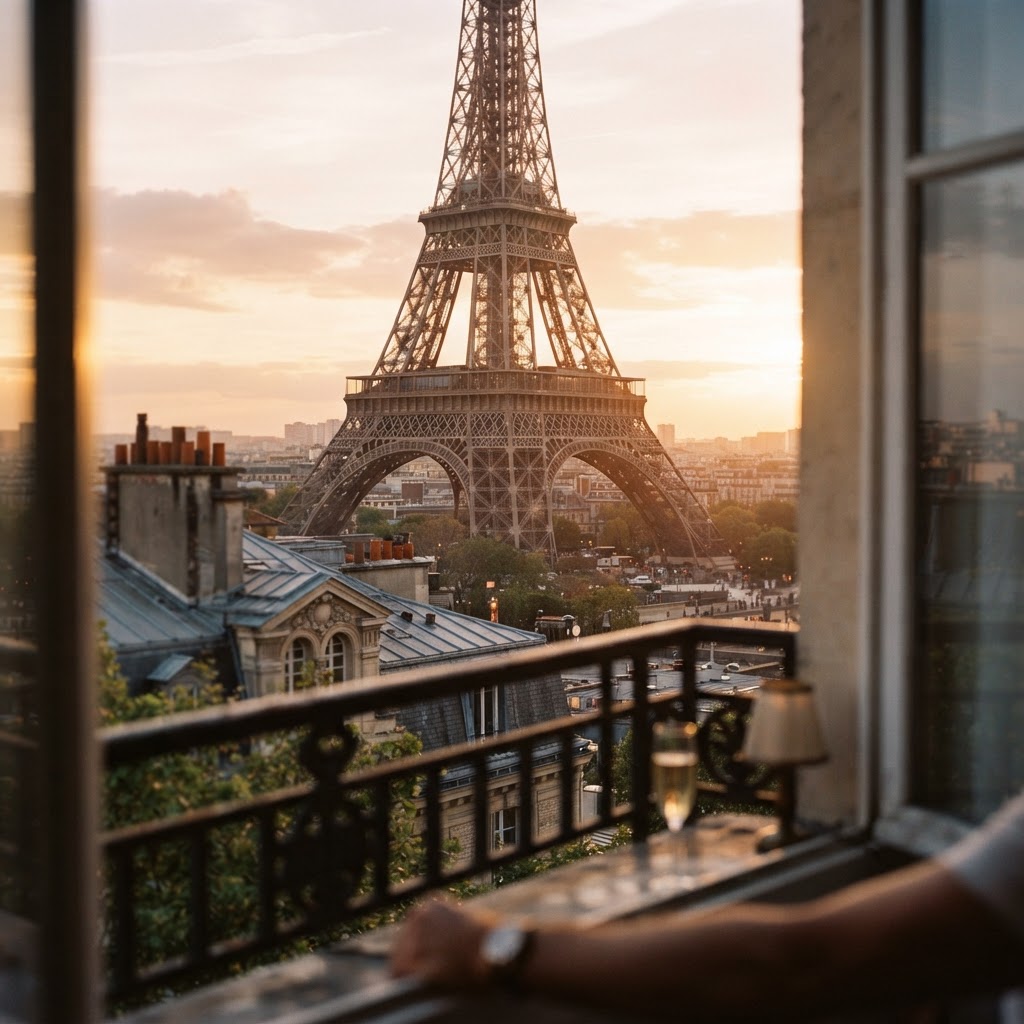
If your budget allows for indulgence, Paris offers some of the most prestigious accommodations in the world specifically designed to frame the Eiffel Tower. These properties understand that the view is their most valuable amenity. When you book a terrace room at these locations, you are paying for the privilege of the perfect, uninterrupted sunset. Expect to pay a premium of 30% to 50% more for “Eiffel Tower View” designated rooms compared to standard garden or courtyard view rooms within the same property. Always verify the exact floor number during the booking process, as lower floors in these hotels may be partially obscured by mature trees or neighboring balconies.
The Pantheon of Parisian Luxury
Hotels like the Hotel Plaza Athénée or the Shangri-La Paris have perfected the art of the window view. At the Shangri-La, for instance, many suites offer direct, head-on views that feel so close you could almost reach out and touch the lattice steel. The key here is to verify your room category explicitly. Always contact the concierge after booking to request a ‘high floor with an iconic view,’ as internal room configurations can vary significantly. By sending an email 72 hours prior to arrival, you increase the likelihood of securing the specific room angle you desire, as room assignments are often finalized at that time based on ongoing guest departures.
Apartment Rentals: An Alternative Perspective
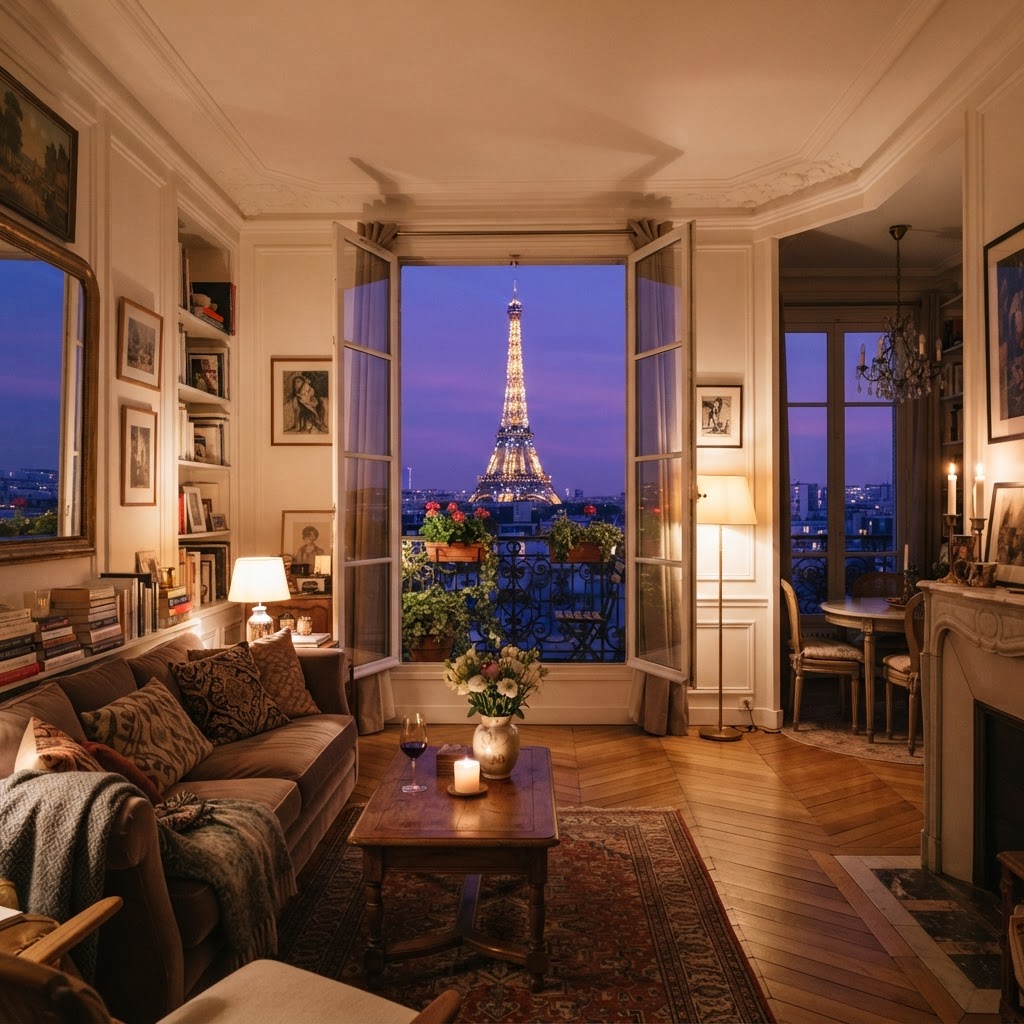
For those who prefer a more local, home-away-from-home experience, apartment rentals in the 7th, 15th, and 16th arrondissements can be hidden gems. Booking a private apartment often allows for a more personal experience, where you can prepare a charcuterie board and a bottle of Bordeaux to enjoy as the city lights begin to twinkle. Renting an apartment typically provides more square footage than a hotel room, and you will often find balconies that are larger than those in boutique hotels, allowing for a more comfortable “sunset picnic” setup. Ensure the listing explicitly mentions “Eiffel Tower view from living area” rather than just “access to a rooftop terrace,” as the latter is frequently shared with the entire building.
How to Verify Your View
Platforms like Airbnb or Plum Guide offer filters for ‘Eiffel Tower View,’ but it is crucial to do your due diligence. Read the reviews specifically for the word ‘view’ and examine the photos provided by previous guests. Often, the host will include a photo taken directly from the window, which is your best guarantee of the perspective you will receive. As a rule of thumb, use Google Street View to inspect the building’s exterior and check for any large construction cranes or taller buildings in the immediate foreground that might block your line of sight. Never rely solely on professional, wide-angle listing photos, as these are often taken with specialized equipment to exaggerate the proximity of the tower.
Timing Your Sunset Photography
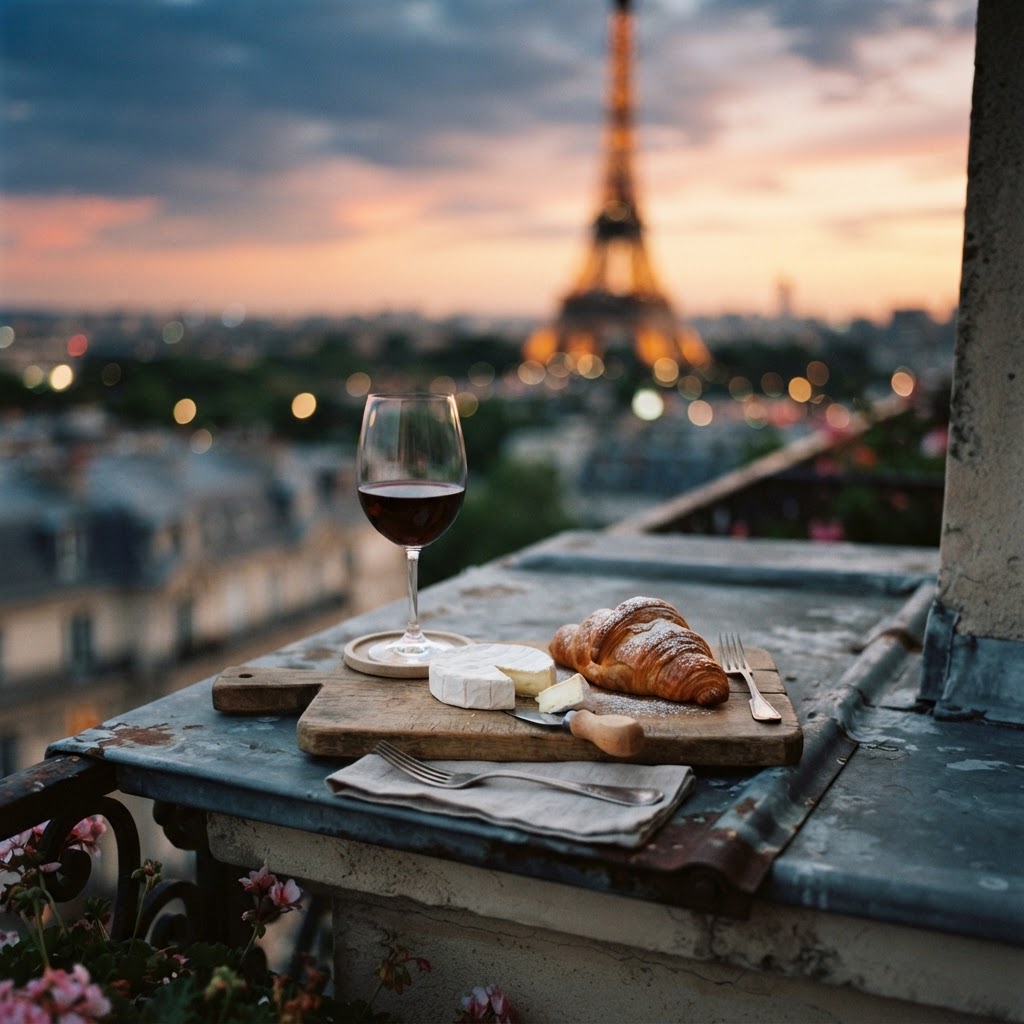
Capturing the Eiffel Tower at sunset is a delicate dance with light. The golden hour in Paris is relatively short, often lasting only twenty to thirty minutes. Understanding how to manage your camera settings or your smartphone’s exposure is the difference between a blurry silhouette and a crisp, professional-looking image. To get the best shots, you should begin your setup approximately 45 minutes before the official sunset time. Use a free app like “PhotoPills” to determine the exact azimuth (direction) of the sun relative to the tower on your specific travel date, as the position of the sun changes drastically between the summer solstice and the winter solstice.
The Golden Hour Sequence
- Pre-sunset (30 minutes before): The light is soft and diffused. This is perfect for capturing portraits with the tower in the background.
- The Golden Hour: The sun is low, casting a warm, honey-toned light on the ironwork.
- The Blue Hour: Immediately after the sun sets, the sky turns a deep, rich indigo. This is when the tower’s sparkle is most dramatic against the darkening sky.
Expert Tips for Mobile Photographers
Do not rely on automatic settings alone. Tap your screen on the brightest part of the sky to lock the focus and drag the exposure slider down slightly. This prevents the tower from appearing like a flat black cutout and preserves the detail in the iron lattice. If you are shooting during the “Blue Hour,” turn off your flash completely, as it will only reflect off the window glass, ruining the shot and obscuring the view.
Preparing the Perfect Evening Setting
Once you have secured your room, the view is only half the experience. To truly elevate your evening, curate your environment. Paris is a city of sensory pleasures, and your window view should be paired with the right atmosphere. Consider the following table to optimize your setup for the perfect sunset viewing experience.
Sensory Curation
Visit a local boulangerie or a luxury grocery store like Le Bon Marché’s La Grande Épicerie. Select a few aged cheeses, fresh baguette, and a bottle of wine that pairs well with the evening temperature. Playing a soft jazz or classical playlist at a low volume will ground your experience, making the visual spectacle of the sunset feel even more intimate and profound. For an authentic touch, aim to purchase your supplies before 6:00 PM, as many smaller, high-quality artisanal shops in the 7th arrondissement close their doors early in the evening.
Neighborhoods Known for the Best Angles
Geography dictates your view, and some arrondissements are naturally better positioned than others. The 7th arrondissement is the classic choice, placing you in the shadows of the Champ de Mars. However, do not overlook the 16th, which offers a sophisticated, slightly more distant view that is excellent for capturing the tower in the context of the Parisian skyline. The following table highlights the primary characteristics of these areas for travelers prioritizing the view.
Making the Most of Every Second
It is tempting to spend the entire sunset behind a camera lens, but try to dedicate at least ten minutes to simply sitting by the window without distractions. Watching the transition of the light, the movement of the clouds, and the eventual lighting of the tower is a meditative experience. Remember that the Eiffel Tower sparkles for five minutes at the top of every hour once darkness falls. This is the perfect time to toast with your champagne, as it happens consistently from dusk until 1:00 AM.
Beyond the Sunset
Don’t close the curtains the moment the sun disappears. The ‘Blue Hour’ and the early night period offer entirely different color palettes. The contrast between the warm golden lights of the tower and the cool tones of the dusk is arguably more beautiful than the sunset itself. Keep your window slightly cracked to allow the faint sounds of the city to drift in, adding another layer to your sensory experience. The sparkle is most vibrant between 10:00 PM and 11:00 PM during the summer months, offering a final, energetic display to conclude your evening.
FAQ
Q: Which floor is best for an Eiffel Tower view?
For the best perspective, aim for the 4th, 5th, or 6th floor. These levels provide enough height to clear common street-level obstructions like trees or lower buildings while keeping the tower looming large in your window frame.
Q: Are there budget-friendly ways to get a room with a view?
Yes, look for private apartment rentals in the 15th arrondissement rather than hotels in the 7th. These residential areas offer lower nightly rates while still providing excellent, unobstructed views of the tower from high-floor studio or one-bedroom apartments.
Q: How early should I book to guarantee a room with a view?
Book at least 4 to 6 months in advance for peak travel seasons, such as May, June, and September. Popular luxury hotels with Eiffel Tower views often reach capacity for these specific room categories long before standard rooms sell out.
Q: What is the exact time the Eiffel Tower sparkles?
The Eiffel Tower sparkles for five minutes at the beginning of every hour after sunset until 1:00 AM. Plan to be by your window exactly at the top of the hour to catch this daily performance.
Q: Does the orientation of the hotel room matter?
Yes, a west-facing or southwest-facing room is critical for sunset views. This orientation ensures that the setting sun illuminates the tower’s ironwork, preventing the structure from becoming a dark silhouette against the bright sky.
Leave a Reply