
Dublin Fall Outfits: Chic Layering for an Autumn Break
To pack the perfect Dublin fall wardrobe, focus on high-quality moisture-wicking base layers, a reliable waterproof trench or waxed jacket, and sturdy leather ankle boots to handle unpredictable rain and cobblestones. Temperatures fluctuate between 8°C and 15°C, making a three-layer system the most effective strategy for staying comfortable throughout your trip.
Understanding the Dublin Climate for Fashion
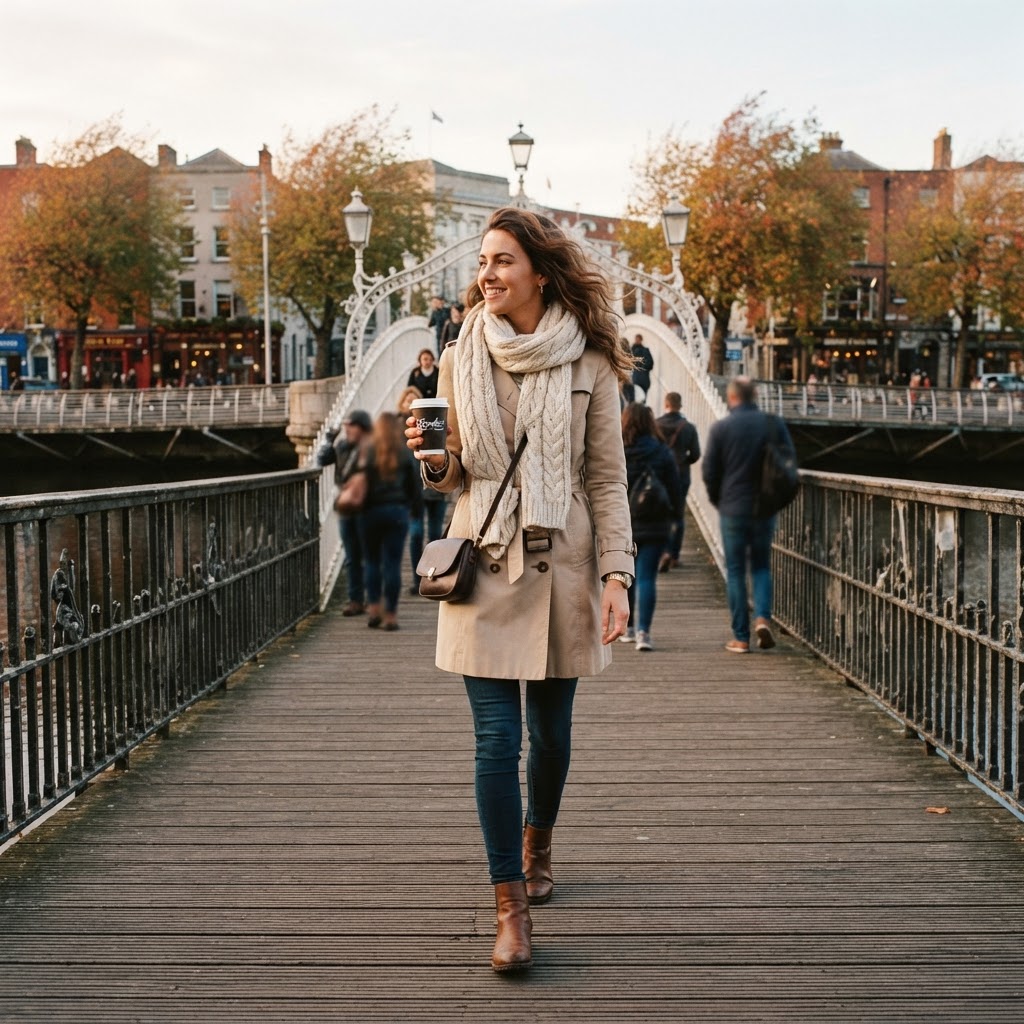
Dublin’s weather is notoriously fickle, often cycling through four seasons in a single afternoon, requiring a strategic approach to dressing. Average autumn temperatures hover between 8°C and 15°C, but the real challenge is the combination of persistent light drizzle and coastal winds that can make the “feels-like” temperature significantly lower. A heavy parka is usually too restrictive for city walking, while a light windbreaker lacks necessary thermal insulation; the sweet spot lies in a mid-weight jacket that balances water resistance with breathability. When walking near the Liffey, be prepared for gusty winds that necessitate a scarf, whereas the sheltered streets of Temple Bar might allow you to unzip your outer layer. Always prioritize fabric performance; synthetic blends or merino wool will outperform cotton by drying faster and retaining heat even when slightly damp. For more inspiration on how to embrace the local vibe, check out our Dublin aesthetic city guide to help you find the best spots that match your cozy autumn wardrobe. By understanding these micro-climates, you can adjust your outfit in real-time, moving seamlessly from a brisk walk across the Ha’penny Bridge to the warm, interior heat of a traditional Irish pub without overheating.
The Essential Layering Strategy for Travel
If you are looking for even more inspiration, our guide on Ireland fall outfits for women offers additional ideas for layering and seasonal trends.
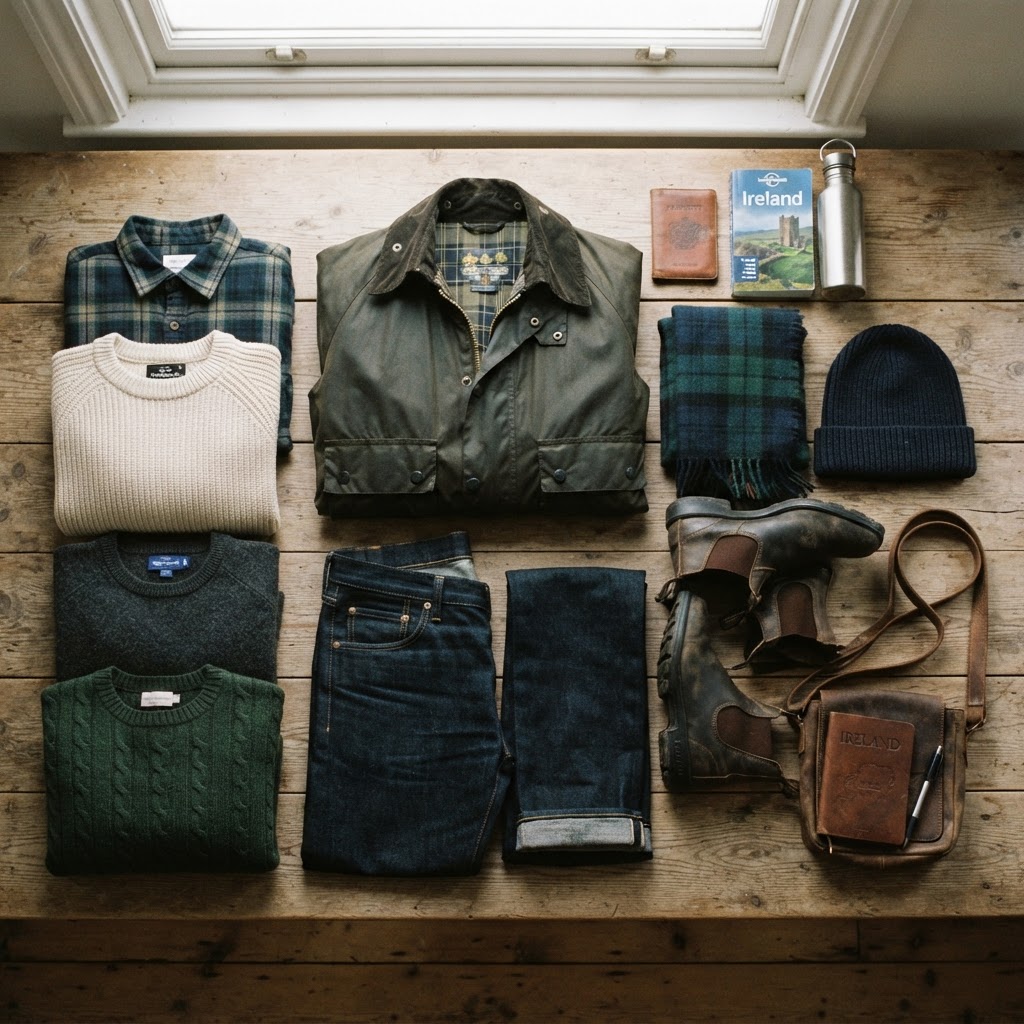
Effective layering is the foundation of any successful autumn wardrobe in Ireland, acting as a modular system for temperature control. Start with a moisture-wicking synthetic or 100% merino wool base layer worn close to the skin; these fabrics prevent that cold, clammy feeling that occurs when cotton absorbs moisture from mist or sweat. Your mid-layer should provide insulation, such as a high-quality cashmere pullover or a dense knit sweater, which traps heat effectively against the biting Atlantic breeze. The final, crucial layer is a water-resistant trench coat or a waxed cotton jacket, which serves as your primary shield against Dublin’s frequent, unpredictable showers. This tiered approach allows for rapid adjustments; for instance, you can easily remove a scarf or unbutton your coat when stepping into a heated shop, and re-bundle before heading back into the damp streets. Investing in thin, high-tech fabrics rather than bulky woolens also maximizes your luggage space, ensuring you stay under airline weight limits (typically 10-20kg) while still having multiple outfit combinations available for your stay.
Must-Have Footwear for Cobblestone Streets
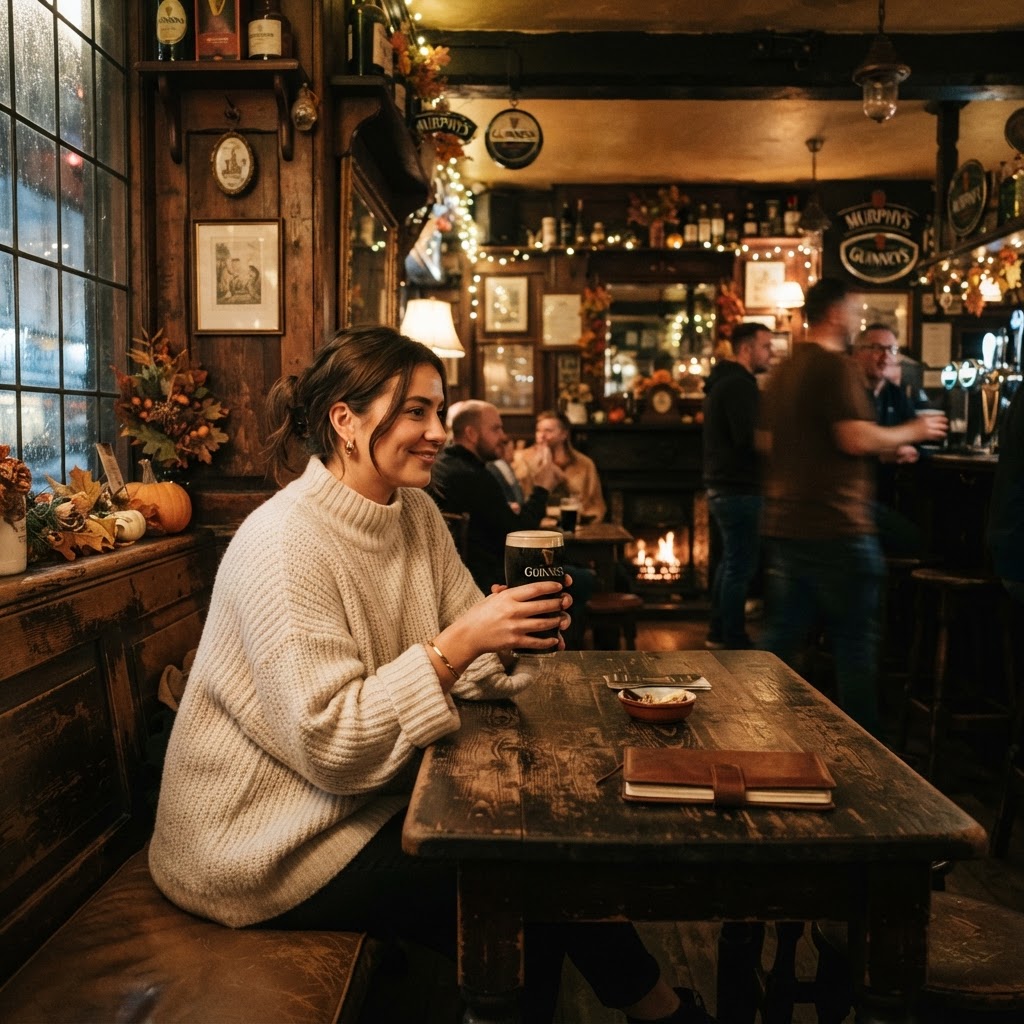
If you need specific styling advice for Dublin evenings, our guide on what to wear in Dublin covers various chic going out outfits that transition perfectly from a museum visit to a late dinner.
Navigating Dublin’s historic city center requires footwear that blends rugged durability with urban style to handle uneven, slick cobblestone surfaces. Avoid thin-soled flats, canvas shoes, or high heels, which offer zero traction on wet pavements and can lead to foot fatigue within an hour of walking. Instead, invest in leather ankle boots with a supportive, rubberized block heel; these provide excellent grip, protect your feet from shallow puddles, and pair perfectly with both jeans and midi-dresses. For those planning to walk more than 15,000 steps per day—common for tourists exploring the Phoenix Park or the Wicklow Mountains—fashion-forward waterproof trainers are an essential secondary pair. These should be treated with a water-repellent spray before departure to maintain their appearance despite muddy paths. By rotating your footwear, you not only improve foot comfort but also allow each pair to air out, which is vital in Dublin’s humid climate. Remember that functionality is the ultimate fashion statement here; arriving with dry, blister-free feet allows you to fully experience the city’s historical sites without distraction.
Creating a Versatile Travel Capsule Wardrobe
For those putting together a full suitcase for the trip, check out our guide for more comprehensive aesthetic outfit inspiration that complements your Dublin fall wardrobe.
Building a travel capsule wardrobe for Dublin relies on a cohesive, neutral color palette that masks dirt and transitions easily from daytime exploring to evening dining. Focus on a palette of charcoal, camel, forest green, and navy, which harmonize well with the moody, natural backdrop of the Irish landscape and current local trends. A high-performing capsule should include at least two pairs of premium-fit jeans or wool-blend trousers, three versatile sweaters, and one high-quality, rain-proof outer coat. Incorporating varying textures like corduroy, cable-knit, and denim creates visual interest without needing bright, attention-grabbing colors that often look out of place in the city’s classic aesthetic. Don’t underestimate the power of accessories; a wool beret or a classic plaid scarf adds only grams to your suitcase weight but significantly upgrades a simple outfit. Aim to limit your color story to 3-4 complementary shades; this strategy ensures that every item you pack can be worn with at least three other items, mathematically maximizing your outfit potential. This approach keeps your suitcase organized and ensures you look like a local rather than a tourist, blending seamlessly into the vibrant social scene of Dublin’s historic pubs and sophisticated restaurants.
Smart Packing Tips for Irish Autumn Trips
When packing for Dublin in October, utilize space-saving techniques like rolling clothes and using packing cubes to maximize the limited volume of a standard carry-on. Because Irish autumn weather often involves ambient dampness, avoid packing heavy denim or thick cotton sweats that can take up to 24 hours to fully dry if they get wet. Instead, opt for performance blends that replicate the look of denim but feature hydrophobic properties to keep you dry. Organize your suitcase by layer, keeping your heaviest coat accessible at the top or worn on the plane to save space and weight. A smart transition strategy for evening activities involves packing a pair of dressier loafers or chelsea boots; swapping from your daytime hiking-ready boots can instantly shift your aesthetic from “tourist-explorer” to “sophisticated-diner” for dinner at a high-end restaurant near St. Stephen’s Green. Always pack a compact, wind-proof umbrella in your day bag; look for models with vented canopies that won’t flip inside out during the strong gusts common in the city center. Following these technical packing rules ensures you aren’t carrying unnecessary weight while remaining fully equipped for the diverse range of activities an autumn break in Dublin provides.
FAQ
What is the most versatile piece to pack for Dublin in autumn?
A high-quality waterproof trench coat is the single most important item, as it provides a polished look while offering necessary protection against the wind and rain. Its longer silhouette also keeps your legs dry during sudden downpours.
Do I need heavy winter gear for Dublin in October?
No, heavy winter gear is unnecessary; focus on layered items that allow for adaptability as temperatures rarely drop to freezing levels. A thick parka will likely leave you too warm during walking and takes up too much luggage space.
Can I wear sneakers in Dublin restaurants?
Yes, clean, stylish leather or fashion sneakers are widely accepted in most Dublin establishments, provided they are clean and well-kept. Pair them with smart trousers to ensure you fit the dress code of more upscale city dining rooms.
How do I maintain Irish street style while traveling?
Stick to elevated neutrals and classic silhouettes, focusing on layering quality fabrics rather than relying on bright colors or heavy logos. Locals favor understated, high-quality pieces that emphasize texture and tailoring over trends.
Should I bring an umbrella or a raincoat?
It is best to bring both; a lightweight, foldable umbrella for quick protection and a hooded, waterproof coat for windier, wetter conditions. The coat is your primary protection, while the umbrella offers quick cover during transition moments.
Leave a Reply